This is honestly more of a refinishing than a restoration. This little Dr. Grabow Duke had never been smoked. If you have read my blogs for a while you know that I do not like clear-coat finishes. Oh, and thank you for being a reader. If you are new here, thank you for stopping by and I don’t like clear-coat finishes.
I know many folks don’t think too highly of Dr. Grabow pipes. They have a reputation as mass produced, factory made, low quality and low price pipes. I can agree with all of those statements save the “low quality”. I view a good deal of the Quality of a pipe in the briar used and the finish applied. This pipe is a prime example. Though it is small the briar is a fine specimen. It has nice grain and I did not see a single fill. The finish of the pipe is another matter. I do not like clear-coat finishes. Hmm, have I said that before?
Allow me to show you some photos of the Dr. Grabow Duke prior to being worked on.
Now, this pipe was in fine condition. Never having been smoked helps in that and we could say that the finish on the pipe had not aged well. I would still say that may be true being bumped around in a drawer, unused may lead to some dents, dings and surface scratches. The fact remains that I do not like clear-coat finishes, scratched, aged, dented or dinged. Hmm, have I said that I don’t like clear-coat finishes?
Dr. Grabow Background
I have not blogged about Dr. Grabow pipe too extensively. Although my very first blog was about using a briar plug in the bottom of the bowl of a Dr Grabow Westbrook. Back on December 27, 2023 I wrote a blog about a Grand Duke and included the following links for those interested in reading more about Dr. Grabow pipes. I will include those links again here:
This pipe has no shape number. The only thing which I could find about the history on this specific pipe was a quote from the pipedia.org describing the Duke line, “DUKE (c1964?) — From 1964 to 1984 the “Little Duke” and the Lark were imported from Italy. Later made at Sparta to increase production at the facility.” (https://pipedia.org/wiki/Dr._Grabow_Models_(Series,Line)_Names_Through_the_Years)
The Restoration
As previously mentioned, this was far more of a refinishing project. I did start with a new denim piece and immediately tried to discern what solvent would be best for removing the clear-coat. Have I mentioned my dislike of clear coats? Anyway, the first contestant was 95% ethyl alcohol. Its two carbon chain did a fine job at removing the dust from the clear coat but accomplished little else.
The next contestant was acetone. This highly volatile beauty did a fine job at removing the clear finish and some of the underlying stain by the look of the make-up pad.
I decided that rather than me scrubbing with acetone dipped make-up pads I would just give the stummel a 30 minute dunk in the acetone jar.
This 30 minutes allowed me the time I needed to polish the stem. There was no need to use the sanding sponges since the stem was already looking near new. I ran through the 4000-12000 micro-mesh pads. Between each pad I applied a small drop of Obsidian Oil, rubbed it around with my finger tip then wiped the stem with a clean dry paper towel.
After 30 minutes the stummel was removed from the acetone. The finish was mostly gone.
I rubbed the stummel with a few acetone wetted make-up pads to be sure and folded over a piece of 400 sandpaper to clean out the beading grooves.
Being very careful not to sand the stamps I sanded the stummel with a 320 and 400 sanding sponge. My goal here was to remove the outer layer of darker stained briar while leaving the dark stain in the softer parts of the briar. In essence, using the existing stain as a contrast dye without me having to dye the stummel. I wiped the stummel between each sponge with an alcohol wetted make-up pad.
The stummel was then sanded with a series of sanding sponges from the 600-3500 grit sponges. Between each sponge I wiped the stummel with the alcohol wetted make-up sponge.
After the sanding, I used the 4000-12000 micro-mesh pads in sequence. Between each pad I again wiped the stummel as with the sanding sponges. I failed to photograph this step. If you want a description, it looked like the previous photo only more shiny and with more colorful pads. The stummel was then coated with Before and After restoration Balm and allowed to sit for 30 minutes. I also failed to photograph the restoration balm. Geez, you just can’t get good help these days.
I wiped the balm from the stummel with the inside of a cotton athletic sock and reassembled the pipe. It was really looking good. All it needed was several coats of carnauba wax applied with the buffer.
This restoration, if you want to call it that, turned out very nicely. The clear coat was gone, replaced with the more natural beauty of the briar. The wood grain was allowed to show off it’s God given lines accentuated by the stain from the original manufacturing. Only now it was not hiding beneath all that despicable finish. The glossy black of the long stem building on classic lines of the pipe. This is a small pipe indicative of the times. I can imagine a worker taking a 10-15 minute break and relaxing with their pipe. The dimensions of this little beauty are:
Length: 5.86 in./ 148.84 mm.
Weight: 0.78 oz./ 22.11 g.
Bowl Height: 1.45 in./ 36.83 mm.
Chamber Depth: 1.15 in./ 29.21mm.
Chamber Diameter: 0.63 in./ 16.00 mm.
Outside Diameter: 1.18in./ 29.97 mm.
I do hope that you have found something here useful to your own pipe care, maintenance or restorations. If you like this sort of thing, please click the like and subscribe buttons. Thank you for reading the ramblings of an old pipe lover.
Below are some photos of the finished Dr Grabow Duke.
I received this pipe as part of an estate lot. I liked the shape, a healthy sized billiard, and the unfinished briar with grass-like carvings. I thought about what to do with it for several weeks as it was patiently waiting for its turn upon the workbench. Finally it hit me – Realtree-style camouflage. I didn’t have any green Fiebing’s Leather Dye so that ordering of that piece bumped the project back down the list a couple of spots. Finally the green dye arrived and it was time to see if I could make my vision a reality, a Realtree-like (I’m pretty sure that if I add “-like” I can’t be sued by the Realtree folks) reality.
The pipe was free of any markings or stamps on the stummel. There were a couple of marks on the tenon of the stem. I am getting ahead of myself. Let me show you what the pipe looked like prior to working on it.
The pipe had been smoked but very heavily. There was some minimal cake in the tobacco chamber and lava on the rim. The singer appeared as if it had been cut off and it remained firmly attached initially. A pliers was used to loosen and remove it. The stem had some tooth chatter and was oxidized. The stamps on the stem appeared to read ADE over IN ITALY. I assumed the top line should have read MADE. Overall a straight forward restoration of a good quality piece of briar.
Background of the pipe
Due to the lack of any stampings on the stummel and only the MADE over IN ITALY, I was not able to deduce much about the provenance of the pipe. A search of logos on pipephil.eu did not turn up any similar stamings on stems. I like to imagine the history of the pipe as a training piece used by an apprentice pipe carver. The young carver had mastered the traditional English billiard shape and had impressed his Master Carver with the stummel. The Master then asked him to practice stamping a stem. Upon doing so revealed that he needed more practice. Then the Master carver assigned him the task of carving the briar which he did with some success. The master congratulated him on his efforts but was unwilling to allow the shop name to be stamped on the pipe as the young apprentice failed to leave a flat surface for such a stamp. The young apprentice then received a quick smack to the back of his head and heard a few choice remarks about his inexperience and lack of functional brain cells in his native Italian. It’s my imagination and I’m sticking with it!
The restoration
As usual I started with a clean piece of denim on the workbench.
Thi show was substantial and required both the PipNet #2 and #3 blades. Given, there wasn’t much for them to scrape out but, they nevertheless gave it their all. The chamber was sanded with 220 sandpaper wrapped around a wood dowel. There was no damage in the tobacco chamber and I could actually see the lathe marks from the original turning of the stummel.
Next came the airway cleaning of the shank. This was accomplished using folded over bristle pipe cleaners dipped in 99% isopropyl alcohol/
After the shank was cleaned the stummel was scrubbed with Murphy’s Oil Soap and a medium stiff toothbrush. The soap was rinsed with warm after and the stummel dried with a cotton dish towel. I returned to the workbench and wiped the stummel with a cotton ball dipped in 95% ethyl alcohol to remove anything that the scrubbing failed to.
Next came the cleaning and deoxidation of the stem. I initially sanded it with a 320 sanding sponge to remove the outer layer of hard oxidation and some of the tooth chatter.
The stem was then placed in a tub of water and Oxiclean. I have no idea what the concentration of the solution was as it was one that I had mixed months ago and failed to write the amounts upon the lid.
With the stem soaking in Oxiclean, I turned my attention to the stummel. I had recently received the green Fiebing’s Leather Dye and was looking forward to trying it out. The dying gear was gathered and the work area prepped with a couple layers of paper towels.
I was as surprised as you are about remembering to wear nitrile gloves.
I was actually quick enough to catch a bit of blue flame with this shot. I applied two coats of green and flamed each.
The second coat flamed a bit longer than the first and allowed a better flame photo.
Below is how the green dyed stummel looked after being wiped off with a paper towel.
I returned the stummel to the workbench and wiped it off with a couple of alcohol soaked cotton balls/make-up pads.
And a couple more. In hindsight, I wish I would have kept wiping until I couldn’t remove any green dye. I then started sanding the high area with 320 and 400 grit sanding sponges.
The sanding revealed the underlying undyed briar while allowing the low spots to remain green.
The stem, having spent a couple of hours in the Oxiclean solution, was removed and rinsed with water. I used Soft Scrub on cotton balls to remove the oxidized vulcanite from the stem. Once finished scrubbing I oiled the stem with mineral oil.
The interior of the stem cleaned up quickly with bristle pipe cleaners dipped in 99% isopropyl alcohol. I did not bother cleaning the stinger as I did not figure I would include it as part of the finished pipe.
The stem was sanded using a series of sanding sponges from 600-3500. Between each sponge I would dip the tip of my finger into the mineral oil and rub this over the stem. The excess oil was then wiped away with a dry paper towel.
The process was repeated with micro-mesh pads 4000-12000. The only difference being that I used Obsidian Oil rather than mineral oil between pads.
I lightly sanded the stummel with 1000-3500 sanding sponges. I wiped the stummel with a make-up pad dipped in alcohol between sponges. I micro-meshed the stummel with the 4000-12000 micromech pads wiping with the alcohol dipped make-up pad between micro-mesh pads. When finished I applied a coating of Before and After Restoration balm to the exterior of the stummel and brushed it into the carvings with a baby toothbrush.
20 minutes later I wiped the excess balm from the stummel with the inside of an athletic sock. Twe terry cloth of the sock enabled me to clean the balm from the grooves and polish them quite nicely. The pipe was then taken to the buffer and given several coats of carnauba wax.
The pipe turned out quite well. The green dye is a definite green color. I did not achieve the exact effect that I wanted but that is more due to the nature of the carvings. As I was finishing the pipe I couldn’t help but think this was a great Easter themed pipe. With Easter right around the corner I thought it would make a great gift for my son-in-law who loves straight pipes and I was sure that he would appreciate this billiard. I gave it to him on Easter and he was quite pleased. I have yet to hear how it smoked, though I have little doubt that it was a winner. I do hope that you have found something here useful to your own pipe care, maintenance or restorations. If you like this sort of thing, please click the like and subscribe buttons. Thank you for reading the ramblings of an old pipe lover.
Below are some photos of the finished Realtree-like Italian Billiard.
Happy Easter, Sebastian. Enjoy the new pipe. Love, Dad.
My infatuation with pipes from post World War Two through the 1950s has not ended. We are just on a break. I have a long line of pipes in que and the above Kaywoodie should have been subjected to the back of the line. I couldn’t do it. It was just too cute and had such a long noble heritage. Okay, that is an exaggeration. At the time this pipe was produced by Kaufman Brothers and Bondy, KB&B had been in business less than 20 years. That is how old this pipe is. So, maybe she pulled seniority and jumped to the front of the line not with the agility of a teenage gymnast but with the grace of a seasoned digitary of the House of KB&B.
This little darling came from an eBay auction where apparently no one saw the uniqueness of the pipe. Well, not no one, since there were other bidders but, $5.50 for my win? That was welcome and unexpected.
I say unique due to the triangular stem, paneled bowl, carburetor and the four digit shape number. Each of these features is interesting on their own but together I find them very interesting. Allow me to show some photos of the Kaywoodie prior to wany work being done.
Judging from the photos you may find the next statement difficult to believe. The Kaywoodie was in good shape for a well used pipe of this age. I’ll get more into that in a minute. Yes it looked to be in rough condition but other than the stem reconstruction, the pipe was mostly just filthy. I saw stem deoxidizing and rebuilding, filling pits in the briar, cleaning and sanding.
Background on KB&B Kaywoodies
I have restored several KB&B pipes in the past few weeks. There were the four large Hand Mades and one Yello-Bole that came to mind. I love the history of the company and their passion for the Kaywoodie stinger or condenser. I will come right out and say it: I do not like stingers. My favorite Kaywoodie pipes are models which do not have the signature stinger. Having said that, I appreciate a company who remained “all in” in their design for the 80 years or so of production.That shows dedication to their ideas and to their loyal customers.
Kaywoodie has a long and colorful history dating back to their origins, “Kaywoodie name first appearing in February of 1919.” (Kaywoodie History – Greywoodie LLC) The history of Kaywoodie pipes is fortunately well documented thus, allowing rather precise dates for a Kaywoodie collector to declare the provenance of their charges. Rather than deposit it here, I will link the two outstanding histories of KB&B/Kaywoodie – Gewywoodie’s site is great written history of the company (Kaywoodie History – Greywoodie LLC) and pipedia.org has pretty much the same written history with a rich library of Kaywoodie catalogs, photos and images of old print advertisements, (https://pipedia.org/wiki/Kaywoodie). I can’t recommend them enough for those interested in reading more about the company and the products. There is a third document which provides information more specific for tracing the providence of a specific pipe or model of pipes and that is he Collector’s Guide to Kaywoodie Pipes (https://pipedia.org/wiki/Collector%27s_Guide_to_Kaywoodie_Pipes).
Now a little more on this specific pipe. As I previously mentioned the four digit number is indicative of a Kaywoodie being made before 1936. I quote from Collector’s Guide to Kaywoodie Pipes: “If the pipe has a 4-digit shape number, the pipe is probably of “pre-1936” vintage.” (https://pipedia.org/wiki/Collector%27s_Guide_to_Kaywoodie_Pipes) or you can download the original document here.
Another mention of the four digit shape number from the Collector’s Guide states, , “Early (pre-1936) Kaywoodies had an “elongated” white cloverleaf on the bit, a large fitment, and four-digit shape numbers. The 1936 catalog shows a larger, “fuller” leaf, but lists two-digit shape numbers. Sometime between 1936 and 1947, the better pipes were marked on the bits with a black cloverleaf in a white circle. The white cloverleaf continued on the lesser pipes. However, this was not a consistent convention, as pipes of the same grade could have either type of leaf.” (https://pipedia.org/wiki/Collector%27s_Guide_to_Kaywoodie_Pipes)
BOth of the above quotes reaffirm the pre-36 date of origin. The strange patent stamping of this pipe provides additional information. An internet search of the US patent number led me to the following:
Now the question arises, “How can a “pre-1936” pipe have a stamp for a patent that was not awarded until June 1, 1937?”
The final piece of the puzzle comes from the 1936 Kaywoodie catalog. This catalog clearly shows the Kaywoodie in question as the top pipe in the image below.
(https://pipedia.org/wiki/File:Kaywoodie_1936shapes6.jpg). It also clearly shows the model as being called a “03 Triangular Setter Apple”. The stamp of this Kaywoodie Triangular Setter Apple is not a “03” but rather an “8803”.
I donned my thinking hat also know as a conjecture cap and came to the following conclusion:
This pipe was made prior to the switch to the “new-shape numbering system” to match the upcoming 1936 catalog. During this transition the patented “Carburator” had been in production and had been incorporated into some pipes, even prior to the formalized granting of the patent paperwork. The shape number does end in “03” indicating a carryover from the “old system”. It does not take too much imagination to assume that the production at the factory would occur at a different rate than the churning of a bureaucratic patent office or the time lag of catalog development and printing. All of these factors lead me to the conclusion that this pipe is a 1935-36 Kaywoodie Carburator Triangular Setter Apple.
The Restoration
As with nearly all my restorations, this one too began with a clean piece of denim to work on.
Reaming was the first task for this pipe. The tools were assembled. No PipNet due to the small diameter of the tobacco chamber and the fact that the carburetor rose up from the bottom of the bowl about 5 mm.
Most of the reaming was done with the General triangular scraper so as to not damage the carburetor.
The below photo shows the rim after a good deal of lava had been scraped from the surface.
Next came the cleaning of the stem. The stinger made this slightly more difficult but this stinger did not interfere with the stem cleaning as much as some Kaywoodies that I had done. The bristle pipe cleaners were dipped in 99% isopropyl alcohol to aid in the dissolution of the tars in the airway.
Scrubbing the stummel was next. Murphy’s Oil Soap was used undiluted and scrubbed with a medium bristle toothbrush. The lava around the rim proved to be very adhered to the briar and a stiff nylon brush was used around the rim. The soap was rinsed with warm water and the stummel dried with a cotton dish towel. At this time I decided to scrub the airway of the shank with a nylon shank brush and Dawn dish soap to soften and remove some of the residues inside. This worked and released the strong aroma of old tobacco smoking residue. From this I knew that the shank cleaning would be a long task.
The scrubbing failed to remove all of the lava around the rim. Further scraping with a sharp pocket knife was done. I also used a Scotchbrite pad dipped in 99% isopropyl alcohol to help clear the lava. You can also see in the photo below an old fill that had lost the fill material.
With the lava finally cleared away I chose to work on the fills next. It looked like most of the fills had come loose with wear. Some picking of the old fill material was done with a fly tying bodkin. New fills were made using brown cyanoacrylate (CA, super glue) and briar dust. The fill received a drop of CA from the fly tying bodkin. I then placed a small amount of briar dust onto the CA filled pit and pressed the dust into the pit.
Below photo shows a CA/dust filled pit.
The new fill was then filed smooth and sanded with a 400 grit sanding sponge.
Here were two small pits below the rim.
Another pit filled along the bottom of the shank.
With the fills done and sanded with a 400 sanding sponge, I turned to cleaning the exterior of the stem. I chose to use Soft Scrub on make-up pads to remove the oxidation from the stem. The stem was first sanded with a 400 grit sanding sponge to remove the outer surface oxidation then the several Soft Scrub pads were used. After the scrubbing the stem was coated in mineral oil and allowed to absorb the oil while I worked on other tasks.
Next came the cleaning out of the shank airway. The photo below shows the dry crumbly tars that were scraped free with the dental scraper. The cotton swabs and folded over pipe cleaners were dipped in 99% isopropyl alcohol.
Once a good deal of the tars had been scraped free the cotton swabs helped moisten the tars. This led to the scrapings being more tarlike. You can see a couple streaks of tar residues wiped onto the denim near the scraping pile lower right. I also used alcohol dipped nylon shank brush scrubbings to help free the airway. I could effectively use a favored method of pouring alcohol into the bowl and scrubbing with the pooled alcohol and a shank brush due to the hole in the bottom of the bowl that is the carburetor. Eventually the shank returned clean cotton swabs.
With the shank cleaned out I turned my attention back to the stem. Rebuilding the button, to be exact. Using a piece of flat plastic approximately 2 mm thick, from a lid, I measured and cut a “dam”. This would be used to stop the black CA from flowing into the airway and keep the liquid CA out of places where I did not want new material deposited. The airway was “painted with petroleum jelly to help seal the dam to the area where I didn’t want CA.
The dam was placed into the airway. I had tested the plastic to make sure that the CA did not readily adhere to the plastic.
A thin coating of black CA was applied to the vulcanite. I used a Cyanoacrylate drying accelerator spritzed onto the wet CA to quickly cure the CA. I added additional coats of black CA filling the gap and spritzing with accelerator. I have found that numerous thin applications will allow the CA to build up and cure better than fewer thicker applications.
The below photo shows the fill at about four applications of CA.
At this point I used a flat needle file to start shaping the flat surface of the reconstruction.
I gripped the plastic dam with a needle nose pliers and pulled it free of the new CA material. The CA that was over flowed past the button was trimmed with scissors and flattened with the flat needle file and sandpaper.
Sorry about the photo quality. The phone camera does not do well focusing on buttons, I guess.
Additional beads of black CA were added to the button to add material. These were then spritzed with accelerator and shaped with the needle file and sandpaper to arrive at a shape that was acceptable.
I assembled the pipe and tried the draft to make sure the airway remained open. I received the taste of “old pipe”, or rather the taste of old tobacco smoking residue. Hmm, not acceptable. It was getting late so I decided to pack the stummel with cotton, fill it with 95% ethyl alcohol and let the alcohol work by drawing the residues from the briar and into the cotton overnight.
I taped off the carburetor with Scotch tape in an attempt at keeping the alcohol in the bowl.
Using a disposable pipetteI added the ethyl alcohol slowly, allowing it to fill and saturate the cotton.
Approximately 12 hours later I returned to the workbench and discovered that my cleaning of the bowl and stummel were not as complete as I had assumed they were..
The cotton in the shank was quite dark with tars and smoking residue.
The ethyl alcohol and cotton had performed their jobs well. Testing the draw of the pipe delivered the taste of ethyl alcohol. I guess I’d have to wait another couple hours to see if a second treatment of cotton and alcohol would be required.
Moving on. You probably noticed that I had used painters tape to cover the stamps earlier. That was in preparation for the sanding that I knew would be coming. And, here it is. I sanded the pipe as a single piece. Using the sanding sponges in series I sanded from the 1000-3500 grits. Between each sponge I rubbed a finger dipped in mineral oil to the stem and wiped with a paper towel. I would then dip a make-up pad in alcohol and wipe off the stummel before continuing to the next sponge.
After the sanding came the micro-mesh pads. The pads were used in sequence from 4000-12000. I again wiped the stem and stummel between pads. A slight difference here is that instead of mineral oil I used Obsidian Oil on the stem.
The Pipe was looking very good. I have to admit that sanding and micromeshing the panels of the pipe was far more tedious than working with a rounded shape. Trying to maintain the flat characteristics of the panels took careful pressure and left little room for carelessness or watching television. The stummel was given a coating of Before and After Restoration Balm and was allowed to sit for an episode of a silly aime I’d been ignoring.
After 20 minutes the Restoration Balm was wiped from the stummel using the inside of an athletic sock.
The final treatment of the Kaywoodie was to apply several coats of carnauba wax with the buffer.
This Kaywoodie turned out beautifully. In bright light I did notice tinges of oxidation that remained on the stem. I am debating giving the stem a dip in the Before and After Deoxidizing solution. I probably will but the effect of the deoxidizing solution of the reconstructed area worries me. The finish of the stem is just gorgeous under normal room lighting. The smooth polished briar shows grain that was completely obscured by the grime that the pipe initially had and shows wonderful bird’s eyes on both sides. As with most pipes from this era this is a smaller specimen. The dimensions of this pipe are:
Length: 5.40 in./ 137.16 mm.
Weight: 1.18 oz./ 33.45 g.
Bowl Height: 1.50 in./ 38.10 mm.
Chamber Depth: 1.17 in./ 29.72 mm.
Chamber Diameter: 0.65 in./ 16.51 mm.
Outside Diameter: 1.34 in./ 34.04 mm.
I do hope that you have found something here useful to your own pipe care, maintenance or restorations. If you like this sort of thing, please click the like and subscribe buttons. Thank you for reading the ramblings of an old pipe lover.
Below are some photos of the finished Kaywoodie Triangular Setter Apple Carburetor.
I remember a good friend of mine saying, “There are two kinds of battles in the world: Those worth fighting and those that aren’t. If it’s worth fighting then you’d better be damn sure you’re going to win.” Spoken like the true F-4 pilot that he was and darn good advice. So, why in the world did I try to restore the above dismal darling? I mean, you can buy a new one for under $100. That poor thing’s issues had issues. Perhaps it was Saint Jude Thadeus whispering in my ear? No, I’m not Catholic. Maybe it was because my right shoulder angel had a substitute that day and it was a Bad-Idea Fairy. Whatever the reason, I decided that this Savinelli Roma would live to smoke again.
Well deciding something and actually carrying through with the decision are two dramatically different things. If you frequent my ramblings, thank you, you may remember a similarly damaged Savinelli, Porto Cervo 677 KS. If you are new here, thank you as well. I’ll link it here for those who might be interested. This pipe had issues that the previous Savinelli had nightmares about. OK, I’ll show you what I mean rather than taunting your imagination with unspeakable eldritch pipeological horrors (yeah, I tried to make it sound like an H. P. Lovecraft horror story there).
Still, pretty scary, eh? The list of things to be addressed were long and would certainly stretch my comfort level as a restorer. The stem would need a great deal of oxidation removal and rebuilding of material to once again have a functional button. The bowl interior was charred and misshapen. The exterior would need reshaping, retextured, restrained and refinished. All of that was just discernible from a cursory evaluation. What diabolical horrors would lie within? Okay, there I go again in Lovecraft mode. Apologies.
Background on Savinelli
A good deal of this background is information what I wrote or ,used from other sources, from the Savinelli Porto Cervo restoration. I am a Generation-X slacker and have to live up to (or down) to that reputation.
Early Origins
“1876 was a year of breakthroughs: Thomas Edison patented the mimeograph, Julius Wolff-Eastport canned sardines for the first time, Alexander Graham Bell made the first telephone call,
Pyotr Ilyich Tchaikovsky completed Swan Lake, Melville Bissel patented the first carpet sweeper, Mark Twain published Tom Sawyer, and in Milan, Italy, Achille Savinelli opened one of the first shops exclusively focused on tobacco and smoking accessories.
That last item may seem relatively unimportant in the global scheme of advancements, but for those of us who love pipes, it was a monumental achievement, made even more difficult by the Italian government, which held a monopoly on tobacco. In addition, Achille was convinced that briar pipes represented the future of pipe smoking at a time when the market was dominated by clay and meerschaum. It may not have been obvious in 1876, but Achille Savinelli’s commitment to briar pipes would prove to be visionary.
He soon began designing his own pipes (different from the styling we associate with Savinelli today) and arranged their manufacture by local pipemakers in the Varese district of north-west Italy. The pipes became so popular that some were exhibited at the 1881 Esposizione Industriale Italiana (Italian Industrial Exposition)—the precursor to today’s Milan Fair, one of the largest trade fairs in the world.” (https://pipedia.org/wiki/Savinelli)
Post-WWII
“With his two best friends, Amleto Pomé and Mario Vettoruzzo, he assembled a team of fifteen employees to start a new business in the Varese region—the same area of northwest Italy in which his grandfather, Achille Sr., commissioned his own designs more than 60 years before.
Savinelli Pipes began production in 1948 and, although the pipes were of a superior quality and unique in their aesthetic, the brand wasn’t an immediate success. Few new brands are. It takes time for the public to catch on. Retailers were skeptical of placing Italian pipes alongside their best sellers from England or France, and customers, in turn, were hesitant to purchase a Savinelli over pipes by already established, foreign brands. Achille Jr. stood by his product, however; he knew it was only a matter of time before the world realized that these pipes were of a far superior quality, capable of competing with even the most well-established pipe manufacturers in the world. As it turns out, he was right. In less than a year, Savinelli pipes gained prestige in markets all across the world—heralded for their delicate balance of innovation and tradition, of form and function. Savinelli pipes were placed alongside the likes of Dunhill and Comoy’s in tobacconists from the United States to Europe, and, in time, this exposure modified Italy’s reputation; it was not only the premier exporter of briar, but now a premium source of fine briar pipes.” (https://pipedia.org/wiki/Savinelli)
The term “Roma” in English often relates to the ethnic people, Roma or Romani. In Italian Roma is Rome. I highly doubt that a worldwide company like Savinelli is referring to anything other than Rome with this line of pipes.
The current Savinelli line continues to offer a Roma 677 KS but with a lucite stem.
DESCRIPTION
Savinelli Roma Lucite pipe shows a charming and modern composition. The dark rusticated finish color highly contrasts with the bright colors of the particular acrylic stem. 677 KS is a model with great appeal. Its triangular shank ,which only few manufacturers are able to offer, easily slides into the perfectly carved bowl. A really well designed pipe.
I add the below description of a Savineli Apple, 626 due to the nice description of the styling of the line.
DESCRIPTION
Roma Series is for sure one of the most famous Savinelli pipe in the world. Its dark rusticated finish gives a very masculine style. Thanks to the smooth bowl’s rim you could appreciate how a finish can change the briar final color result. In fact both rim and bowl are stained using the same natural burgundy color. A little brass band adorn the ebonite stem. Model 626 fully personifies all the Apple style elegance. Its soft lines and dimensions make it an aesthetically and well-proportioned pipe.
The 677 KS shape is “A bent Billiard with a supple, Brandy-like taper toward the rim, Savinelli’s “677 KS” is a compact yet full-bodied take on the classic English shape. Per the Italian marque’s shaping conventions, Savinelli has elaborated on the standard design, adding mass to the base and transition with extra height and taper lent to the bowl, all paired to one of their signature triangular shanks.” according to Smokingpipes.com. That is a mouthful of a description. Also you will later see that the “extra height” is a bit less extra after the restoration. The three digit shape code for Savinelli pipes was established in the 1970s according to information from pipephil.eu. One more detail is the “KS” – this stands for King Size.
I started this restoration with a clean piece of denim on the workbench. In the back of my mind I was thinking, “you are going to need a couple of those,”
I admit that I was more than a bit daunted by the prospect of rusticating or texturing a stummel to match the amazing work that Savinelli does. So, I avoided that part. I addressed the part of the pipe I felt comfortable working on – the stem. Yeah, I know, “chicken, buck buck bawk.”
The stem had thick calcium deposits on both top and bottom, I scraped these with a sharp pocket knife and sanded with a 320 grit sanding sponge.
The remaining calcium was picked from the dents using a dental pick and brushing with an alcohol dipped brass brush.
Next the interior of the stem was cleaned using 95% ethyl alcohol, bristle pipe cleaners and cotton swabs.
It was at this point I started to rebuild the damage caused by the clenching habits of the previous owner. In hindsight, I wish that I would have scrubbed the stem with Soft Scrub with Oxiclean at this time and worked on the rebuilding after that. Alas, I hope that you can learn from what I consider my mistakes. I used a product that was newer to me, Bob Smith Industries IC-2000. It is a cyanoacrylate (CA, super glue) which has been toughened with rubber. It is designed to be used with rubber and sounds like it would be perfect for this use. I applied an initial few dabs to the depressions of both the top and bottom of the stem.
I use a CA drying accelerator to speed the drying of the CA. Both surfaces were spritzed with this accelerator. It makes the CA cure or dry in seconds. The cured CA was then filed with a flat needle file and smoothed with a 400 grit sanding sponge. The shiny surfaces in the photos below are areas where the file and sandpaper rode above and did not contact the CA in the depression. Further applications were required to fill the entire depression. I prefer to use several thin applications over a single thick application.
More applications followed by more filing and sanding. Voila.
And then of course there is more sanding. Here is where I scrubbed the stem with Soft Scrub with Oxiclean.
I am not sure if this discolored the CA fills or if the new rubberized CA doesn’t have the same black color as the CA that I was used to previously. Either way I was not as happy with the results as I had been previously. Here is a photo of the finished stem and the fill is much more obvious than what I was used to.
Leaving my comfort zone, I started working on the stummel. This started out normally with the gathering of the reaming tools.
I began with the #2 blades in the PipNet reaming tool. This is where “normal” stopped and became “is this pipe salvageable” started. The cake was dry, hard and brittle. The reaming was a very rough feeling with large pieces of both cake and charred briar breaking off. The chamber was very rough and uneven. I moved to the #3 blades. They fit into the mouth of the chamber and with effort removed the cake and charred briar to the bottom of the chamber.
Scrapping with the reaming knife and General triangular scraper revealed large area of severely charred wood. This was chipped and broken out as thoroughly as possible. Some of the damaged wood was still strong while other places were quite brittle. Eventually the soft damaged wood was removed allowing me to sand the interior with the 220 sandpaper wrapped dowel. I failed to take photographs of the chamber, perhaps in fear of my inability to remedy the situation. The best photo I had was the following:
In the above photo the middle chamber area was undercut by several millimeters. I Thought it too deep to effectively use J.B. Weld, a product which I had successfully used for charred briar in the past. This time though, the damage was much more severe and the volume of material to be replaced was far greater. I decided to move on and think about other options.
I took the stummel to the sink for a scrubbing. If the internal charing was very bad it would undoubtedly darken the briar on the outside of the stummel. I wanted to see what was under the external grime. I started by using undiluted Murphy Oil Soap with a medium bristle toothbrush. As the photo below shows, the grime was extensive. This first scrubbing was rinsed with warm water and dried with a cotton dish towel. Afterwards the stummel still appeared dirty.
I scrubbed the stummel a second time with Murphy’s and a stiff nylon brush. This improved the results but after rinsing and drying there remained a tacky feeling residue. I scrubbed a third time again with Murphy’s Oil Soap but with a brass brush. Finally the grime rinsed away and left a clean surface when dried.
Below are photos taken of the scrubbed stummel back at the workbench. There was darkening of the briar around the rim, front and back. The wood in these areas seemed thick and solid enough for me to proceed and not throw the entire stummel into the dust bin.
To be sure of the integrity of the briar I needed to top the bowl quite a bit. The front edge was several millimeters lower than the sides. This was done using 220 sand paper laid flat on a countertop. A circular motion was used with the stummel being rotated in hand every few circles to keep the pressure and sanding even.
It appeared as though someone had tried to sand the charred wood from the front of the rim at some prior time. This had removed the factory texturing leaving a smoothed and darkened surface.
The topping of the rim did achieve a flat rim though a shorter stummel with a pronounced forward cant.
Not wanting to remove any more briar than absolutely necessary, I stopped sanding. The inside edge of the rin would be beveled as the pipe was originally made. Before this beveling, I wanted to address the filling of the charred material of the tobacco chamber. I had previously chatted with a fellow restorer about a “mortar” that he had used. The ingredients were plaster of paris (POP), charcoal powder and salt. In thinking about these materials I did not think that the charcoal dust was anything other than a coloring agent and it wouldn’t be strengthening the chemical bonds of the POP. If anything it would weaken the crystalline lattice of the calcium sulfate hemihydrate (chemical name of POP when hardened). I opted to try POP in this instance due to the its properties:
“There are two main properties of Plaster of Paris:
Non-flammable:
Non-combustible
Plaster of Paris is non-flammable as well as non-combustible as it has a low chemical reactivity. In extreme conditions, it also acts as an oxidizing agent. Plaster of Paris has fire resistance quality and its material is ideal for heat insulation. The material does not shrink when it sets. Hence, there are no cracks on the surface of the dry Plaster of Paris. At high temperatures, the plaster of Paris also decomposes and becomes toxic oxides.” (https://www.vedantu.com/jee-main/chemistry-plaster-of-paris)
The “toxic oxides” would be sulfur oxides. POP can withstand temperatures of 1200F (650C) without decomposing. A typical pipe will be combusting tobacco at 500-900F (260-482C) well below this threshold. (https://cameochemicals.noaa.gov/chemical/25054)
The POP powder was mixed with tap water as per product instructions. It was then applied to the interior of the tobacco chamber in an even coating using a wood splint. A pipe cleaner was used in the airway to prevent the POP from blocking it.
While the POP was setting-up I began working on re-texturing the stummel. I used a Dremel rotary tool with the bit shown in the below photo. I tried to carve irregular sized and shaped indentations to the surface of the stummel where they had been worn away.
The POP had begun to harden. While it was still soft enough to mold, I used the PipNet and the #3 blades to carve an even hole for the tobacco chamber. This newly surfaced chamber was smoothed with my finger wetted with water.
While still damp, I emptied a capsule of activated carbon powder (charcoal) into the tobacco chamber, plugged it with my palm and shook the stummel vigorously. The excess was dumped out aht I blew through the pipe to remove the remaining dust. The POP was allowed to dry for another 15 minutes.
With the stummel now re-textured it needed to be dyed. According to the Savinelly website the original dye or stain was a “natural burgundy color”. I did not have a natural burgundy dye so I used black. The black Fiebing’s Leather dye was applied with a folded pipe cleaner and flamed with a disposable lighter.
I then wiped the stummel dry with a paper towel. I was not concerned with waiting for a certain amount of time for the dye to dry or set. I was just wanting the dye to stain the textured indentations darker than the raised surfaces.
I returned the stummel to the workbench where I wiped the stummel with several make-up pads wetted with 95% ethyl alcohol to remove excess dye.
The stummel was then sanded with a 400 grit sanding sponge. This removed the black dyed briar surface revealing.
The sanding could not completely lighten the previously charred briar at the front, back and around the rim.
The stummel was lightly sanded with a series of sanding sponges from 1500-3500. The stummel was wiped with an alcohol wetted make-up pad between sponges. I then micro-meshed the stummel with the 40000-12000 micro-mesh pads. I again wiped the stummel with an alcohol wetted make-up pad between pads.
I then applied a coating of Before and After Restoration Balm to the stummel and let it sit for 30 minutes.
30 minutes later the excess balm was wiped away using the inside of a cotton athletic sock. The terry cloth did a fine job of getting into the textured surface and made the stummel look better than it had in many years.
With the stummel looking very nice it needed a stem to go with it. I taped the shank with painters tape to protect it from my sanding.
I then sanded the stem with a sequence of sanding sponges from 1000-3500. Between sponges I rubbed mineral oil onto the stem and wiped away the excess oil with a paper towel.
Once finished with the sanding sponges I used micro-mesh pads 4000-12000 in sequence. Between each of these pads I applied a drop of Obsidian Oil, rubbed it onto the stem with my finger and wiped the stem with a paper towel.
I polished the stem with Before and After Fine polish using a soft cotton cloth.
The last polishing was done with Before and After Extra Fine polish using the same soft cotton cloth. Although a clean spot was used.
To protect the briar frown the elements I chose to use Renaissance Micro-crystalline Wax. And, no not because I love the smell of it, which I do. I applied it with a finger and a baby toothbrush. The product instructions say that it hardens instantly with a rub from a soft sloth. I allowed it to dry for a few minutes before buffing with a soft cloth. I did this 3 times then took it to the buffer where I buffed it with a clean flannel wheel. The stem received several coats of carnauba wax with the carnauba wax wheel from the buffer.
Overall I feel victorious with this restoration. No, the Roma will certainly not win any beauty contests but it has been returned to serviceable and it looks pretty darn good. I am not pleased with the finish of the stem. The more I think about it, the more I think it was my error in applying the CA prior to scrubbing the stem with Soft Scrub. I think the bleaching action of the Soft Scrub is what led to the discoloring of the black CA. Given, it can only be readily seen with bright light, it still annoys me. The polish of the stem turned out well. I am also rather pleased with my first attempt at re-texturing a Savinelli pipe. Though far from perfect it was definitely a learning process and one that I think deserves far more practice. The pipe feels very nice in hand and has proven to be a shape that is comfortable to clench. I am sure it will be a fine companion for outdoor activities where a more refined specimen might not venture; activities like gardening, fishing, yard work, etc… I do hope that you have found something here helpful in the care, maintenance or restoration of your own smokey companions. If you like this sort of thing, please click the like and subscribe buttons. I thank you for reading the rambling of an old pipe lover.
Below are some photos of the finished Savinelli Roma 677 KS.
I am the first to admit that love at first sight is a convenient trope which heroic epics and princess stories utilize. Well, I should say “I was the first”, that is until I saw this Oxford bent brandy on a well known internet auction site. I was smitten. Though not usually a fan of saddle stems, because they are hard to sand well. And, also not a fan of aluminum stingers which the aluminum band indicated would be present. This little darling had two strikes against her from the start. I couldn’t stop thinking about her. When the end of the auction drew near no one had even granted her a starting bid. I picked her up for just that, the starting bid.
I suppose I had better show you what I was seeing before we go any further.
About this Oxford
I have very limited knowledge of pipes made in the Netherlands or as this pipe is stamped OXFORD over MADE IN HOLLAND, I did know that Holland is a region of the western edge of the Netherlands. See Dr. Barris, I was paying attention in The Geography of Europe, spring semester 1985. I have worked on Amphora and Hilson pipes, two historic and Dutch pipe makers. The Oxford name, met with rather empty results when I searched pipedia.org and pipephil.eu. Oh sure there were hits from pipes carrying the Oxford name but none made in Holland. I used pipephil.eu’s “Search by country” -> Netherlands and received a list of makers with Dutch pedigrees. From this list I was able to view stampings and look for the illusive MADE IN HOLLAND stamp.
The list of suspects:
Big-Ben Barbados – MADE IN HOLLAND in a circle and shape number
Well shoot, that was a lot of work for nothing. Now I know what the prosecution in the O.J. Simpson trial felt like. With no definitive answer to the pedigree of this pipe I am using editorial conjecture to call it a likely product of the Gubbels factory. Here is where I imagine you saying. “What? Who the heck is this Gubbels and where did he come from?” Good questions, both. I will defer to pipedia.org for a nice account of the briar pipe manufacturing in the Netherlands.
“With the help of his family the father of Elbert Gubbels Sr. started a retail shop for tobacco pipes and other smoker’s equipment in 1870.
In 1924 Elbert Gubbels Sr., now father / grandfather of the present owners, transformed it into a wholesale trade business. The company grew steadily and imported pipes from various countries as there were no factories producing briar pipes in the Netherlands. The most important suppliers came from France and England.
When German troops occupied the Netherlands in May of 1940, a period of almost five years began in which the Gubbels family could hardly operate their business at all. During this years of forced rest Elbert Gubbels had a notion to become independent of foreign suppliers and he drew up plans to start his own production of tobacco pipes after World War II.
Immediately succeeding the war it was very difficult to obtain good pipes for the import of foreign pipes was limited and so the time was right to go for something new. In 1946 he launched pipe production at Godsweerdersingel No. 20 in Roermond with a couple of new machines and some workers, a couple of them being foreign specialists and considered himself to commence. Yet the cramped accomodations and the needy equipment of the workshop showed the limits all too soon. It was obvious that the workshop was inadequate and Mr. Gubbels invested in another building covering an area of 900m² that also offered a sufficient warehouse. Now the production could be increased going hand in hand with developing new models and improving the quality of the pipes being produced.
The production grew steadily but it showed now that an “international” brand name was required for further expansion on international markets – obviously no one cared too much for pipes made in the Netherlands. Feeling that the time involved to get a new brand established was too lengthy, Mr. Gubbels bought a small trade company in Amsterdam which owned all the rights to the brand Big Ben and was already well established in other countries selling pipes among other goods. A real happenstance – Gubbels products could be marketed now in all European countries, the USA, Canada and many other countries, and nowadays they can be found in almost every country world-wide.
In December 1972 the company opened new and very modern factory in Roermond at Keulsebaan 505. With the official opening by the Governor of the Province of Limburg, the Gubbels company was, on behalf of Her Majesty Queen Juliana of the Netherlands, granted the title “Royal” so that the official name became: Elbert Gubbels & Zonen – Koninklijke Fabriek van Tabakspijpen (Elbert Gubbels & Sons – Royal Dutch Pipe Factory).
In honour of this title, a new brand was designed and named Royal Dutch. This brand was also created, to negate the belief that Big Ben was of English origin.
At the end of the 1970’s, there were only two briar pipe factories in the Benelux countries: Gubbels in the Netherlands and Hillen in Bree, Belgium. When the latter encountered major financial difficulties in 1980, Gubbels bought the company together with its brand Hilson – a well established brand, which was selling better on the most important German market than Gubbels’ mainstay Big Ben. The factory in Bree was closed soon, so Gubbels is presently the only briar pipe producer in the Benelux countries. (Exept less than a handful of pipemakers!)
More recentely Gubbels got known as producer of the Porsche[1] and Bugatti design pipes. Elbert Gubbels & Zonen B.V. is one of the worldwide biggest pipe producers today. Annually 250,000 – 300,000 pipes are made by ca. 60 employees. More than 70% of the production is exported.
In march 2012 Elbert Gubbels & Sons filed for bankruptcy.
You might also enjoy listening to Brian Levine’s interview of Elbert Gubbles on the PipeMagazine Radio Show“
Now do you see why I said Gubbels? The quote, “as there were no factories producing briar pipes in the Netherlands.” kind of gave it away. There was a long and great history of clay pipe production in Holland and the Netherlands was well as being the major trading hub of tobacco from 1700-1948 (Dutch tobacco trade | Dutch Pipe Smoker). I will include a few more sources of great information for those interested in the pipes and tobacco of the Netherlands:
The restoration, like most others, started with a clean piece of denim to work on. The term clean is beginning to be questionable. Maybe, freshly washed and still stained , would be more accurate.
The pipe looked clean enough for me to skip the Murphy’s Oil Soap scrub and wipe the stummel with a make-up pad dipped in 95% ethyl alcohol. Hmm, perhaps skipping the scrub was a mistake?
Next I wanted to pick out all of the original fill material. Here is the before photo. Oh, notice that cool grain pattern right of the glare. I had never seen that before.
After the picking.
There was a second strange grain circle pattern on the opposite side and more picking.
And picking on the shank.
None of the fills were large and there really were not that many. Well, compared to a Mastercraft pipe.
Little fill here, little fill there.
When I finished picking on the stummel I decided to ream the tobacco chamber. The usual tools were gathered; PiNet with #2 blades, Smokingpipes Low Country Reamer wood dowel wrapped in 220 sandpaper. In the wings were the General triangular scraper and the Sharpie marker wrapped in 320 sandpaper.
I thought this would be easy as it looked like the pipe had been smoked less than 10 times. WRONG! There was a bowl coating in place that was like a rubberized pipe mud. It was gray in color and wouldn’t scrape off easily. I tried scraping, sanding, and alcohol to dissolve it, but nothing really worked. The stuff would clog sandpaper immediately and require a wire brush to clean it out of the sandpaper.
Eventually I did get it cleaned out and could see clean briar. There was no damage to the chamber. This was mostly because the pipe had been so seldom used but also because the impenetrable rubberized krypton bowl liner. That supposedly quick job took over 30 minutes.
Next I addressed filling all the pits that I had picked open. This was done using brown cyanoacrylate (CA, super glue) and briar dust. I applied a dab of CA to the pit, if it was a millimeter or larger I then pressed a pinch of briar dust into the pit and rotated my finger. This pushed the briar dust into the CA wetted pit as well as bonded briar dust to the tip of my index finger. One of those was the result I was after. The newly filled fill was then sanded with a 400 sanding sponge.
For smaller pits I would just apply the CA to the pit and sand over it with a dusty (dusty with briar dust) sanding sponge. The sanding dust combined with the wet CA to fill the pit and it is sanded. Sometimes this took a couple of applications of CA and additional sanding.
Eventually all of the pits were willed and I was ready to move on to the stem.
The stem was oxidized but lacked significant tooth chatter. I again attribute this to the fact that the pipe had not been smoked much. I didn’t even bother photographing the two pipe cleaners that it took to clean out the airway. The one cotton swab used to clean out the 9mm filter space was left in the photo. Also I think I failed to mention that the aluminum accent ring was just that. An accent ring. It was not part of a screw in tenon. I guess that makes one of the two strikes that I mentioned at the beginning, a ball, not a strike. Although the whole 9mm filter thing is a strike. So we are back to two strikes and one ball. Oh, and the aluminum ring had broken free of the glue bond holding it to the stem.
I sanded the stem with the 400 and 600 sanding sponges preparing the stem for a bath in Before and After Deoxidizing solution.
I like to call this “going into deox”. Normally I put a stem in for 2-4 hours, forget about it for another hour or so, then remove it. This time I purposefully left it overnight, to be retrieved in the morning. Then I forgot about it for 2 hours. Total deox time 14 hours.
In the meantime I decided that I wanted to contrast-stain (please allow me to use stain and dye as synonyms) this stummel. The plan had two parts. Part one was to give it a coating of black to darken the softer grain of the briar, sand the surface removing the outer layer of darkened briar but keeping the soft grained area darker and the harder grained, less deeply dyed, areas lighter. Part two would be to redye the stummel with a diluted light brown dye, which is actually more yellow, allowing this to add a more yellow color to the light grained areas while not being noticed on the blackened areas.
Here we go: Black Fiebing’s Leather Dye preparations. Cover the work area with a couple paper towels and gather the gear needed; disposable lighter, folded over pipe cleaner, black dye, a duct tape wrapped fishing bobber (wine cork if you have them) and the subject stummel. I taped the stamping in an attempt to keep the dye from staining it. If it had gotten stained then I’d have to sand over the stamping , weakening the stamp, in order to make the stain look like it was blended and not like a “CENSORED” rectangle.
Use the folded pipe cleaner as the applicator for the dye and coat the stummel with dye. The duct tape wrapped bobber keeps unwanted dye out of the tobacco chamber and provides a handle since you need to forget to wear nitrile gloves. While the stummel is still wet, the wet dye aflame with the lighter. Look around for someone to show this blue flaming stummel to then realize your dogs don’t care.
I wiped the stummel with a paper towel to remove excess dye, mainly because I wasn’t wearing nitrile gloves and didn’t need black hands.
Back at the workbench I noticed that my tape had come off early in the dying process but it had worked long enough to keep the stamp mostly free of dye. I wiped the entire stummel with a make-up pad wetted with 95% ethyl alcohol.
Next came the sanding of the stummel with a 400 sanding sponge. The sponge was wiped off on the denim surface frequently to keep the sponge clean and remove the black dyed outer layer evenly. After the 400 sponge I used the 600 and 1000 sponges to further smooth and remove a little more black from areas. The stummel was then wiped with an alcohol wetted make-up pad.
It was now time for the coloring of the lighter areas. I used Fiebing’s Light Brown Leather dye diluted to 50% with 95% ethyl alcohol. A disposable pipette was used to measure out equal amounts of each liquid. I used a medicine cup for the mixing. The same procedure was used as before. And yes, I forgot to wear nitrile gloves again.
Below you can see the stummel has a more yellow or orange tint to it. This will lighten more with additional sanding and the wiping off of the stummel.
I returned to the workbench and wiped the stummel with an alcohol dampened make-up pad. Removing some of the light brown dye.
The below photo shows the stummel wet with alcohol.
The photo below shows the alcohol evaporated away.
I sanded the stummel with the sequence of sanding sponges 1500-3500. The stamping was avoided as much as possible to keep from weakening the stamp. Between each sponge I wiped the stummel with a make-up pad wetted with alcohol.
I micro-meshed the stummel with a sequence of 4000-12000 micro-mesh pads. Again wiping the stummel between each pad as done with the sanding sponges.
The stummel then received a coat of Before and After Restoration Balm applied by finger. The balm was allowed to sit and work it’s magic for 30 minutes.
The next morning, well two hours after I intended to, I removed the stem from the deox bath. It was hung and allowed to dip off excess solution. The stem was then vigorously rubbed with a coarse shop rag to remove any remaining deox solution.
I ram a couple of pipe cleaners through the airway and cleaned the 9mm filter opening with cotton swabs to eliminate the deox solution within. The H logo survived the deox bath. Yay!
Next came the soiling of many cotton make-up pads with Soft Scrub, elbow grease and oxidized vulcanite. The stem exterior was rubbed with mineral oil while the airway received a mineral oil dipped pipe cleaner run through it. The oil was allowed to sit for 30 minutes.
After the 30 minute oil absorption timer rang. It was at this time that I reglued the aluminum accent ring back onto the stem. I used a black CA bead around the base of the tenon then slid the ring into position. I applied a thin film of mineral oil to the tenon and the aluminum that contacted the shank in case any of the CA seeped away from where I wanted it. I hoped that the mineral oil would keep it from bonding to the shank or mortise. I taped the end of the shank and stem logo with painters tape. Either the mineral oil worked or the CA didn’t seep – after a few minutes the stem was removed from the shank and the aluminum ring was secure.
The logo was first scrubbed with an alcohol dipped cotton swab to remove oil and allow the tape to adhere. I then started sanding with a sequence of sanding sponges from 1000-3500 grit sanding sponges. Between each sponge, I would dip my fingertip in the mineral oil and rub the stem with oil then wipe away the oil with a paper towel.
The stem needed a new application of paint to the stamped logo. I used white acrylic model paint. The logo area was first cleaned of oil with a cotton swab dipped in alcohol then painted white.
The logo was then gently sanded with the 3000 grit sanding sponge to remove the paint not in the depressions of the logo.
I removed the tape from the shank and began micro-meshing the stem with a series of micro-mesh pads 4000-12000. Between each pad I applied a small drop of Obsidian oil, rubbed it onto the stem then wiped it away with a paper towel.
After the micro-meshing, I used Before and After Fine Polish followed by the Before and After Extra Fine Polish. Each polish was applied by finger then vigorously rubbed with a soft cotton cloth
The final step was to apply several coats of carnauba wax with the buffer. The wax was applied to both the stummel and stem. I then used a nanofiber polishing cloth to hand buff the pipe.
I liked the look of this pipe before and now after the restoration I liked it even more. The contrast staining produced the effect I was trying for although I did wish those two strange circular spots would have stained a bit better to show off the iris-like grain pattern. The stem polished up very nicely with the H now looking like a real logo. I did not have any 9mm pipe filters to use with this pipe to see if I like using a filter but I can attest to the pipe smoking very well without a filter. The thick briar provided a very cool smoke as well as feeling wonderful in hand. I did forget to mention that this pipe is drilled like a Peterson system pipe with a reservoir continuing down below the draft hole in the shank. I will try to photograph that and show it in the “finished” photos below. I do hope that you have found something here that you can use in the care or restoration of your pipes. If you like this sort of thing, please click the like and subscribe buttons. I thank you very much for reading the ramblings of an old pipe lover.
Below are some photos of the finished Oxford, made in Holland Bent Brandy.
Going from one extreme to the next. The previous blog was an elegant little Medico Jet Stream, this pipe is neither of those things. It is big and bold. I am not sure why I can’t settle on a pipe shape that is my favorite. Last time I checked my top three list of favorite shapes had 5 shapes in it. I know what you are thinking, “What the heck? A top three list with only 5?” Oh, not what you were thinking? Well I guess I’m not good at counting nor interpreting thoughts. Anyway, here I have a large Kaywoodie HandMade Colossus that I picked up on eBay after having so much fun with three previous Kaywoodie HandMade pipes. Here are links to them if you are interested: HandMade Saddle Stem, HandMade Tapered Stem and just HandMade. All three of those pipes were large blocky paneled Custombilt style pipes. This one has curves, I like curves.
The Kaywoodie upon arrival
Before I get too carried away with qualitative emotional nonsense let’s have a look at what I was looking at.
Yeah, it was big, bold and a mess. This pipe had been smoked a lot more than the previous HandMades. Perhaps that meant that it was a pipe that was clenched. The previous HandMades had masses that would test the jaw strength of Charles Atlas himself. Okay, that was an attempt at 1949-style humor (about the time of these pipes).
Besides, by the look of the chunk missing from the bottom of the stem, clenching most likely was involved. I had a dirty, oxidized, busted-up, relic of a bygone era and I was in heaven.
Kaywoodie HandMade Background
I am going to use the historical information from the previous blogs about Kaywoodie HandMade pipes because I am a rather lazy Gen-X slacker and I don’t have to credit myself, do I?
“Kaywoodie name first appearing in February of 1919.” (Kaywoodie History – Greywoodie LLC) The history of Kaywoodie pipes is fortunately well documented thus, allowing rather precise dates for a Kaywoodie collector to declare the provenance of their charges. The above pictured Kaywoodie is stamped HANDMADE over KAYWOODIE (left) and IMPORTED BRIAR (right). No shape number is present.
Using this information and referring to the Kaywoodie Collectors’ Guide listed on pipedia.org I found that these pipes were made during the following years:
“The Oversize Kaywoodies were, as the name implies, “Giants”. Lowndes notes that these pipes were stamped simply, “Hand-Made”. The pipes were all roughly “bulldogish” in appearance and were available in the following styles and grades7 :
All of this generally fits this pipe. I still wanted to give this pipe a Kaywoodie name rather than “bulldogish” as mentioned above. Looking at the below two pages from the 1947 Kaywoodie catalog, I would have to say that the Kaywoodie HandMade in hand is either a “Colossus” or a “John Henry”.
Now examining the areas circled on the two images from the 1947 Kaywoodie catalog and the photograph of this pipe I am more inclined to call this pipe a “Colossus”. Now, this could probably be argued either way but the beading appears to have a slight vertical increase or rise from the shank in both this pipe and the Colossus image. This pipe is certainly large enough to have included another line for stamping “Colossus”- darn it Kaywoodie.
So, I guess I will have to call this pipe a Kaywoodie HandMade Colossus. This also means that my Obsessive-compulsive disorder (OCD) will demand that I change all of the photos that I have taken and labeled as “bulldog” to Colossus. Bah! There, 34 photos and one folder relabeled as well the term “bulldog” within the document have been changed to Colossus.
The Colossus Restoration
As usual the restoration began with a clean denim piece as a work surface. I was a little worried about the condition of the rim and cleaning it of the lava.
Before I could address the rim I wanted to ream the tobacco chamber and inspect it. The tools were gathered and included the PipNet with #2 and #3 blades, General triangular scraper (with the tip ground round), Smokingpipes Low Country Reamer and a wood dowel wrapped in 220 sandpaper.
The tobacco chamber of the Colossus was not heavily caked indicating that it had been reamed on occasion. The existing cake was very hard and resisted reaming. Once removed the interior of the chamber was sanded and revealed no heat damage from smoking but there were a couple of small gouges from exuberant scraping.
Next, I took to cleaning out the stem. I continue to not be a fan of non-removable stingers. This stem required several more pipe cleaners than pictured to remove all the yuck (yuck is the technical term for smoked tobacco residue) from such a small hole and short stem.
No, I did not cut off the stinger, in a bout of frustration. It’s just hiding behind the pipe cleaner which is acting as a hanger for the stem as it goes into the Before and After Deoxidizing solution. The stem soaked in deox (my term for the Deoxidizing solution) for 4 hours.
With the stem in deox, I turned my attention to the stummel. It was time to see what it looked like without 70+ years worth of dust, dirt and grime. The stummel was initially scrubbed with a medium bristle toothbrush and undiluted Murphy’s Oil Soap. I say initially because there were 3 applications of soap and an upgrade to a stiffer nylon scrub brush. Wow, I just realized that I need to clean that faucet of all the Murphy’s spatter. The stummel was rinsed with warm water and dried with a cotton dish towel. While I was at the sink I also used a nylon shank brush with a bit of Dawn dish soap to scrub the airway within the shank. This didn’t do much other than soften the yuck in the shank.
With the exterior mostly clean, except the rim, I attacked the shank. The first thing I did was an exploratory cotton swab dipped in 99% isopropyl alcohol. It came back fouled with yuck. Next I started scraping with a dental scraper. The scraping produced a good amount of yuck which was surprisingly dry and crumbly. The next attack was of the chemical variety – Geneva Convention be damned. I poured about 4 ml of the 99% isopropyl alcohol into the bowl and left it to flow into the shank. I then scrubbed the shank with a nylon shank brush and the alcohol and poured it into the medicine cup. The alcohol was significantly darkened.
After numerous series of scraping – alcohol scrubbing – cotto swabbing – folded bristle pipe cleaner scrubbings the shank was cleaned out.
Then came the dreaded lava removal from the rim. The rim had received frequent splashes of alcohol during the shank cleaning and this helped to soften the lava. I used a brass brush dipped in 99% isopropyl alcohol to scrub the rusticated rim in line with the rustications. This worked very well. A couple of spots did require scraping with a fine pointed dental pick.
WIth the rim cleaned off and the grime removed from the stummel I examined it for spots to fill. I only found one that I thought needed attention. It probably would have been fine to leave it alone but I filled it with brown cyanoacrylate and carefully placed briar dust anyway.
The new fill was lightly sanded with a 400 grit sanding sponge then gouged with a fly tying bodkin and dental scraper to add lines in an attempt to match the surrounding rustication.
Since this stummel was heavily carved and rusticated there was nothing to sand or micro-mesh. I then applied a coat of Before and After Restoration Balm with my finger and worked the balm into the rustications with a baby toothbrush.
After 4 hours of soaking in the Before and After Deoxidizing solution the stem was removed from the solution and allowed to drip off some of the solution. The below photo also shows that I followed local electrical code when finishing the basement – ground fault interrupter outlets and all.
The excess Deoxidizing solution was vigorously rubbed from the stem with a coarse shop rag to absorb the solution and abrade off some of the oxidized rubber. The color of the stem was much improved.
Back at the workbench, I ran a couple more pipe cleaners through the stem to rid the airway of any deox solution and began scrubbing the stem with Soft Scrub on make-up pads. The oxidation of the stem was quite heavy and several pads and additional Soft Scrub were used.
More Soft Scrub. Eventually the stem looked nice and black with no brown. It was then coated with a layer of mineral oil both outside and in the airway. I allowed the oil to soak into the vulcanite for 30 minutes before continuing to work on the stem.
I removed the mineral oil from the button area of the stem using 99% isopropyl alcohol on a cotton swab. I needed to rebuild the broken piece of the stem. Here is the before photo to illustrate what I was rebuilding.
I needed a “dam” to stop the CA from flowing into and blocking the airway. I chose to use a This Falcon pipe cleaner folded in half as the basis of this dam. I then wrapped the folded end of the pipe cleaner in clear Scotch tape. The cheap stuff, not the 3M product. CA does not adhere well to Scotch tape and the clear tape does not dissolve with applications of CA drying accelerator like the good stuff, 3M, does. The excess tape was trimmed from the dam with scissors. The dam was then inserted into the airway. I failed to photo document the early stages of the CA building. I get into a “rebuilding tunnel vision mentality” when doing this and frequently forget to photograph the process. When I did remember, I had applied about 4-5 layers of CA and spritzed each with a CA drying accelerator. A key to doing this is to use several small applications rather than trying to fill the whole gap all at once.
Eventually I had enough material built up to allow me to file the new fill smoothly to the existing stem. I used a flat needle file for the smoothing. There remained one depression that would require additional CA.
With additional applications, filing and sanding the stem was mostly rebuilt. Now I had to rebuild the button. To do this I use the clear Scotch tape to seal off the newly constructed stem surface. This will allow only the button to receive new CA. The CA is applied in a thin layer. The stem is then flipped over so the CA hangs down by surface tension. While holding the stem upside down I spritzed the wet CA with the accelerator. Quickly before the accelerator completely cures the CA, I turn the stem back over and use a sharp knife to cut a straight line for the back of the button.
After the CA cured completely, I removed the tape and the excess CA came off with it.
The new button is then shaped with a flat needle file and a 400 sanding sponge.
Here is a photo of the new button in profile.
The reconstruction of the broken area was complete but the airway was not very well shaped. The lower part needed additional material and a nice smooth surinterior surface. I needed another dam. I cut a piece from a plastic lid.
Here you can see the area I wanted to fill. The stem is held upside down.
The new dam would allow the CA to flow on top of it and adhere to the vulcanite above it.
Two applications were applied with drying accelerators spritzed onto each. The first penetrated into the stem while the second built up additional material on the outer button.
The dam was removed
A wood block was used to cut away some excess CA. The remaining material was filed then sanded.
To smooth the airway I cut a tapered piece from an emery board.
This abrasive emery board was used to sand the interior of the stem’s airway.
Another view of the emery board.
The airway was smooth with the proper shape.
The last reconstructive surgery needed to rebuild the top of the button. I wrapped the stem below the button with clear Scotch tape to protect the stem from additional CA.
A bead of black CA was applied to the button. This was held upside down and spritzed with an accelerator..
While still soft before the curing completed, I cut along the back side of the button with an Exacto Knife. I actually did this twice as I failed to photograph the first tape removal. A second taping was done and a second application of CA. this was also cut as before..
Here is a photo of the excess CA from the second application.
The cured CA was then filed and sanded to shape.
Further sanding defined the shape better.
The shank of the pipe was taped to protect the carving and rustications while the stem was then sanded with the 400-1000 sanding sponges
The sanding progressed from the 1000-3500 sanding sponges. I applied a coating of mineral oil to the stem between sponges. The oil was rubbed in by finger tip and wiped off with a paper towel.
Further fine finishing was then done with micro-mesh pads 4000-12000. Between each of these pads a light coating of Obsidian Oil was applied by finger tip and wiped off with a paper towel.
Final polishing was done with Before and After Fine Polish applied by finger tip and vigorously rubbed with a soft cotton cloth.
The final polishing was done with Before and After Extra Fine Polish as above.
The final step of the restoration was to apply several coats of carnauba wax with the buffer. I swapped a clean flannel wheel after waxing and used it to heat and absorb any excess was from the pipe in an attempt to avoid an excess carnauba wax deposit within the rustication grooves.
The fourth Kaywoodie HandMade was completed. Overall I was happy with the restoration. The old vulcanite never did look like I had hoped it would, as there are still shades of brown visible in bright light. The surface polished well but the color is not the black I wanted. The rustication of this pipe obscures any sign of briar grain save for some lovely straight grain on the flat stamped surfaces and swirling bird’s eye on the bottom. The wood did appear to come back to life with the cleaning and Restoration Balm. The pipe feels excellent in hand due to the rustication and size. I am sure that it will provide long smoking sessions that will remain very cool due to the substantial bowl and thick briar walls. The dimensions of this pipe are as follows:
Length: 5.35 in./ 135.89 mm.
Weight: 2.29 oz./ 65.00 g.
Bowl Height: 1.71 in./ 43.43mm.
Chamber Depth: 1.39 in./ 35.31 mm.
Chamber Diameter: 0.83 in./ 21.08 mm.
Outside Diameter: 2.12 in./ 53.85 mm.
I do hope that you have found something here useful to your own pipe care or restorations. If you like this sort of thing, please click the like and subscribe buttons. Thank you for reading the ramblings of an old pipe lover.
Below are some photos of the finished Kaywoodie HandMade Colossus.
I love the oddities and curiosities, as I call them, regarding the designs of pipes. I have a 4 pipe rack on my mantle that holds pipes which rotate out occasionally as I find a new oddity. Currently they are; a c.1924 MLC Hell Maria, a Wally Frank Windcapped Horn, a Tracy Mincer Doodler and Weber Windpruf. These have all been featured in previous blogs and I linked their respective blogs to their name.
Medico’s Jet Stream fits in the category of oddities and curiosities with its uniquely streamlined shape and place in history. As a kid growing up in the late 1960s and 1970’s I remember advertisements for products using terms like “futuristic”, ”rocket age”, “space age polymers”, etc… Heck, George Jetson even sported a pipe back then,
I would never accuse Mr. Jetson of contributing to my obsession with tobacco pipes or addiction to nicotine , rather that was the world some of us grew up in. This Medico Jet Stream epitomizes that world for me.
Background on Medico and the Jet Stream
Medico, as a company, has roots back far further than that. According to TobaccoPipes.com,
“When you trace the Medico tobacco pipes history, you have to trace it back to the origins of the company that created it. The company that originated the Medico brand is the S.M Frank & Co. This company dates back to the year 1900. In that year, a man named Sam Frank began selling pipes and related tobacco products. Eventually, the company began making its own line of pipes. With the help of an experienced pipe manufacturer, Ferdinand Feuerbach, the company produced the popular Royal DeMuth and Hesson Guard Milano tobacco pipes. The company continued to grow well into the early part of the 1930s.
By the early 1930s, there were some concerns about the tars and nicotine found in tobacco smoke. In order to mellow out the flavor of hot tobacco smoke as well as to capture the tars and nicotine, the S.M. Frank & Co. introduced the Medico pipe filter. This is an absorbent paper filter that many people still use to this day. In order to accommodate the new filter, the company developed an accompanying brand of pipes known as Medico. That line of pipes continues in production today.
The company ended up buying some of their main competition in 1955. That year the Kaywoodie brands came under the S.M. Frank Company. The Medico brand continued production through this transition without many changes. The next big change for the brand came in the late 1960s. In 1966, the company developed a synthetic material that combined the traditional briar wood with resins. It is known as Brylon. At that time, all Medico pipes were made from imported briar wood. In order to keep production costs down, the company began offering some lines with Brylon. Today, that is still true.
Today, the Medico brand of pipes is still a top selling one for the S.M Frank & Co. This line of pipes comes in thirteen different finishes with five made of briar wood and the rest from Brylon. All come with the push bit with a filter inside. The filter is easily changed out when the smoker desires. In the briar wood finishes, this line includes the Silver Crest, Premier, Bold Rebel, Kensington, and Windsor. In the Brylon, the line includes the Lancer, Apollo, Standard, Varsity, Conqueror, Medalist, Cavalier, and V.E.Q. As far as price, the briar wood pipes tend to be higher in cost that the Brylon ones.” (Medico Pipes History | TobaccoPipes.com)
There was no mention of the Jet Stream in the above article. Further research into the Jet Stream led me to a post by Anthony Cook, on Steve Laug’s rebornpipes.com, from January 2015. Anthony was restoring a Jet Stream and wrote:
From all of the above I can pretty assuredly state that this Medico Jet Stream was produced sometime between 1963-1971.
The pipe upon arrival
This pipe came to me as one of 12 pipes in a lot from Minneapolis Minnesota. The Jet Stream was not the target of this acquisition. It was a bonus. Below are some photos of the condition of the pipe prior to any work being done.
The little pipe was in very good condition. It had been smoked though not very heavily. There were some lava deposits on the rim and there was a light cake in the tobacco chamber. The filter within the stem showed obvious signs of use as did the tooth chatter on the stem. The finish on the pipe was a heavy clear coat which I hoped was not some “space age polymer”. This looked like it would be a relaxing evening restoration of a pipe that may share my birthday.
The Restoration
This restoration, like most, started with a clean denim piece as a work surface.
I started working with the stem. The aluminum tenon cleaned up quickly with cotton swabs and 99% isopropyl alcohol. Deeper in the stem whe airway changed to the plastic or nylon of the stem. Here the cleaning became a bit more difficult. The draft hole was 6 mm for a good deal of the length of the stem, the aluminum inner tube. This is to fit the 2 ¼ inch Medico filter length. Apologies for changing measuring units, there. There was a slight change in diameter where the draft hole changed from aluminum to plastic. This “step” seemed to have trapped and deposited smoking residues. The diameter was too large to be cleaned with a single pipe cleaner but a doubled over cleaner worked well.
The shank cleaned up very quickly. This indicated that the previous owner had not only smoked the pipe little but also used a filter regularly. The draft hole from the bowl to the shank was the typical diameter and was cleaned out with bristle pipe cleaners dipped in 99% isopropyl alcohol. I failed to photograph this.
Next I addressed the lava around the rim. The heat from smoking or from previous cleanings appeared to have removed some of the finish from the immediate rim. There also appeared to be some charring of the briar at the front rim area. I wetted the rim with saliva and scraped it with a sharp pocket knife.
Next I tried removing the old finish with 95% ethyl alcohol. The finish laughed at me and remained untouched. Hmm. The next assault was with acetone on a make-up pad. This met with success.
Several acetone soaked make-up pads and cold fingers later, the finish was removed. I will admit to using a little bit of 0000 steel wool dipped in acetone as well for a couple of spots where the finish coating had pooled.
Next came the reaming. This bowl is small in size and due to the PipNet having a broken #1 blade, I was forced to use the Scottie Stainless Steel Reaming Tool.
The Scottie performed well and cleared out the cake. I only had to scrape a minimal amount and sanded the chamber with 220 sandpaper wrapped around a wood dowel and finish sanded with 320 sandpaper wrapped around a Sharpie marker. The chamber was taken down to bare briar and showed no signs of any damage.
Next I addressed a few of the fills that the pipe had received during manufacture. They were the pink wood fill that was used by many makers. These were hard and difficult to pick out.
In preparation for the sanding that comes with new fills I taped the stampings to protect them.
None of the replacement fills were very deep. I used brown cyanoacrylate (CA, super glue) and briar dust to fill the pits. The fills were then sanded with a 400 sanding sponge.
With The new fills finished I taped over the “Jet” logo to keep it safe from my sanding. None of the tooth chatter was deep enough to require filling with black CA.
I wanted the pipe to remain intact for the sanding to preserve the tight contact joints on the stummel from being rounded by sanding. I sanded both the stem and stummel with the sequence of sanding sponges from 400-1500. The stummel and stem were wiped with a make-up pad dipped in alcohol between each sponge. Since this pipe had a nylon stem, I did not worry about it discoloring like vulcanite would have with alcohol wipes.
The sanding progressed through the 200-3500 sponges followed by alcohol wipes as above. The protective tape was removed with the completion of the 3000 sponge.
The final smoothing and polish came from using the micro-mesh pads in sequence from 4000-12000. Again wiping between pads with the alcohol moistened make-up pad.
I applied a coating of Before and After Restoration Balm to the stummel and allowed it to sit for 30 minutes.
After 30 minutes the balm was wiped away using the inside of an athletic sock.
The “Jet” logo had gotten noticeably lighter with all the micro-meshing. I decided to paint it with a white acrylic model paint.
Once the paint was dry I lightly buffed the surface with the 4000 micro-mesh pad. In a couple of places I used the fly tying bodkin to scrape unwanted white paint from places between the letters.
The final steps of this restoration were to apply several coats of carnauba wax with the buffer.
Overall I am very pleased with how well this little Jet Stream turned out. I am not a fan of the clear coat finish and was quite glad to see it gone. The briar grain, though not spectacular, is nice. In hindsight, I think a contrast stain might have been interesting. The nylon stem sanded and polished better than I had thought it would. The light weight of this pipe would make for a very comfortable clencher but the small bowl is not something I would prefer. The dimensions of this pipe are as follows:
Length: 5.37 in./ 136.40 mm.
Weight: 0.88 oz./ 25.00 g.
Bowl Height: 1.22 in./ 30.99 mm.
Chamber Depth: 1.04 in./ 26.42 mm.
Chamber Diameter: 0.75 in./ 19.05 mm.
Outside Diameter: 1.30 in./ 33.02 mm.
I do hope that you have found something here useful to your own pipe care or restorations. If you like this sort of thing, please click the like and subscribe buttons. Thank you for reading the ramblings of an old pipe lover.
Below are some photos of the finished Medico Jet Stream.
If you have been following my restorations for a while first, thank you and second, you know I love Marxman pipes. Not just any Marxman pipe though; those made before Robert Marx sold the company to MasterCraft in 1953, Marxmans made in New York City from Algerian briar, pipes made from briar that seems to shed the cake when reamed, and the freshly reamed briar has a cinnamon spice like flavor, Marxmans that darken like a meerschaum pipe when smoked and Marxmans with briar that feels almost too soft to sand. That seems like a long list of conditions but the Marxman pipes made between 1939-1953 generally have those characteristics. And no, I am not a paid spokesman for Marxman.
Looking back at the completed restorations that I have blogged about there have been 5 Marxman pipes. This will be number 6. Personally I own far more Peterson pipes but my Petersons are all older acquisitions from before my blogging days. I suppose I could go back and freshen some of them up but I kind of feel that would be cheating for the restoration blog. I mean they’ve been restored already. Feel free to let me know in the comments if you think that refreshing a previously restored and then used pipe counts as a restoration.
Back to the Marxman in hand. This pipe came to me as one of two Marxman pipes back in January. The first pipe to be restored was a Marxman Jumbo Dublin (there is the link).
This poor billiard had to wait it’s turn in the queue until this week. The little walnut is still waiting. Mottos like, “Patience is a virtue” and “Good things come to those who wait”, were running through my mind.
Below are some photos of the Marxman Benchmade Biliard prior to working on it.
For a pipe that was at least 75 years old it was in pretty good shape. To my eye, the largest issue was the two large fills on the right side that would need to be removed and redone. The lava on the rim and cake within the tobacco chamber were minimal. The stem had a bit of tooth chatter and a couple of deeper dents that would need filling but overall this looked like a relaxing evening of a restoration.
Background on Marxman
Before I get to the restoration let me give you a bit of Marxman background. I will use the pipedia.org Marxman entry to briefly explain: ““Marxman (Marxman Pipe Company) was created by Robert (Bob) L. Marx in 1934, when he was 29, and after he had worked for the William Demuth Company. His pipes were not outstanding because of the quality of their wood (probably Algerian), but Bob started making unique sculpted pieces, which brought the brand fame in the World of Hollywood cinema. Actors like Zachery Scott, Dennis Morgan, Jack Carson, Alan Hale, Joel McRae, and Ronald Reagan were some of the faces that appeared on the bowls.
Bob knew how to innovate and took full advantage of marketing and press advertising in order to sell the brand–one of his slogans being “Relax with a Marxman”.”
Recently, Mark Irwin, author of Peterson Pipe Notes (https://petersonpipenotes.org/) and The Peterson Pipe book sent me a 1940s “Relax WITH A MARXMAN” brochure. Thank you Mark. I photographed the brochure and included it below.
The Restoration
I started with a clean denim piece on the work surface. The stem on this pipe was very tight and I did not feel comfortable forcing it into the mortise. The “Marxman” stamped stinger had a light coating of tar and smoking reside (tar lacquer, my term for it).
The stinger was placed into a medicine cup with a few milliliters (ml) of 95% ethyl alcohol to soften and dissolve the tar lacquer.
The reaming tools were gathered and set on the plastic coated envelope I use as a reaming surface.
As was typical of Marxman pipes, the cake was easily separated from the briar. I do not know why this is the case but it does make Marxman pipes easy to ream.
The chamber needed little scraping and was sanded with 220 sandpaper wrapped around a wood dowel and finished with 320 sandpaper wrapped around a Sharpie marker. The bare briar was exposed and was undamaged by use.
I then scraped the lava deposits from the rim with a sharp pocket knife.
At this point I wanted to see how fouled the airway of the shank was. I dipped a cotton swab into the 95% ethyl alcohol and scrubbed around the airway. It came back blackened with smoking residue. I figured that I would deal with that after the stummel had been scrubbed.
The next task I took on was the stem. There was some tooth chatter and a few deeper dents on both the top and bottom surfaces of the stem. The below two photos show the condition of the stem prior to any work (top, bottom).
Both the top and bottom were filed and lightly sanded with a 320 sanding sponge. This removed most of the chatter leaving only the dents to be filled. I decided to scrub the entire stem with Soft Scrub at this time. I used the Soft Scrub with cotton make-up pads.
With the outside cleaned I turned my attention to the interior. The airway cleaned out quickly with bristle pipe cleaners dipped in 95% ethyl alcohol.
The stinger was removed from the alcohol and scrubbed with a nylon stem brush to clean off the old tar lacquer.
The stem looked much better which made the stummel look a bit worse. OK, stummel you turn for some cleaning. I took the stummel to the sink. Here I used Murphy Oil Soap undiluted with a medium stiff bristle toothbrush to scrub the exterior. After the exterior was scrubbed I applied a small amount of Dawn dish soap to a nylon shank brush. I scrubbed the airway with the nylon shank brush and Dawn. I rinsed the stummel with warm water and dried it with a cotton dish towel.
The stummel was returned to the workbench. Here I used a make-up pad dipped in 95% ethyl alcohol to wipe/scrub the exterior of the stummel. The photo below shows that the pad removed some material from the stummel, most of it came from the rim.
The scrubbing of the airway softened the tars and yuck (the technical term for black smoking residue) within the shank. I scraped the airway with a dental scraper, the scrapings seen on the make-pad. 3-4 ml of 95% ethyl alcohol was poured into the bowl and allowed to flow into the shank. I scrubbed the shank with a nylon bore brush and the alcohol. This alcohol into a medicine cup and I scrubbed further with cotton swabs dipped in alcohol. The shank was not as dirty as I had initially thought and after a few alcohol scrubbings the cotton swabs were emerging clean.
All of this stummel cleaning had the effect of making the two large fills on the shank even more noticeable. They had to go. I tried to soften the original fill material with 95% ethyl alcohol.
The old fill material was picked out using a dental pick and scraper.
Since I knew that I would be doing a good deal or sanding during this fill replacement, I taped over the stamps for their protection.
First a drop of brown CA was placed in the newly opened pit and a healthy pinch of briar dust was pressed into the CA filled pit. The CA combined with the briar dust to create a hard CA/briar dust fill.
This new fill was then filed with both round and rounded needle files.
The filed left a rough surface on the new fill.
Additional Thin CA was applied to the rough surface of the new fill. This was quickly sanded with a 400 sanding sponge which had not had the briar dust removed from the sponge’s surface. The wet CA combined with the existing dust and the new dust generated from sanding to fill the rough surfaces of the fill and pit.
Below you can see the color change of the new briar dust fill. The dark color shows that the CA and briar dust have combined and are a single new fill. The fill on the shaft, by the stem has yet to receive the drop of Thin CA, adhering the fresh dust to the existing new fill.
WIth the fills completed I returned my attention to the stem. Below is the top surface of the stem after sanding and Soft Scrub cleaning.
The dents were filled by placing small drops of black cyanoacrylate (CA, super glue) and spritzed with a CA drying accelerator. This is a new-to-me product that is supposed to be strengthened with rubber. The “About this item” from Amazon.com states:
(https://www.amazon.com/dp/B0188IHONQ?psc=1&ref=ppx_yo2ov_dt_b_product_details) That sounds like it was made for this use. Or, that I am a sucker for a well written claim… Either way, I am always willing to try something new to see if it is better than the way I had been doing something. By the way, if you represent Bob Smith Industries, I am more than happy to accept corporate sponsorship.
The CA was filed smooth with a flat needle file and further smoothed with a 400 sanding sponge.
I then applied a drop of black CA and spread it out over a larger area. This was also spritzed with the accelerator. Once cured I sanded the area smooth and applied a light coating of mineral oil.
The next few photos show the same process with the bottom surface of the stem. Starting with the initial condition.
Here the surface had been filed and sanded with a 320 sanding sponge.
The CA had been applied and was spritzed with the accelerator.
The CA had been filed smooth.
The surface was then sanded with a 320 sanding sponge.
A drop of CA was applied and spread evenly over a wider area. This was then spritzed again with the accelerator and once cured, was sanded smooth.
Below is the sanded stem bottom after a coating of mineral oil.
At this point all that remained was the finish sanding, micro-meshing, stem polishing and waxing. That makes it sound like a lot of work but all these steps proceed quickly compared to the reconstructive work. The stummel and stem were sanded together in order to maintain the smooth joint where they contact each other. The sanding sponges were used in sequence from 400-3500. The stummel was wiped with an alcohol dipped make-up pad between sponges. The stem was wiped with mineral oil then a paper towel between sponges.
The micro-mesh pads were used in sequence from the 4000-12000 pads. The stummel received the alcohol wipe between pads. The stem received a drop of Obsidian Oil rubbed in by fingertip and wiped with a paper towel between pads.
The stem was polished with Before and After Fine Polish applied by fingertip then rubbed with a soft cotton cloth.
The stem was then polished with Before and After Extra Fine Polish applied by fingertip then rubbed with a soft cotton cloth.
Before and After Restoration Balm was applied to the stummel by fingers and allowed to do the magic that it does for 30 minutes.
30 minutes later the remaining balm was wiped from the stummel using the inside of an athletic sock.
After the sock wipe the pipe was taken to the buffer to receive several coats of carnauba wax on the stummel and stem.
There you have it – another Marxman pipe restored to what is probably better than factory finish. I am very pleased with how well this Marxman Benchmade Billiard turned out. I was almost as glad to see the original pink fill fill gone as I was to see the finished product. I am sure pink is a grand color for lung tissue but certainly not for pipe fills. The bird’s eyes on this stummel are just lovely and contrast very nicely with the radiating grain on the opposite side. The black of the stem sets off the briar grain beautifully. I am sure that this pipe will have that unique taste upon firing, that cinnamon/cardamom taste that is so hard to describe. I do hope that you found something here useful in the care and restorations of your own pipes. If you like this sort of thing, please click the like and subscribe buttons. Thank you very much for reading the ramblings of an old pipe lover.
Below are some photos of the finished Marxman Benchmade Billiard.
The first time I saw a Millard pipe I thought, “Cool”. This would have been several years ago long before I started blogging about restorations. I had always liked researching the pipes I was working with. I figured they had to have been made after WWII due to the amount of aluminum in the mortise and tenon. In my searching I found Steve Laug’s blog about two Millard pipes that he had restored back in 2015. I was fascinated by his blog and restorations. This may have actually been one of the first times I had visited Steve’s blog rebornpipes.com.
The two above photos are my first Millard pipe. I loved the shape and how well it smoked.
I recently acquired another Millar pipe, the subject of this restoration. The Millard Dublin was not specifically the target of the bid and subsequent win, it was just a bonus. The lot came to me from Fort Lauderdale Florida. The Dublin shape has long been a favorite of mine and I was looking forward to the restoration. It however did have to wait in que for about a month for its turn at the workbench.
The Pipe
When the pip arrived it appeared to be in well used condition. Below are some photos of the Millard Dublin prior to any work being done.
This Dublin needed some work. It did not look like it had any serious issues, just a lot of small ones. The most egregious was the damage to the rear rim. There was the typical dirt and grime of an old pipe, lava build up on the rim, a substantial cake in the tobacco chamber, an oxidized stem and numerous dents and dings on the briar. All of these things indicated a pipe that had been carried and smoked a good deal by a previous owner. It also indicated a good smoking pipe.
A bit about Millard Pipes
Millard pipes were another brand that I refer to as coupon pipes. Back in the late 1940s through the 1960s many pipe tobacco brands would enclose a coupon or certificate within the pipe tobacco packaging. These coupons could be collected then mailed, usually with a small amount of cash, to the company in exchange for a new pipe. Kentucky Club was one brand of pipe tobacco that used this marketing technique. Kentucky Club was a part of the Penn Tobacco company. I did a series of 4 Penn Tobacco co. pipes earlier this year, they included the following which I will link to their respective names: Vox Pop, Broadcaster, Bruce Peters and Silver Mac Duff. I will defer to Steve Laug’s well explained history of Millard:
“When I came across the Millard – the Perfect Pipe coupon in the two boxes of Kentucky Club that I found I was fascinated with the look of the pipe. It reminded me of the Keyser Hygienic pipes that I had restored over the years. The stem that fit into the metal mortise shank insert and the tubes on the inside of the stem and the shank were similar. While the Keyser tubing in the shank looked identical the one in the stem was different. Keyser was directed downward while the Millard was two straight tubes that met in the mortise. They did not touch but the metal chamber became a condensing chamber, or as they call it an Action Trap, for the smoke and collected the moisture before it continued through the tube in the stem. I looked up the brand online and found the following advertisement postcard that shows the way the system works. I found that the stems were interchangeable between the shapes that the pipe came in. The straight stems could be easily transferred from pipe to pipe. In fact the pipe originally came with an extra or replacement stem. The pipe came in a sandblast and a smooth finish in six shapes – apple, Dublin, billiard, pear, pot and bent. It came in two sizes: medium or large. In the advertisement below you can see that the pipe cost $3. I also found that Mastercraft supplied the pipes through the coupon sales. Knowing a bit of history about the company I know that they did not make pipe so they were sourced from the original manufacturer.”
Used with permission of Steve Laug – personal communication.
I started with a clean denim piece on the work surface. The stem of the Millard Dublin was very oxidized. I remembered my previous experience with the Millard Bent Billiard. It too had severe oxidation that I was not able to get rid of. Though that was my earlier days of restoring pipes.
I began with rubbing the surface of the stem with 0000 steel wool. I hoped to get rid of the outer layer of oxidized vulcanite and allow the Before and After Deoxidizing solution access to the underlying rubber. Even after the steel wool the brown was very evident.
I inserted a pipe cleaner into the stem to act as a hanger and submerged the stem into the Deoxidizing (deox, as I call it) solution. I figured that it would have to be in the solution for at least a couple of hours.
While I was waiting to forget the stem, I started reaming the stummel. I gathered the reaming gear; PipNet with #2 blades , Smokingpipes Low Country knife and the General triangular scraper on the plastic coated envelope.
The cake was hard and very brittle but succumbed to the PipNet without much trouble. Further scraping was done with the other two tools and the chamber was sanded with 220 sandpaper wrapped around a wood dowel and 320 sandpaper wrapped around a Sharpie marker. The bare briar of the tobacco chamber was free of any damage and looked good.
Next was the scraping of the rim.The rim had an inward angled bevel that was covered in a layer of lava. This was scraped off with a sharp pocket knife with careful scraping and scrubbed with a scotchbrite pad dipped in 99% isopropyl alcohol.
With the rim mostly clean, the stummel was taken to the sink and scrubbed with undiluted Murphy Oil Soap and a medium stiff toothbrush. The stummel was rinsed with warm water, dried with a cotton dish towel and returned to the workbench. I then moistened a make-up pad with 99% isopropyl alcohol and wiped the stummel. Some discoloration
occurred to the pad indicating that some of the finish and original stain were being removed. Most of the discoloration came from the rim. I used a 1000 grit sanding sponge with the corner dipped in alcohol to lightly scrub the rim. I guess it was dirtier than I thought it was.
I do not like working on more than one pipe at a time. I will inevitably forget to do something to one while getting sidetracked on the other one. In this case I forgot two things, one was to document the shank cleaning and two, the stem in deox. It was about six hours from where I left off with the Millard Dublin and when I returned. I had forgotten the stem was in the deox and feared that it had been in for too long. I retrieved the stem and wiped the Before and After Deoxidizing solution from it. I ran a couple of pipe cleaners through the airway to make sure no solution remained. The airway was then cleaned with 99% isopropyl alcohol and bristle pipe cleaners on the inside and Soft Scrub on make-up pads on the outside.
The next task was picking out the old fill material. The manufacturers used a soft red tinted fill material that is not very becoming.
Ewwwe.
Next was the refilling of the pits, gouges, rim damage, etc… Since this would require sanding I taped the stamps with painters tape.
In order to show a step by step process for fills, I attempted to photograph each step. Some worked better than others but I think this may be helpful for those who haven’t done this many times. The things I use are briar dust mainly from the sandpaper when topping a stummel, brown cyanoacrylate (CA, super glue), Thin CA and a dental scraper. Oh, it’s also a good idea to wear nitrile gloves to keep the CA off your fingers. I usually forget this.
Below two pits are pictured.
I use the dental scraper to scoop up a little bit of the briar dust. The dust is placed onto the pit. I then use the back of the scraper to press the dust into the pit with a bit of pressure.
I then use the shaft of the dental scraper to brush off extra briar dust without knocking briar dust out of the pit.
I then use a fly tying bodkin (long needle) to dip into the Thin CA and get some onto the bodkin. The CA is then touched to the edge of the spot to fill. The CA soaks into the dust and bonds the dust to the edges of the pit. I got a little carried away with the application in the photo below and used a bit too much CA. That just means more sanding.
The CA is then filed smooth with a flat needle file (I file because I am a bit lazy. Filing means I don’t sand as much) and 400 sandpaper or sanding sponge.
There were several pits and scratches on this stummel which required filling. Below are some more. The CA fills are dark but they are not gross red and they sand very smooth.
Rebuilding the damaged rim used a similar technique just with more layers. The additional layers were needed to build up the damaged area to maintain the lines and shape of the pipe. I did not want to top this stummel. The damage was localized to the rear and not the whole rim.
I attempted to photograph step by step again with this rebuilding.
Below is a close up of the damaged rim.
First I laid a bead of brown CA on the damaged area.
Then I dipped the wet CA into the briar dust pushing the stummel into the dust with a bit of pressure.
Next, I filed the surface to fit the existing shape of the stummel.
The excess CA/briar dust fill was filed away. The surface needed additional material to fill the damage. Next two photos try to show this.
Another bead of CA was applied to the rim. This time I pinched briar dust between my index finger and thumb and pressed this pinch onto the rim. The next two photos show this pinched fill.
This pinched fill was then filed and smoothed with a 400 sanding sponge.
In the photo below, you can see the briar dust appears “dry” or light colored. This is because it has CA bonding it from the bottom and not bonding it throughout. I applied the Thin CA to this “dry” briar dust. The Thin CA soaked into it and bonded it all together.
Below you can see the darker colored briar dust fill. This is dust that is fully bonded together with CA.
This fill was then smoothed with a 400 sanding sponge.
In the photos below you can see that I have tried to rebuild the sharp edge where the rim meets the side of the bowl.
Now all these dark fills are kind of an eyesore. I thought maybe a contrast dye with black Fiebing’s Leather Dye sanded away would accentuate the grain and mask all the dark fills. I gathered the dying gear. The pipe cleaner used from the last dye job was still there. Recycle.
The stummel was held by the aluminum of the mortise, dyed black and flamed. The flaming burns off the alcohol base of the Fiebing’s and sets the dye into the briar.
The stummel was then wiped with a paper towel and returned to the workbench. Back at the bench I started lightly sanding the stummel with a 320 sanding sponge. The sponge was wiped frequently on the denim of the work surface to clean the black briar dust from the sponge.
For brevity I will not go into great detail about the sanding and micro-meshing of the pipe and stem. I’ll just say that they were sanded together using the sanding sponges in sequence from 600-3500. Between each sponge the stummel was wiped with a make-up pad wetted with alcohol. The stem was wiped off with a paper towel. The micro-meshing was done with 4000-12000 micro-mesh pads in sequence. The stummel wiping was the same as above. The stem wiping included a drop of Obsidian Oil rubbed with finger and wiped with a paper towel.
The final step was to use the buffer to apply several coats of carnauba wax to the pipe.
Overall I am quite pleased with this pipe. I wish the stem would have cleaned up better. After all the time in the deox, scrubbing with Soft Scrub, the sanding, etc… it still is not the black that I would like it to be. The fills did turn out well. The reconstruction of the back rim also looks good. The contrast stain did exactly what I wanted it to do and I think it looks nice. I have yet to smoke this Millard but if it is anything like the bent Millard it will prove to be a great smoking pipe. I do hope that you have found something here useful towards your restorations or the care of your pipes. If you like this sort of thing, please click the like and subscribe. Thank you very much for reading the ramblings of an old pipe lover.
Below are some photos of the finished Millard Dublin.
I have a Passatore here. Wait a minute, I am getting ahead of myself. Let me start with what I had in my hand. This pipe came to me from Greece as part of a 6 pipe estate lot. Previous blogs have discussed a Parker and a Savinelli that were part of the same lot. I linked their names to the respective blog posts if you are interested in reading about them. Here are some photos of the pipe upon its arrival before I knew what to even call this beauty.
I looked at the stampings on the pipe in hand and tried to decipher the weak stamp and ornate logo.
I was thinking the stamp looked like it started with a “J” and was first drawn towards Jeantet. All of the “J” Jeantet logos were very clearly a “J” and not ornate. I started scouring pipephil.eu logos. Not finding any matches with their single letter or circled letter logos was getting disheartening. I then clicked their “ornate spot” logo and found a match.
This was the entry on pipephil.eu which led me to the maker. Though the photo was not great it was definitely the same as the pipe in hand. This led me to Passatore.
What I was thinking was a “J” from the weak stamp and logo was a “P”. The 3 digit shape stamp, I assume it is a shape stamp, also was present on the Passatore in hand.
Passatore. That was a pipe maker that I had never heard of. Actually it was a word I wasn’t familiar with either. It sounded Italian so I started with that.
That in itself is kind of fun, I think of it as, one’s pipe is a “guide” on how to live life – with relaxed and contemplative being key practices.
I struggled to find any substantial information about Passatore as a pipe brand. I reached out to Steve Laug, of rebornpipes.com, to see if he was familiar with the brand. He said that he had not restored one, which is saying something, but that he had received a Passatore box used to package a pipe sent to him from Budapest.
(Photo courtesy of Steve Laug)
Further internet searches led to a couple of European pipe shops that carried Passatore pipes:
https://www.haddockspipeshop.com/en/ This shop had 15 different Passatore models as well as an assortment of Passatore accessories like lighters, pipe tools and leather pouches.
All of my searching for historical information on Passatore was not leading me anywhere and I certainly do not need to go shopping for more pipes, even very pretty olive woods. I turned to restoring the Passatore that I had. Initial inspection revealed a pipe that needed some restoration to return it to glory or at least return it to proper working condition. The stem had come unglued to it’s brass accent bands and had deep tooth chatter on both surfaces, the rim was lava encrusted and probably darkened with char, the tobacco chamber had a respectable cake and there appeared to be two area where someone had attempted to glue cracks in the stummel. Both of these cracks looked superficial and not structural.
Cleaning the Stem
I started with a clean denim piece on the work surface. The parts of the stem made me
think of the old Wendy’s commercial “Parts is parts”. I’ll link to that for those wondering about my sanity or sense of humor. The first thing I did with the parts was to clean the existing glue from the surfaces to be reglued. This was done by softening the existing glue remnants with 95% ethyl alcohol and scraping with a sharp pocket knife. Removing the old glue was necessary to get a tight fit of the parts.
Before I reglued I wanted to clean the stem completely. It being apart made the cleaning much easier. Scraping with the brass rings and tenon would have been impossible.
With the stem cleaned I started scraping the calcium from the button end of the stem.
The calcium in the tooth dents was problematic until I used a brass brush. The brush dipped in alcohol made the process quick and easy.
Below you can see that the dent on the bottom side was deep.
The stem cleaned out quickly with alcohol dipped bristle pipe cleaners.
Ready for gluing. Black cyanoacrylate (CA, super glue) was used to glue the stem parts back together.
Reaming the Tobacco Chamber
Once glued I turned my attention to the stummel while the CA was setting up. I gathered the reaming gear onto the plastic envelope I use as a reaming surface; the PipNet with #2 and #3 blades, Smokingpipes Low Country knife, General triangular scraper, the 220 sandpaper wrapped wood dowel and the 320 sandpaper wrapped Sharpie marker.
The PipNet with #2 blades enlarged the tobacco chamber by removing the first layers of cake. The cake was hard and brittle.
Subsequent reaming was done with the PipNet and #3 blades along with the knife and scraper. Once reaming was completed I sanded the interior with the 220 and 320 sandpapers to get to bare briar. This is when the first larger problem revealed itself. The chamber was charred with fairly deep burn damage. I looked like an over exuberant scraping had occurred and the charring occurred along the scraped surfaces.
I knew I would have to deal with the chamber interior in time. For now I continued with the exterior. The rim needed to be rid of the lava deposits. I did this with a sharp pocket knife and careful scraping.
Cleaning the Stummel
Next came the Murphy Oil Soap scrub. The Murphy’s was used undiluted and scrubbed with a medium bristle toothbrush. I should say the first application of Murphy’s was done as above. The second and third applications were also undiluted but with a more rigid nylon scrub brush. The stummel was very dirt and grime encrusted.
The stummel was rinsed with warm water and dried with a cotton dish towel.
I returned to the workbench and addressed the old crack repair glue. I used a pocket knife to carefully scrape the glue.
The same with the glue along the shank, careful scraping with a pocket knife.
Once the glue was scraped off I wiped the stummel off with a make-up pad dipped in 95% ethyl alcohol. The pad was removing some old finish or wax and stain.
There still remained a few shiny spots so I switched to acetone on a make-up pad and repeated the wipe. This eliminated the shiny spots and removed a bit more of whatever was left on the stummel.
I began sanding with the 320 sanding sponge. I wanted to remove the darkened briar from the rim without having to actually “top” it.. This worked, kind of. Oh, in the photo below you can see that tobacco chamber scrape burn scarring that I was trying to explain earlier.
The rim remained darkened with char. Below you can see the rim is lighter but still not what I wanted. I had only used oxalic acid one other time. That was a technique that I want to add to my toolkit. Practice makes perfect, eh?
My jar of oxalic acid from last week.
Oh yeah, it is supersaturated now. New crystals growing in the jar.
I applied the solution to the stummel with a cotton swab and let it sit for 30 minutes.
After 30 minutes I applied a second coat and let that sit for 30 minutes. There is another better look at the tobacco chamber scrape charring (below).
During the hour that I was waiting for the oxalic acid to do what it does, I started working on another pipe. I really do not like having two projects going at the same time if I am trying to photo-document them. Hopefully the next pipe will be in a future blog. It is a Millard Dublin. Well, I guess I just ruined that surprise…
An hour later I took the stummel to the sink and rinsed off any of the white oxalic acid crystals and residue. I made a baking soda solution and dipped the nylon scrub brush into the baking soda and scrubbed the stummel. I re-dipped the brush many times in an attempt to neutralize the oxalic acid with the baking soda.
I returned the stummel to the workbench and wiped the stummel with a make-up pad dipped in 95% ethyl alcohol. Below are photos where I tried to show the lightening of the briar by the oxalic acid and the tobacco chamber damage.
The detail for the chamber damage is evident but the lightening with oxalic acid remained a work in progress.
Repairing the Tobacco Chamber
The next task was to deal with the tobacco chamber damage. I have successfully used J.B. Weld epoxy to repair heat damage like this before. I have also successfully used sodium silicate also known as waterglass in similar repairs. It had been a long time since I had used the sodium silicate so, I opted for it.
I used a disposable pipet to pull 2 ml of sodium silicate from the stock bottle and placed it onto a plastic tray.
I then opened a capsule of activated charcoal and mixed ½ of the contents to the sodium silicate.
The mixture was stirred with the pipe spike on my pocket knife. Once mixed the consistency was that of room temperature butter. It would spread but not flow. The spike was used to apply the mixture to the interior of the chamber filling the grooves. I put on a nitrile glove and used my finger to work the mixture into the rough areas and smooth the interior surface.
The stummel was set aside to dry for 24 hours. This is not a magic number. That is just how long I waited to sand the chamber. I still worked on the pipe since the sodium silicate was not flowing and had set-up within 20 minutes.
Repairing the Stem
While the sodium silicate was drying I continued to work on the now dry stem. I have to say, this may be my best documented stem rebuilding yet. Still not perfect but pretty complete. This stem was acrylic not vulcanite so there was no oxidation to deal with. I sanded the area that I was going to work on to roughen the surface and aid the CA sticking to it. Then I applied drops of black CA to the dents. None of these dents were too deep so I thought only one application would be sufficient to fill them.
Next I use a CA drying accelerator to spritz the wet CA . I did not photograph that stem but here is the product that I use.
The accelerator dries the CA in seconds greatly speeding up this process. Next, I filed the drops smooth to the acrylic stem surface with a flat needle file and smooth with a 320 and/or 400 sanding sponge.
The stem was wiped with a paper towel very lightly moistened with alcohol. This removes the sanding dust. I applied a drop of fresh black CA and spread it evenly over a larger area. The larger area makes it easier to blend the fills and is less noticeable when finished.
The larger area is spritzed with accelerator and again filed then sanded.
Tadah!
Now to rebuild the button. This is where my photo documenting went to heck. I used the cheap transparent Scotch tape, not the good stuff. The satin finish 3M tape, the good stuff, starts to dissolve with this accelerator while the cheap stuff doesn’t. I wrap the tape immediately behind the button sealing off the newly repaired surface from more CA. I then apply a layer of CA to the button. I then flip the stem over so the CA hangs down like a drop of water hanging off your fingertip. While holding the stem upside down I spritz the CA with the accelerator. Then before the CA completely sets up, you have about 3-5 seconds, I flip the stem back over and cut the still soft CA with a sharp knife along the back side of the button. This cut goes down to the acrylic stem. The Scotch tape is removed along with the excess CA that is now hard. Leaving you with a straight edge that requires little sanding or shaping. The button is then shaped with a needle file and sandpaper.
If you missed any of those steps, I will do it again with the bottom. And less typing this time.
Application of black CA to the dent. This one was deeper so a couple of applications were applied. Spritz with accelerator.
Apply additional CA, because it was a deep dent. Spritz with accelerator.
File the CA smooth
File and sand smooth.
Apply CA to a larger area. Spritz with accelerator. File and sand smooth.
Tape with Scotch tape.
Apply a layer of CA to the button. Invert and spritz.
Before it hardens, cut along the edge of the button with a sharp knife.
Peel the tape off along with the cut-off CA.
Shape the button with a file and sandpaper. Tadah! Now you know my process.
Filling the flaws in the Stummel
This stummel needed only a few fills but two of them were big ones; the crack at the bowl-shank junction and the bottom of the shank were long. I used a fine sharp dental pick to get as much material out of the crack as I could. Next I applied a layer of Thin CA with a fly tying bodkin to the crack, the thin CA flowed readily though the crack. I then sanded the crack with a dust filled (AKA dirty)sanding sponge. THe dust from the sponges along with new dust generated by the sponge filled in the crack and combined with the thinCA to fill the crack. It still was visible as a CA Fill appears dark but it was a strong smooth surface.
The pits on the stummel were filled using briar dust pushed into the pit. Then a small drop of Thin CA was applied to the dust. The CA soaked into the dust and affixed it to the surrounding briar. The surface was then sanded smooth.
Contrast Staining the Stummel
I was not happy with the oxalic acid lightening of the briar. I think I need more patience. I will continue to practice. Below you can see the pipe sanded from the 400-1000 sanding sponge. It was ready for the next step on my impatience.
Rather than patience and practice, I chose to contrast stain the stummel with Black Fiebing’s Leather Dye. I gathered the dye materials: Fiebing’s black, a pipe cleaner to use as an applicator, a disposable lighter, and covered the work surface with paper towels.
Below the stummel has been dyed black and flamed. The flaming is just that, since the dye is an alcohol based dye, flaming it lights the stummel on fire burning off the alcohol. There is a pretty blue flame that goes out quickly but the heat helps the dye set to the briar. THe whole thing is pretty much dry immediately after the flaming.
Since I did not care to let the dye dry, since I was going to be removing it from the majority of the stummel. I did not wait for it to dry completely. I started sanding with a 320 sanding sponge to remove the outer surface that was just dyed. The dye penetrates the soft textured briar more deeply than the harder briar. By sanding the surface I removed the outermost layer of briar leaving some of the grain darker from dye than other grain. THis accentuates the grain and darkens the whole stummel slightly.
More sanding with the 400-1000 sanding sponges. Care was taken around and on the stamps to remove as little material as possible to retain as much of the stamp as possible.
Now I was back to where I was before I dyed the stummel and it was bedtime.
Final sanding and Micro-Meshing
The next day was spent typing up this monstrosity of a restoration. I am so looking forward to doing a couple easy ones after this and the preceding restore. Anyway, the sanding employed the 1500-3500 sanding sponges in sequence. Between each sponge the stummel and stem were wiped with an alcohol wetted make-up pad.
Next, I used the 4000-12000 micro-mesh pads in sequence. Between the pads the pipe was wiped with an alcohol wetted make-up pad.
The pipe then received a coating of Before and After Restoration Balm.
The balm was allowed to sit for 45 minutes then it was wiped with an inside out athletic sock.
I was finally getting close to finishing this project. I polished the stem with Before and After Fine Polish followed by Before and After Extra Fine. Each polish was hand rubbed using a soft cotton cloth.
The pipe was reassembled and taken to the buffer for several coats of carnauba wax applied with the flannel buffer wheel. There are stories of how Civil War surgeons were rated by how much blood they wore on their aprons. More blood equated to a better surgeon. If that holds true for pipe restorations then I must be a truly amazing pipe surgeon. I mean look at the denim piece on the work surface (AKA, my apron).
Overall I am darned glad this restoration is over, I mean I am happy with the way this pipe turned out. The gluing of the stem is secure and looks like nothing ever happened. The acrylic stem polished nicely. The contrast stain looks good and conceals the blemishes of the rim charring. The tobacco chamber repairs resulted in a smooth chamber that will receive a bowl coating of maple syrup and carbon powder in the morning. While the two large cracks are still obvious they are now smooth and have lost the Braille texture and appearance. This Passatore is a pleasure to hold and to clench. It is a super feeling little pipe. I am not sure what Passatore calls the shape 349 but whatever it is it is a great little shape in hand. I do hope that you not only survived the longest pipe restoration in the world but also can use something from this in the restorations or pipe care of your own. If you like this sort of thing, please click the like and subscribe buttons. I thank you for sticking with this blog and reading the ramblings of an old pipe lover.
Below are some photos of the finished Passatore 349.
The interior looks rough but it feels smooth.
There is a slightly noticeable color difference between the black acrylic and black CA stem


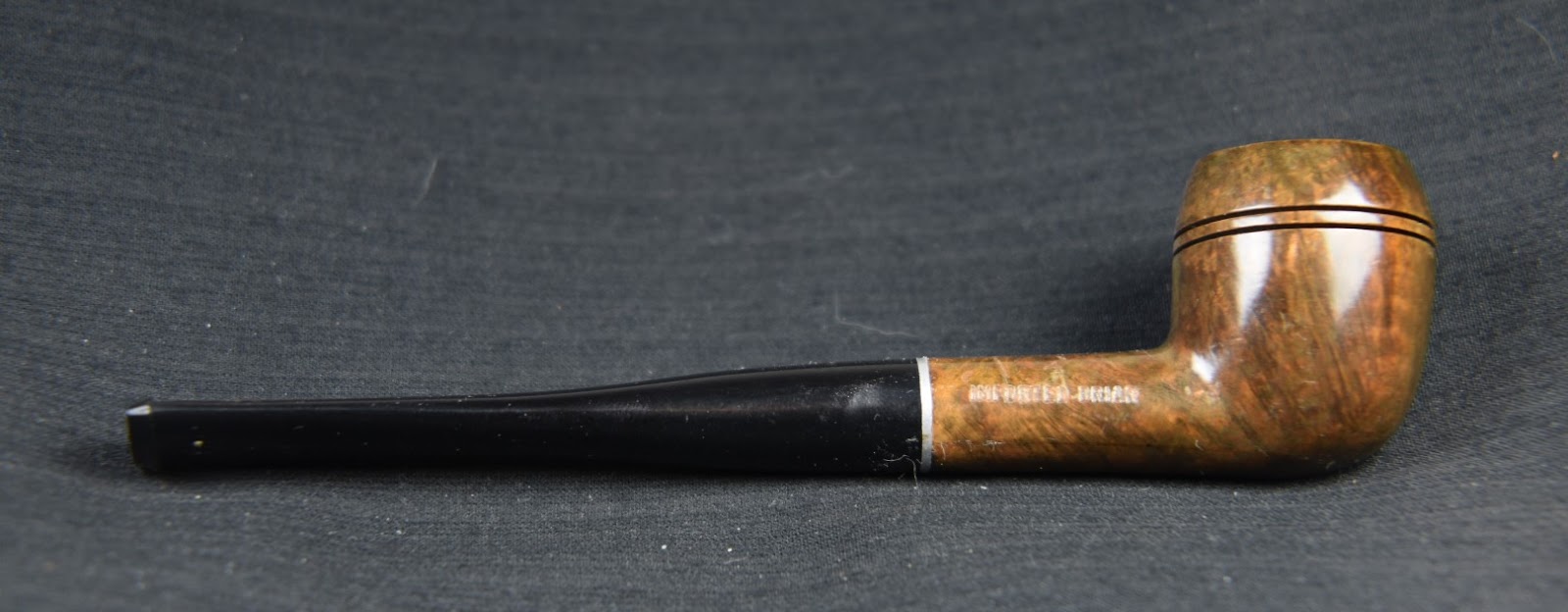


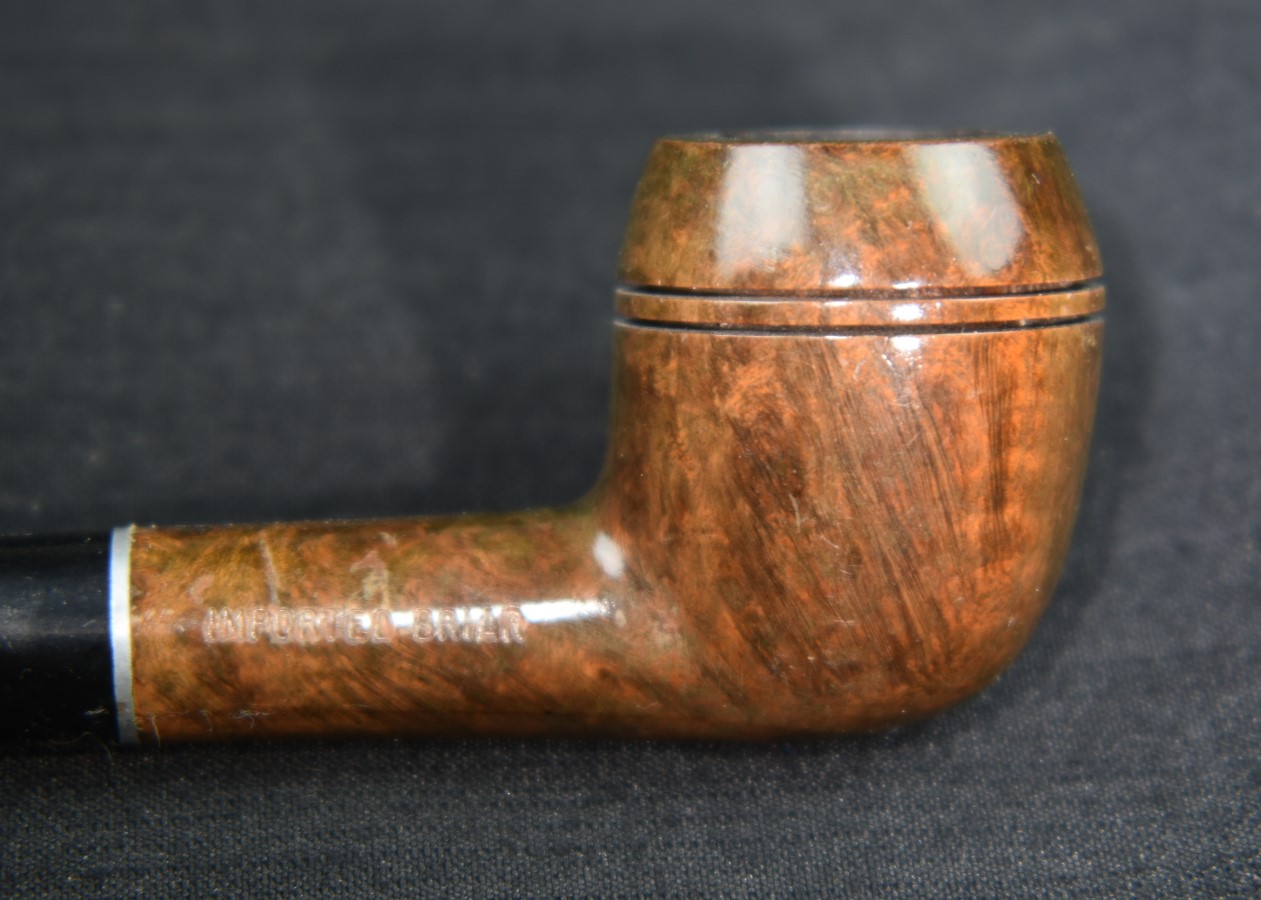
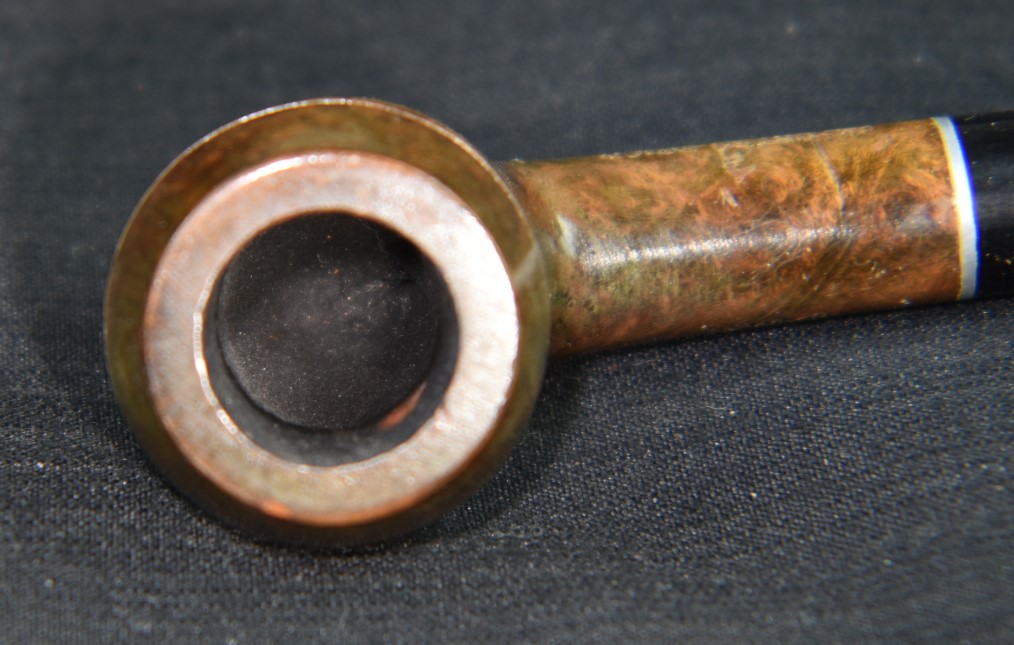
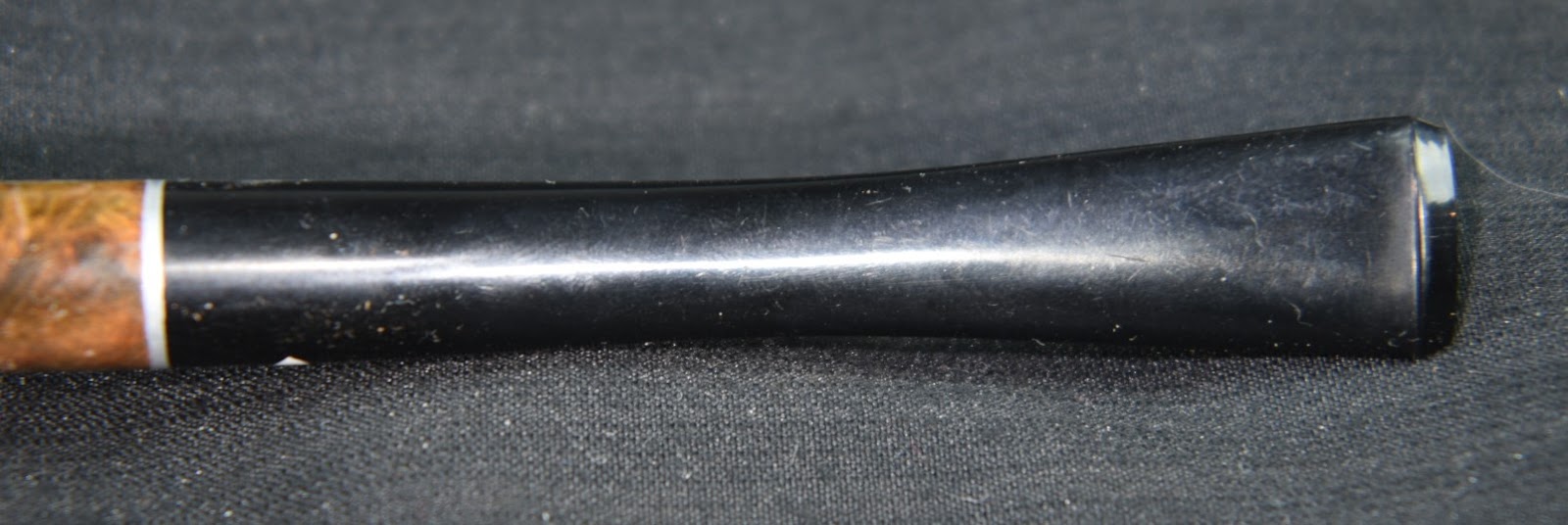
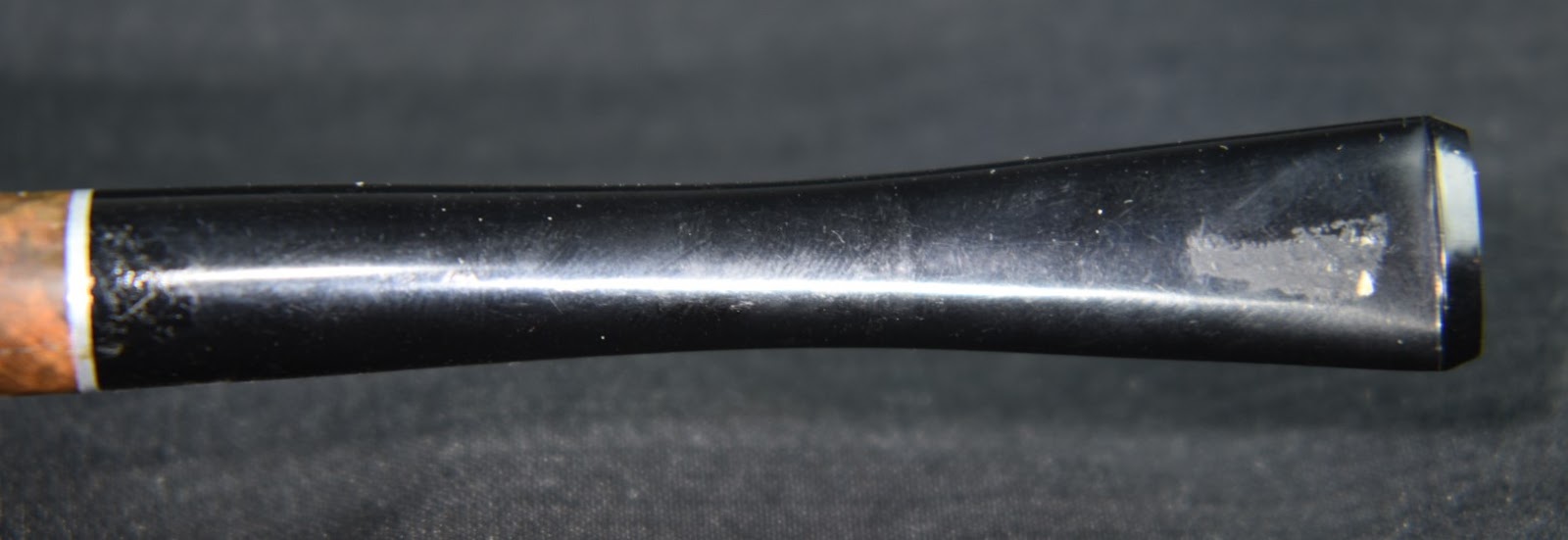


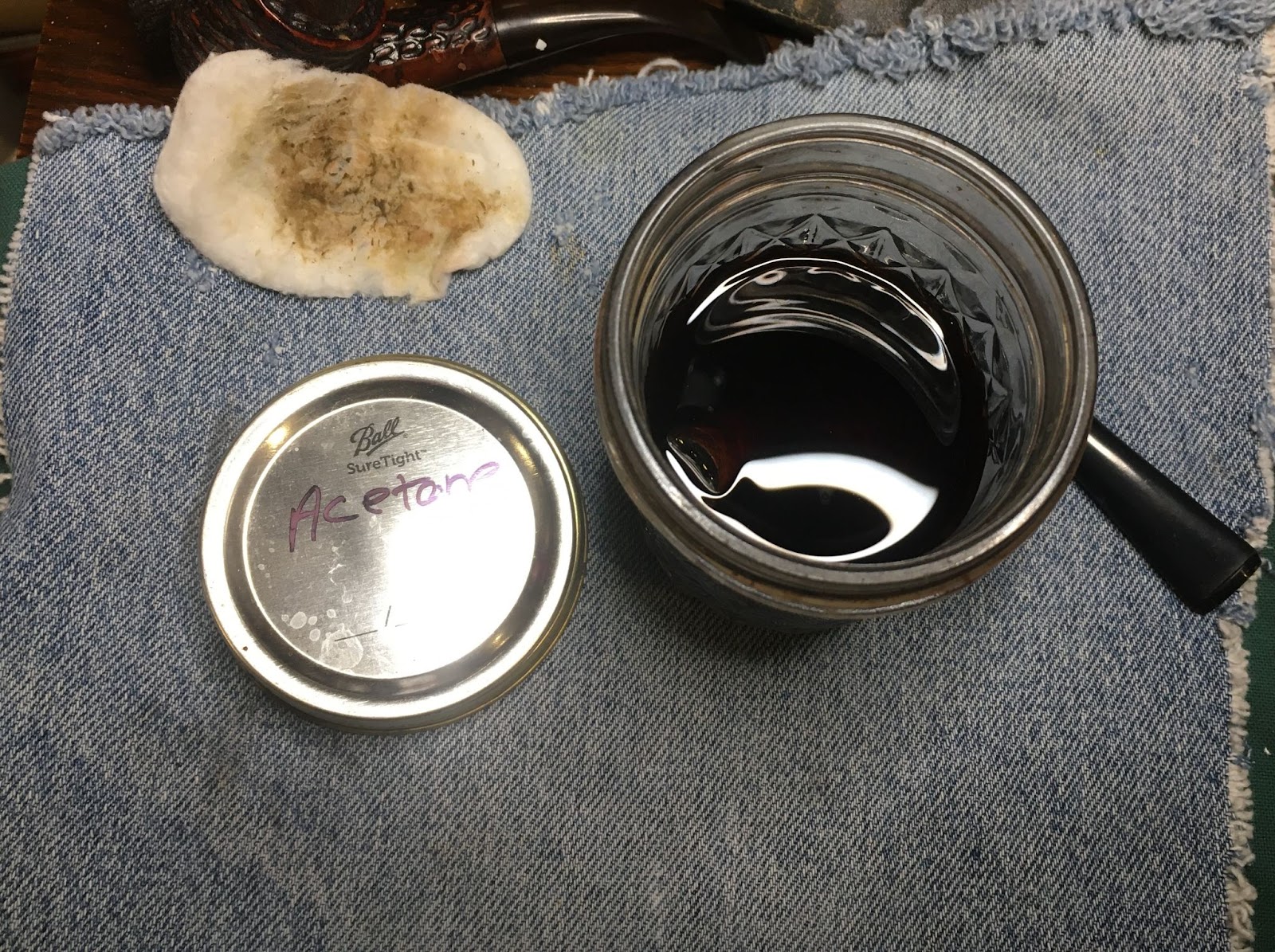

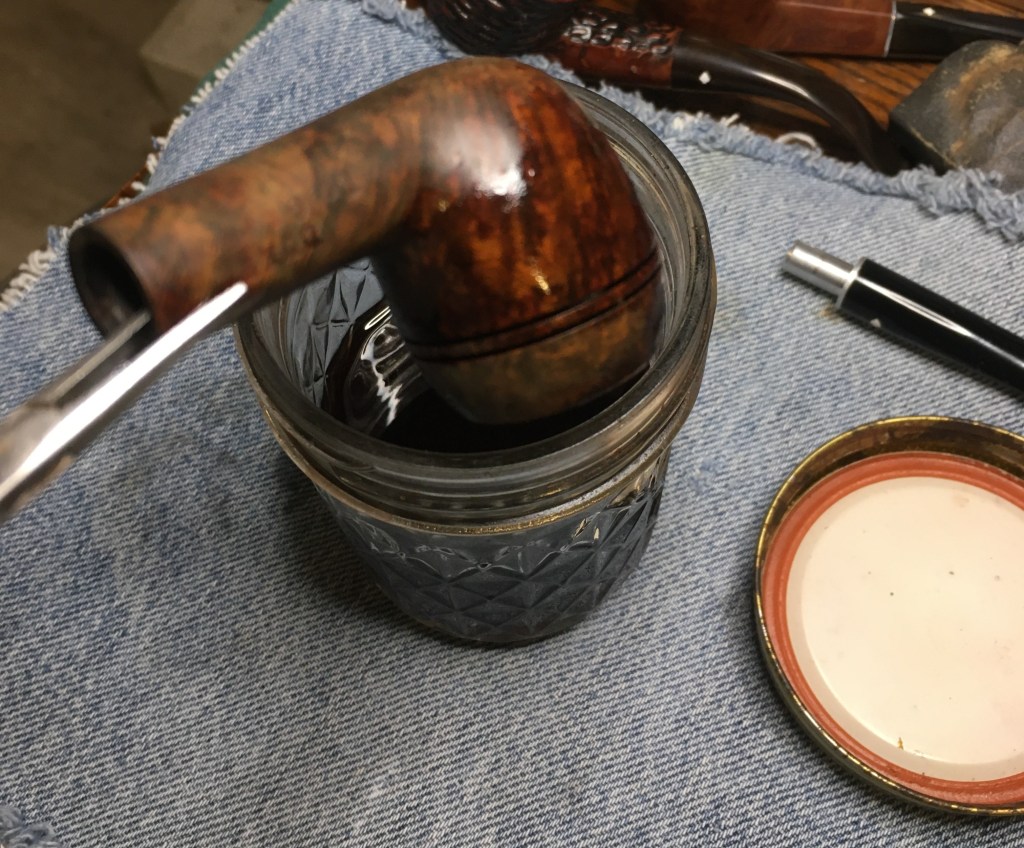


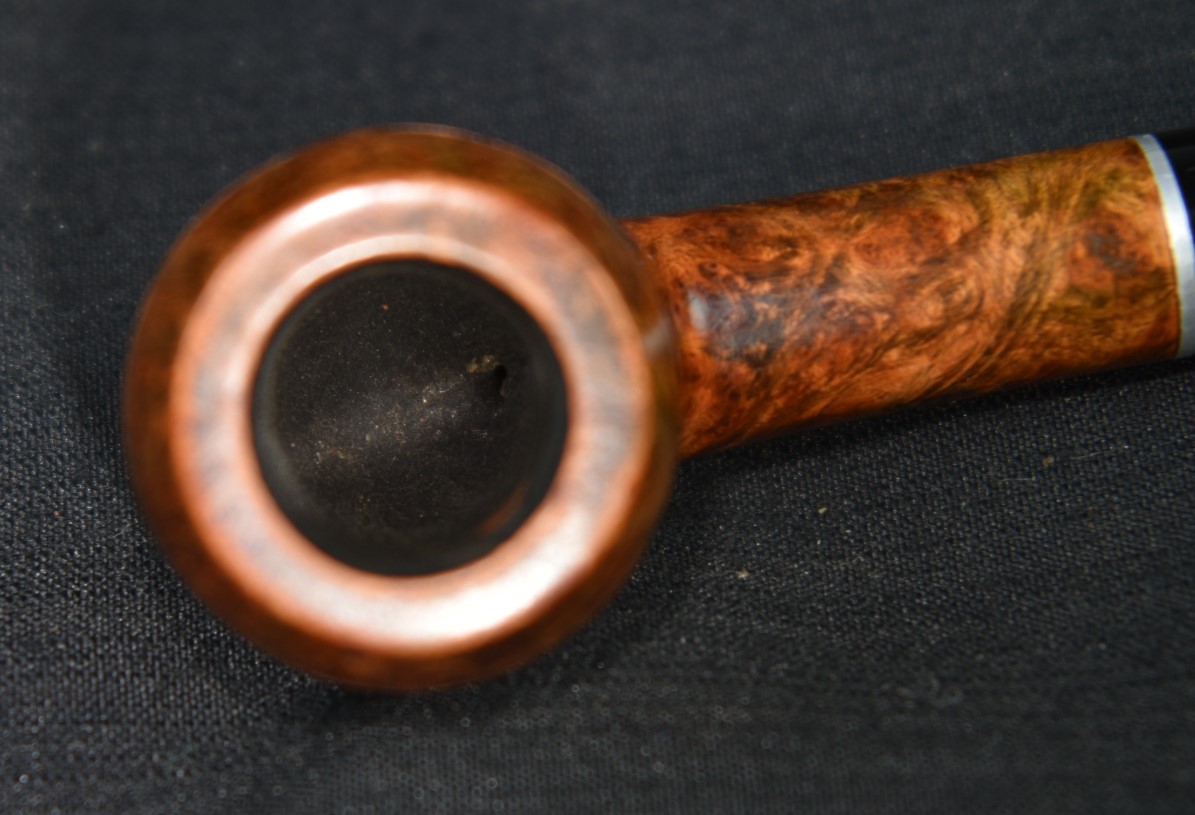

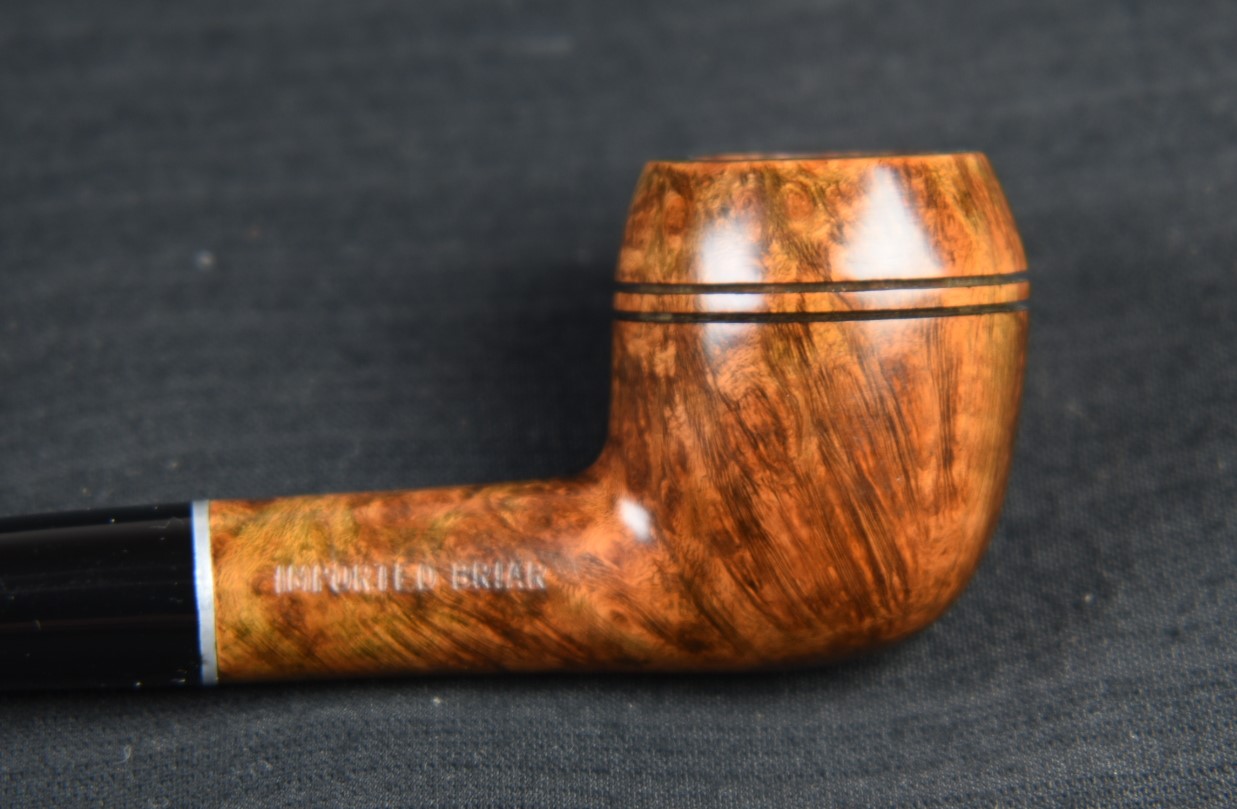
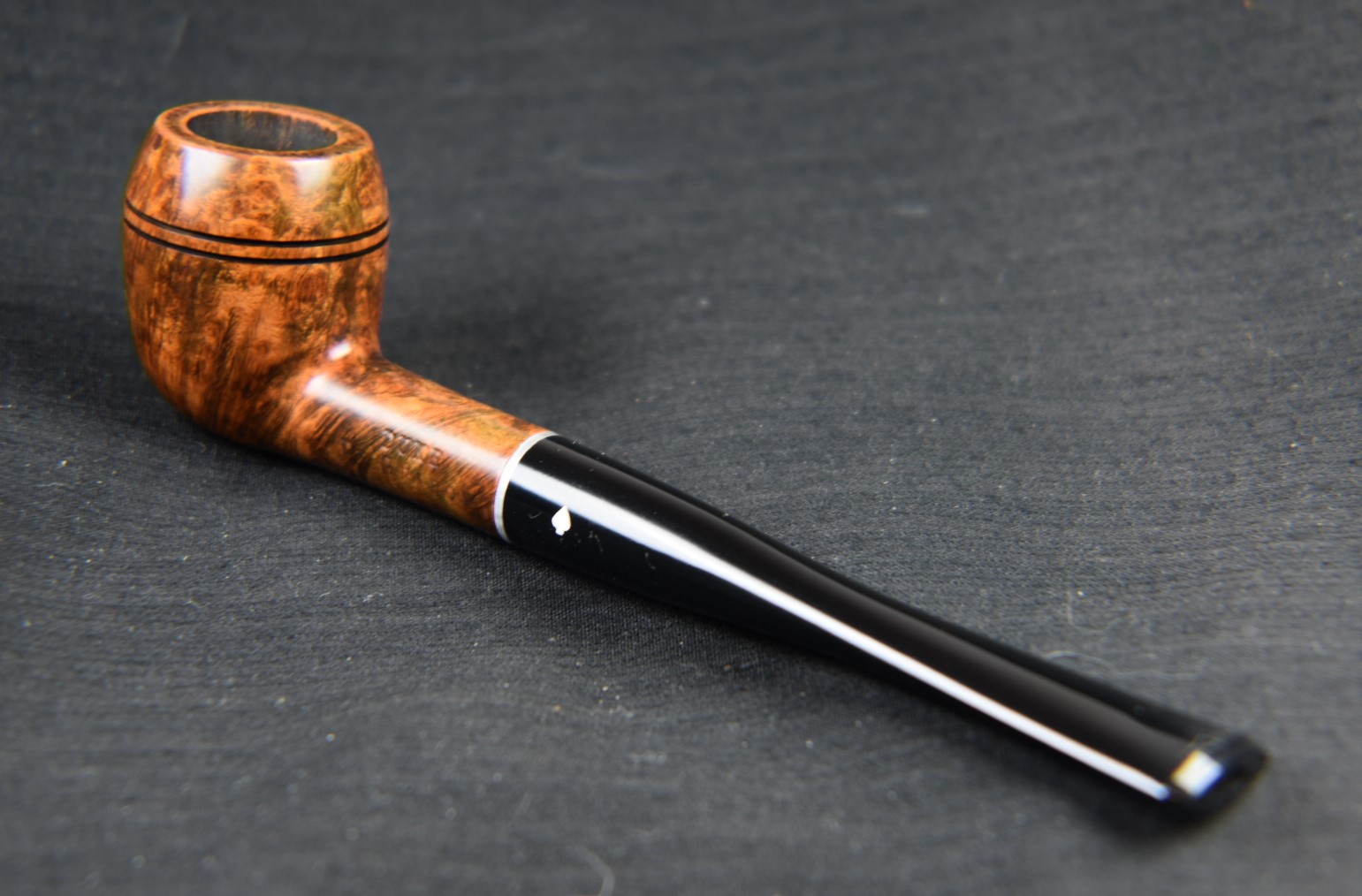
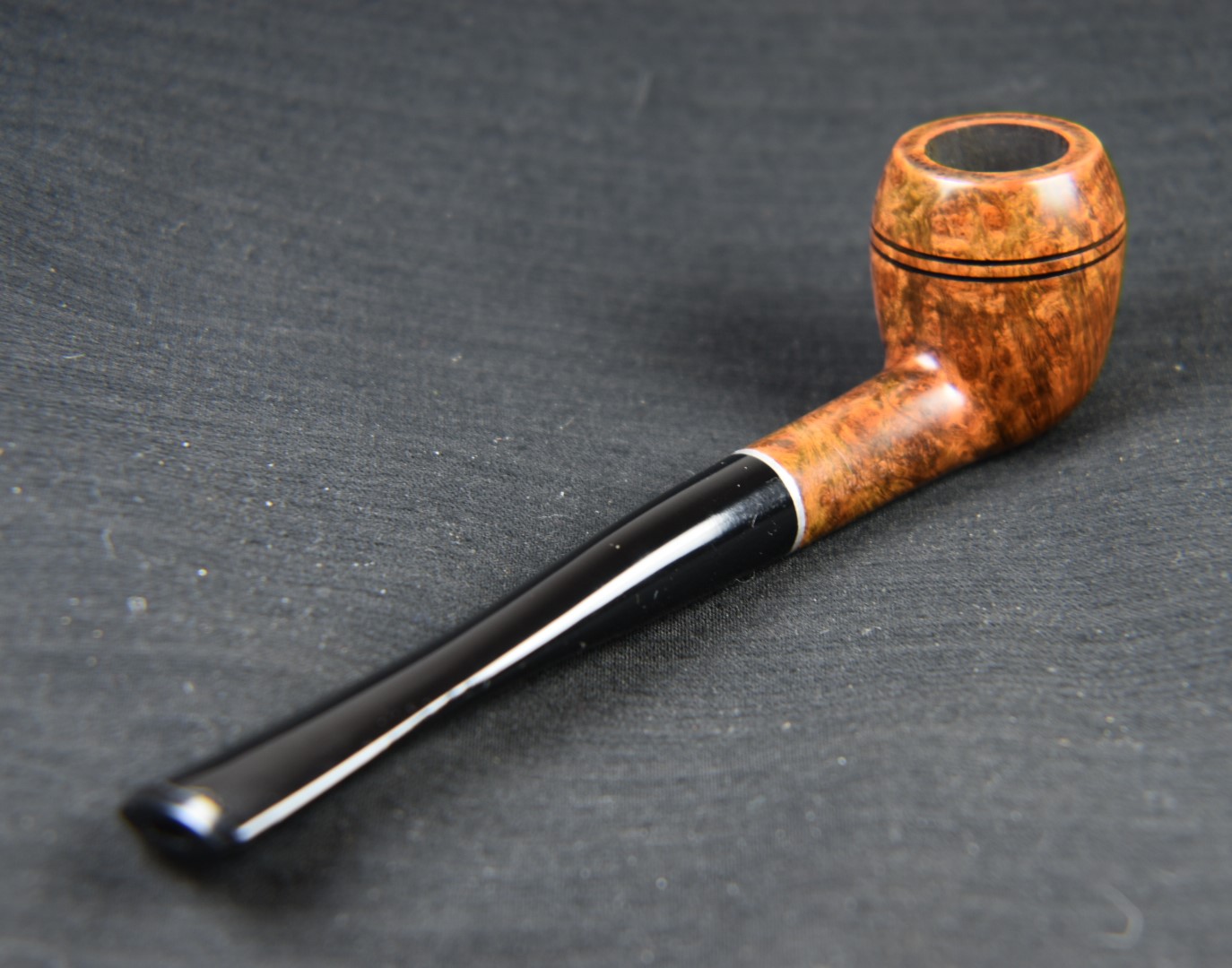


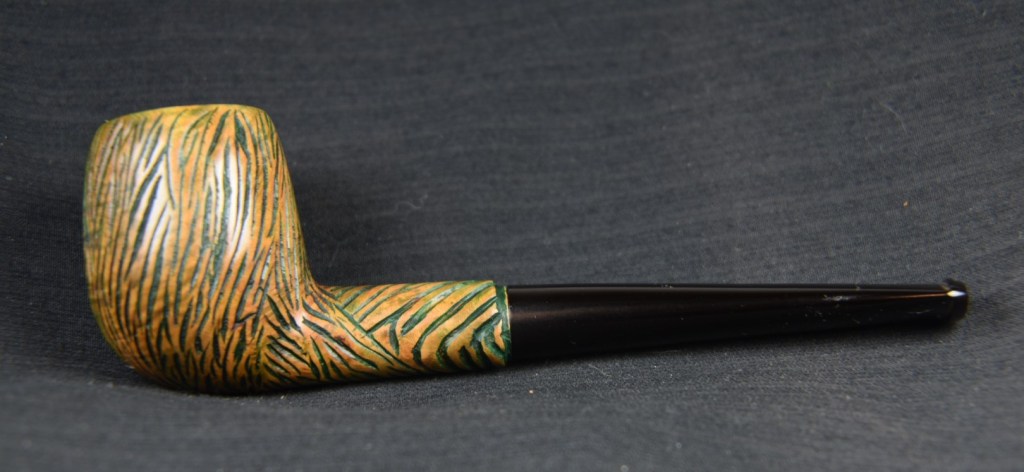

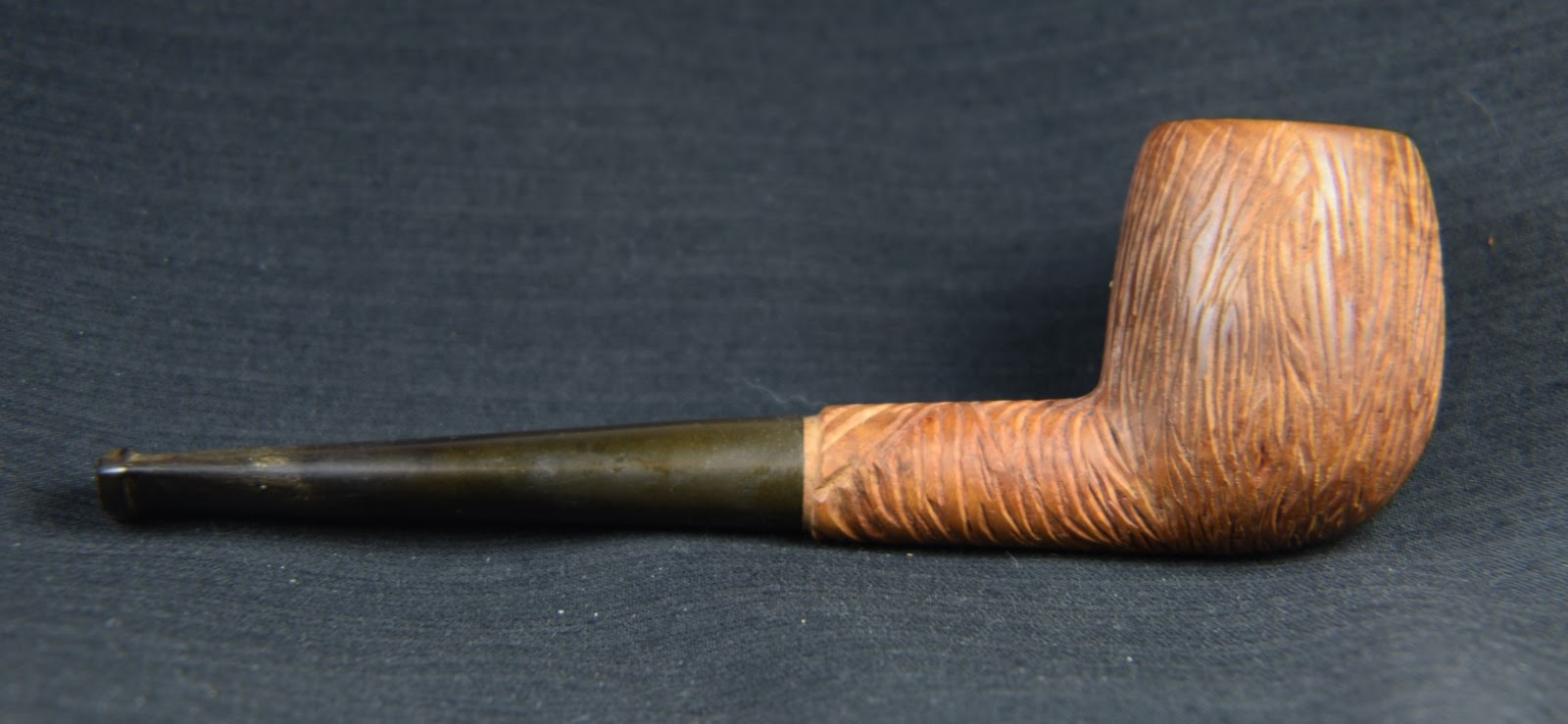


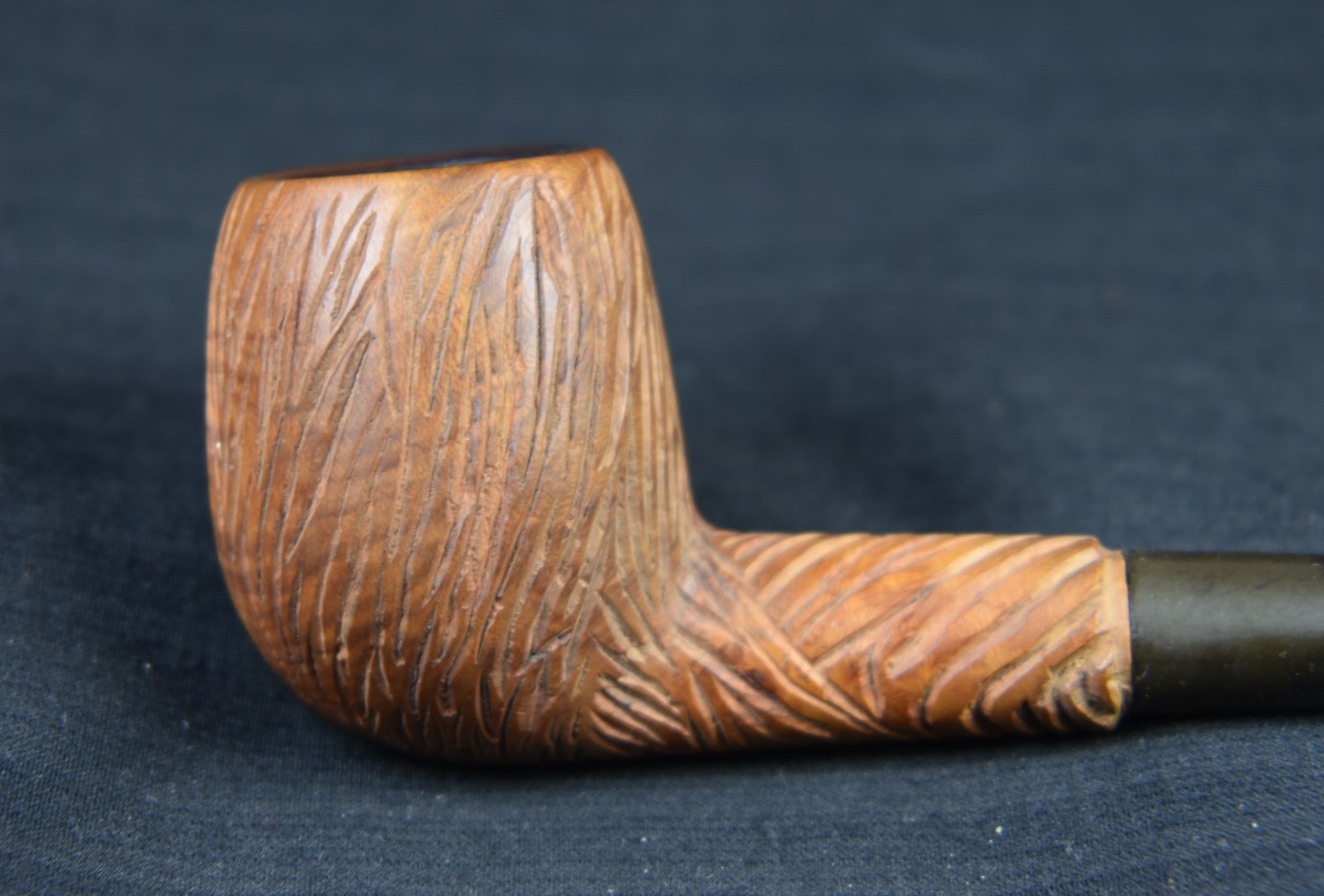


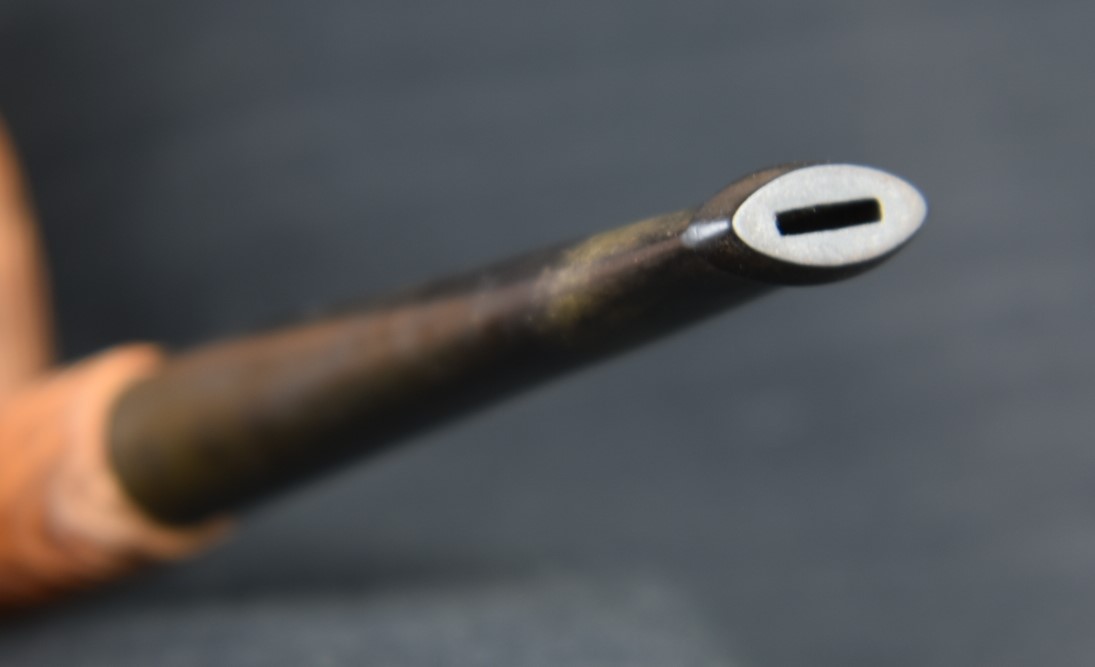
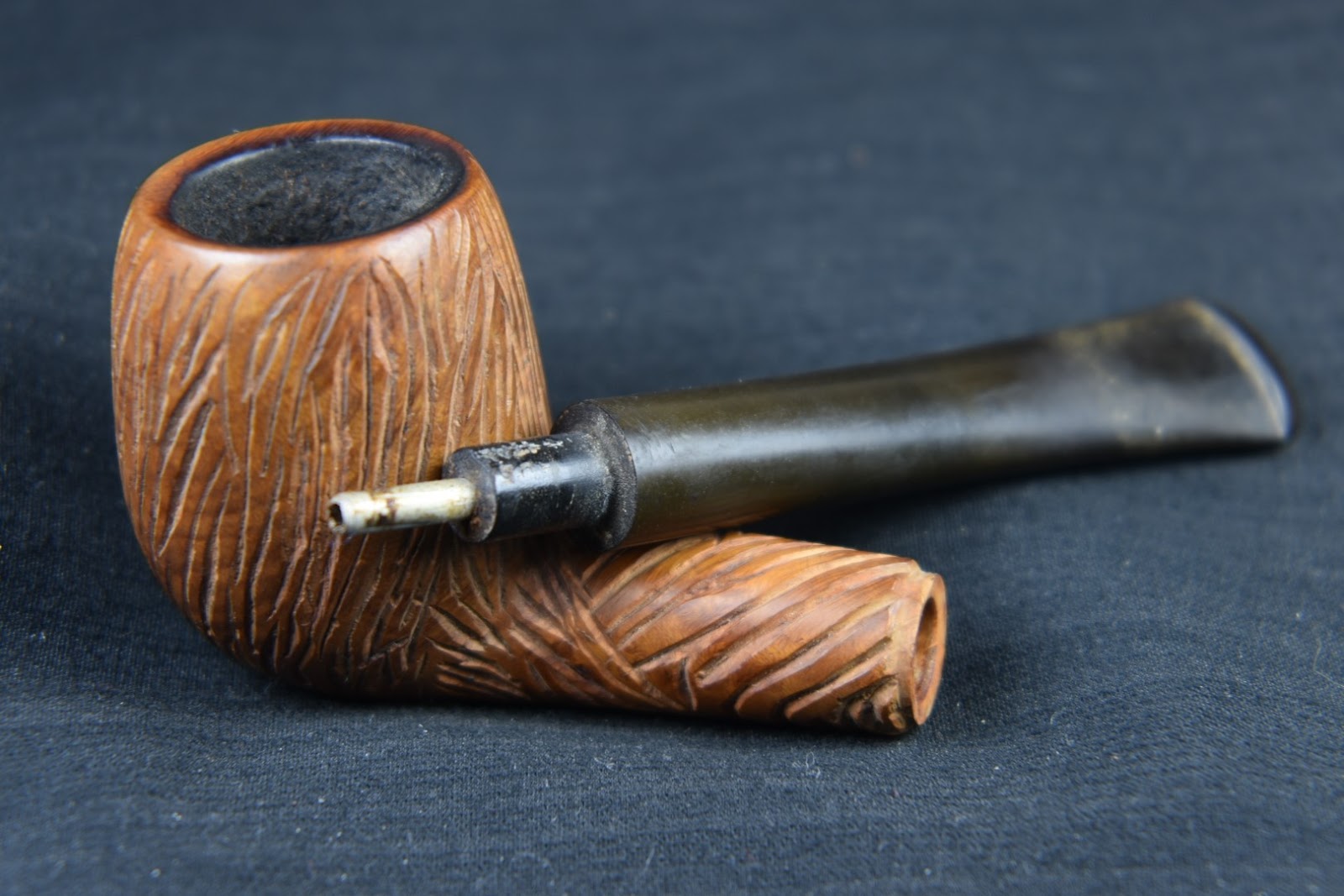


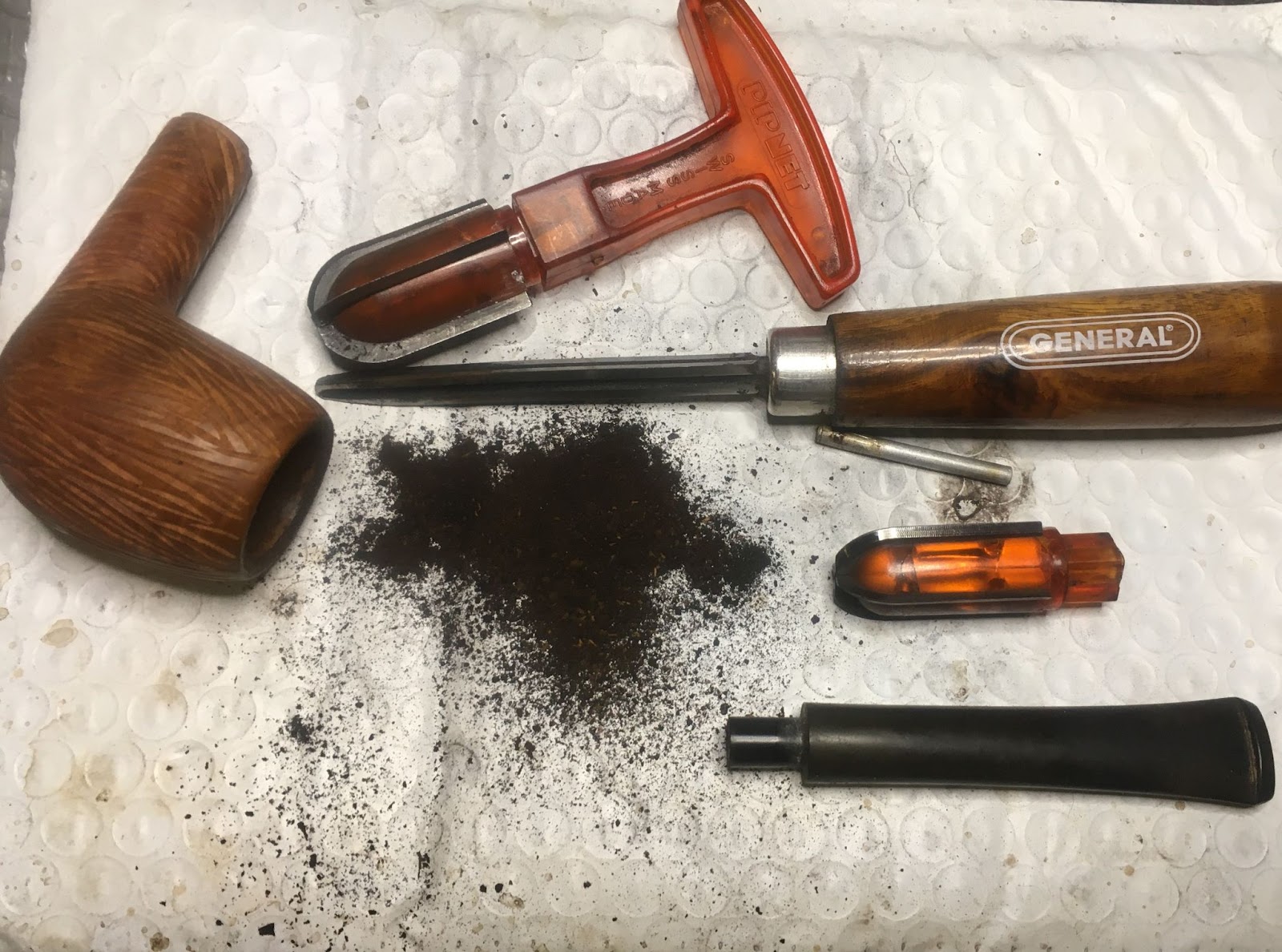
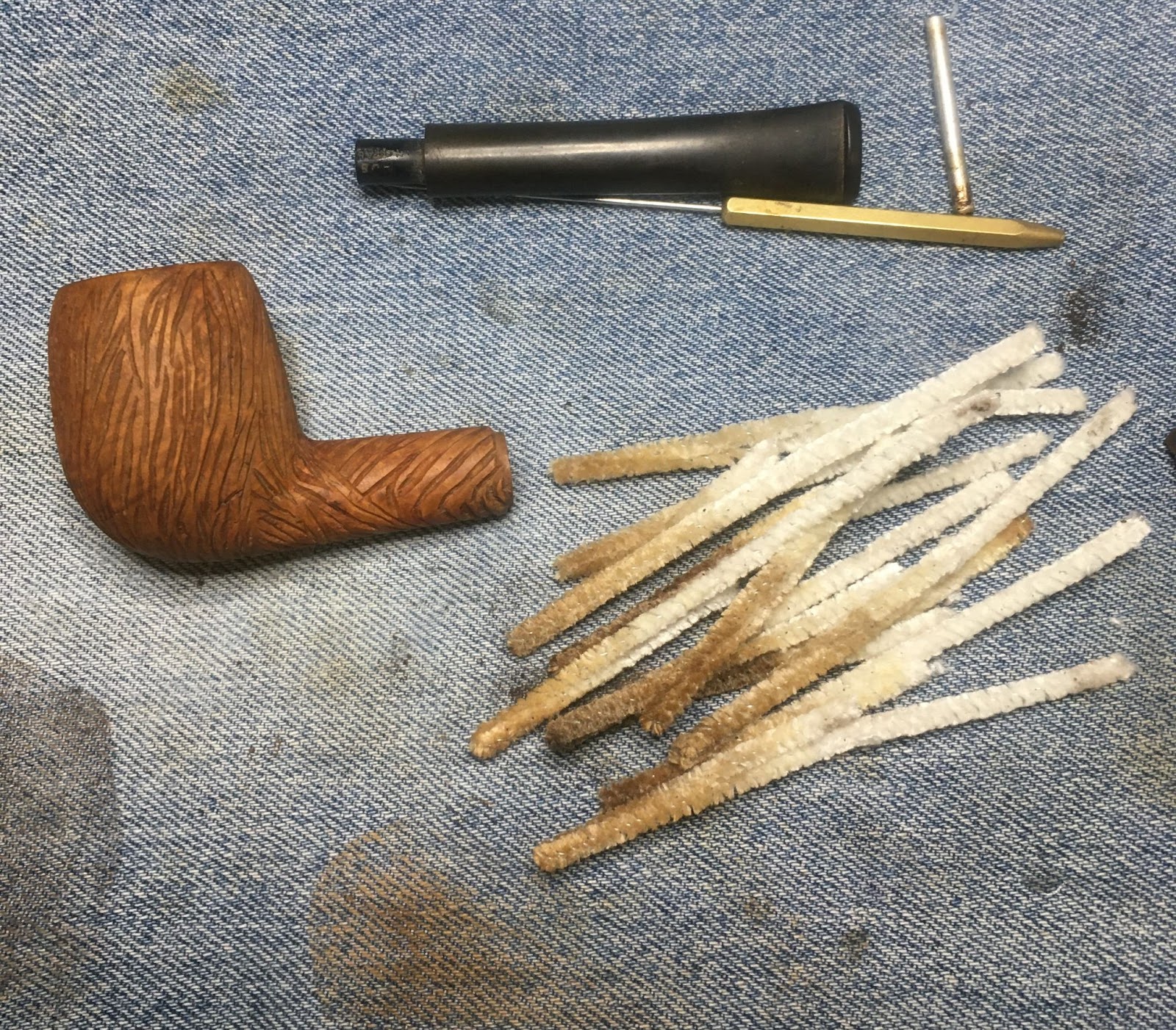

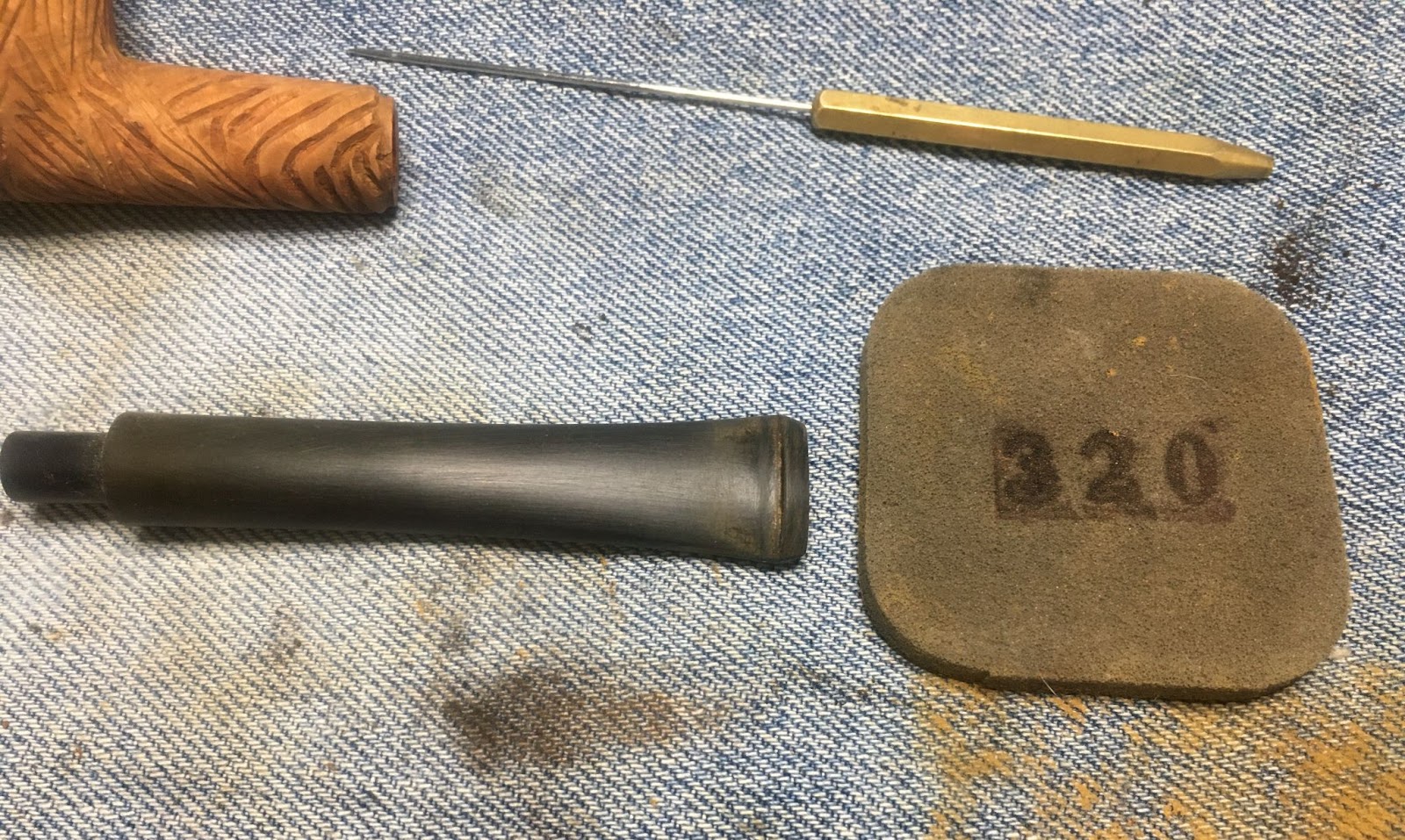
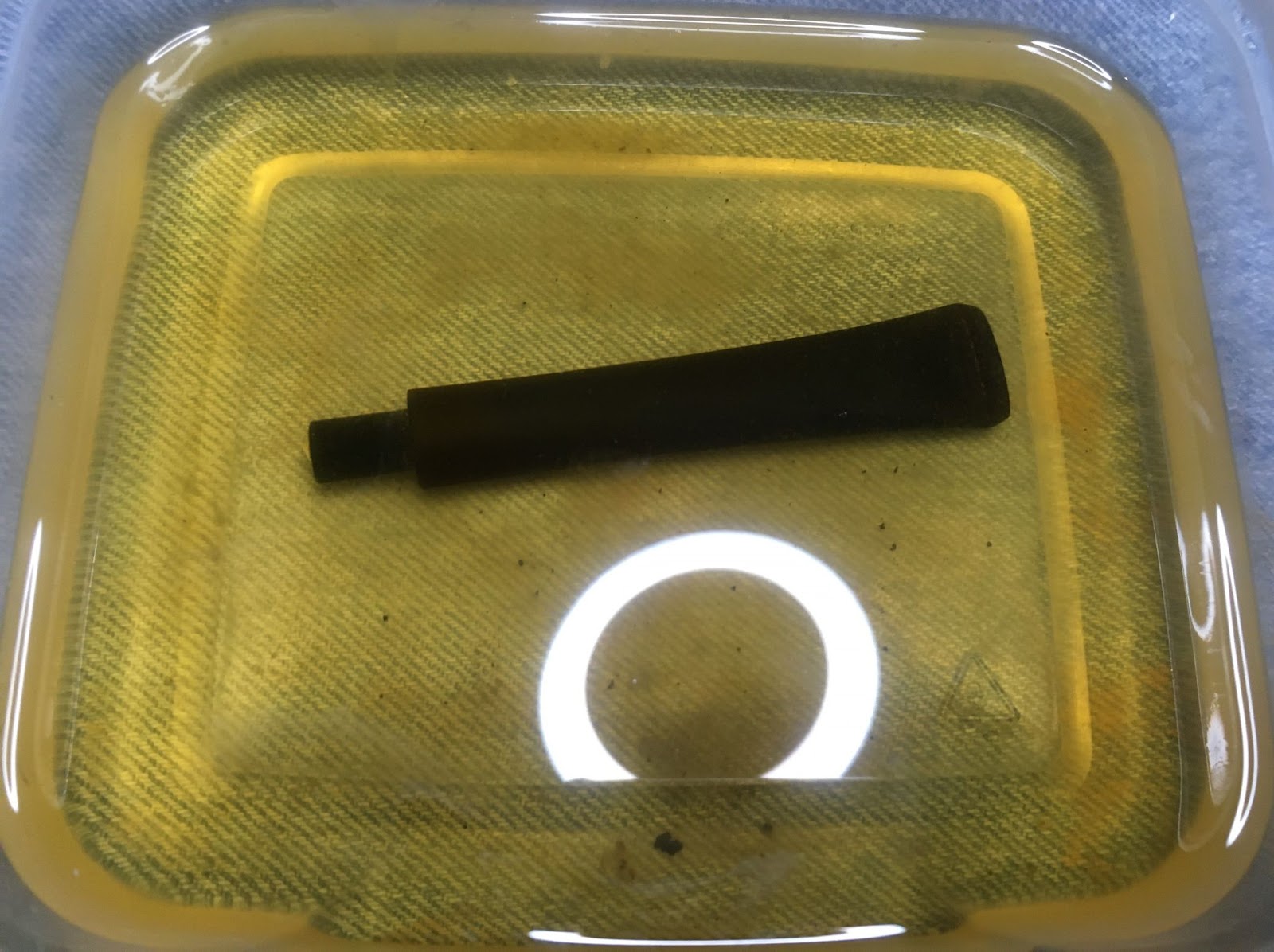


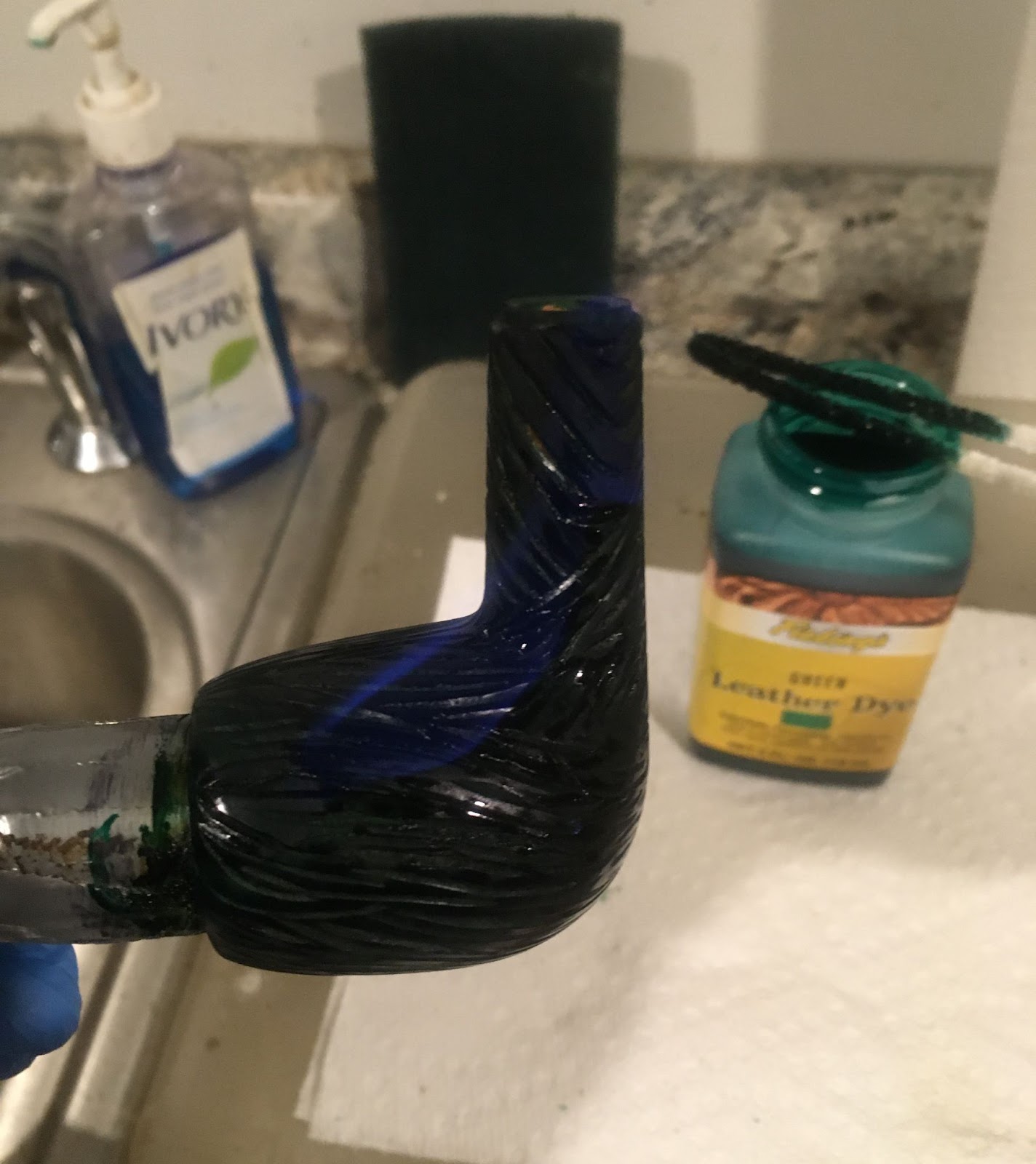
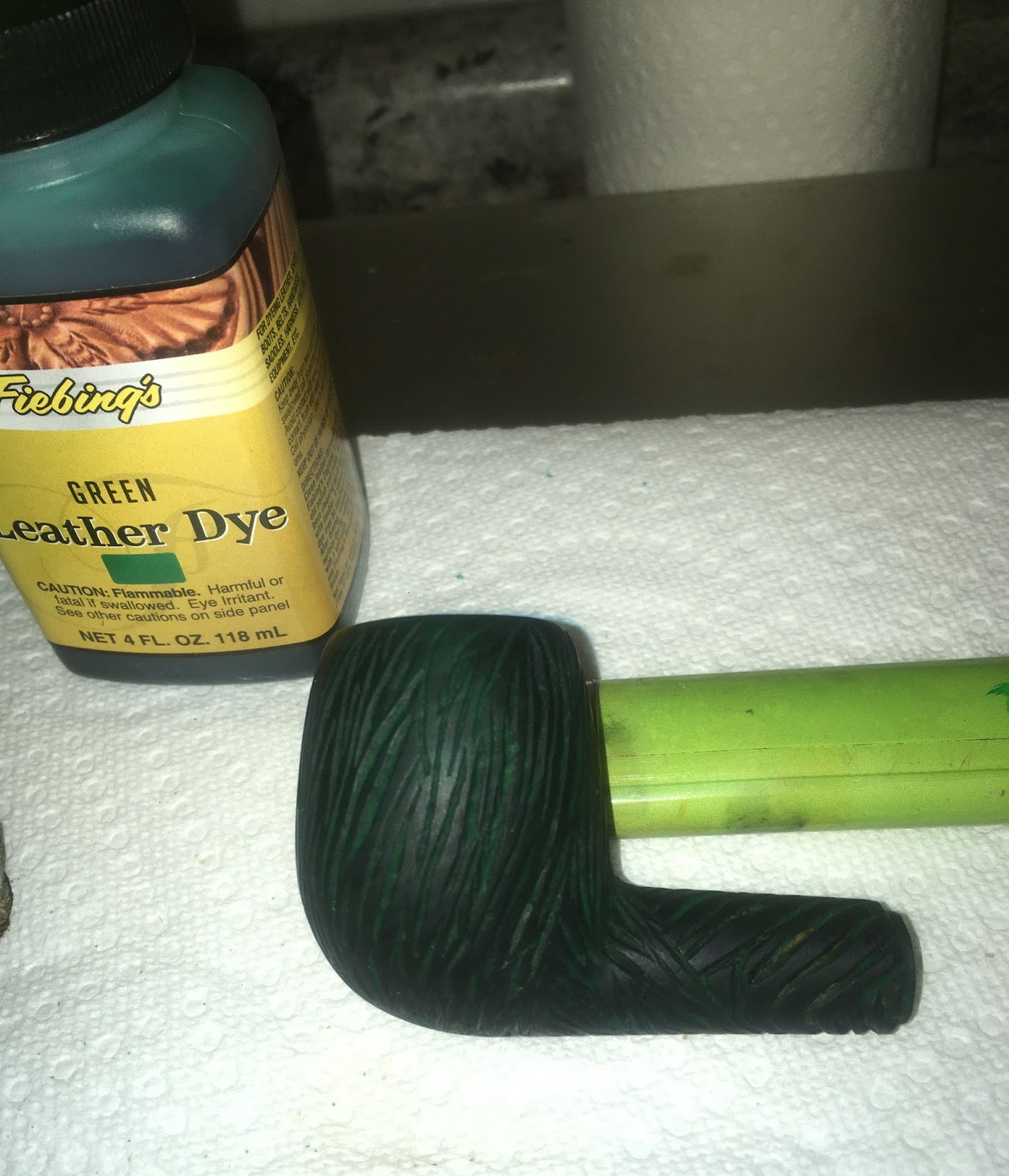

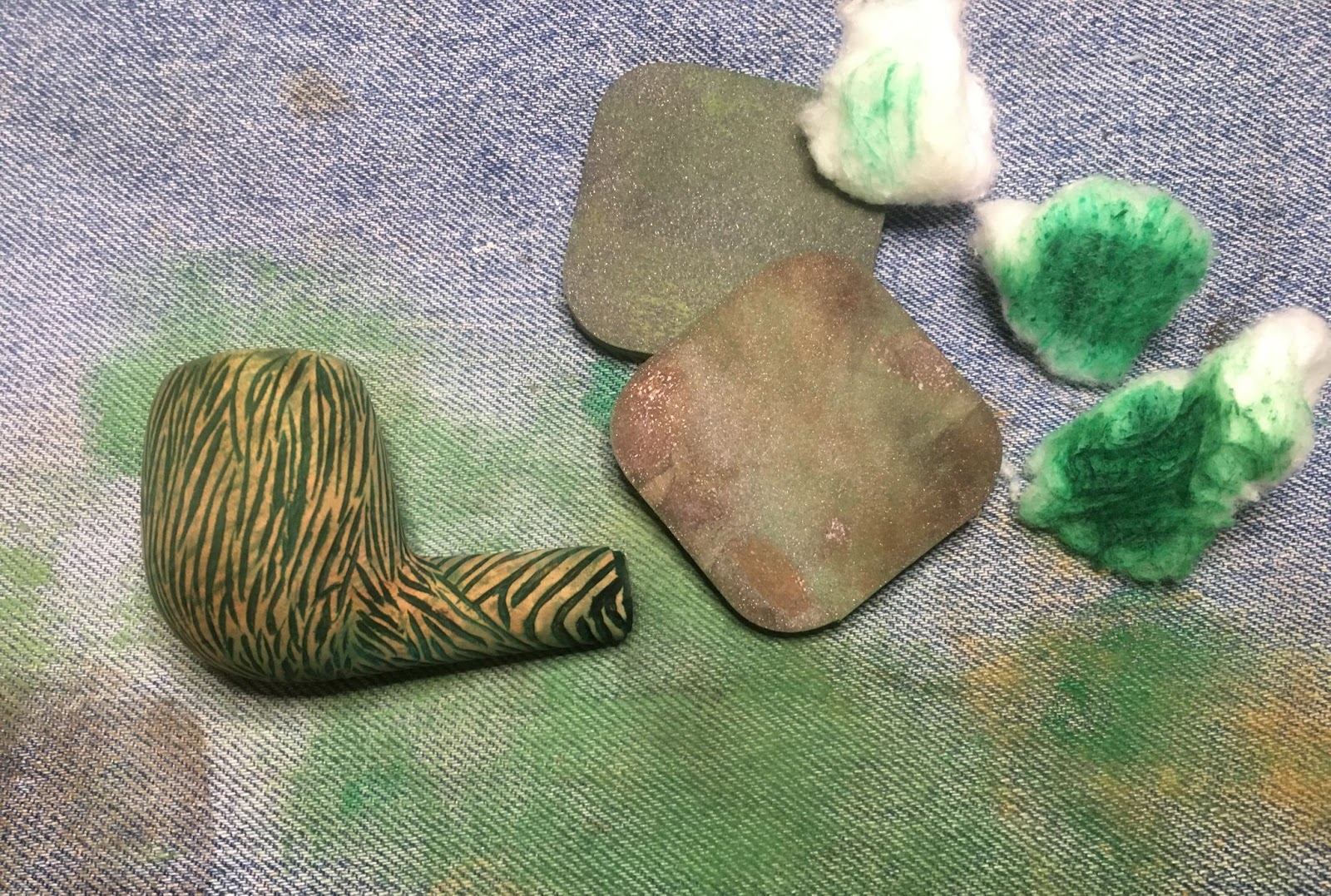


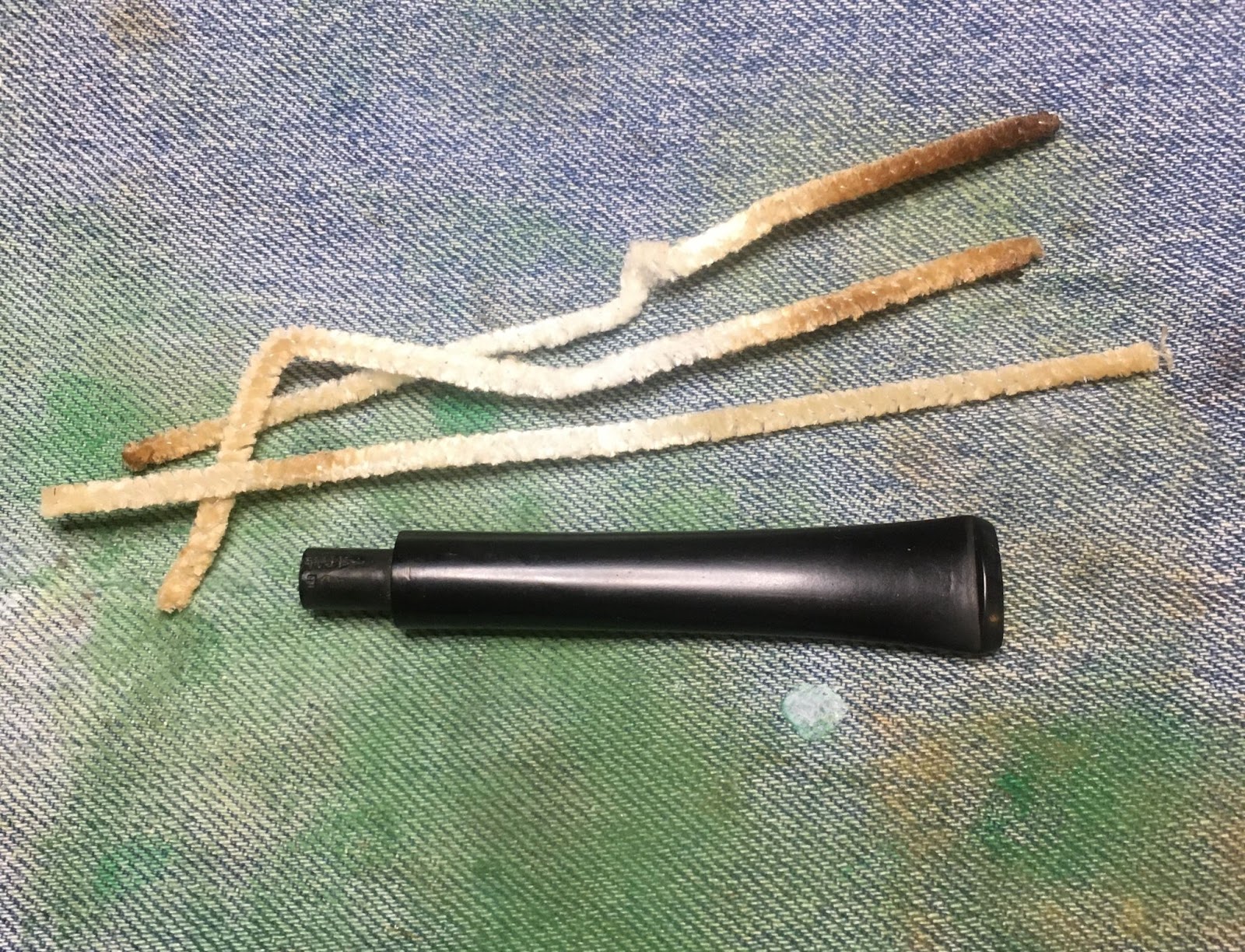

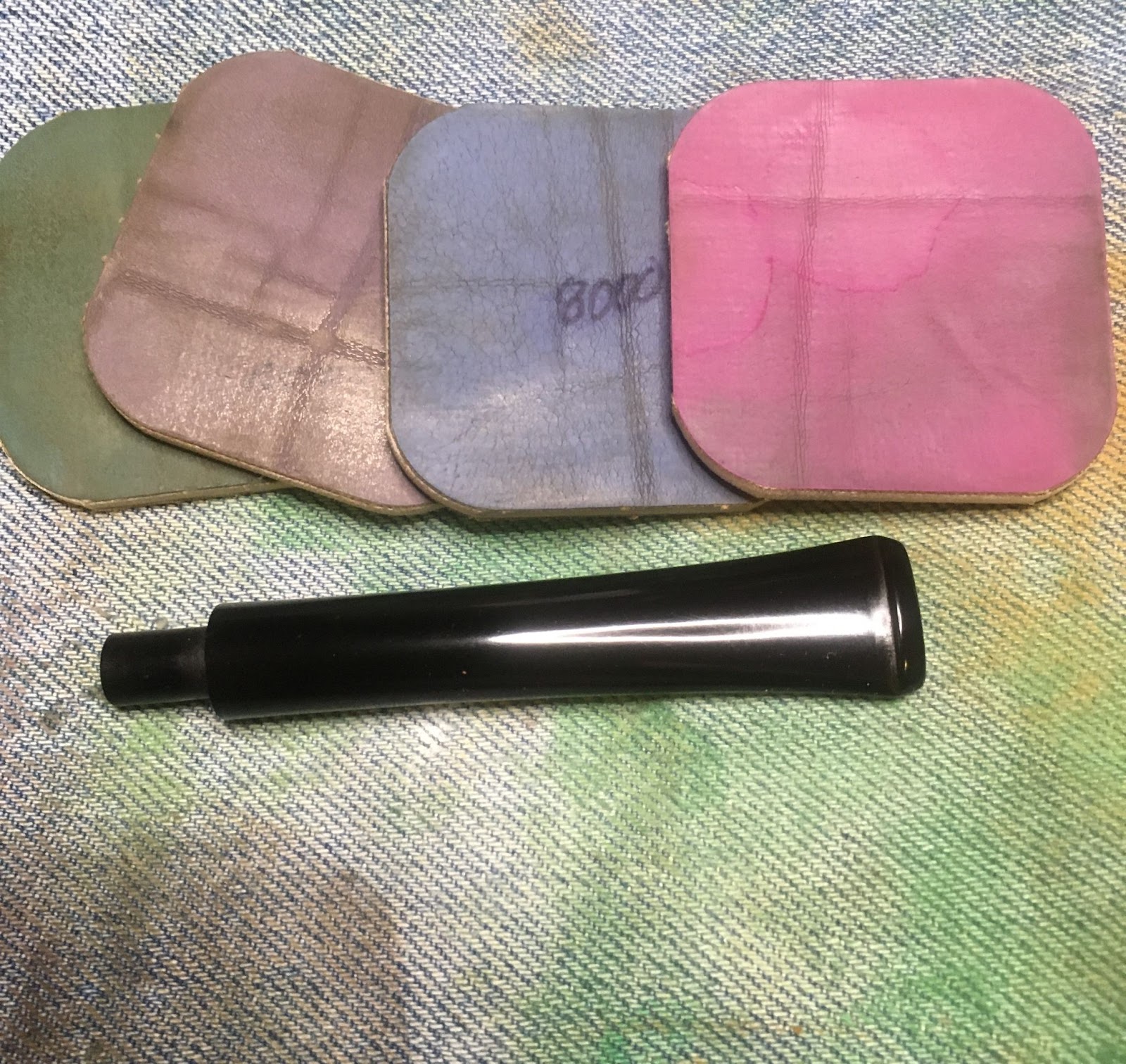
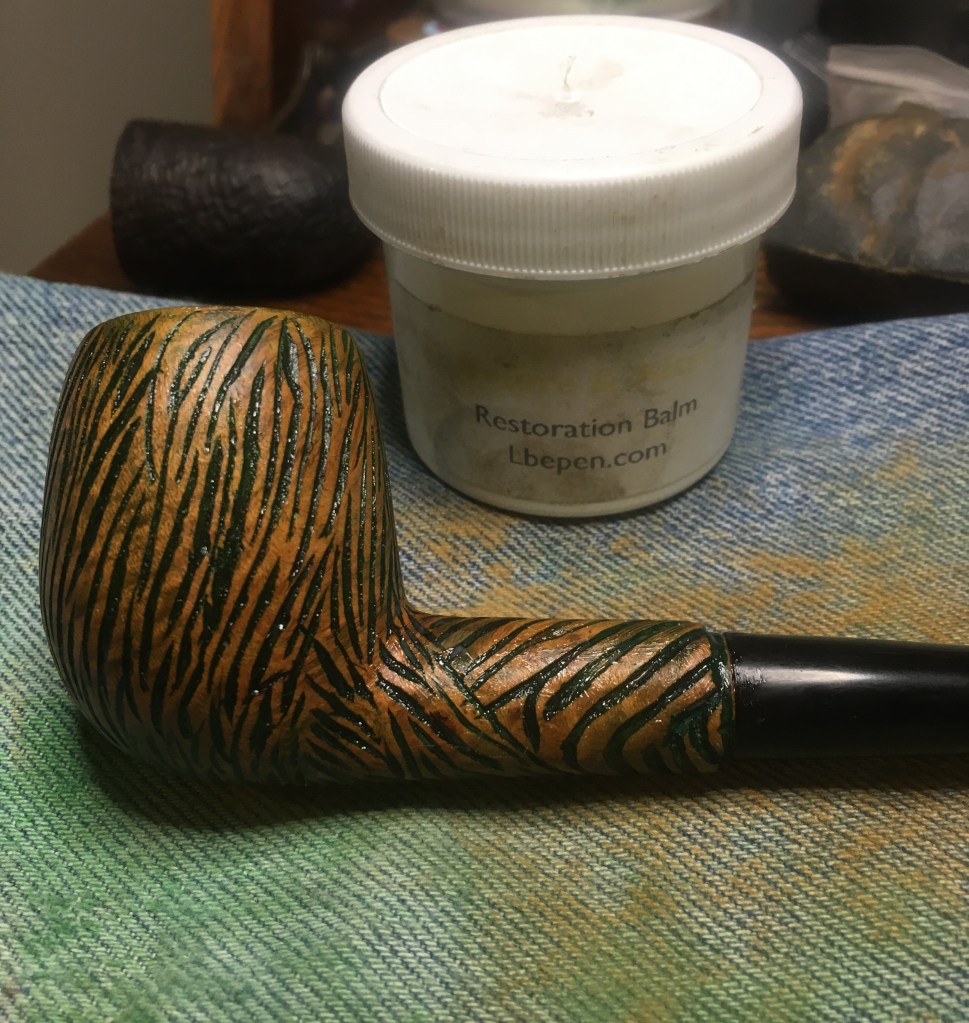

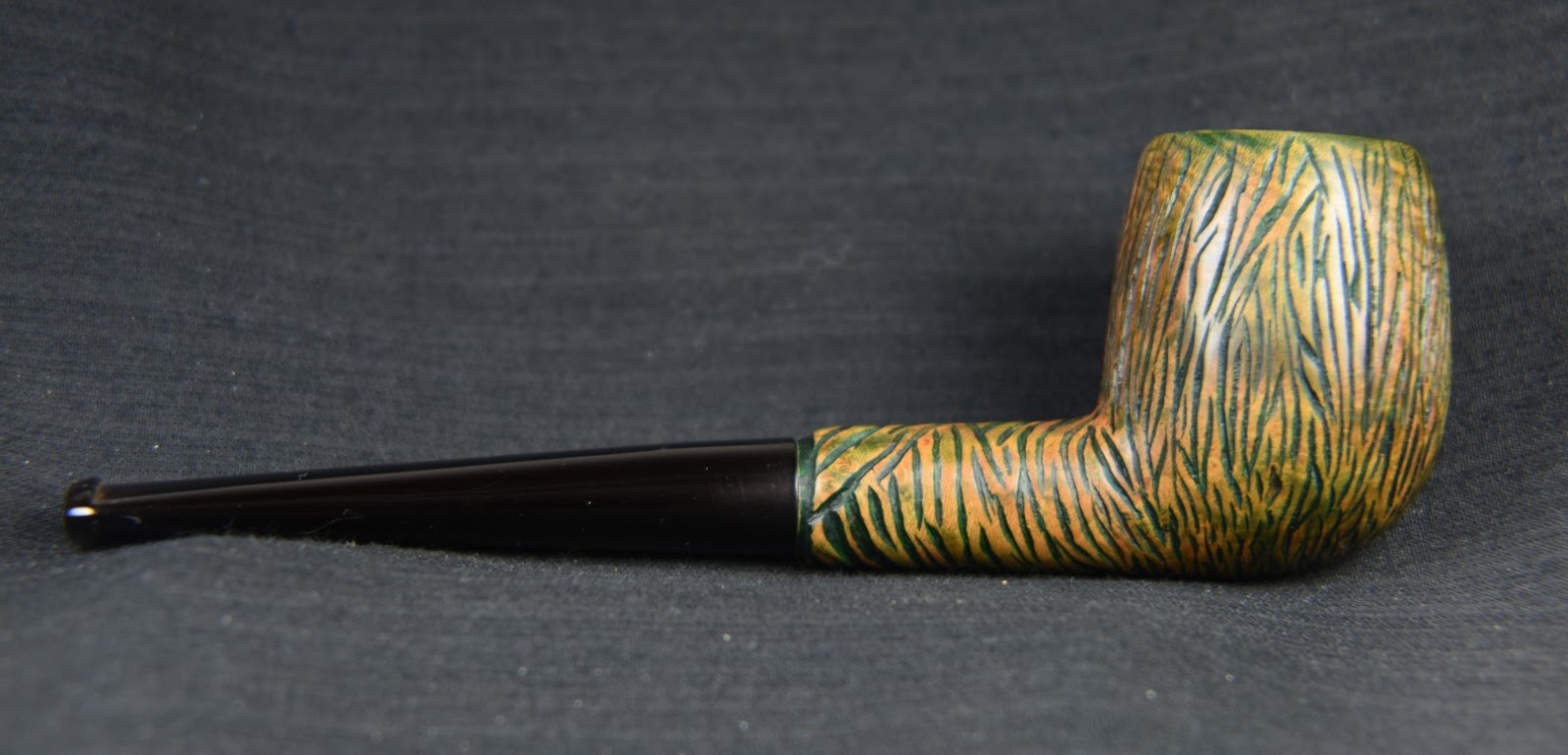

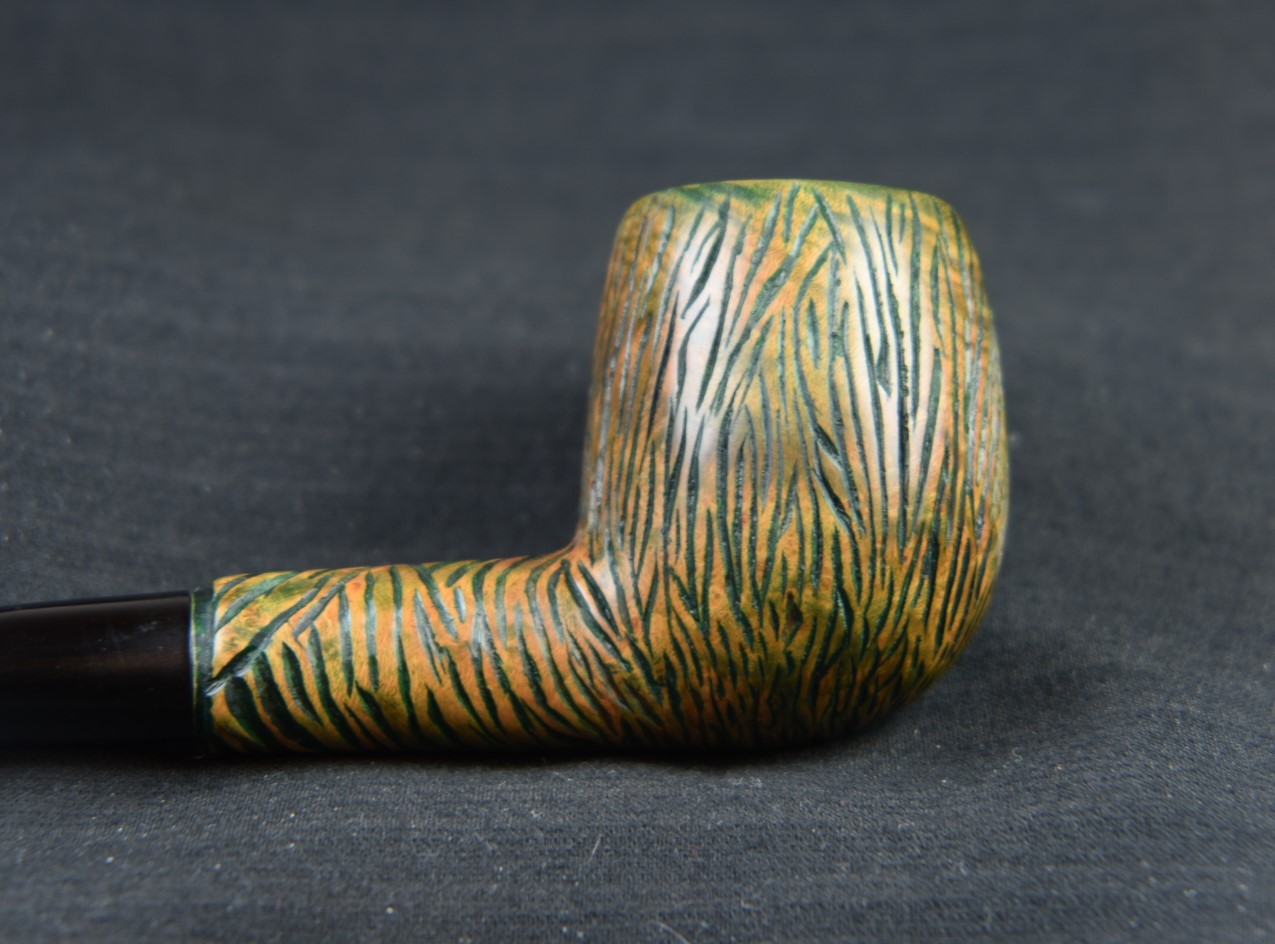

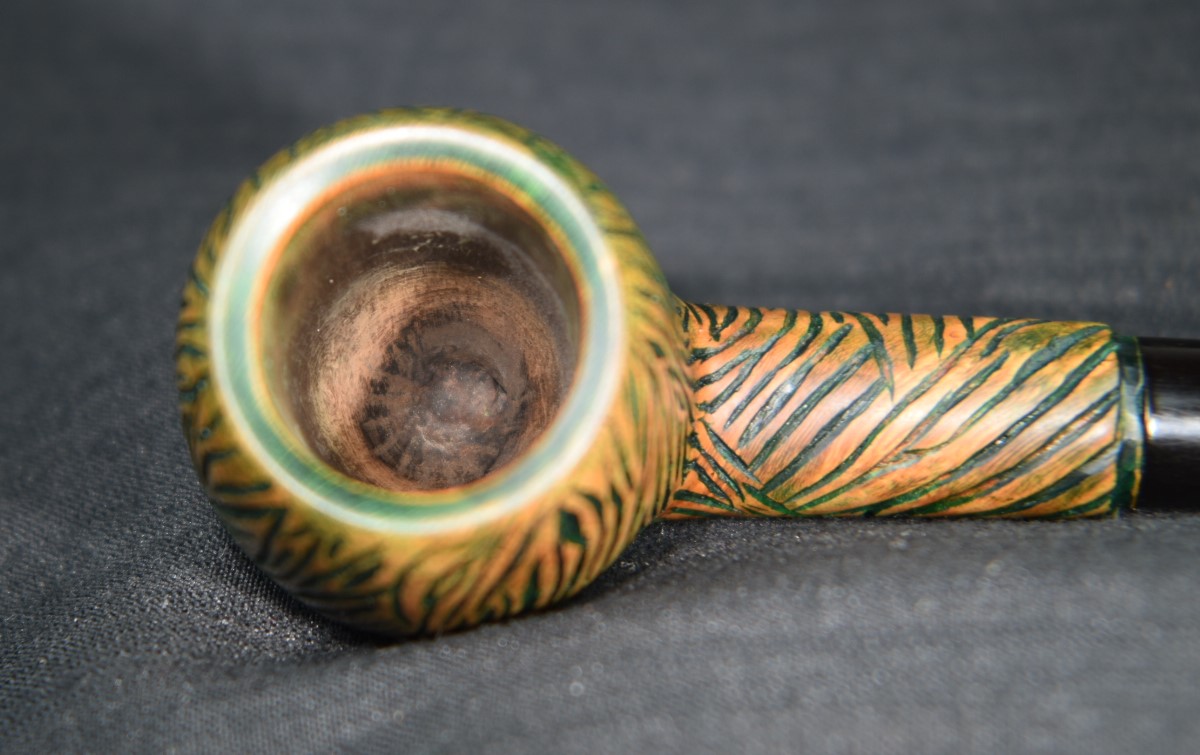


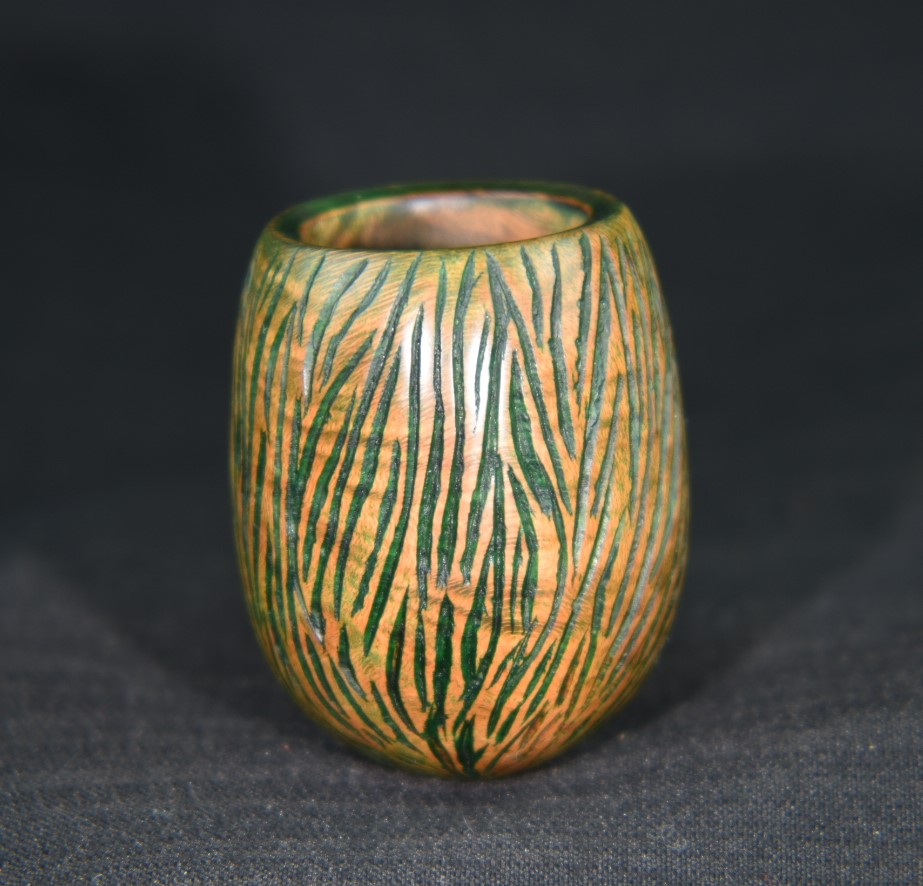
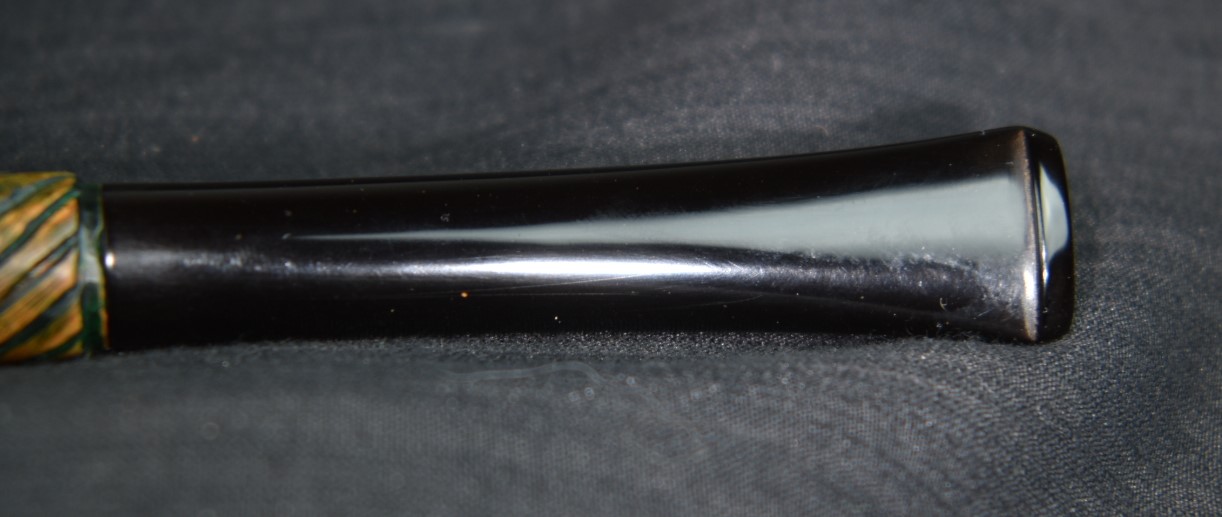
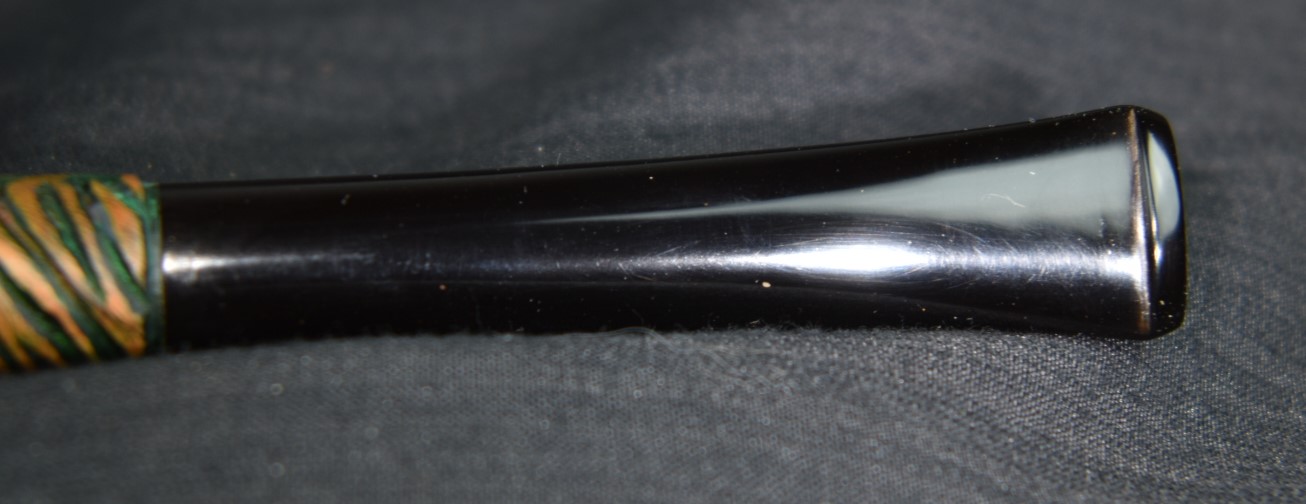

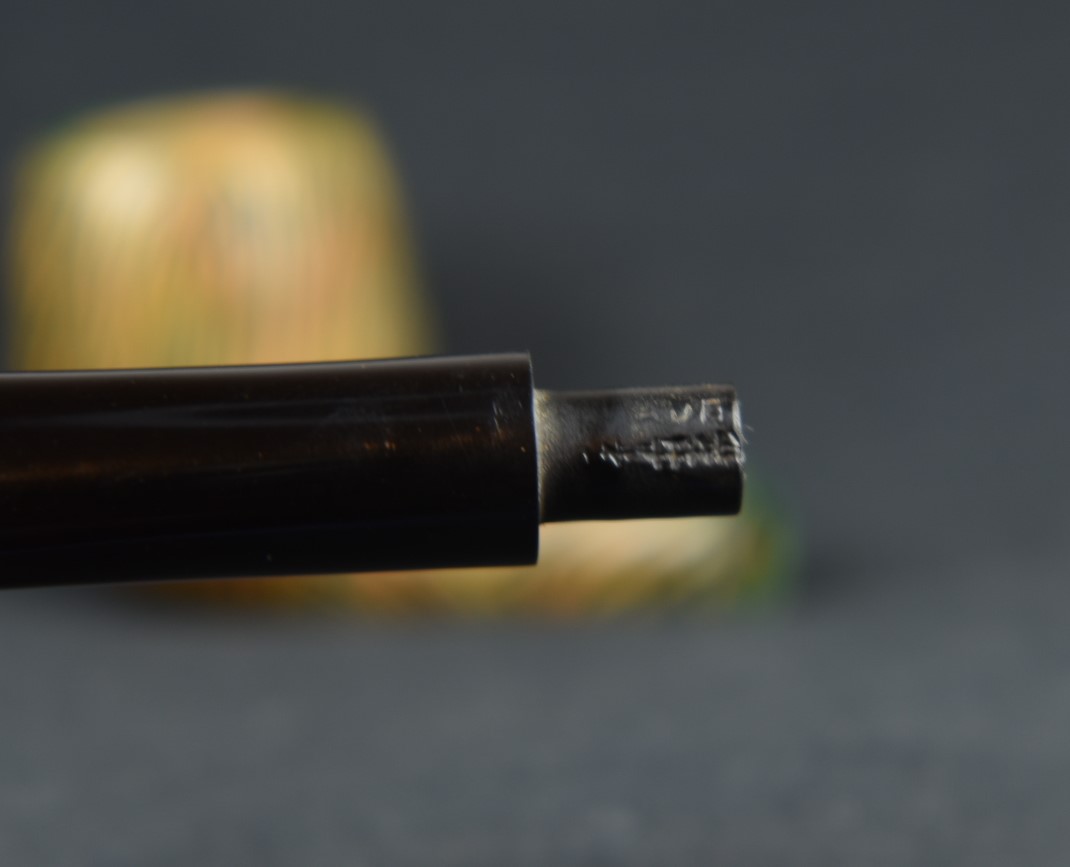
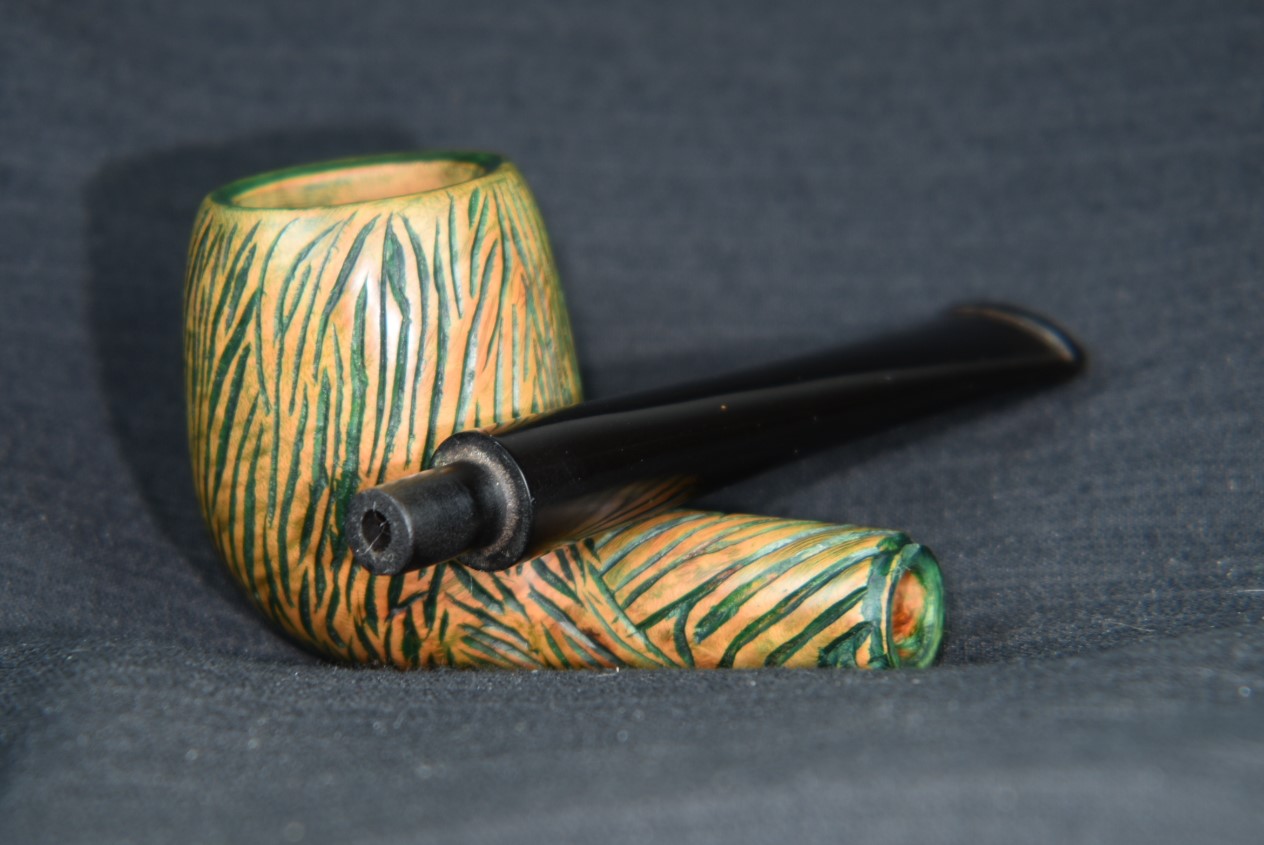
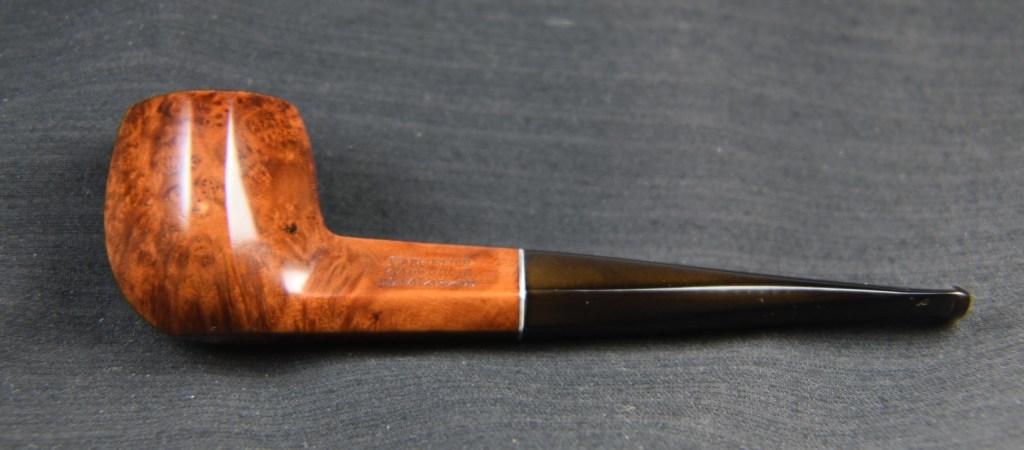


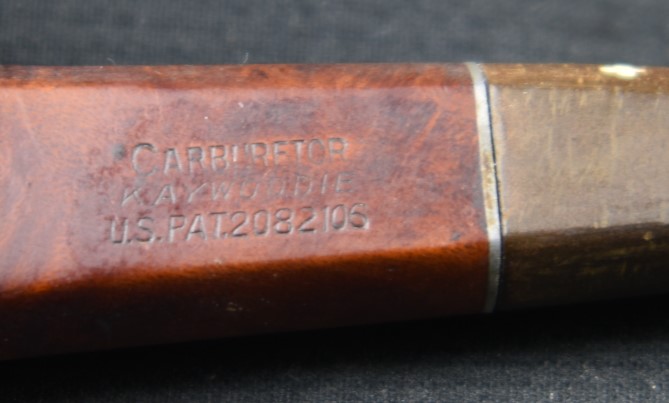

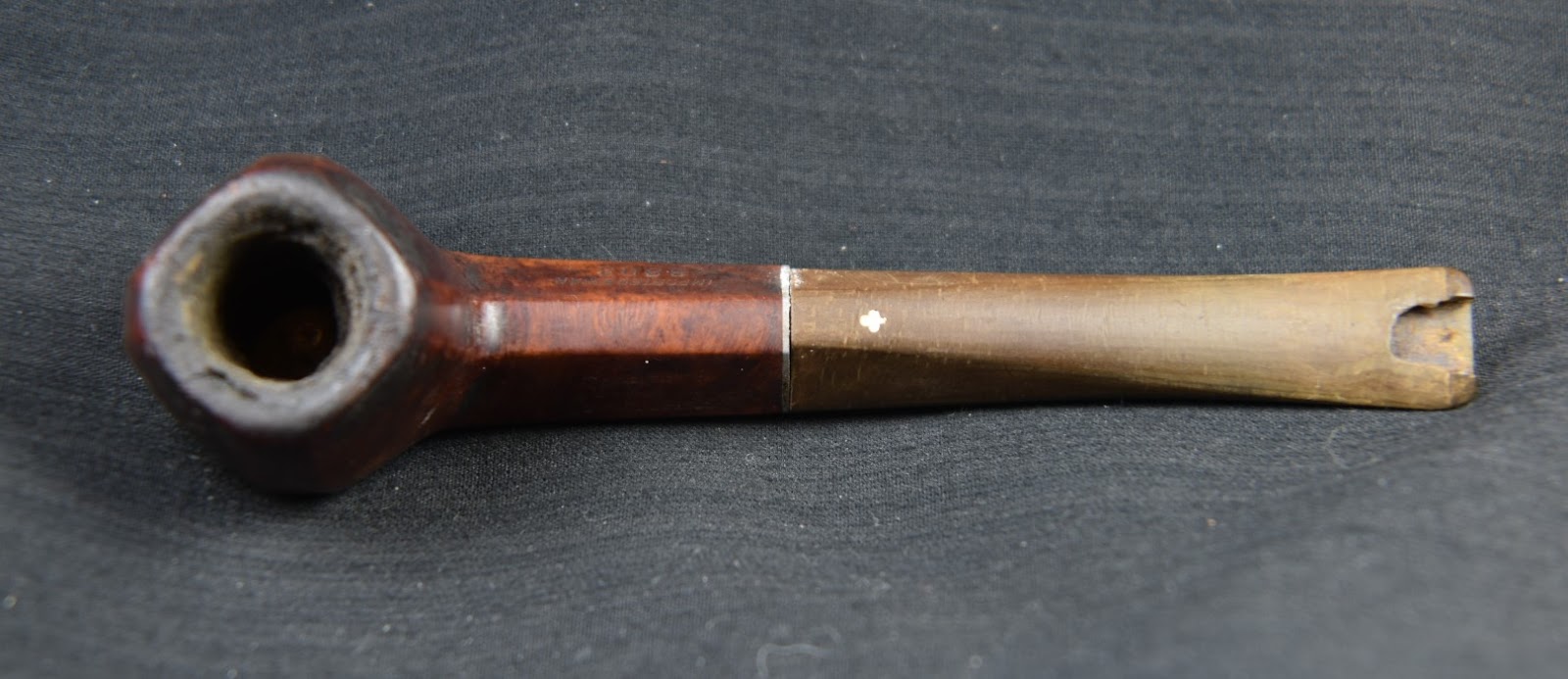


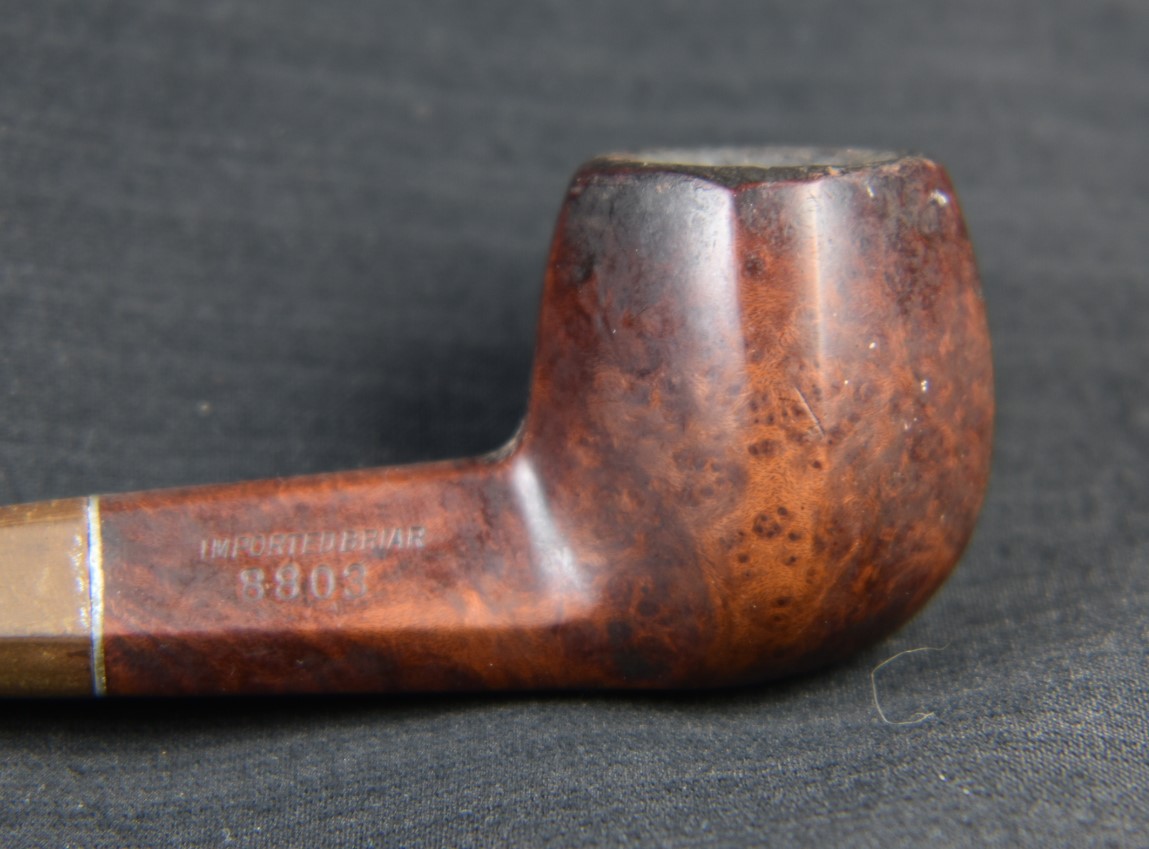

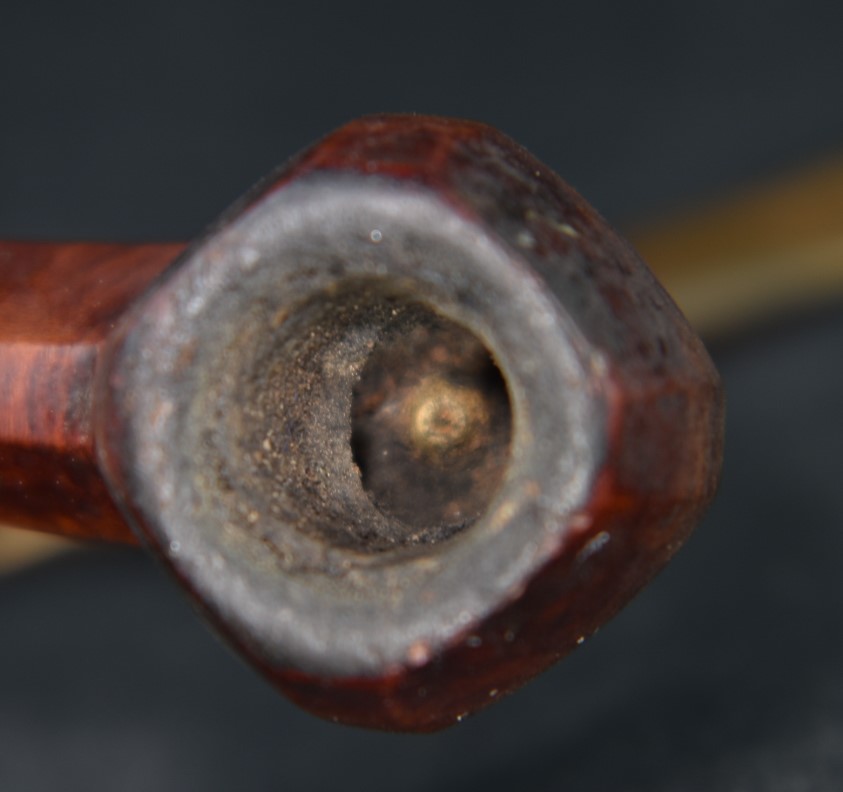
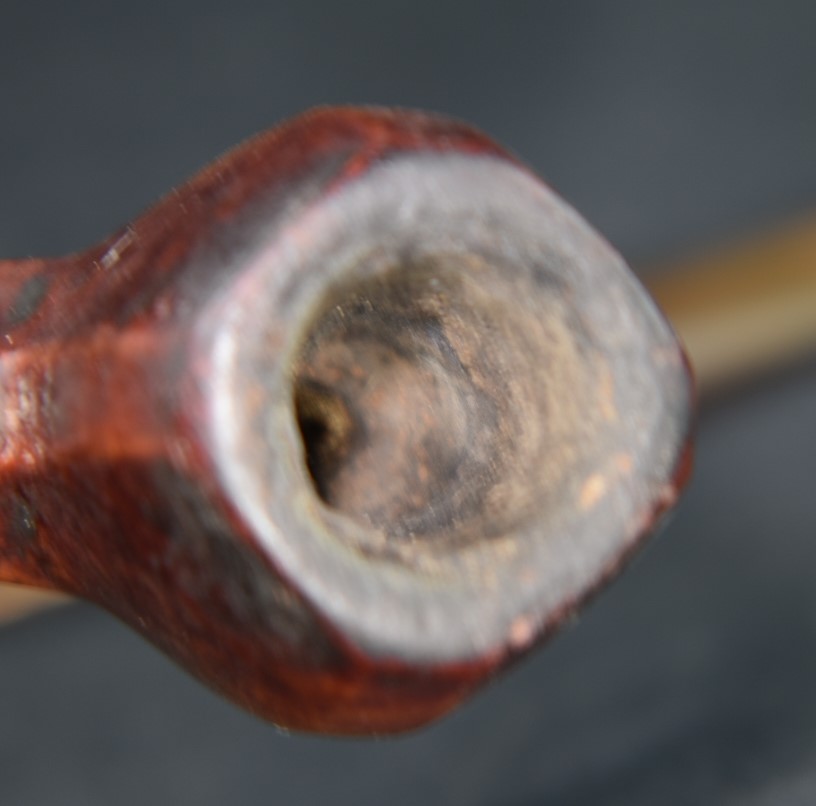
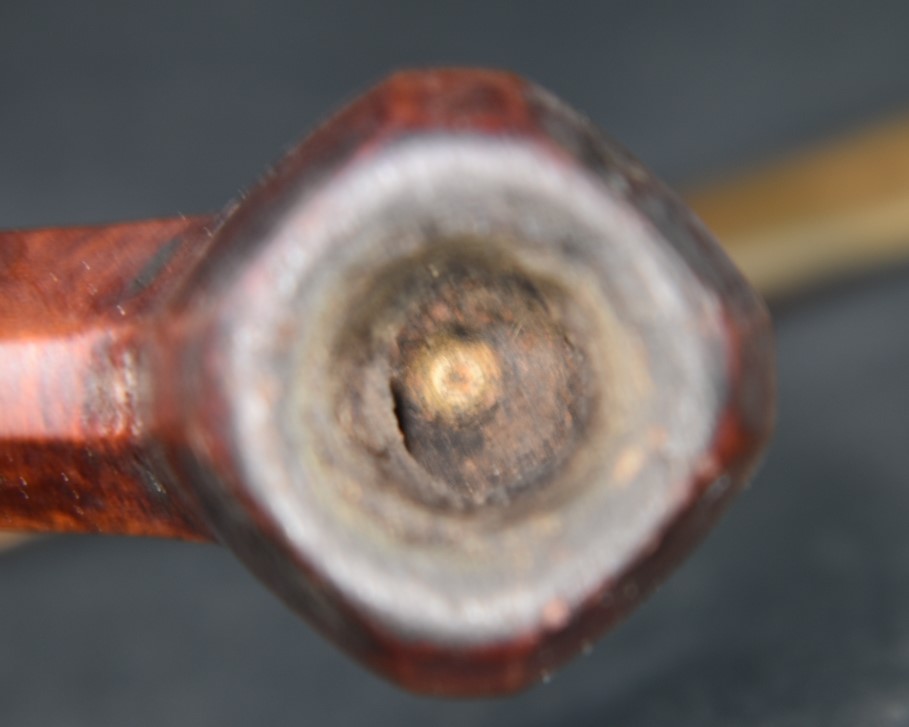

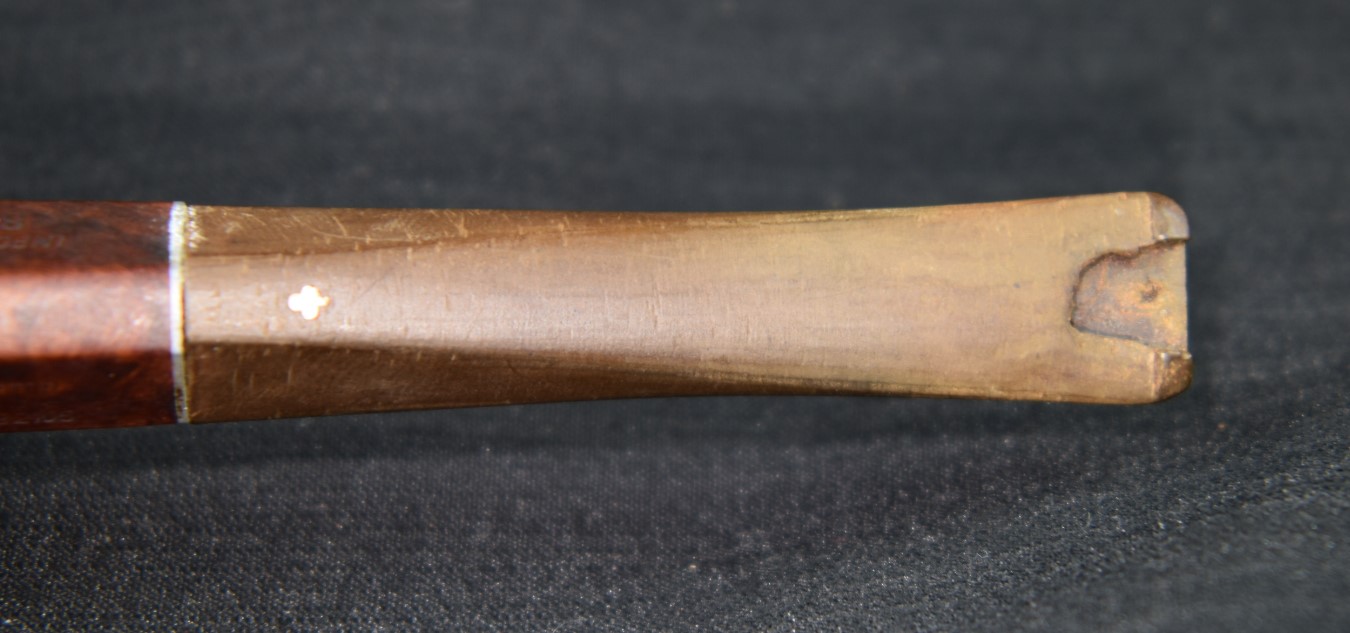


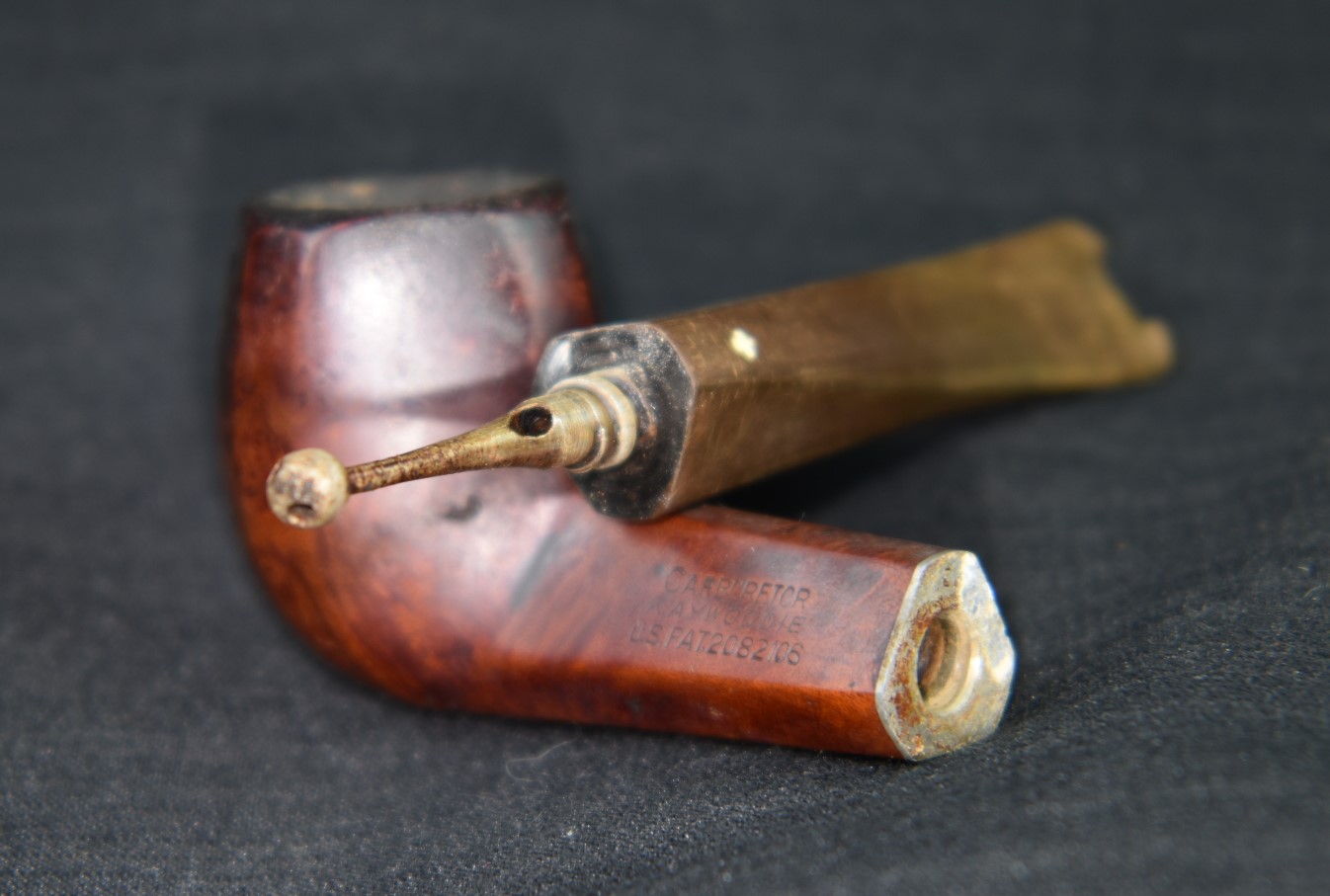


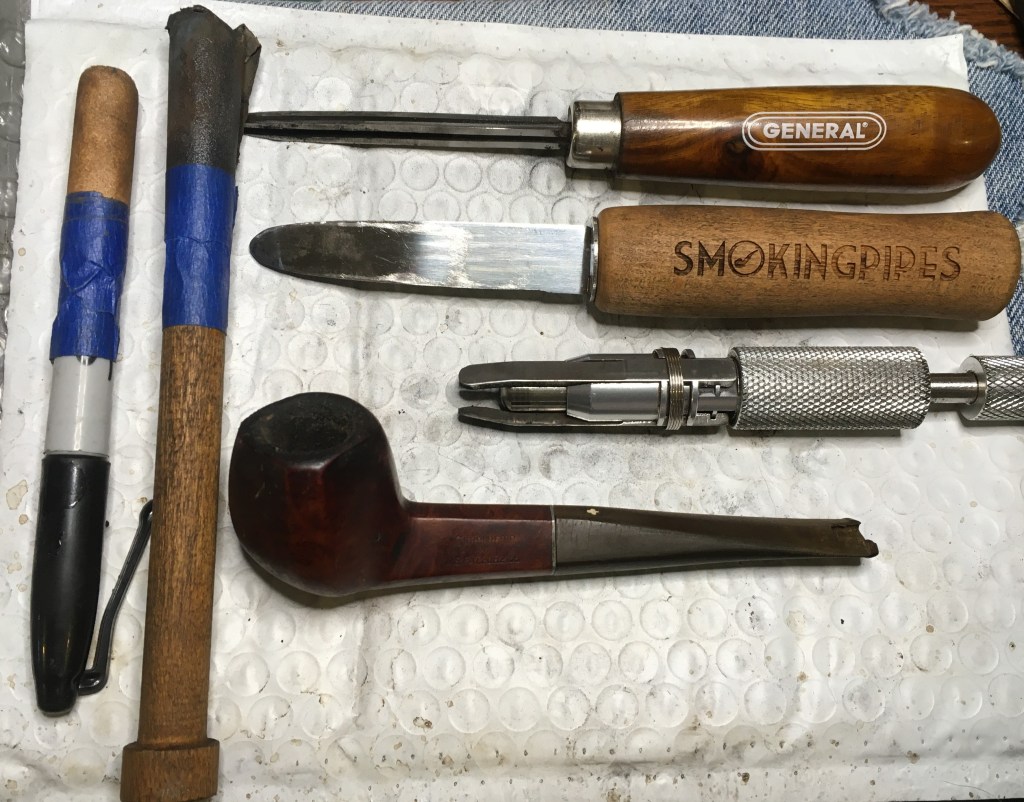
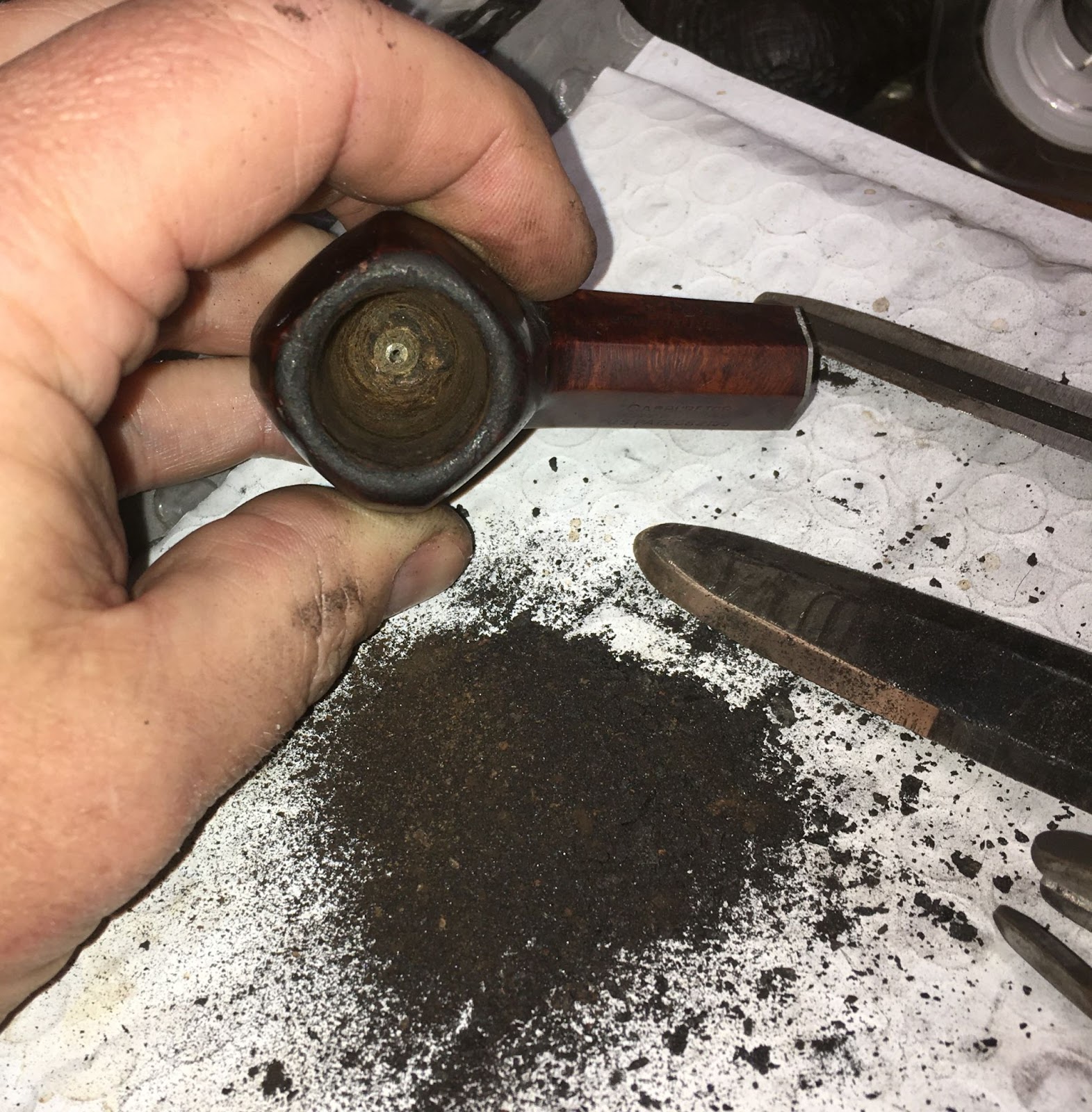


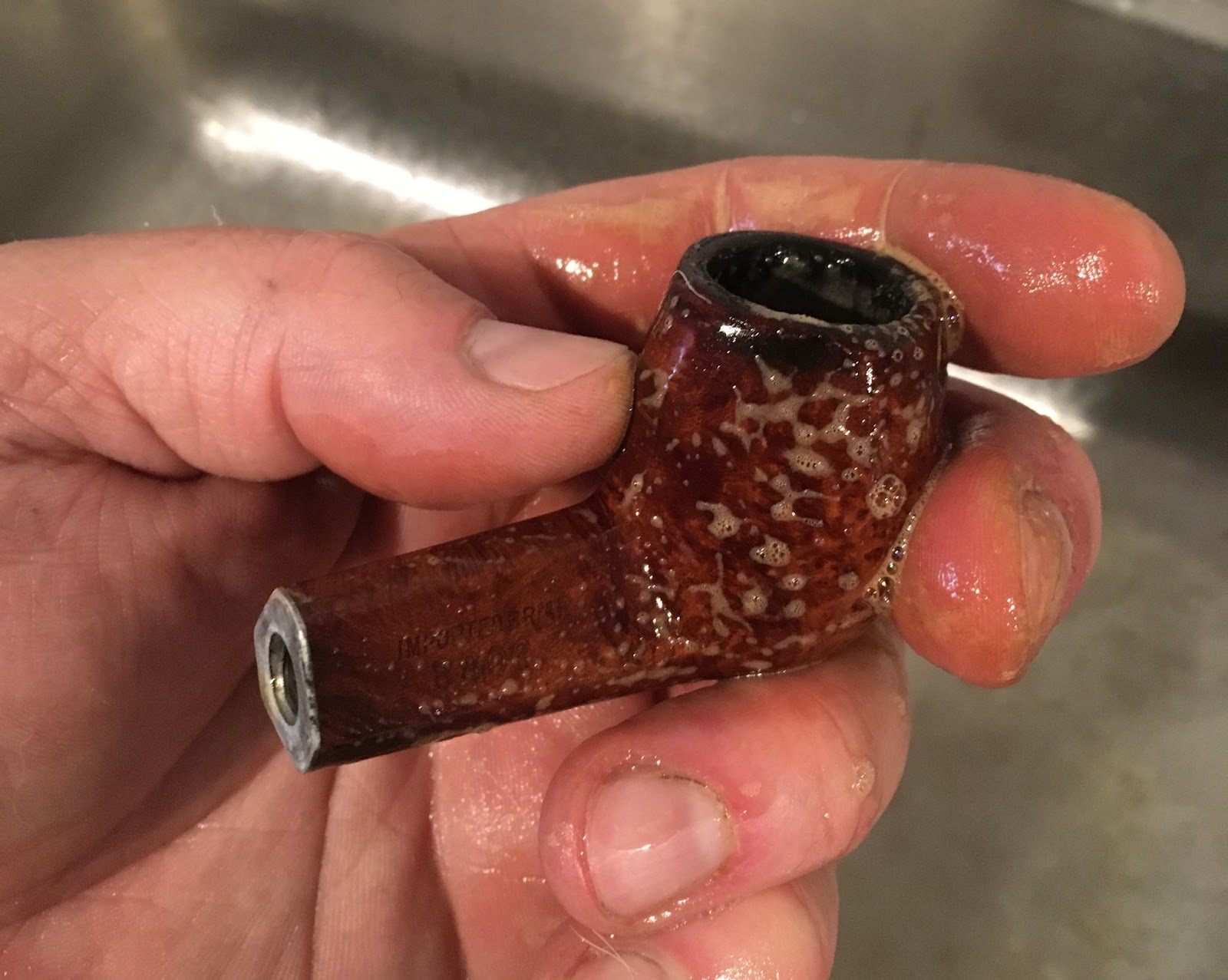
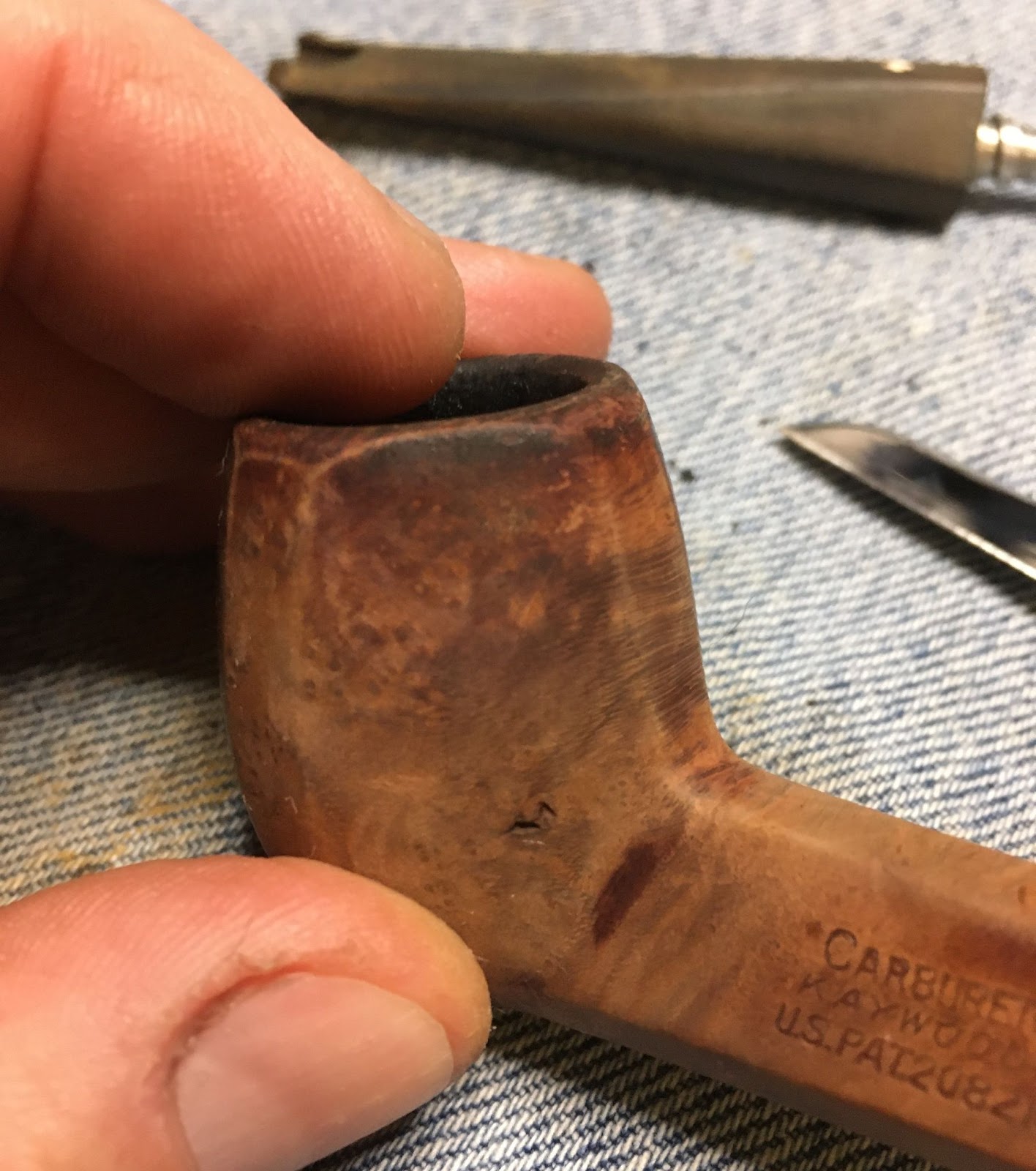

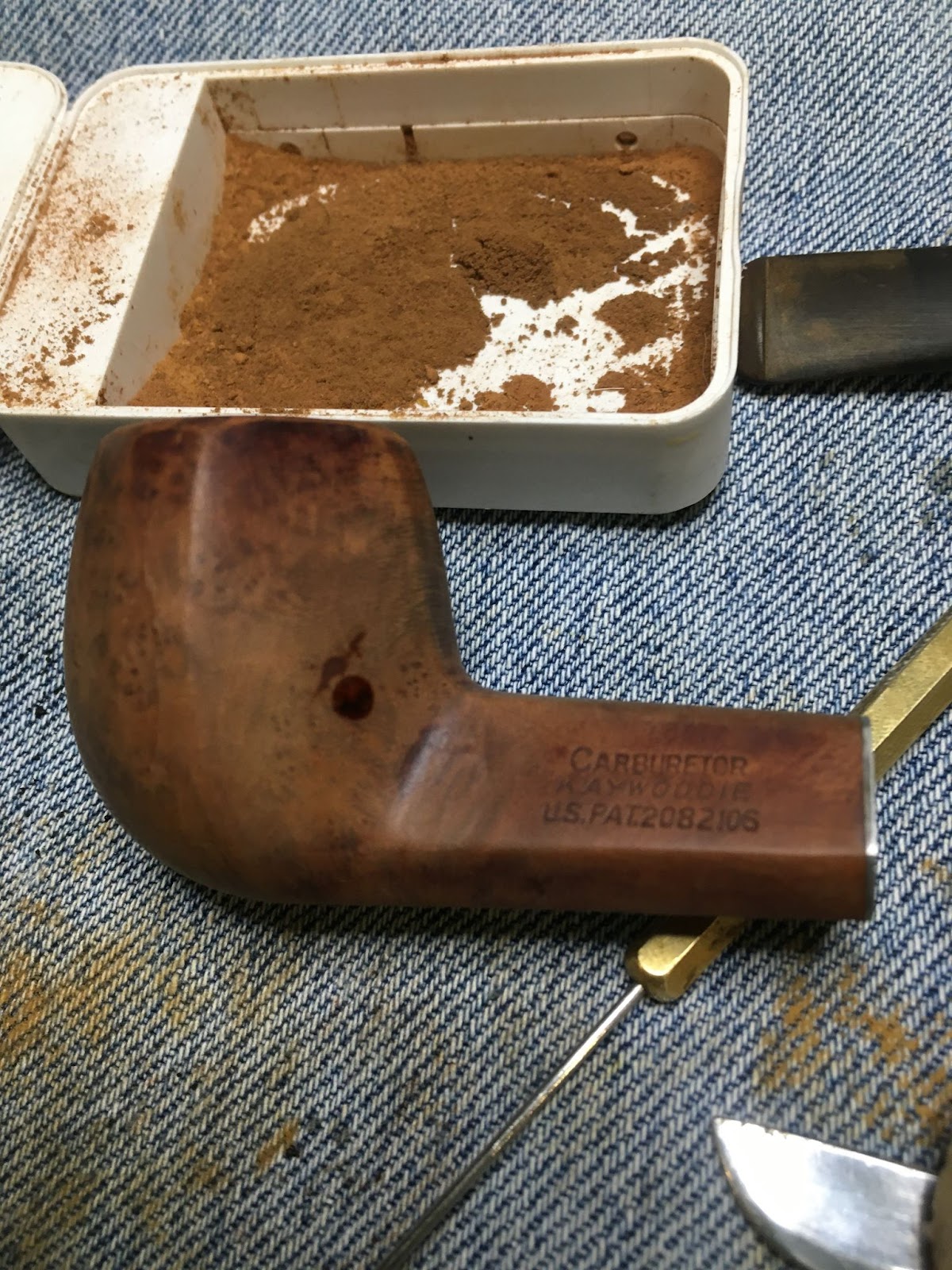



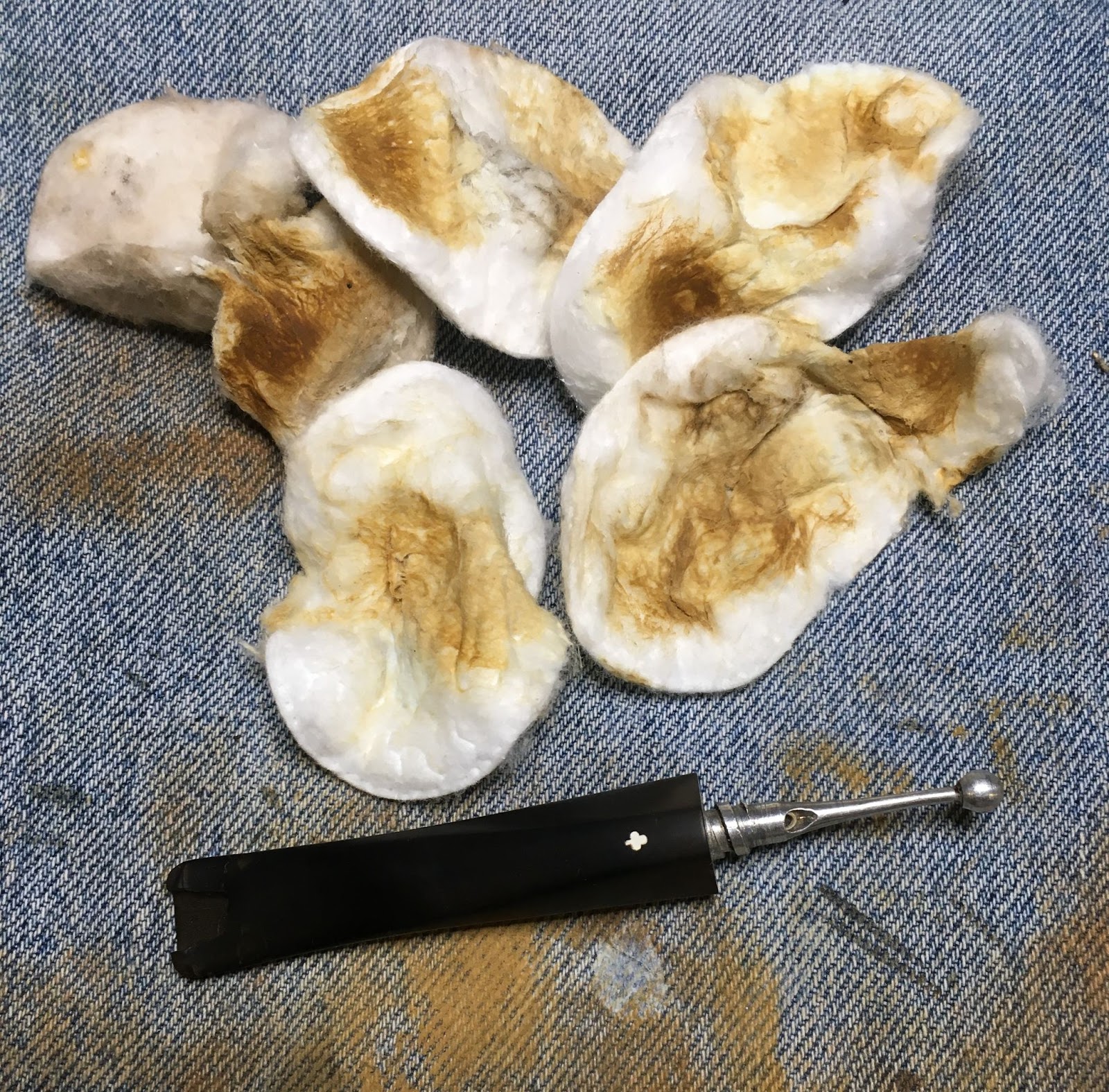


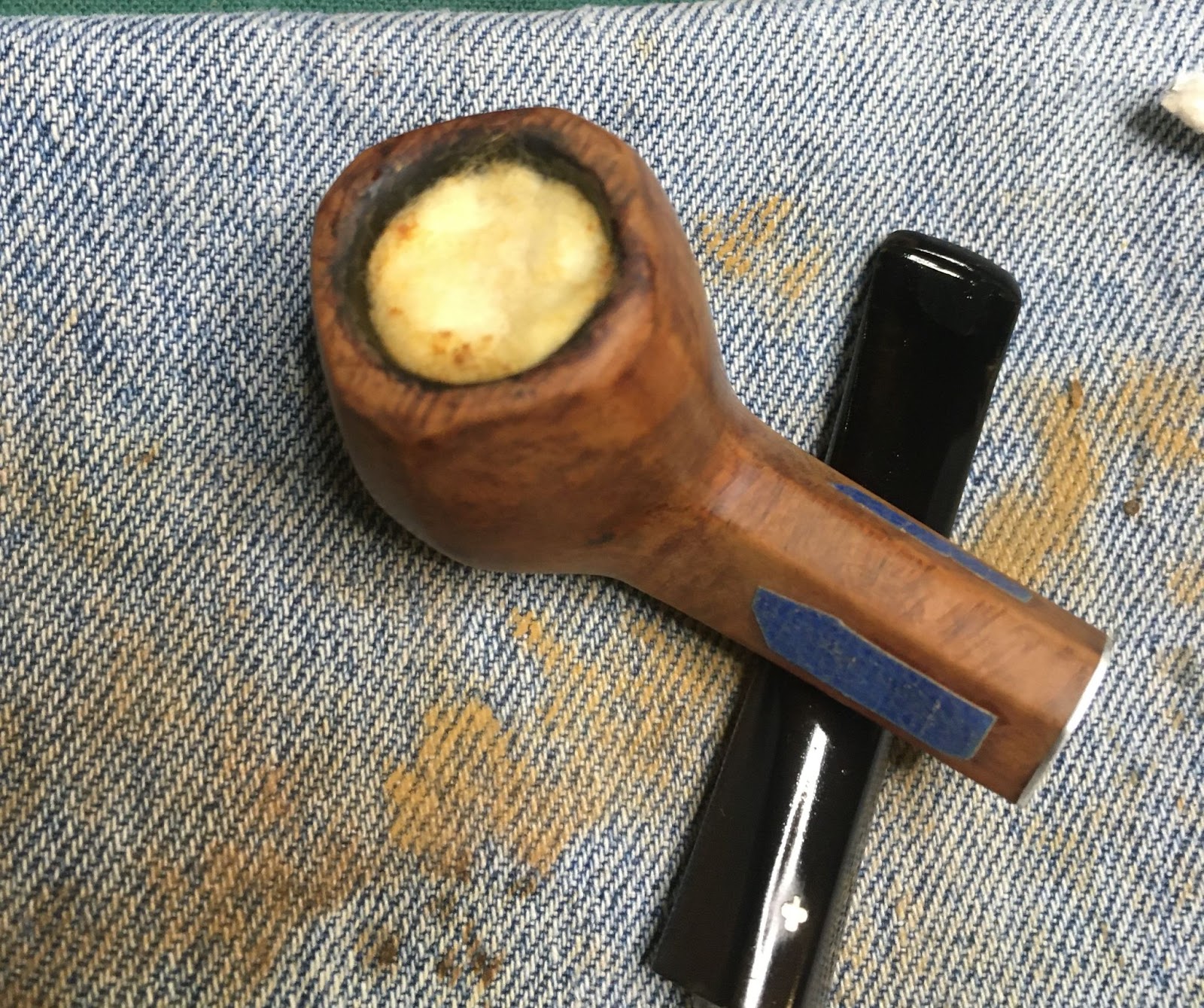


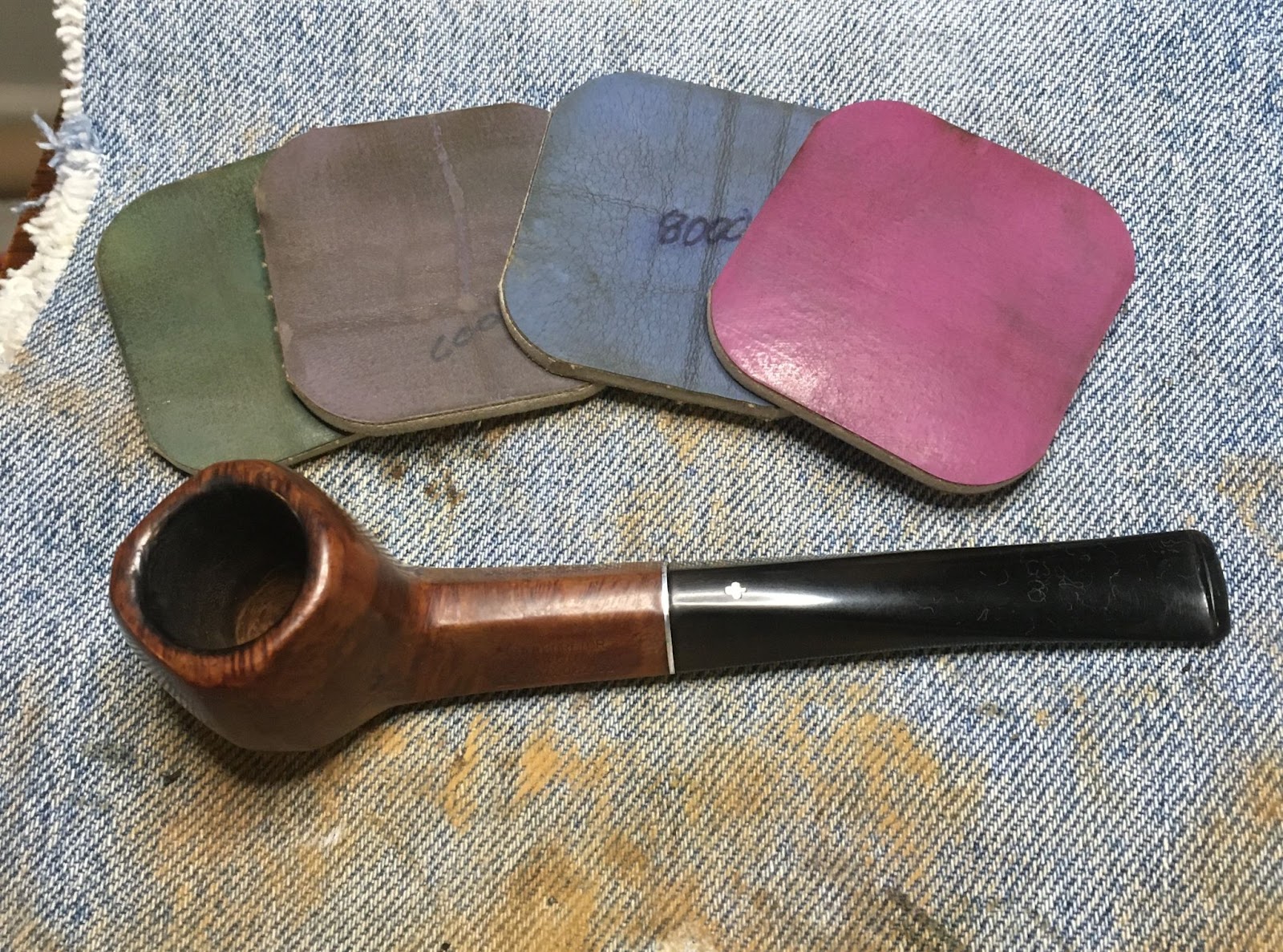

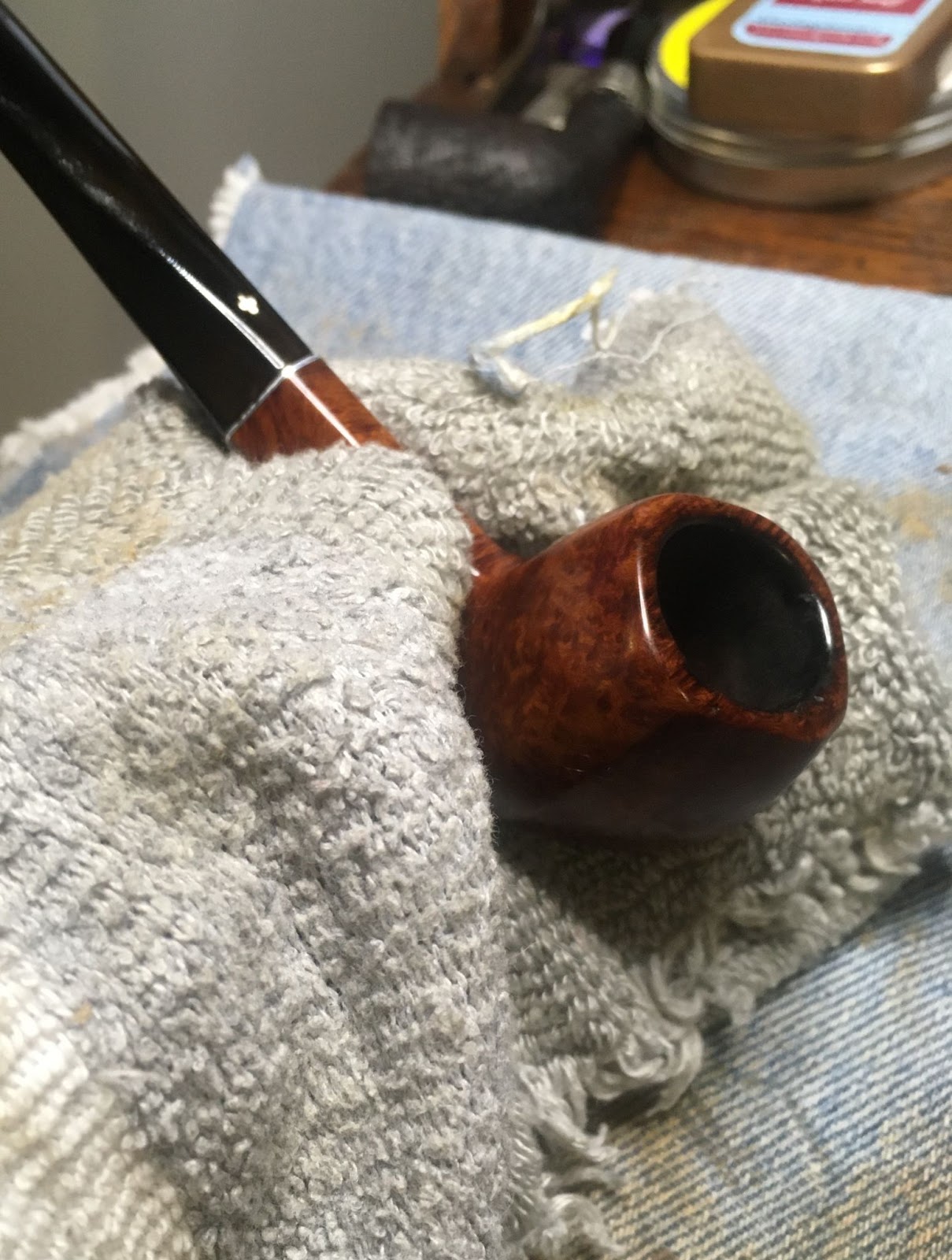

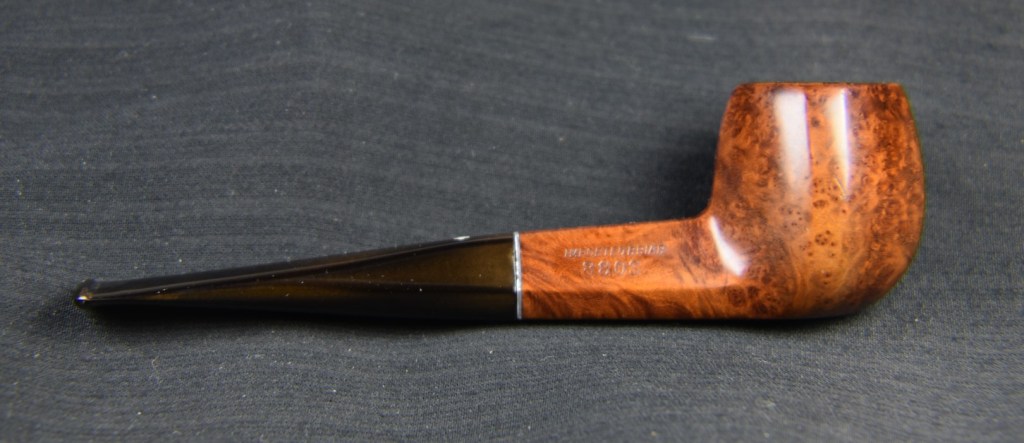


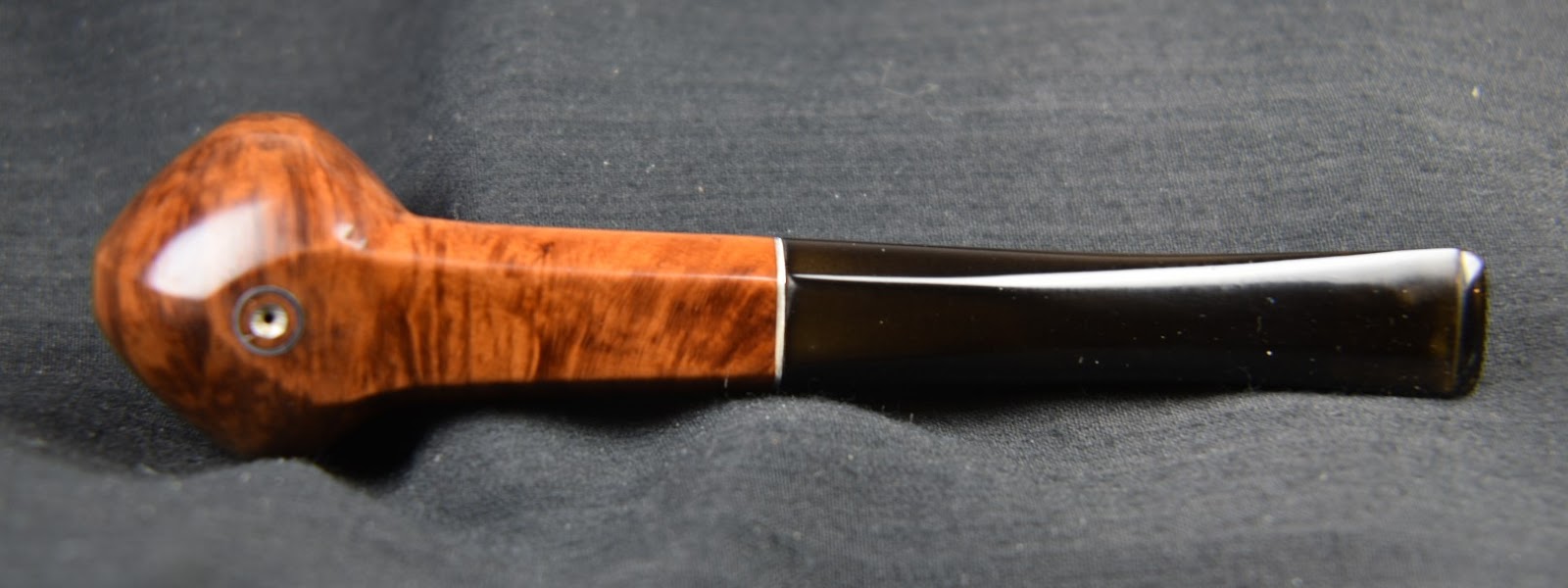

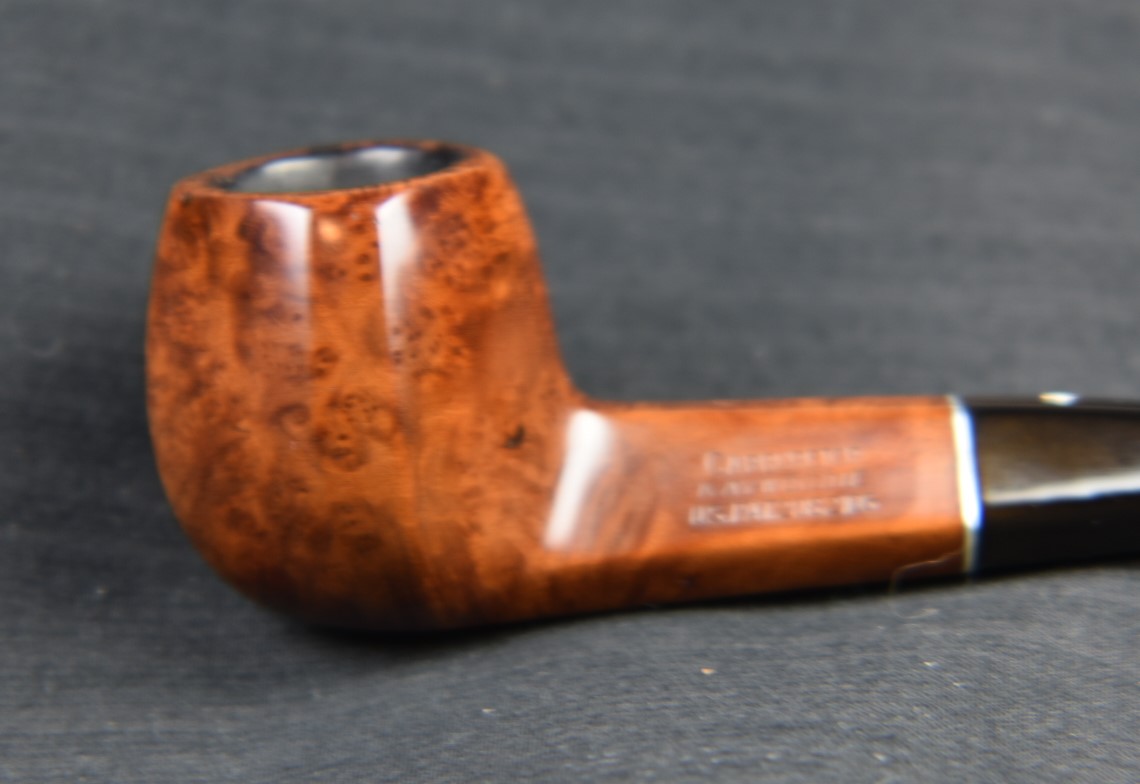
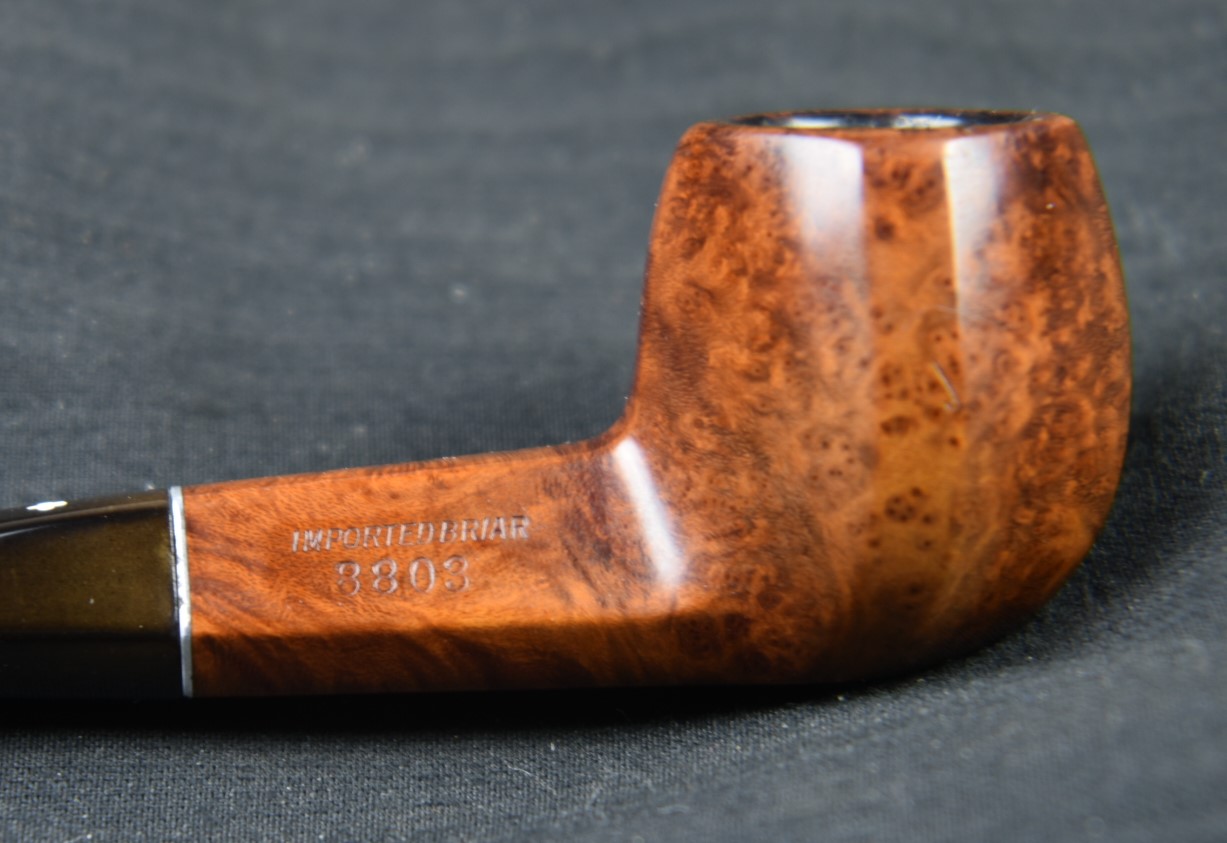

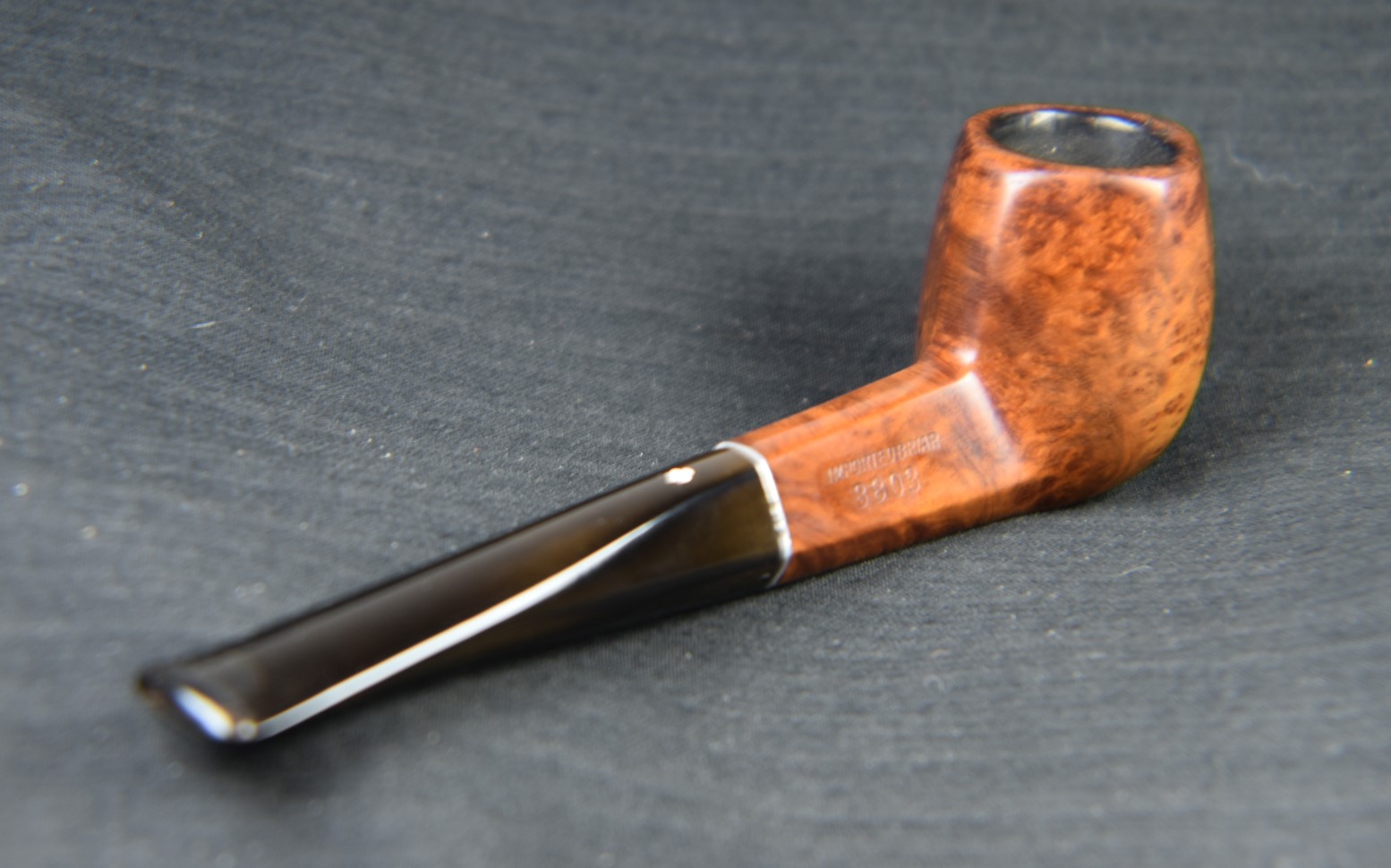

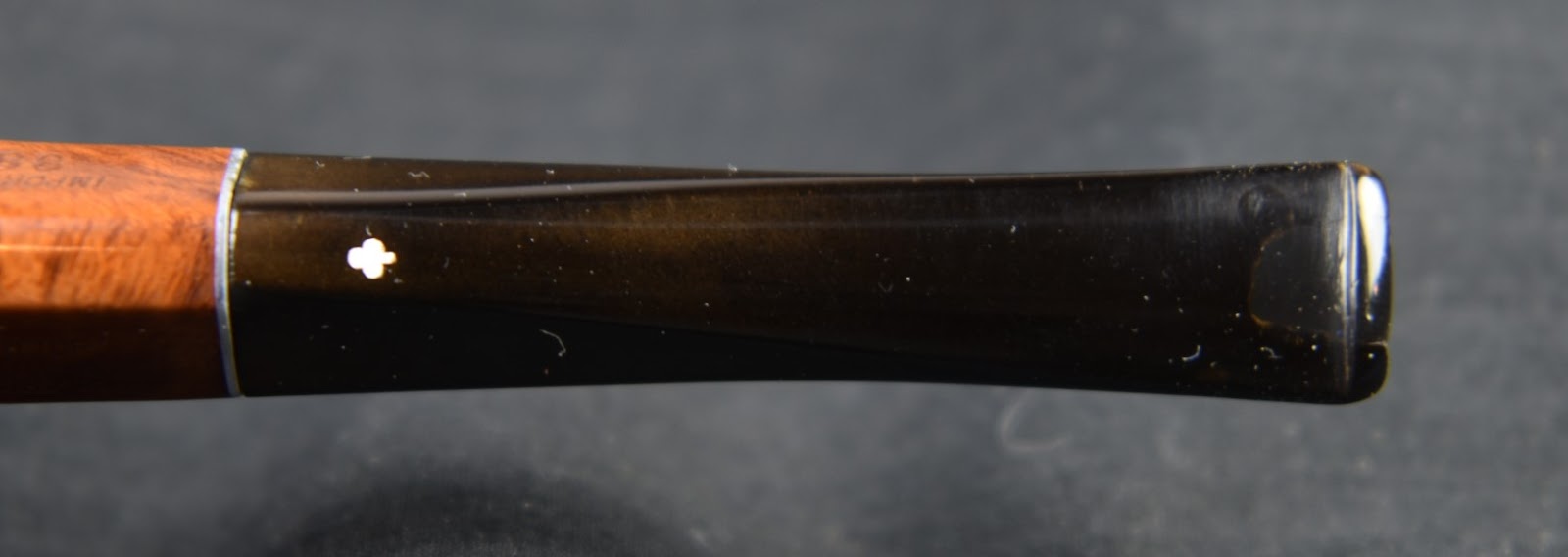


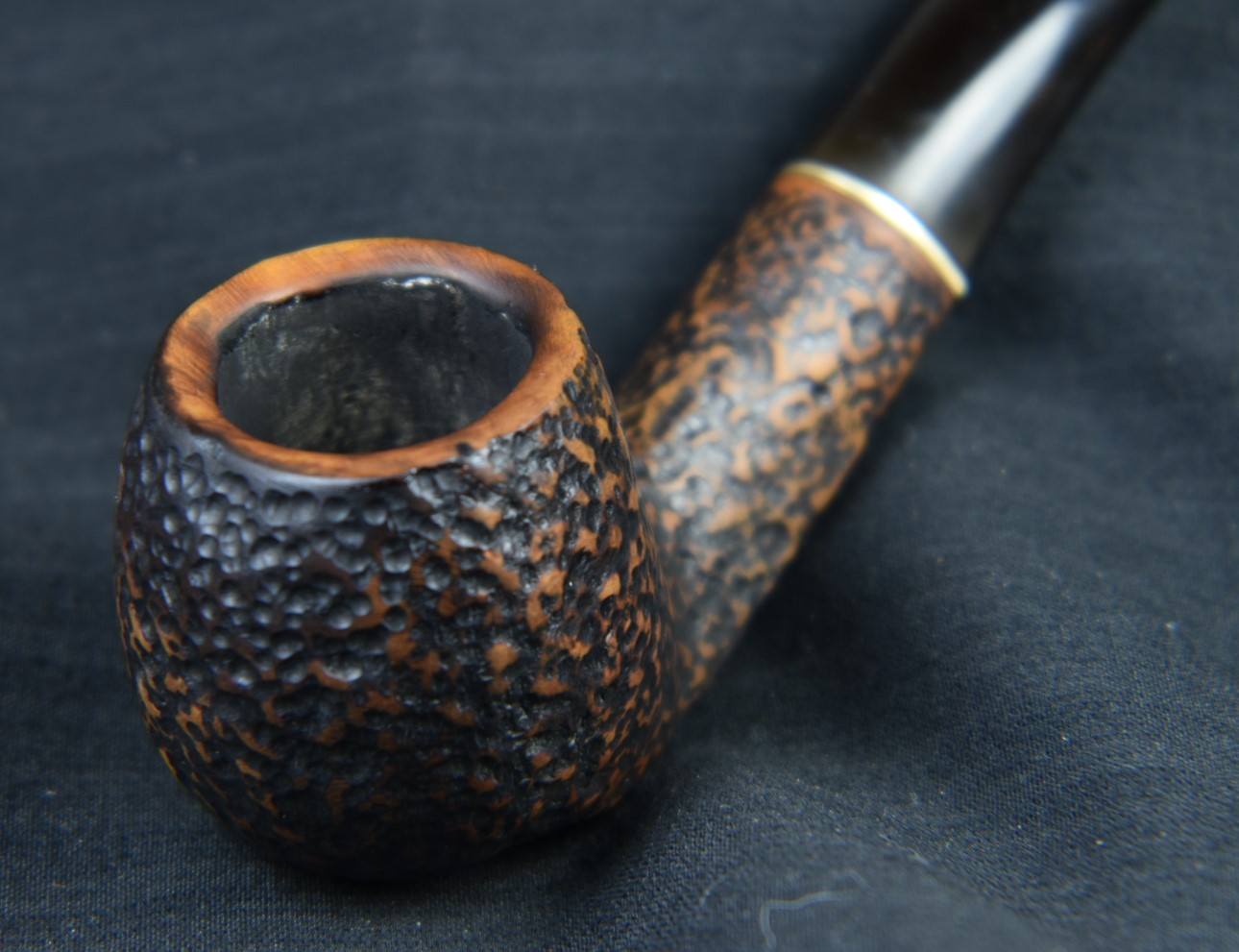
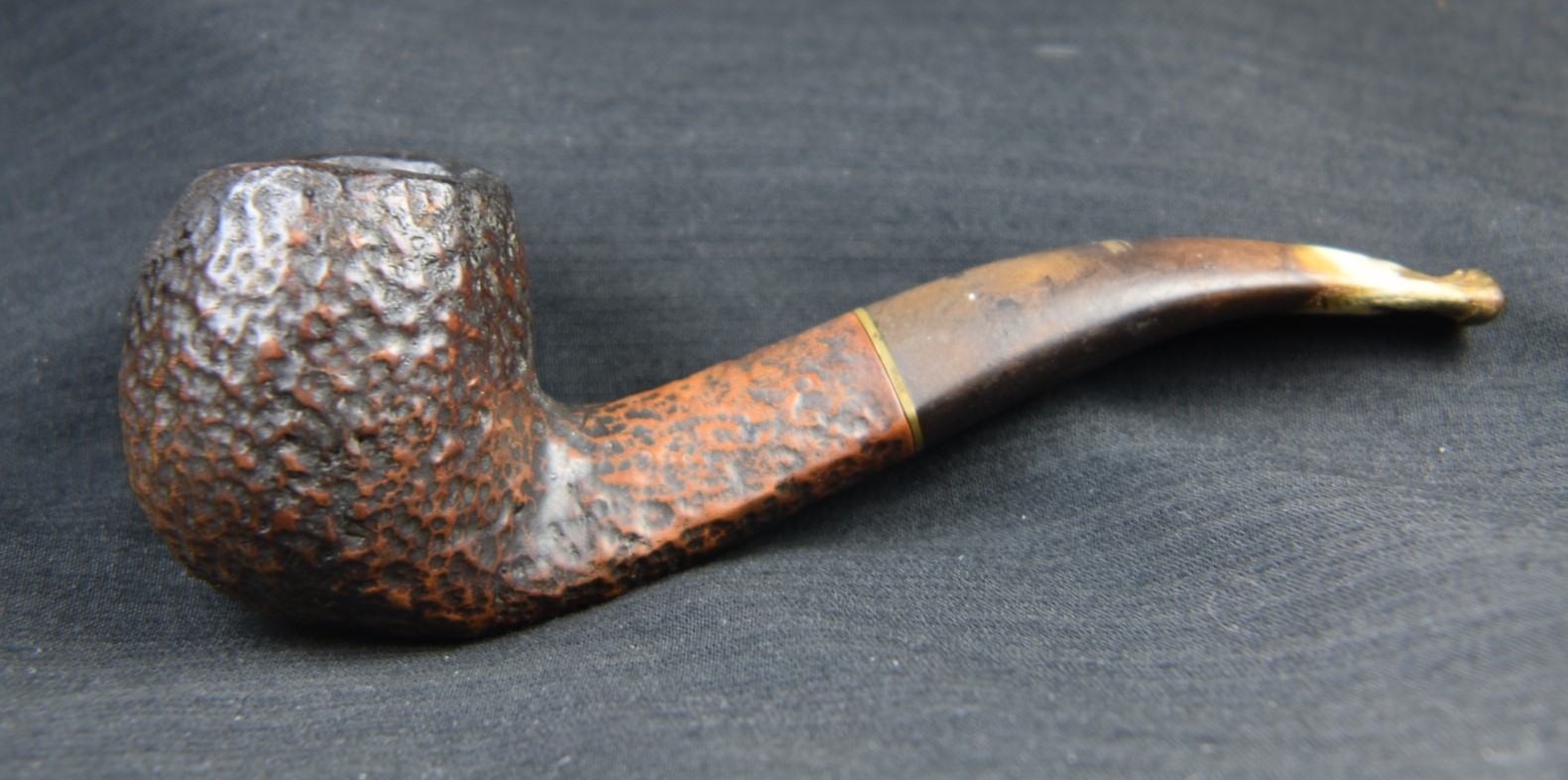


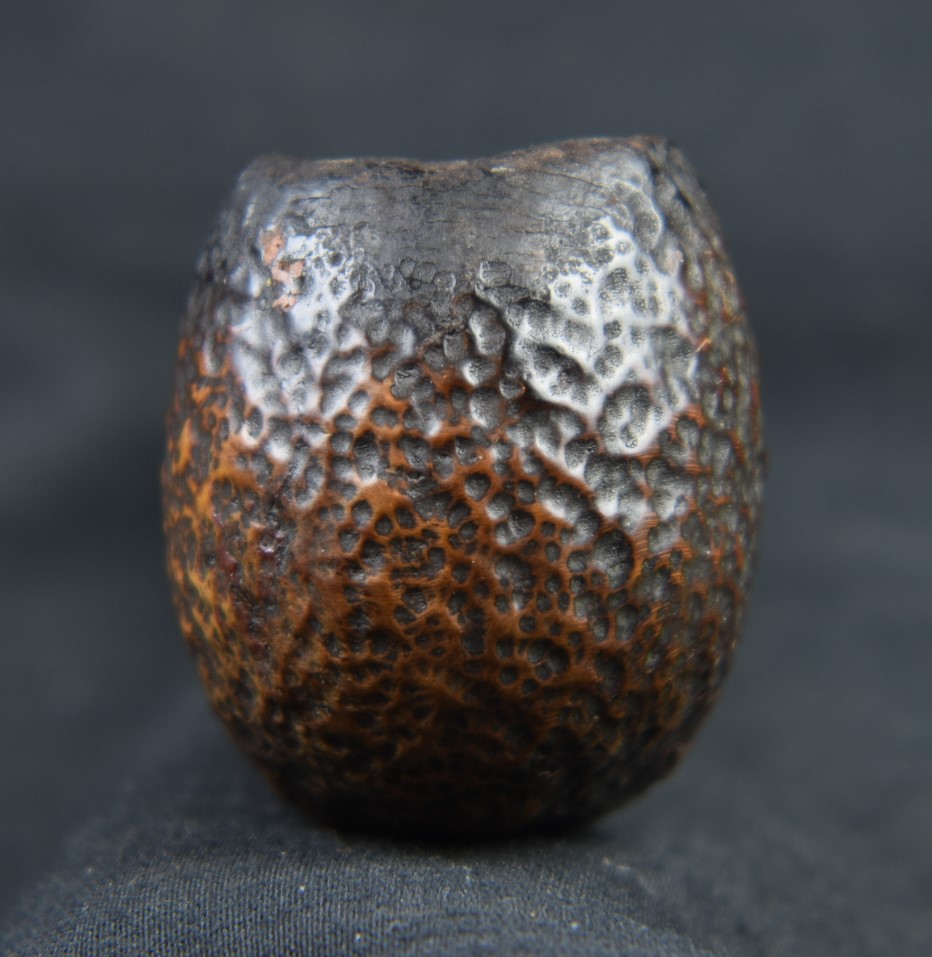


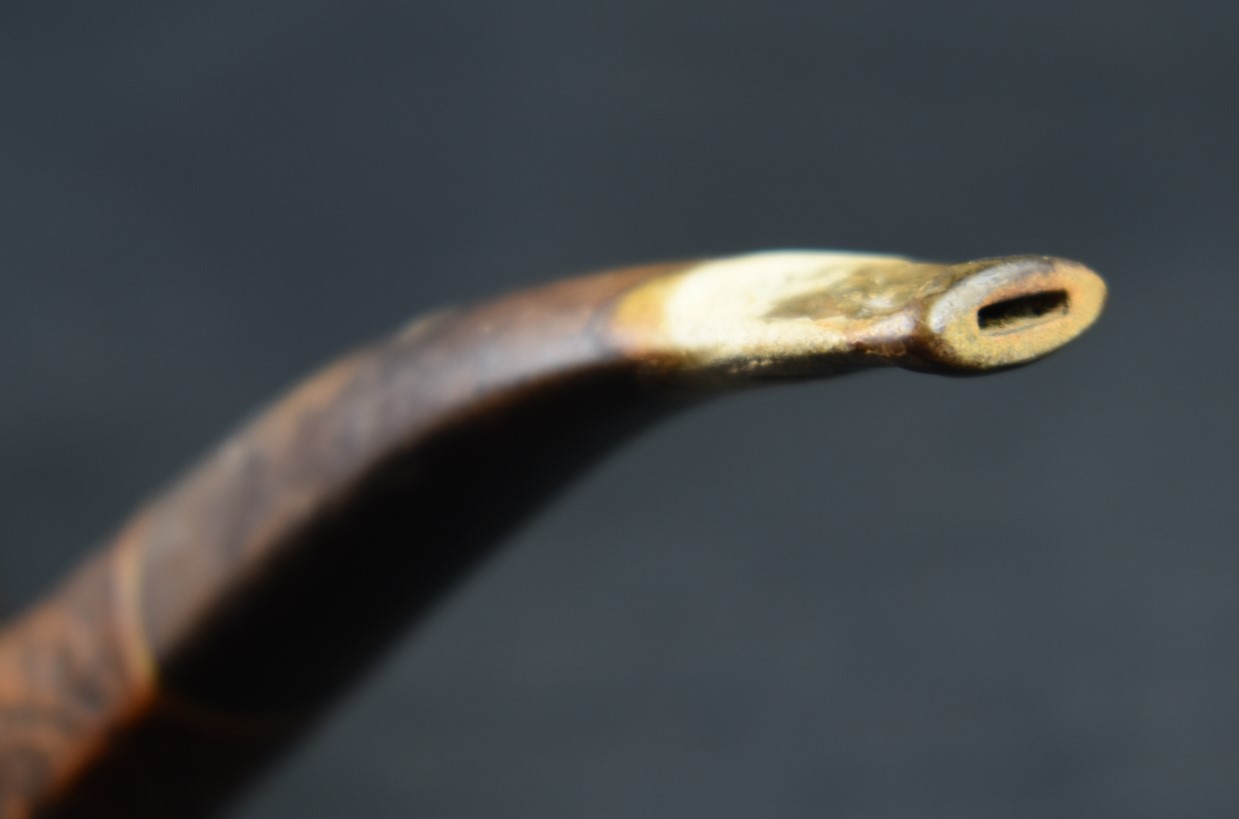

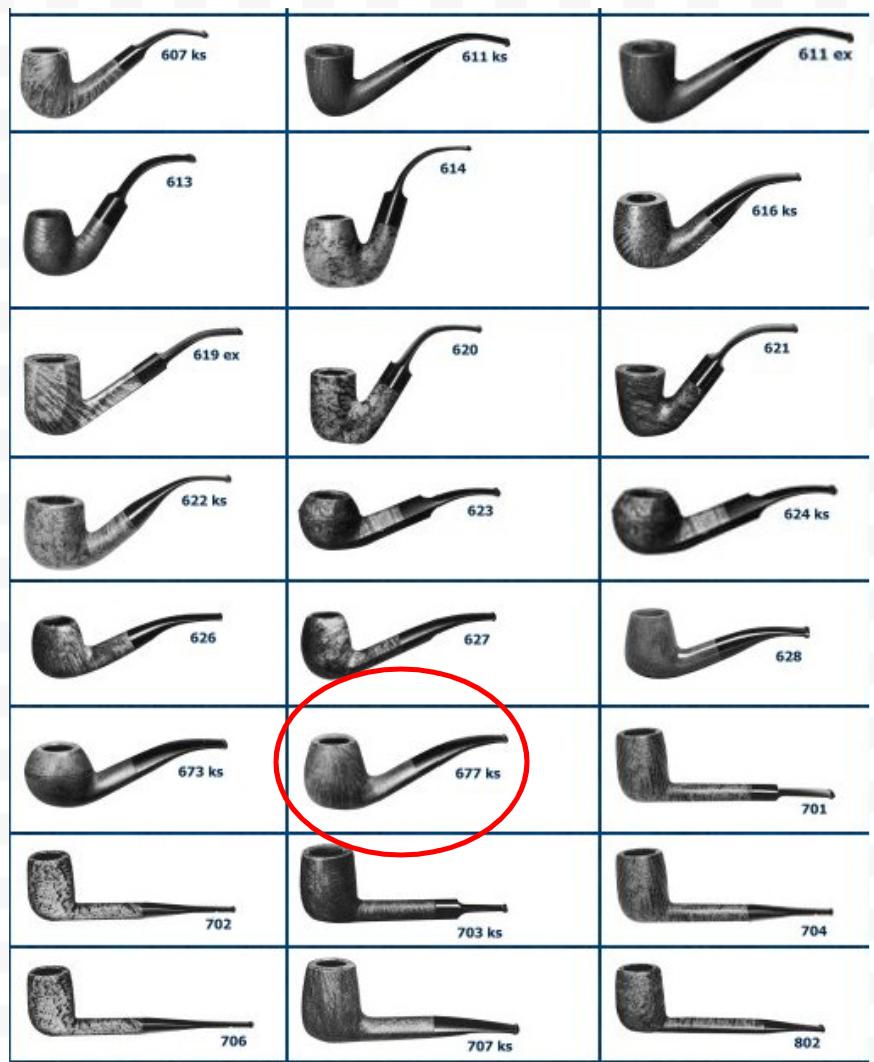
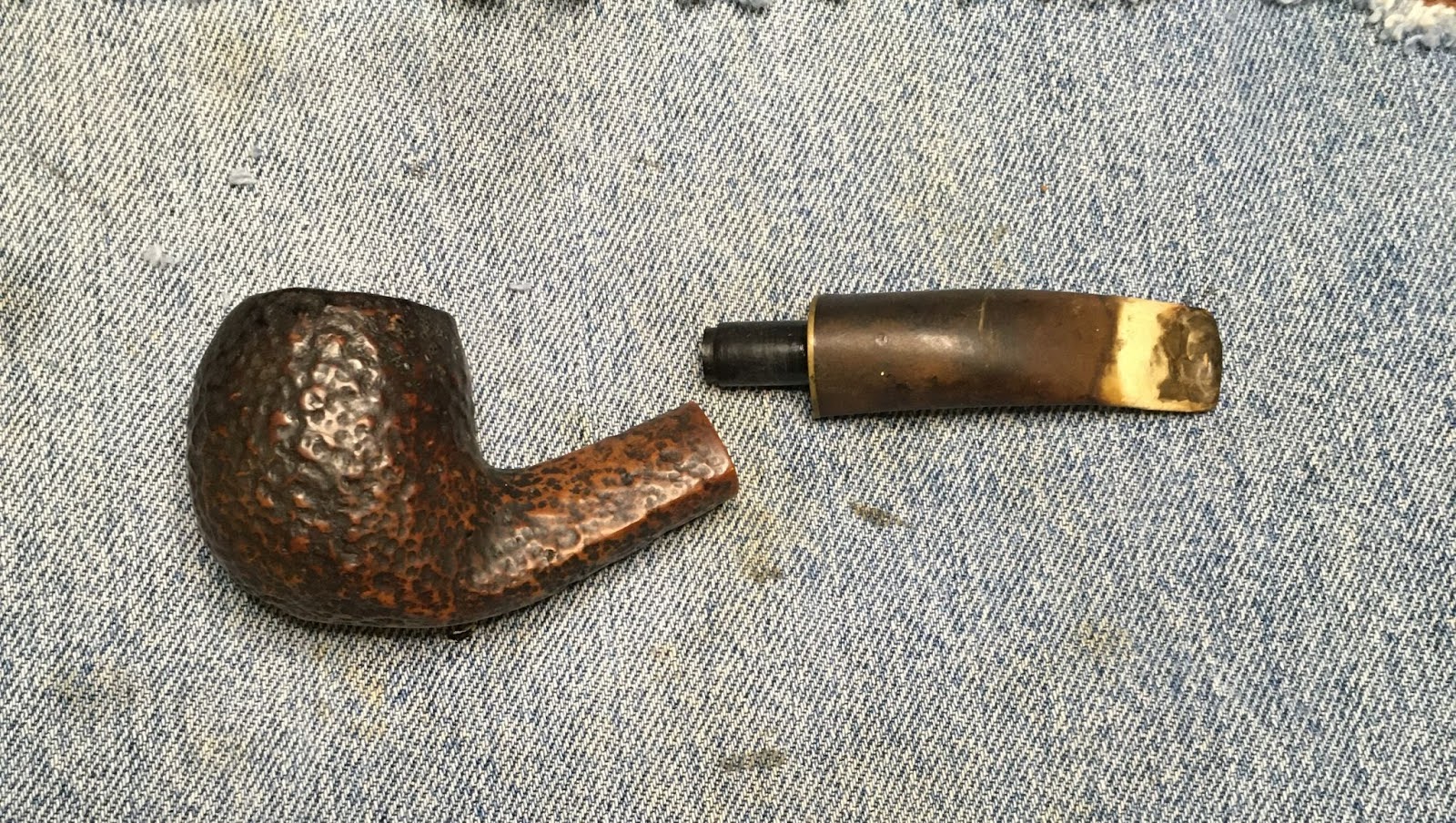

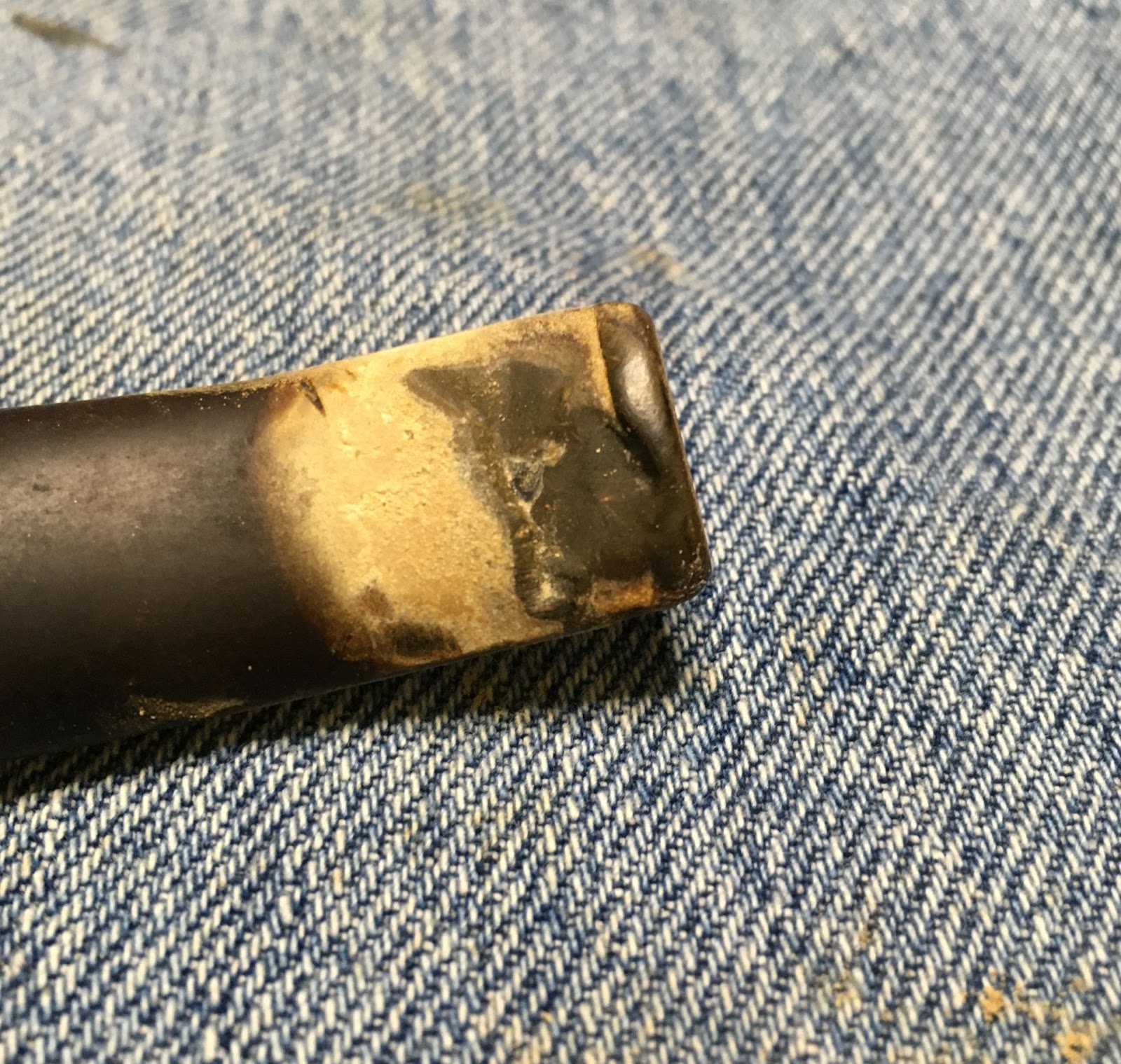

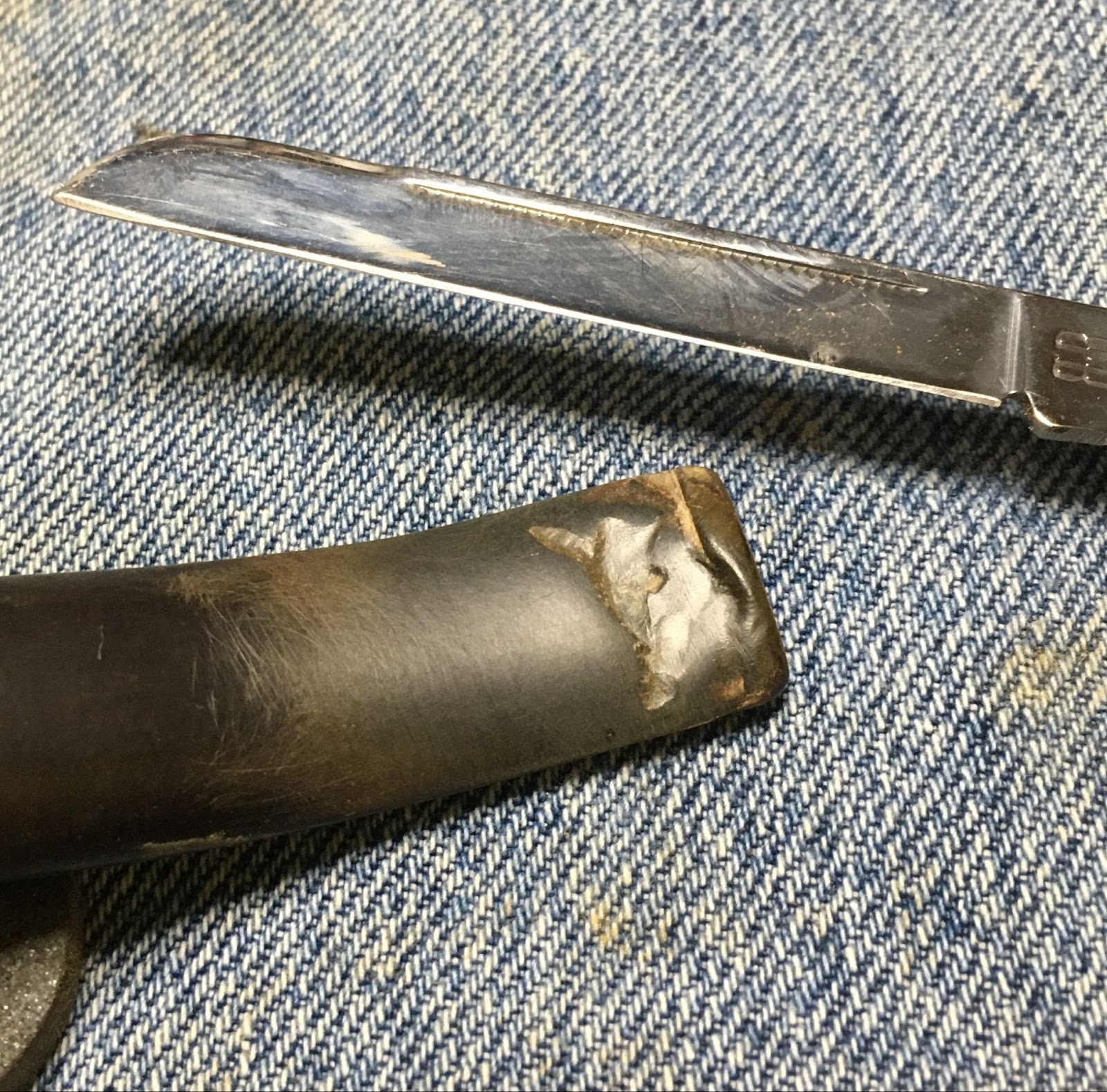


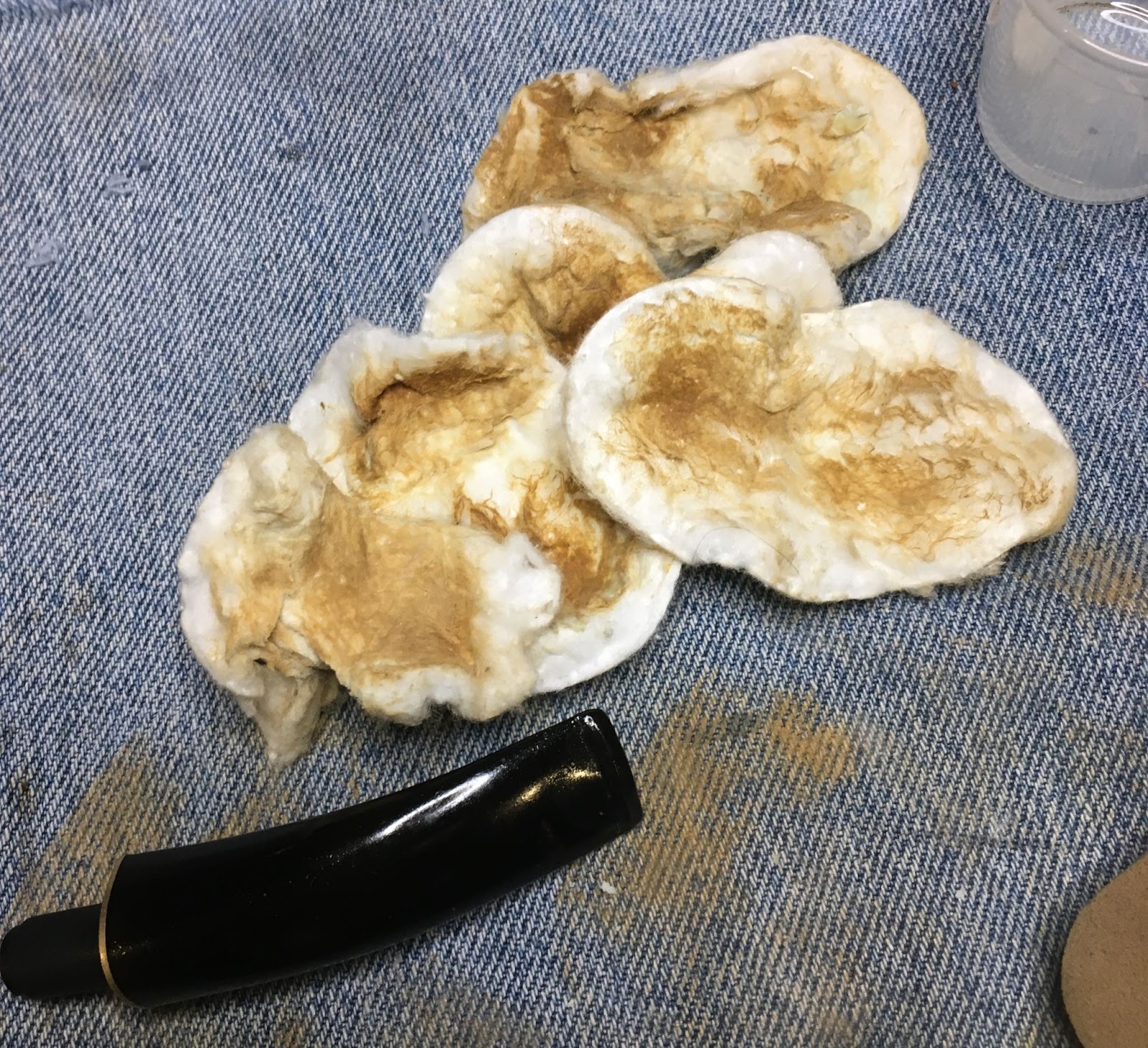
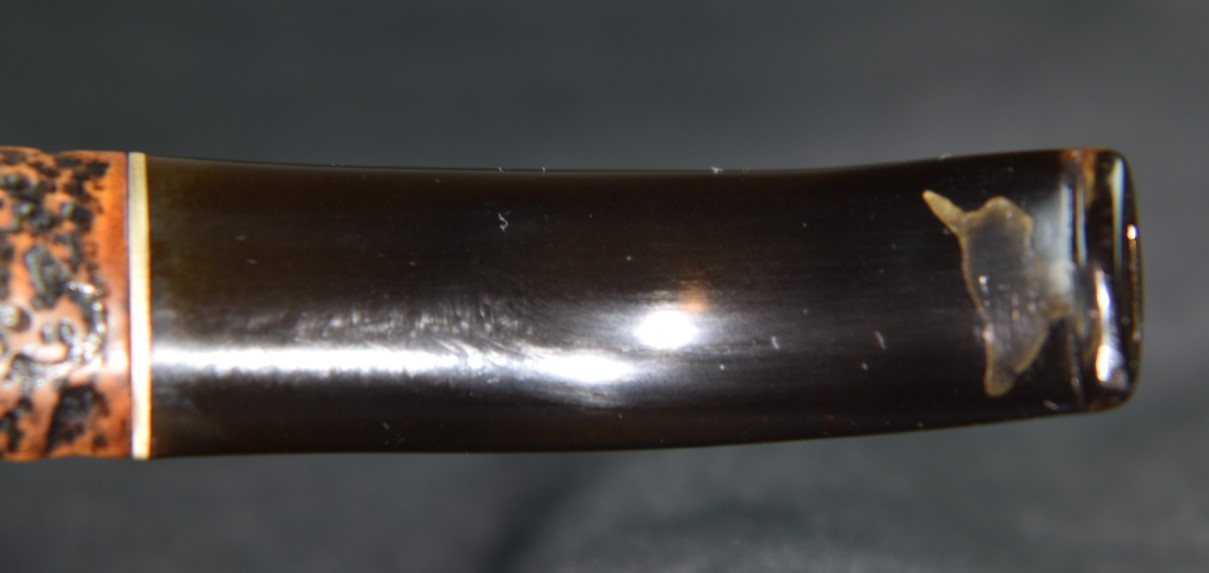


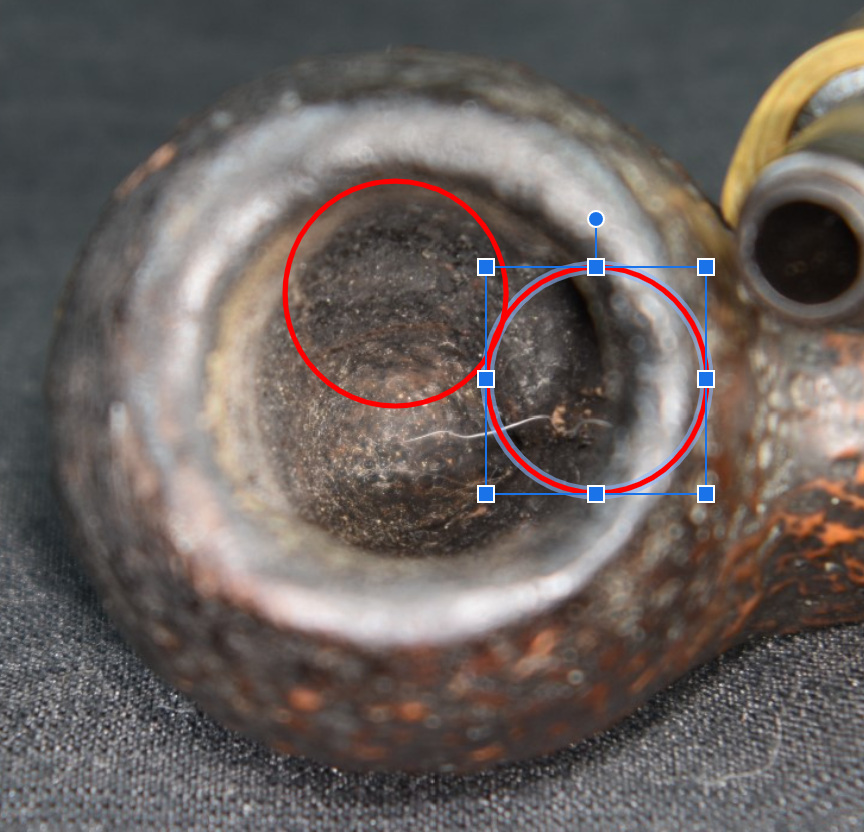

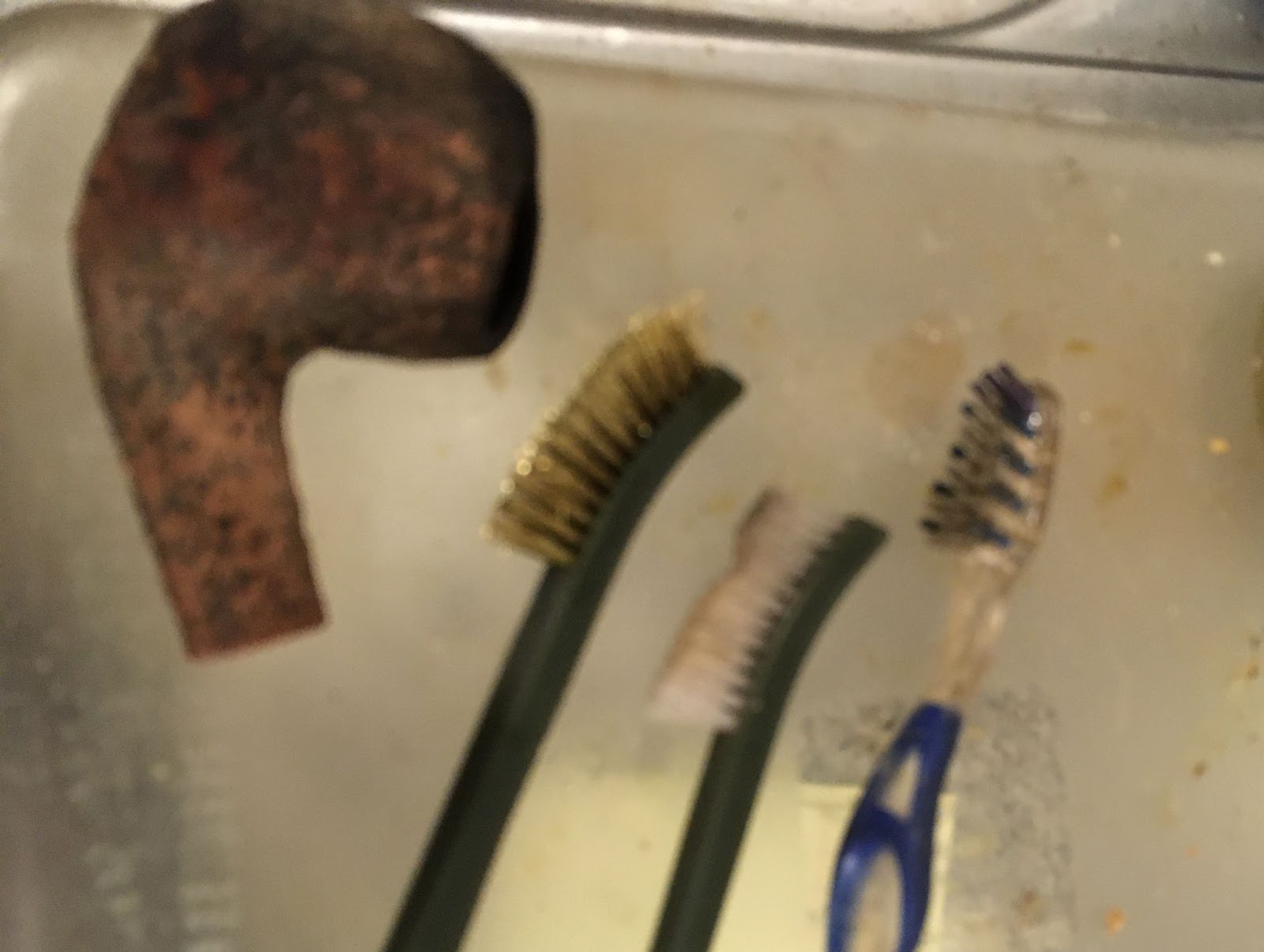

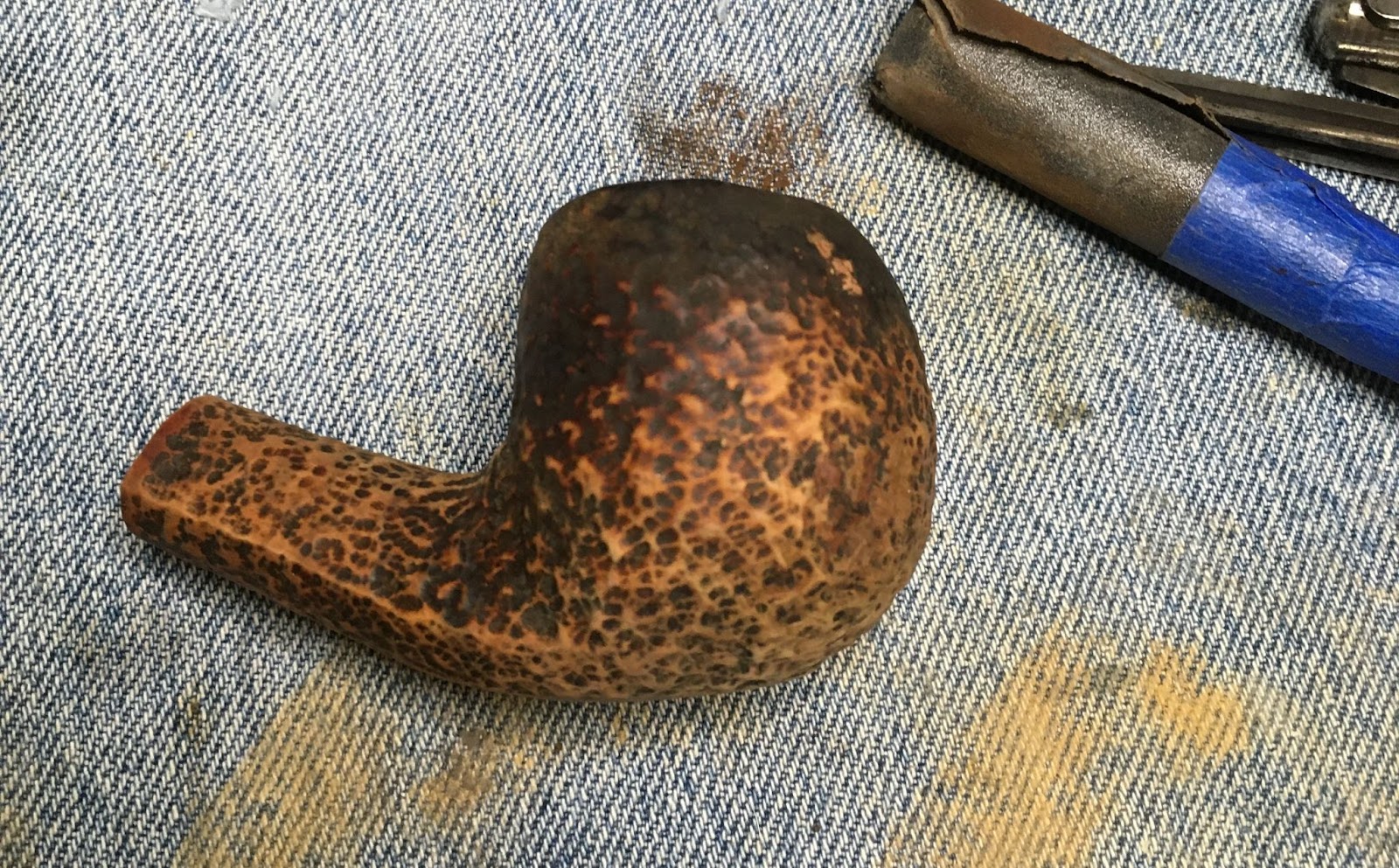
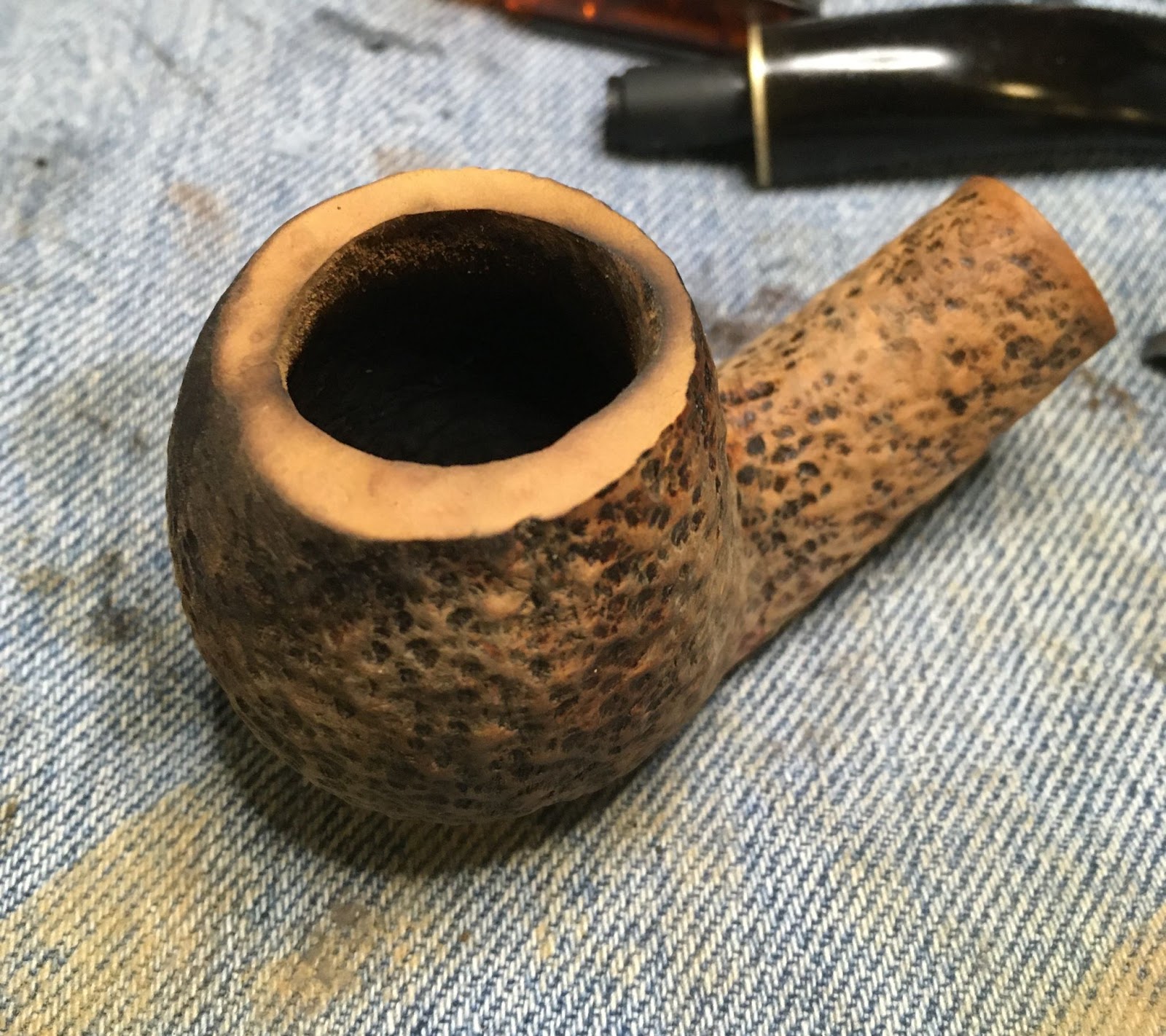

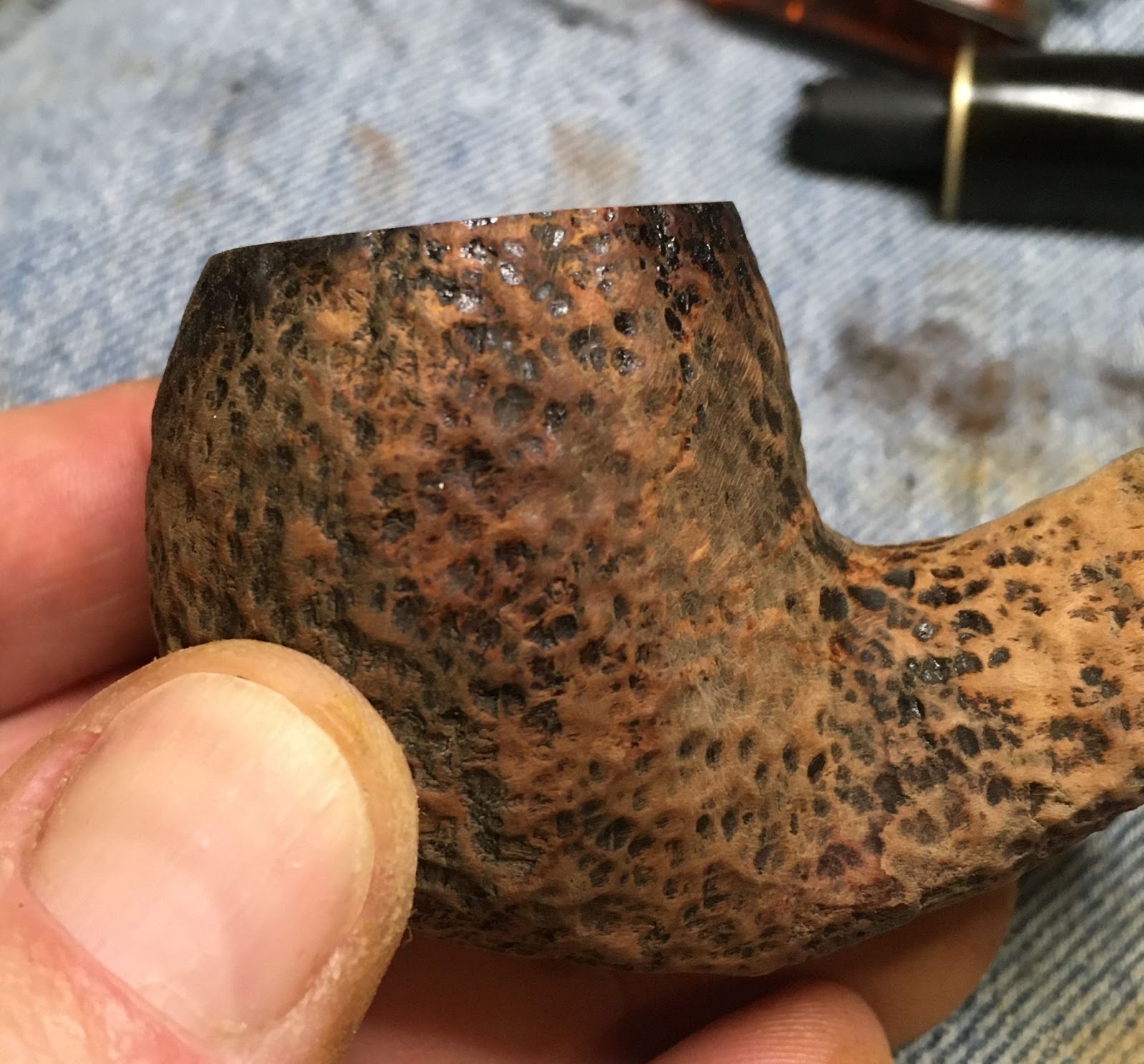


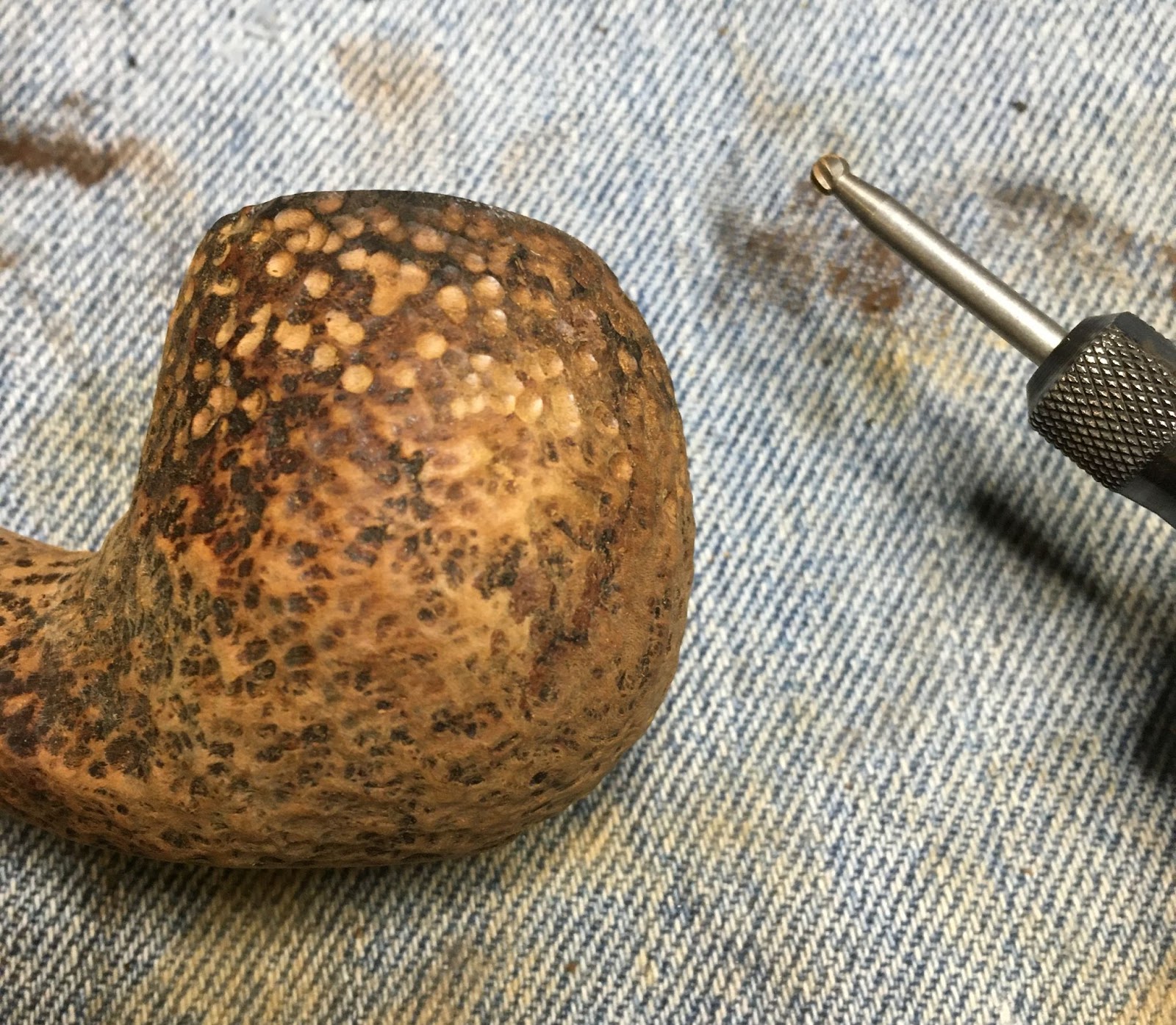
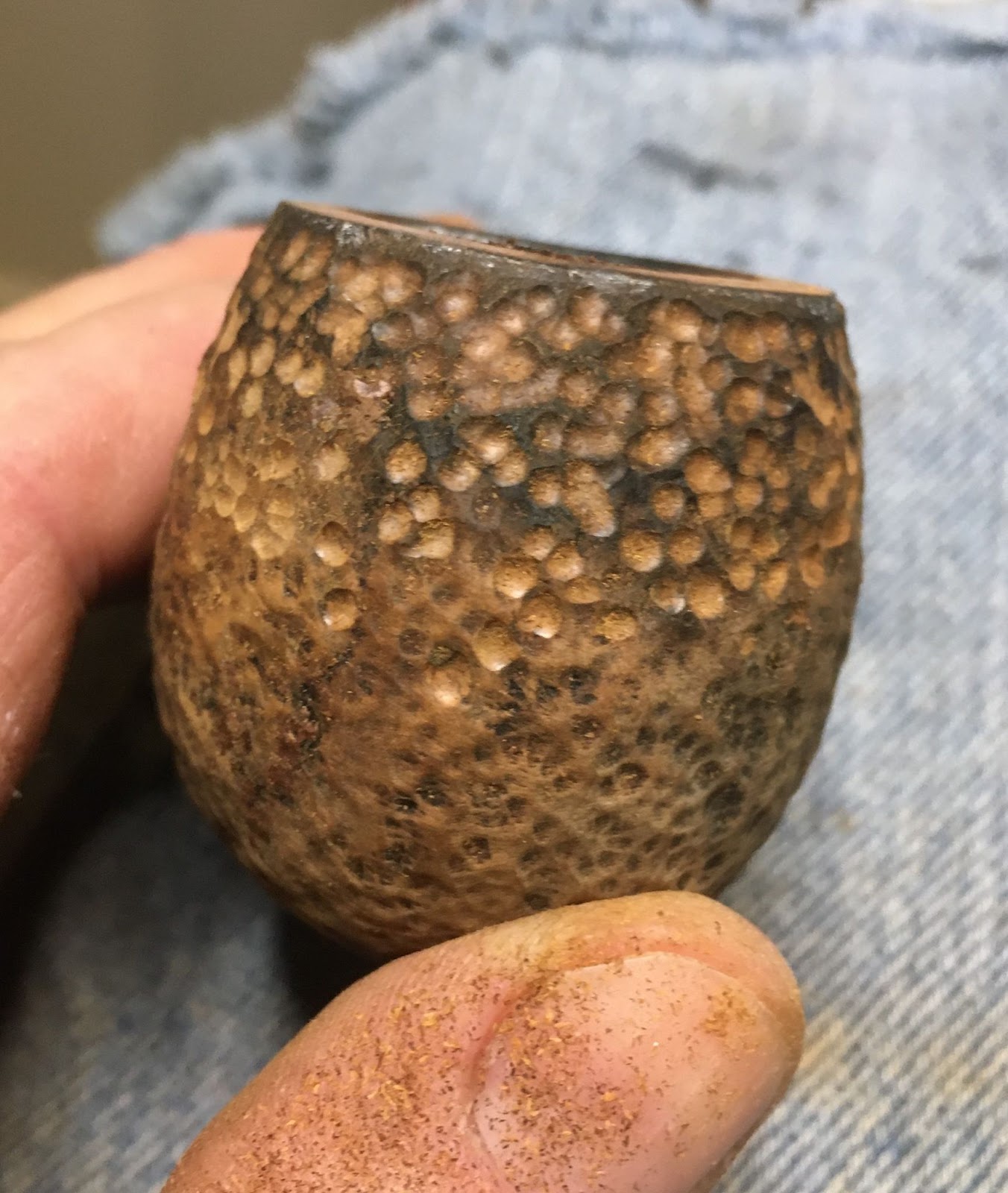


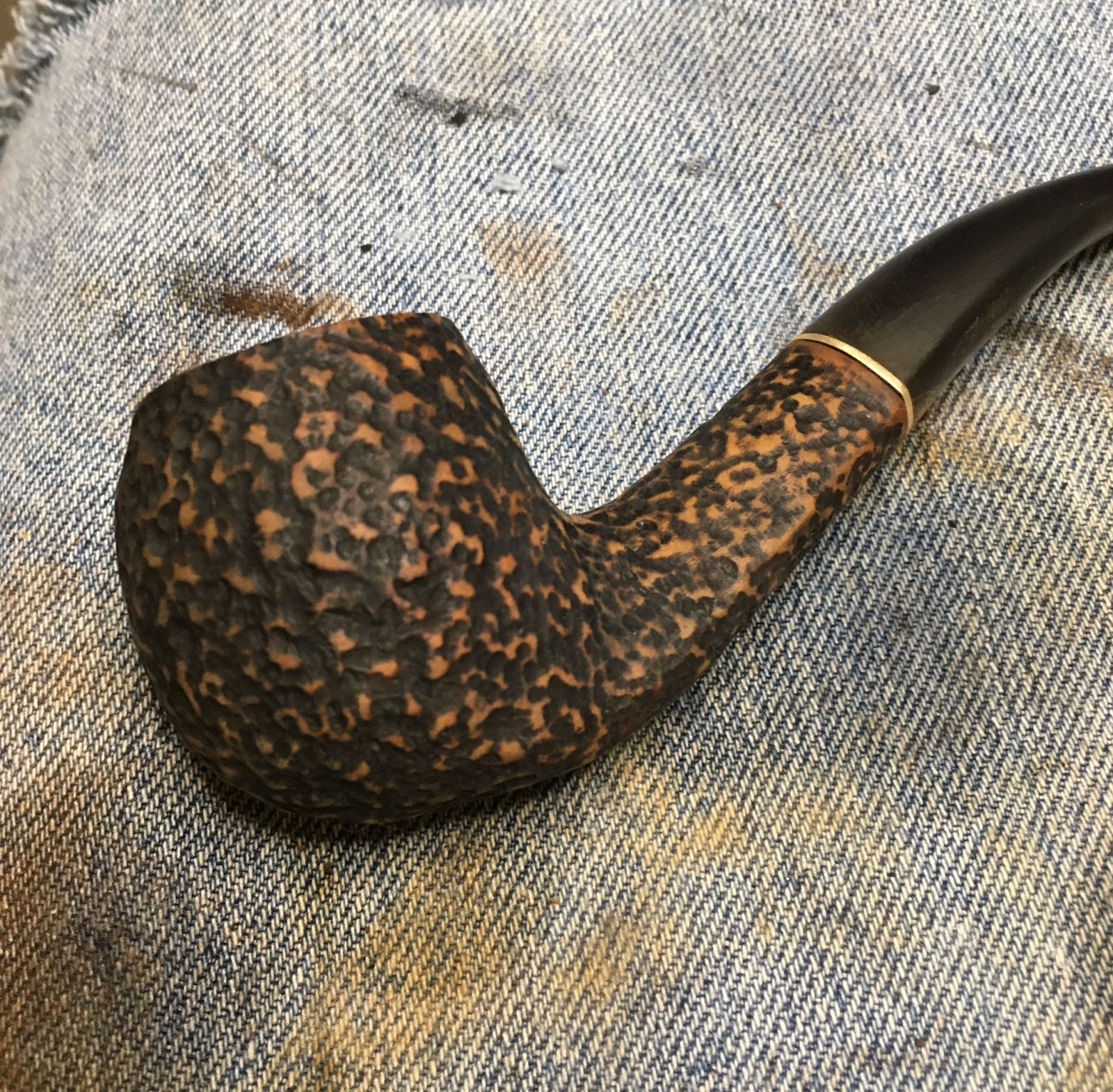


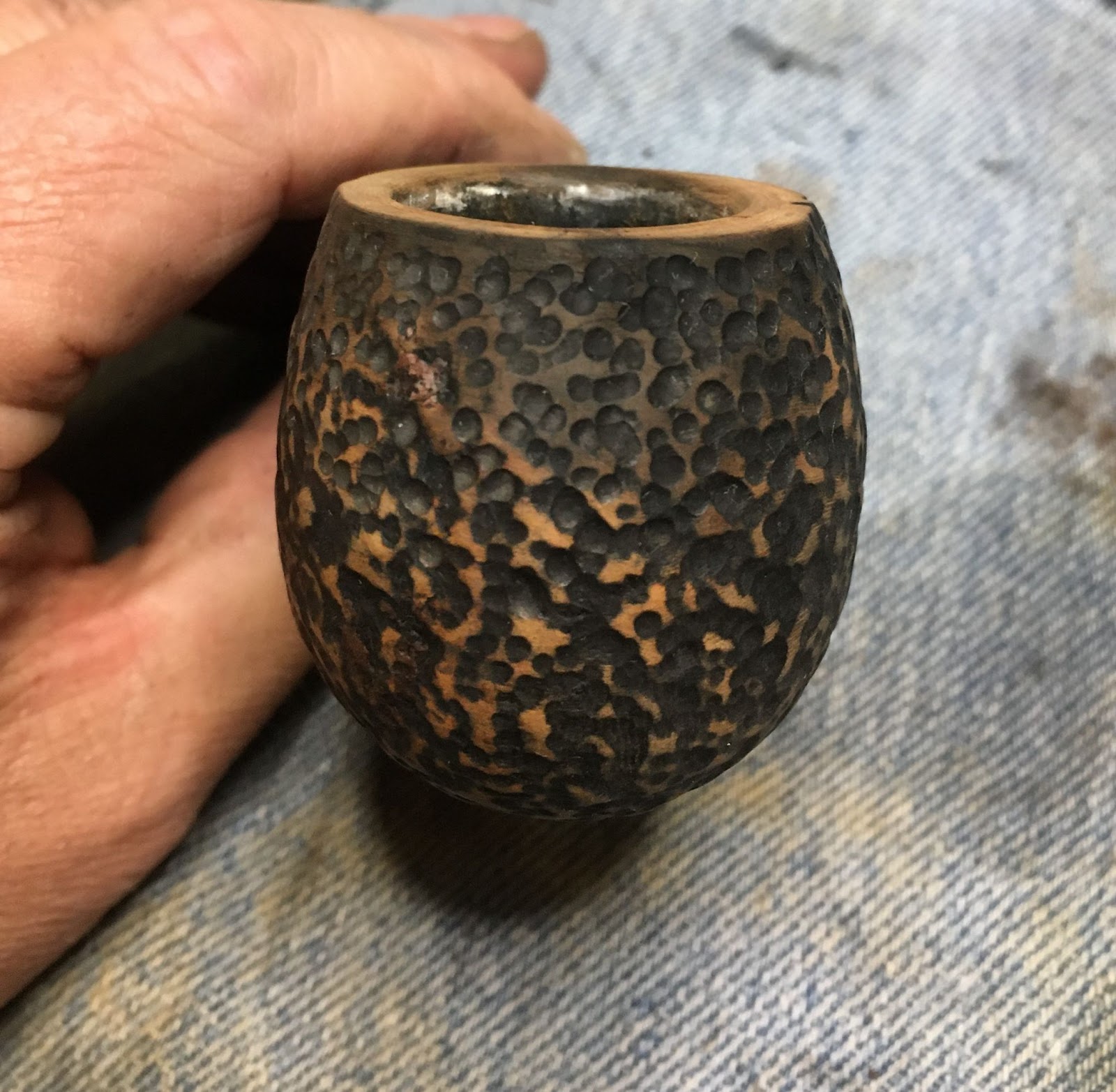
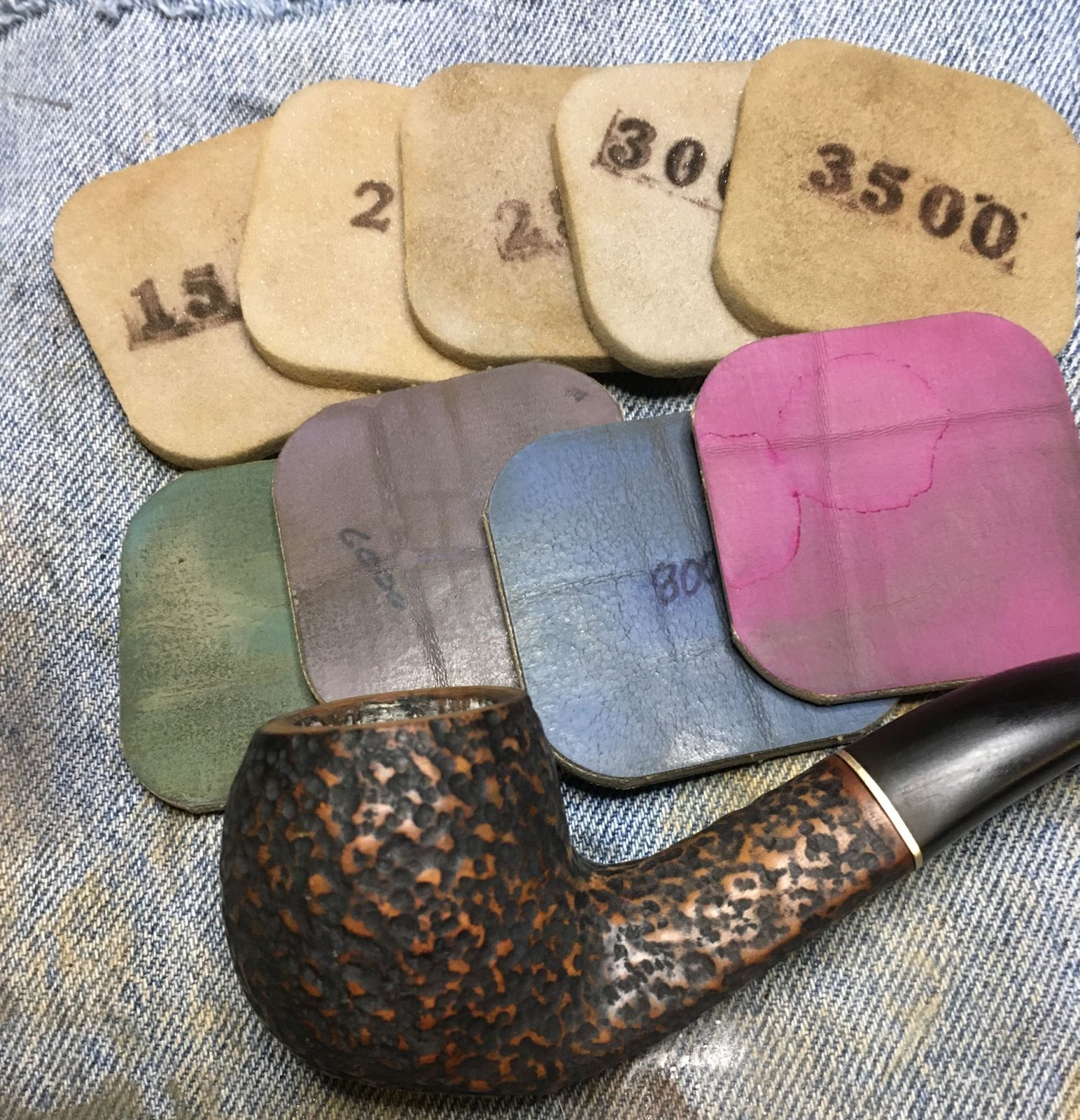


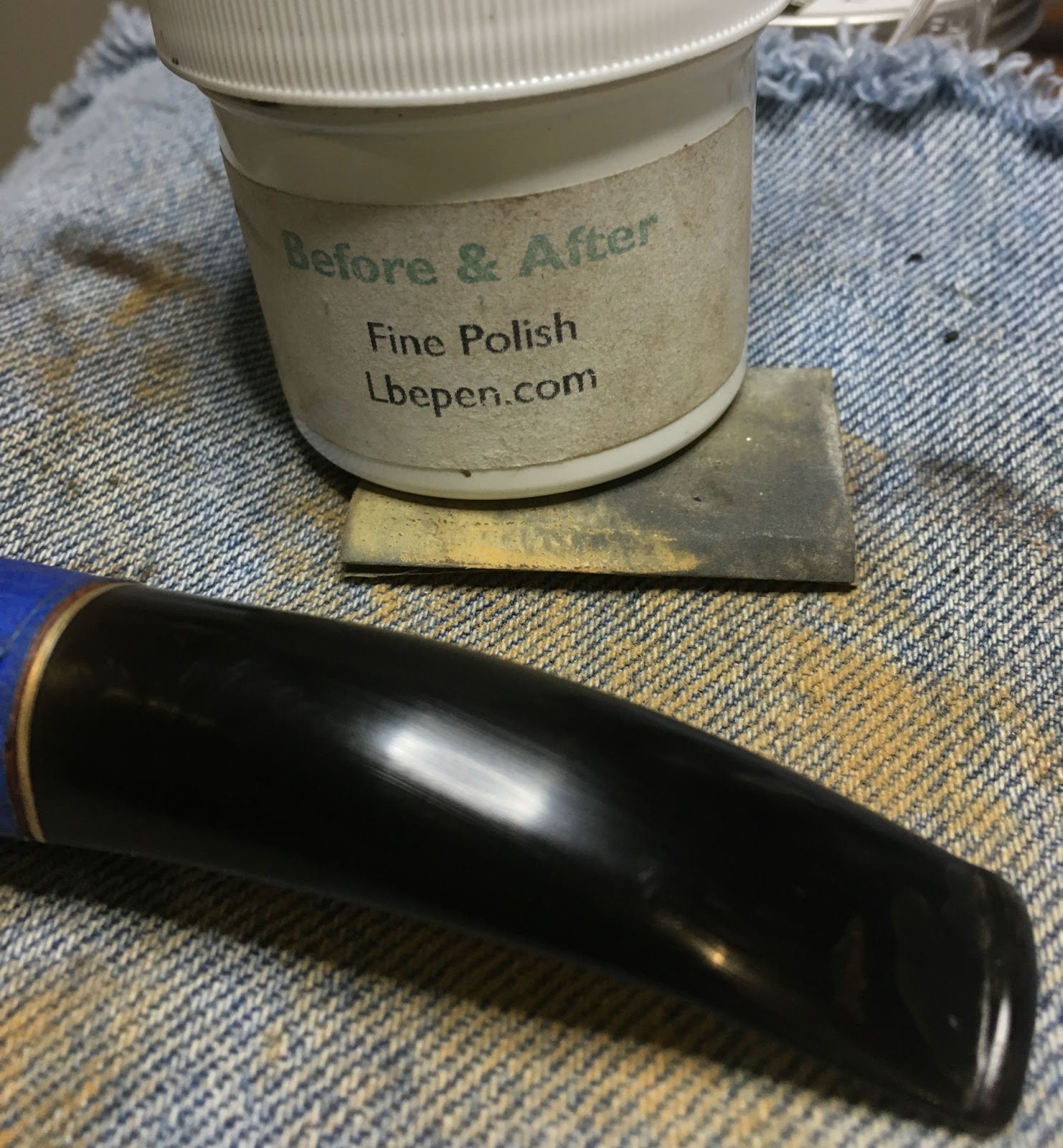


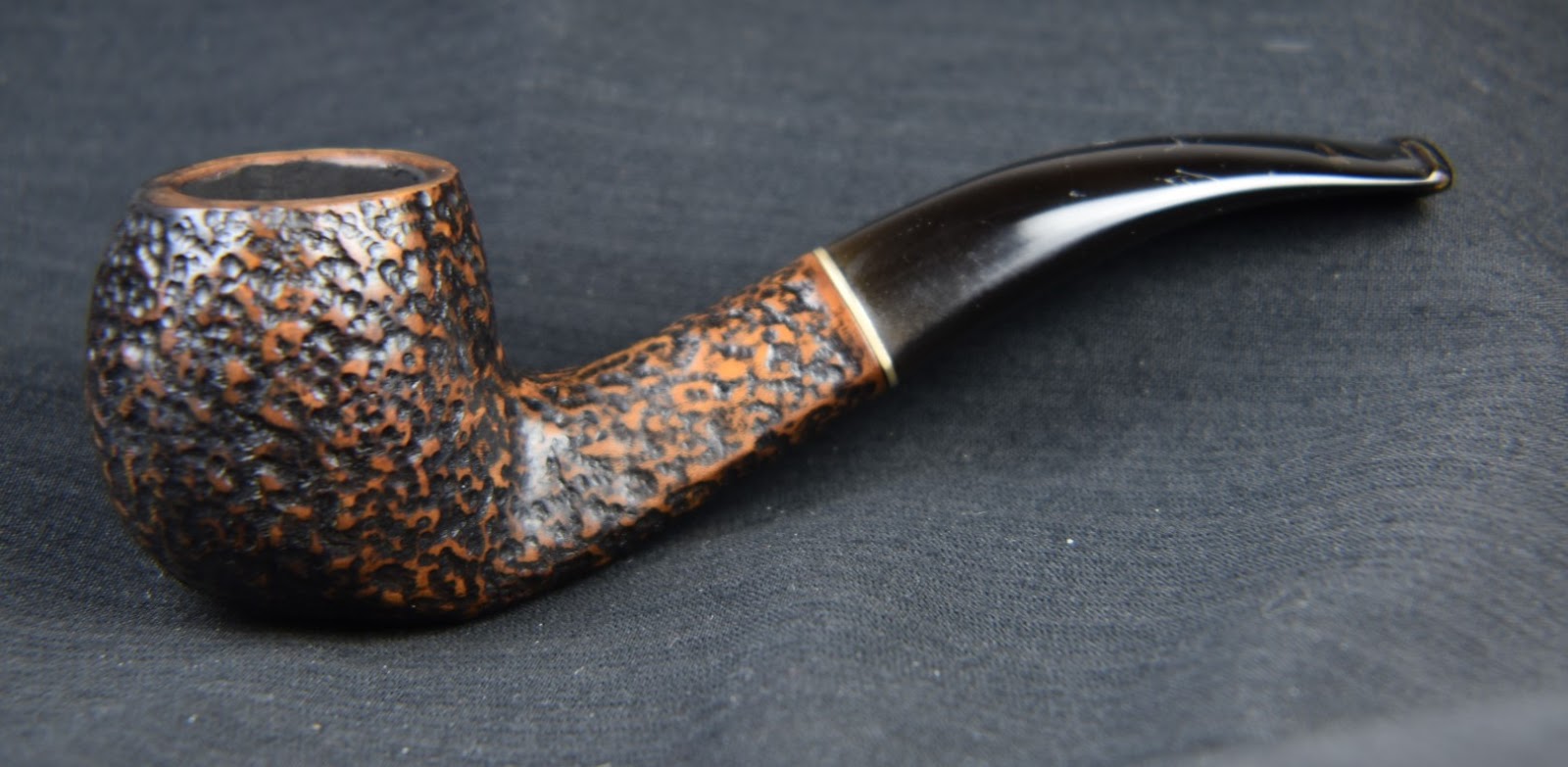


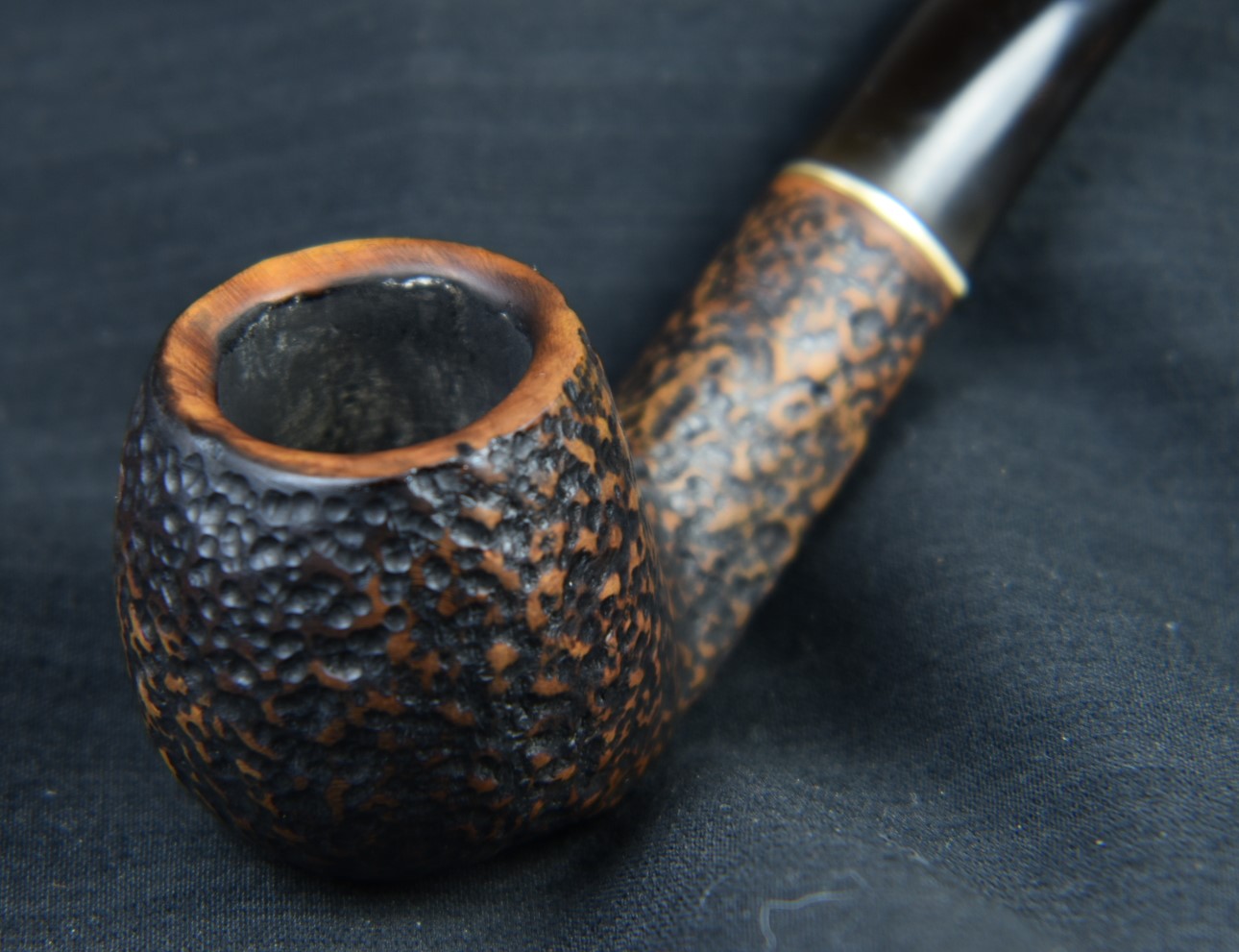
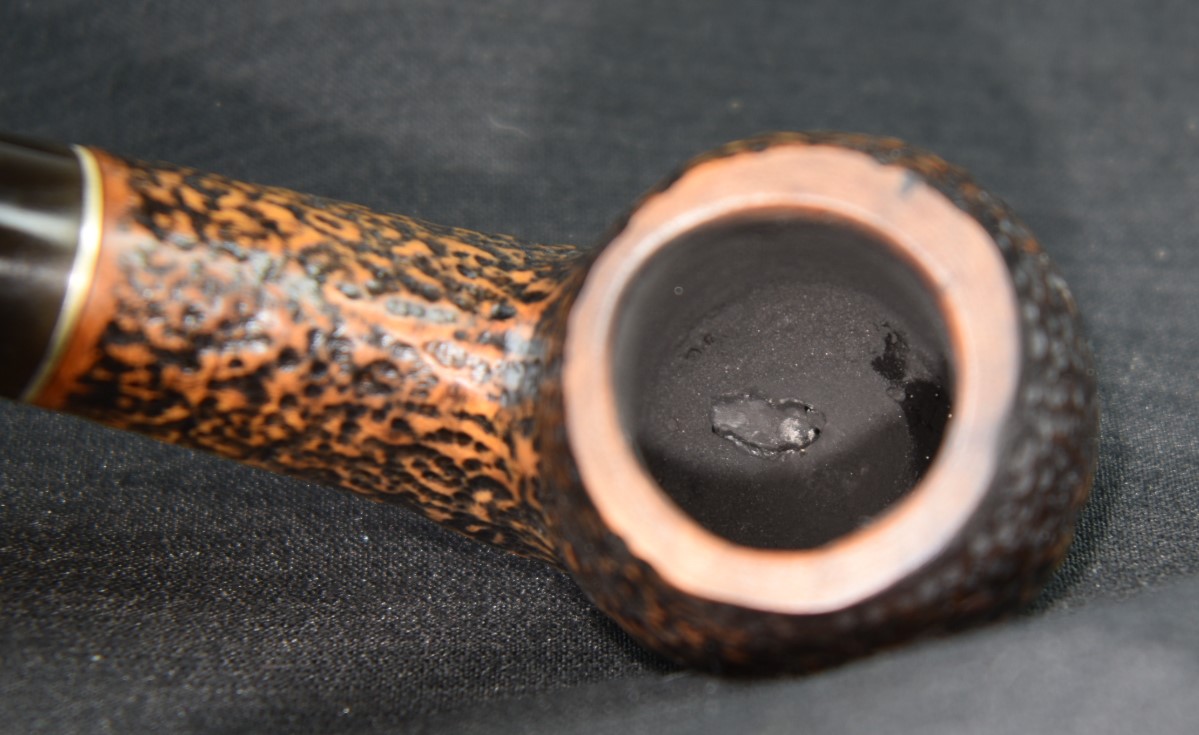

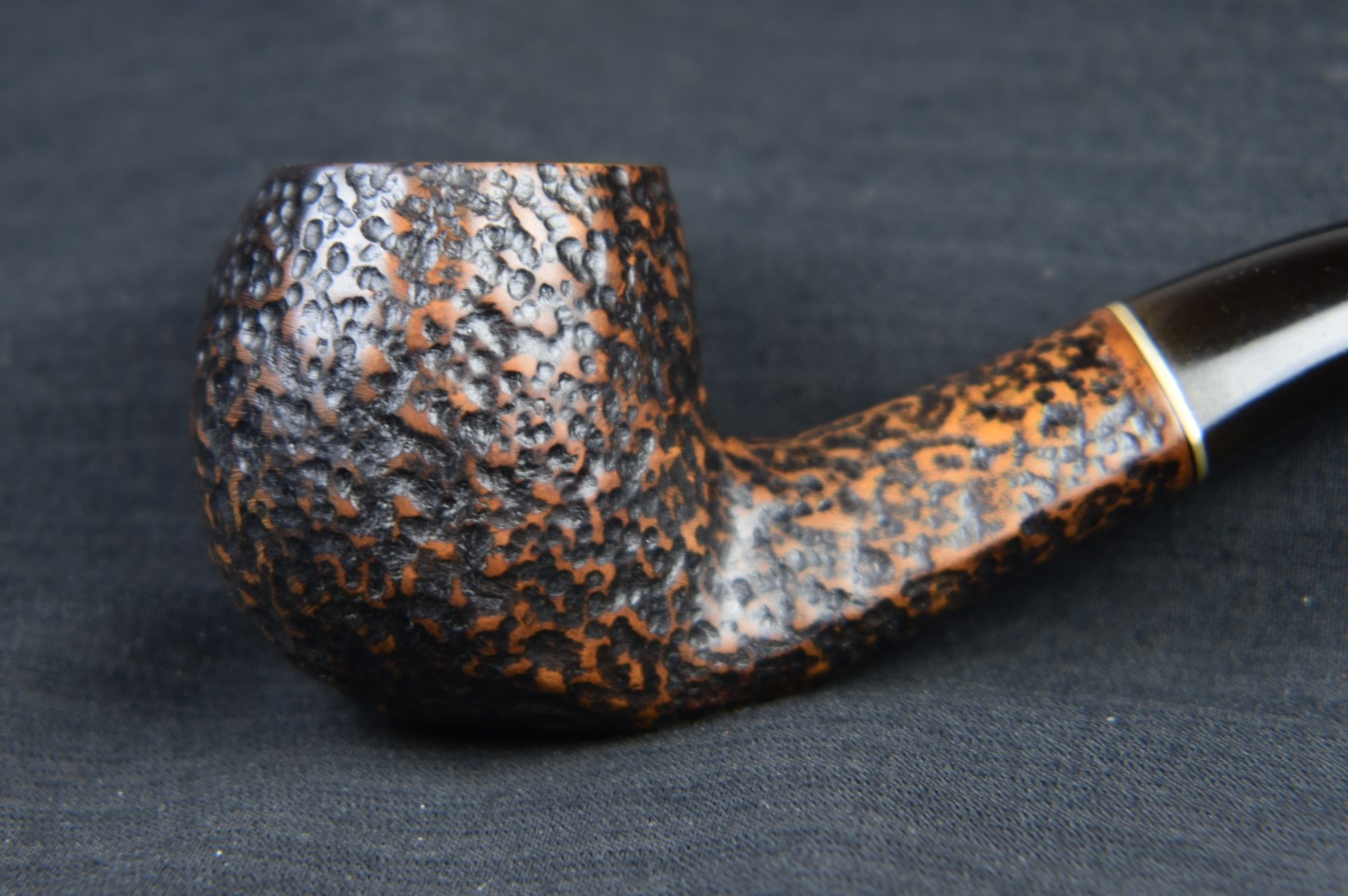

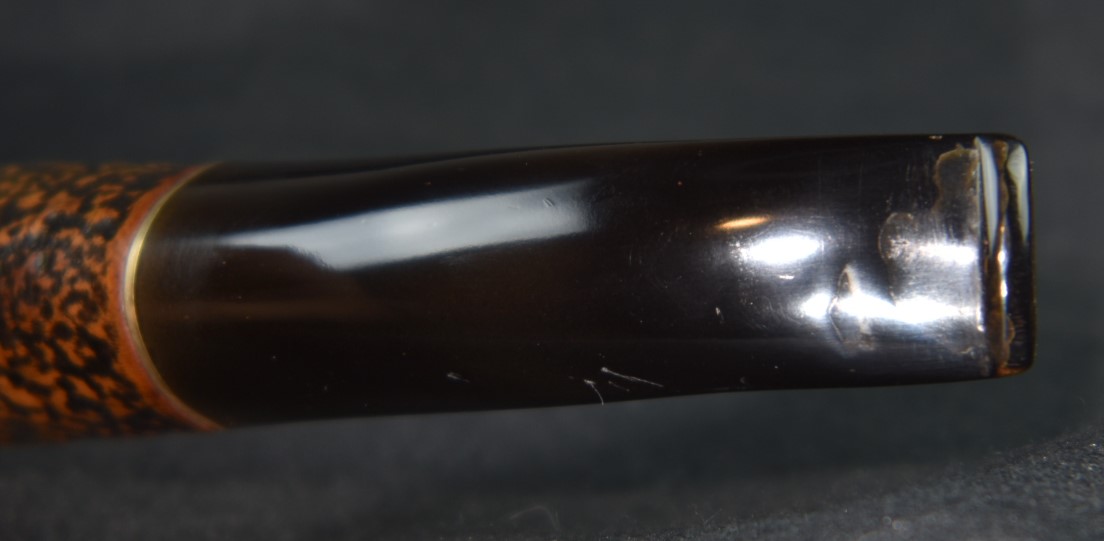
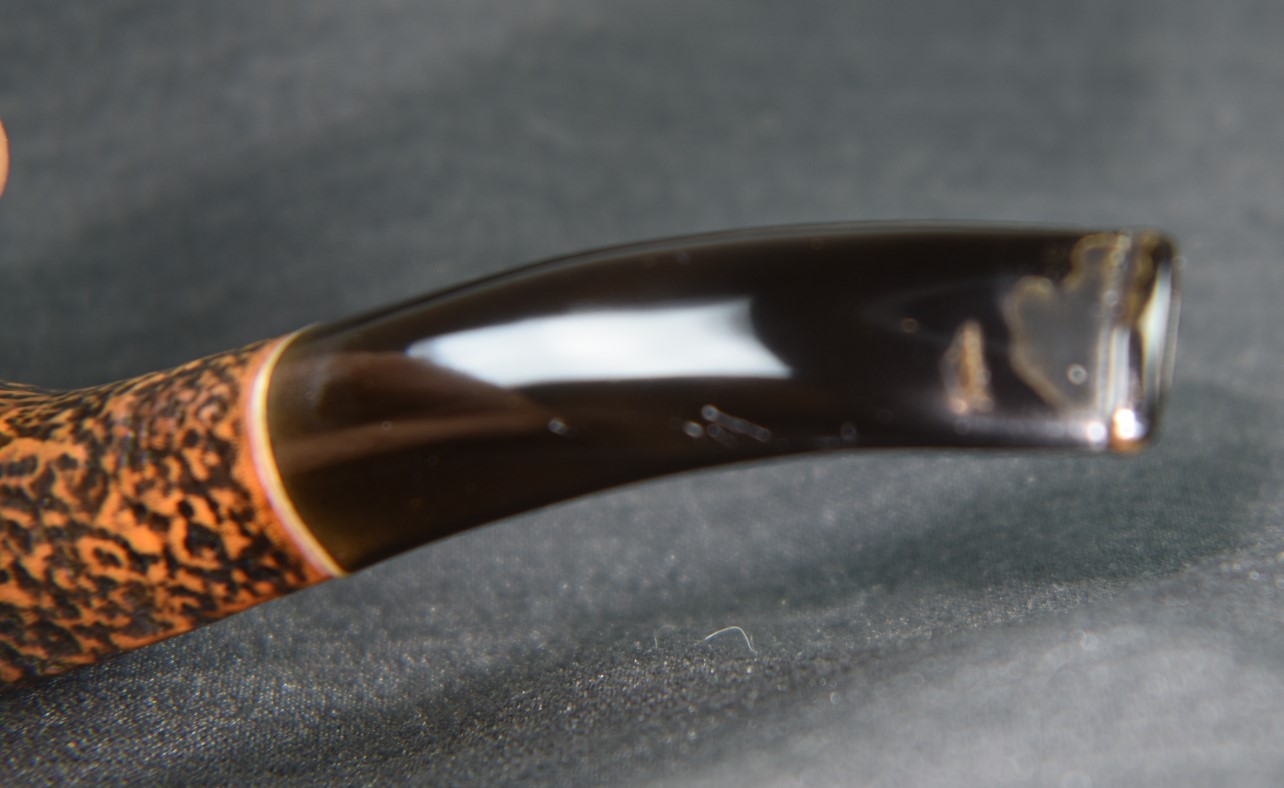


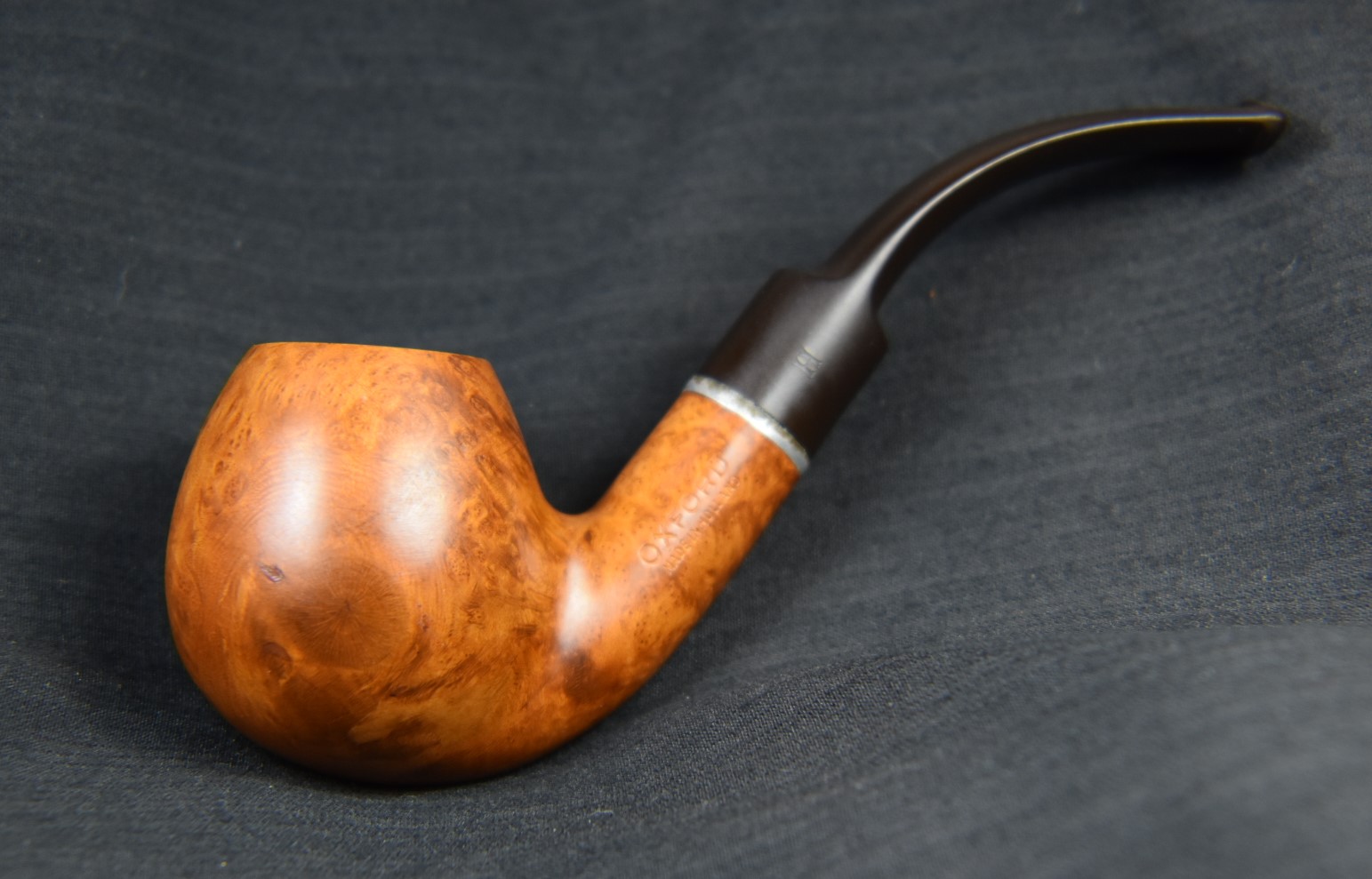


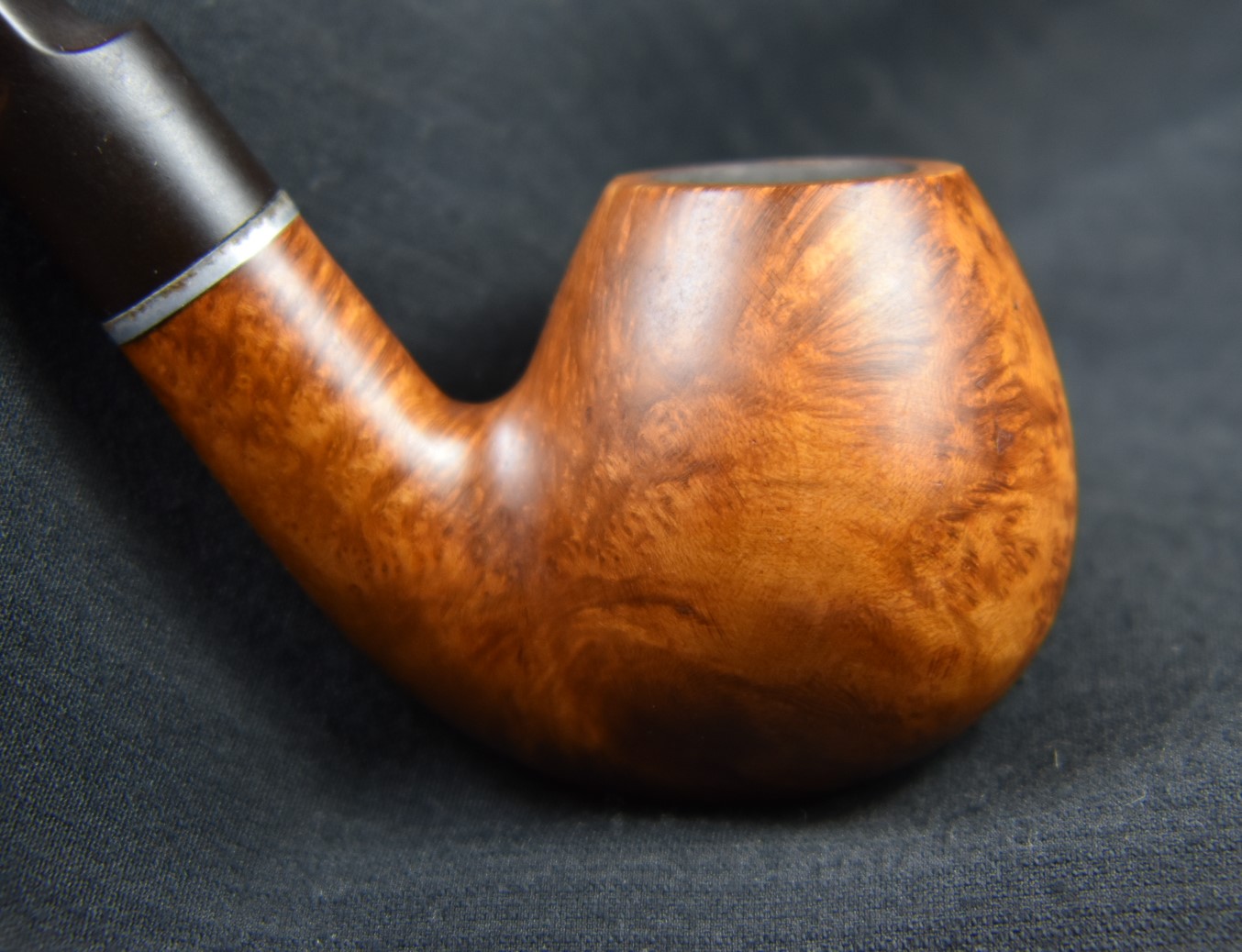


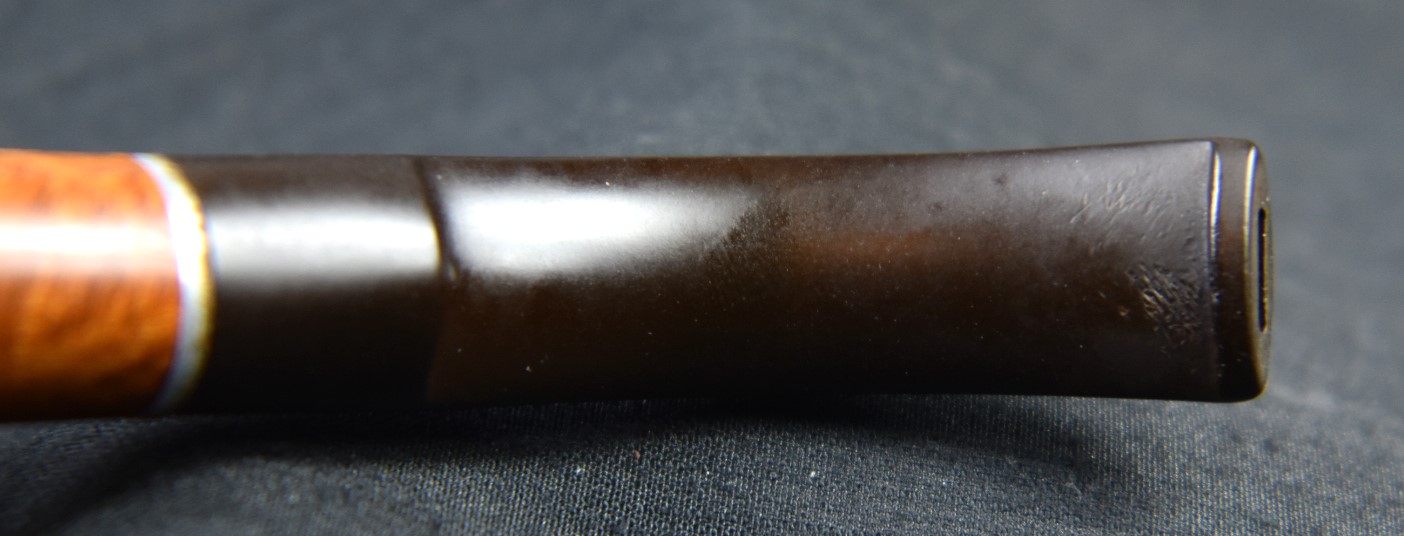

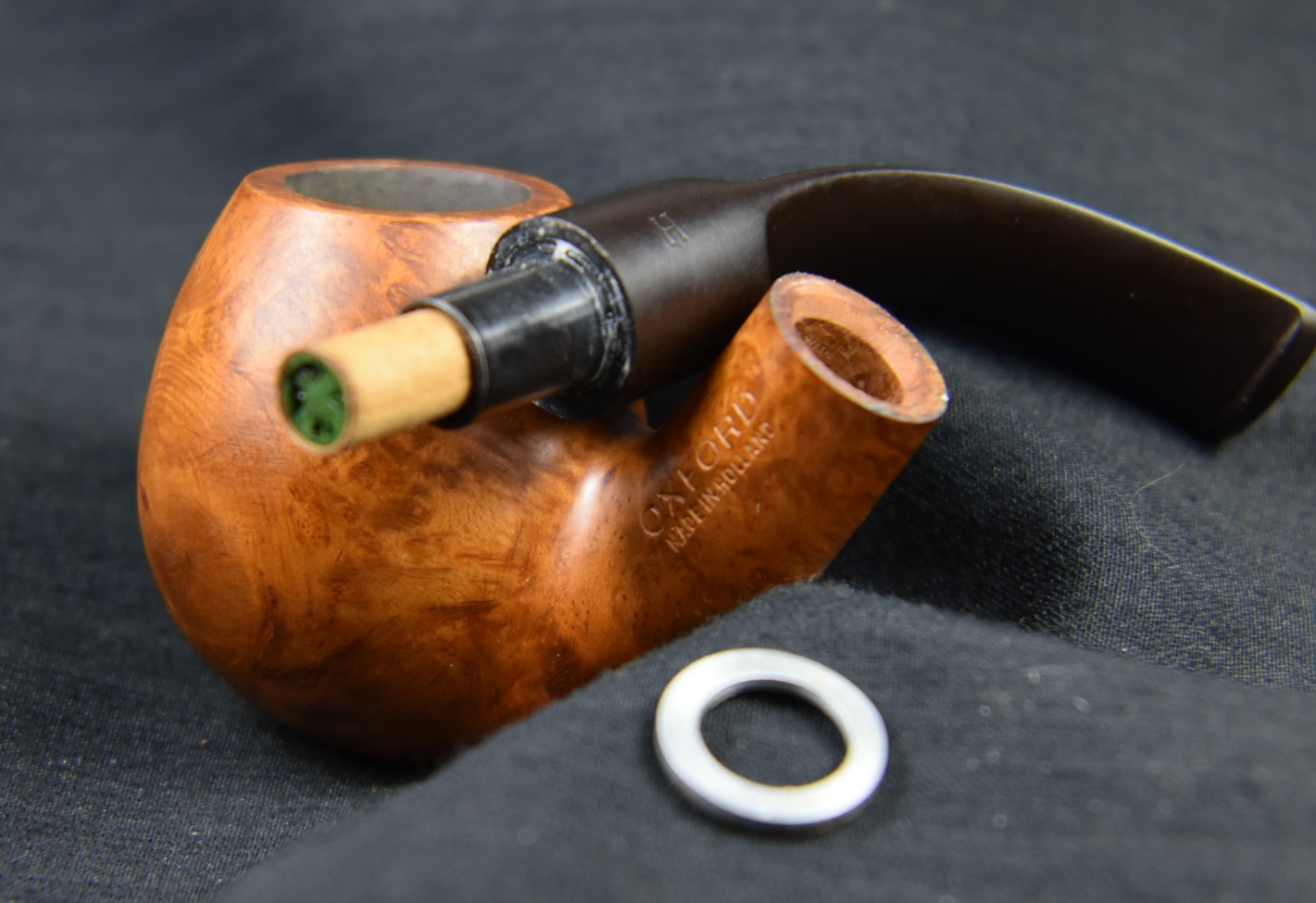
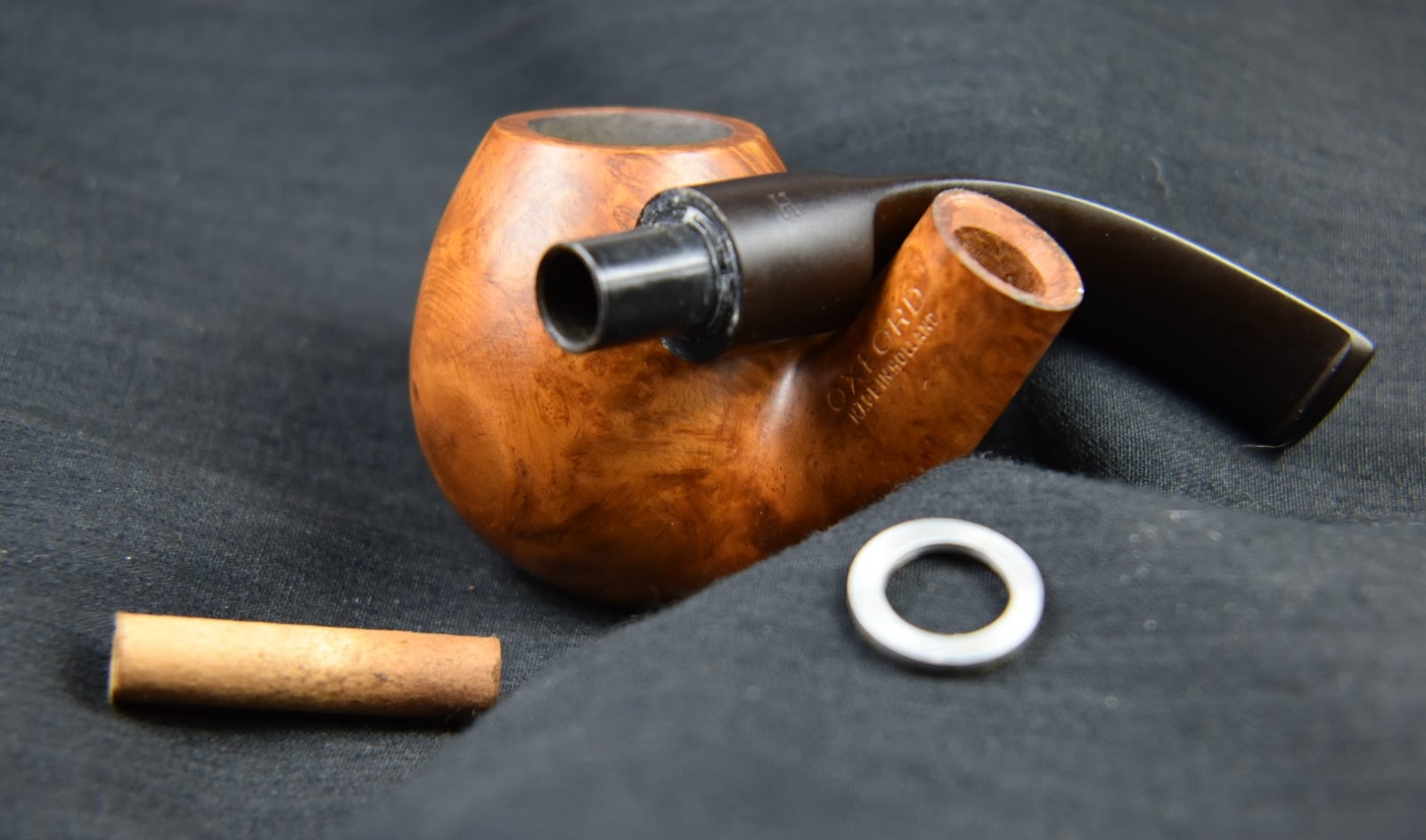
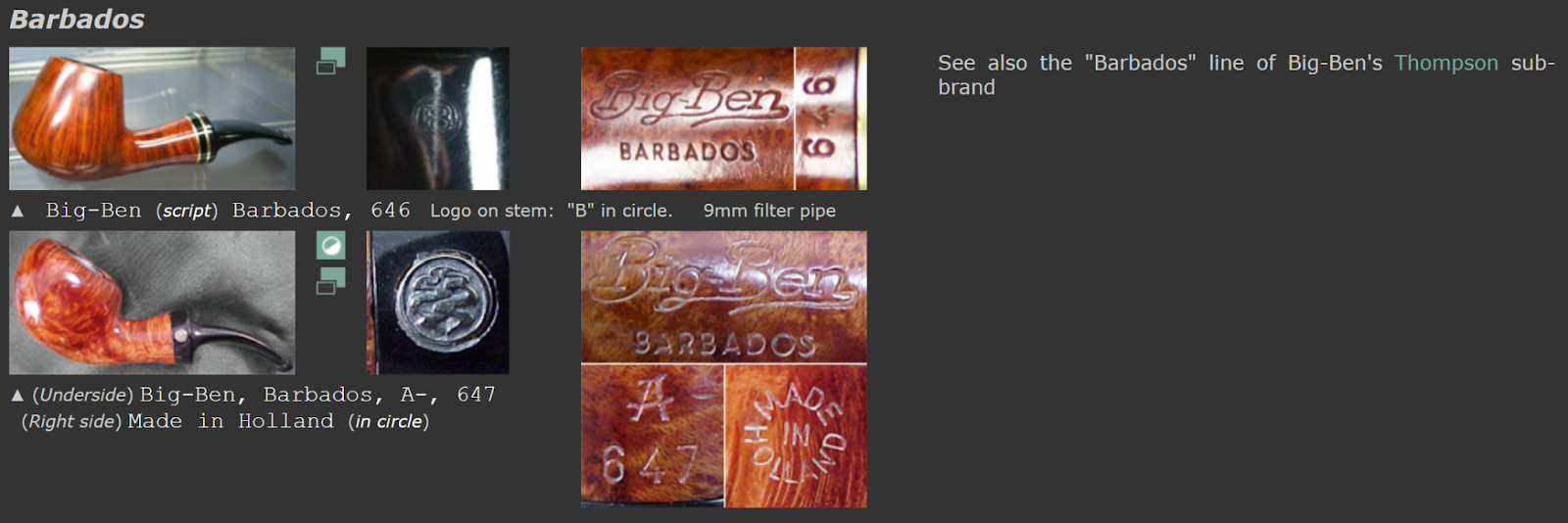

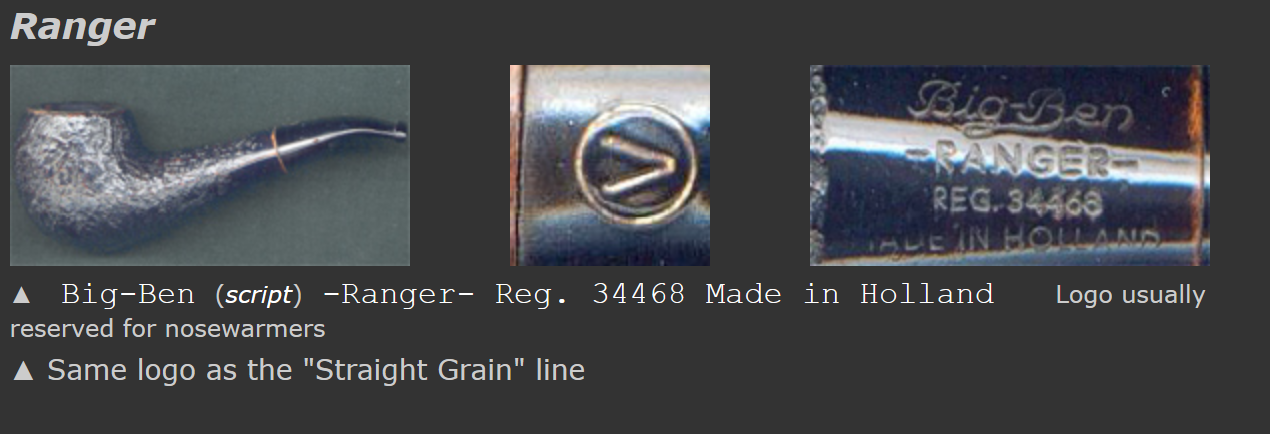


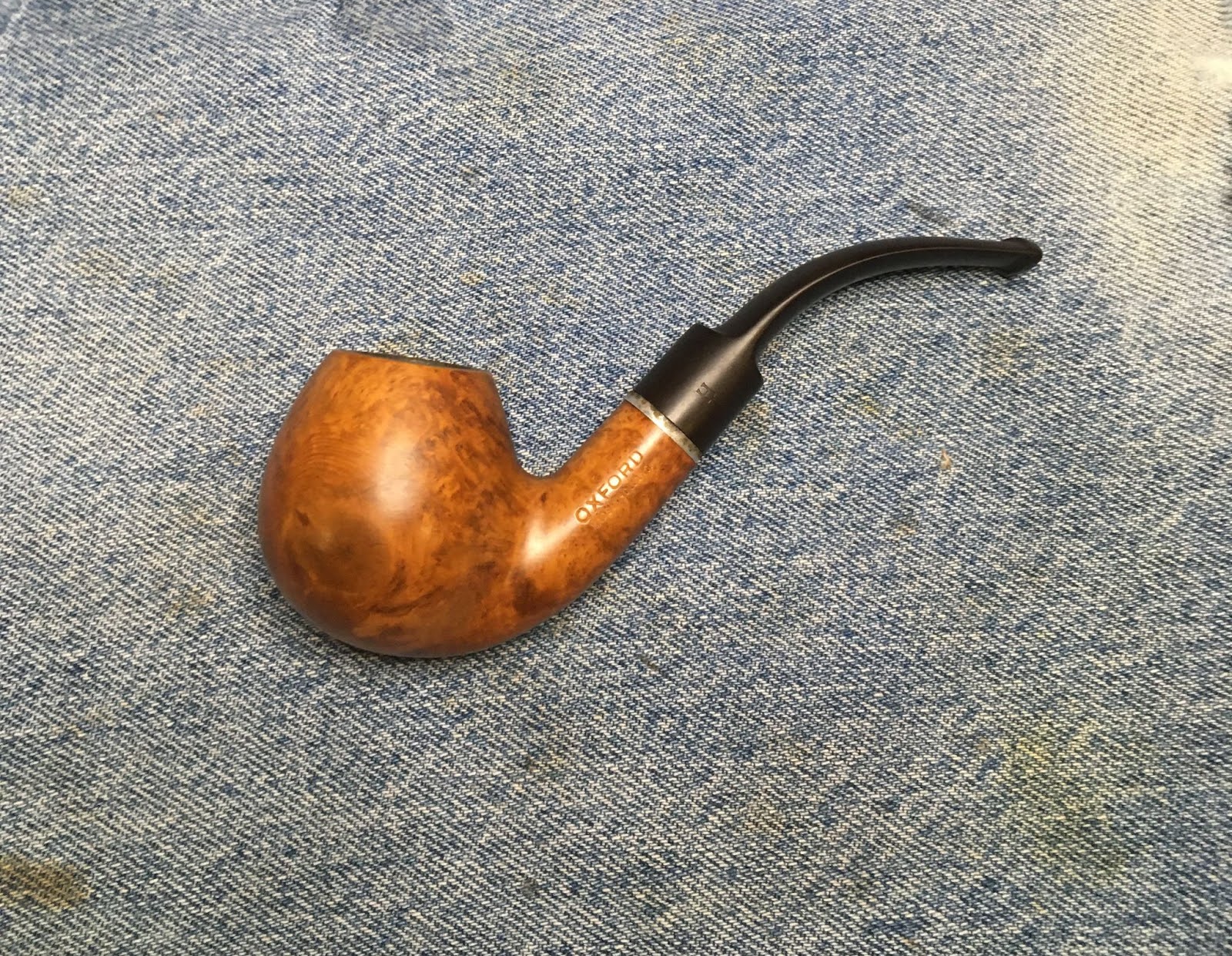


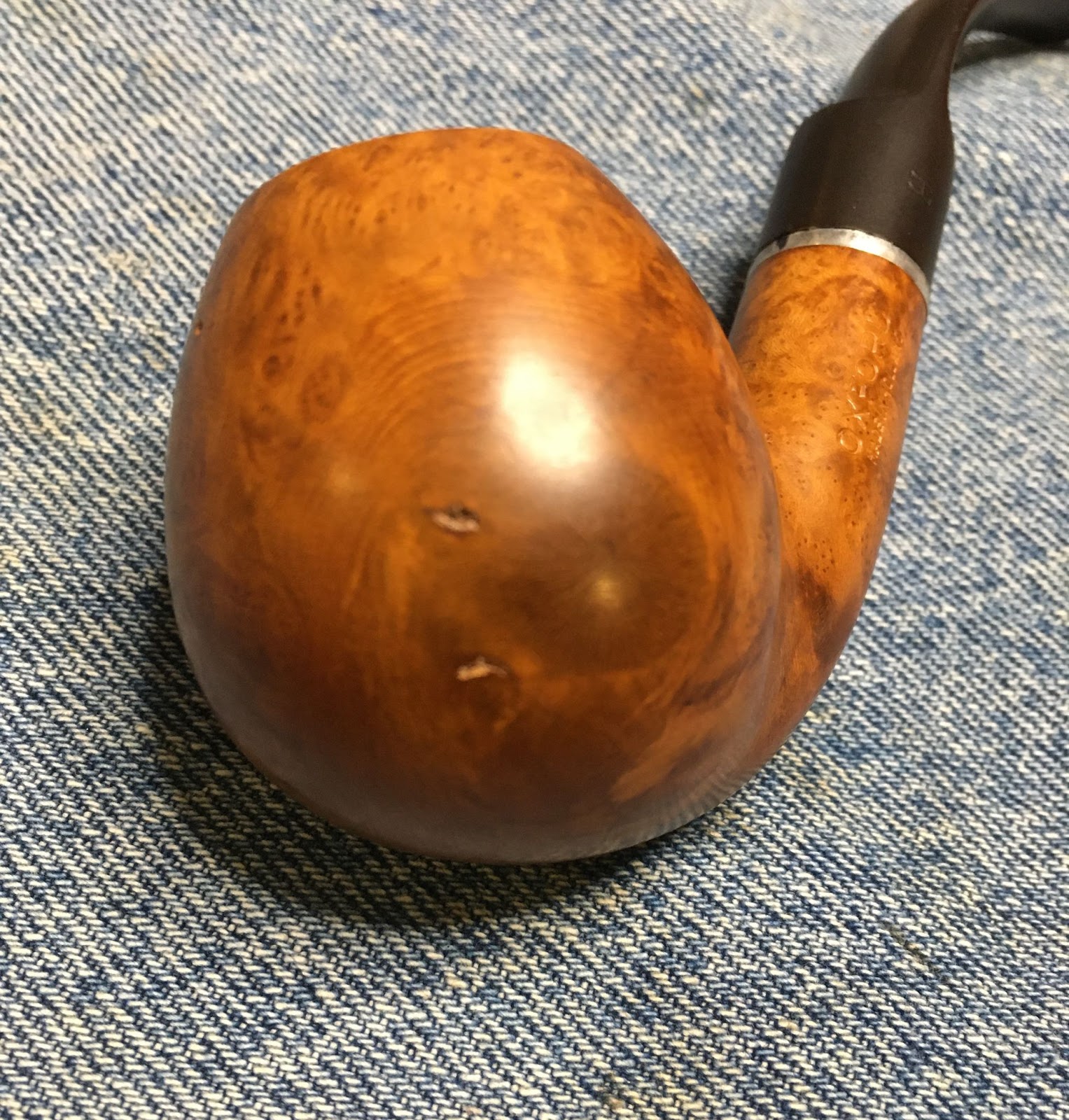


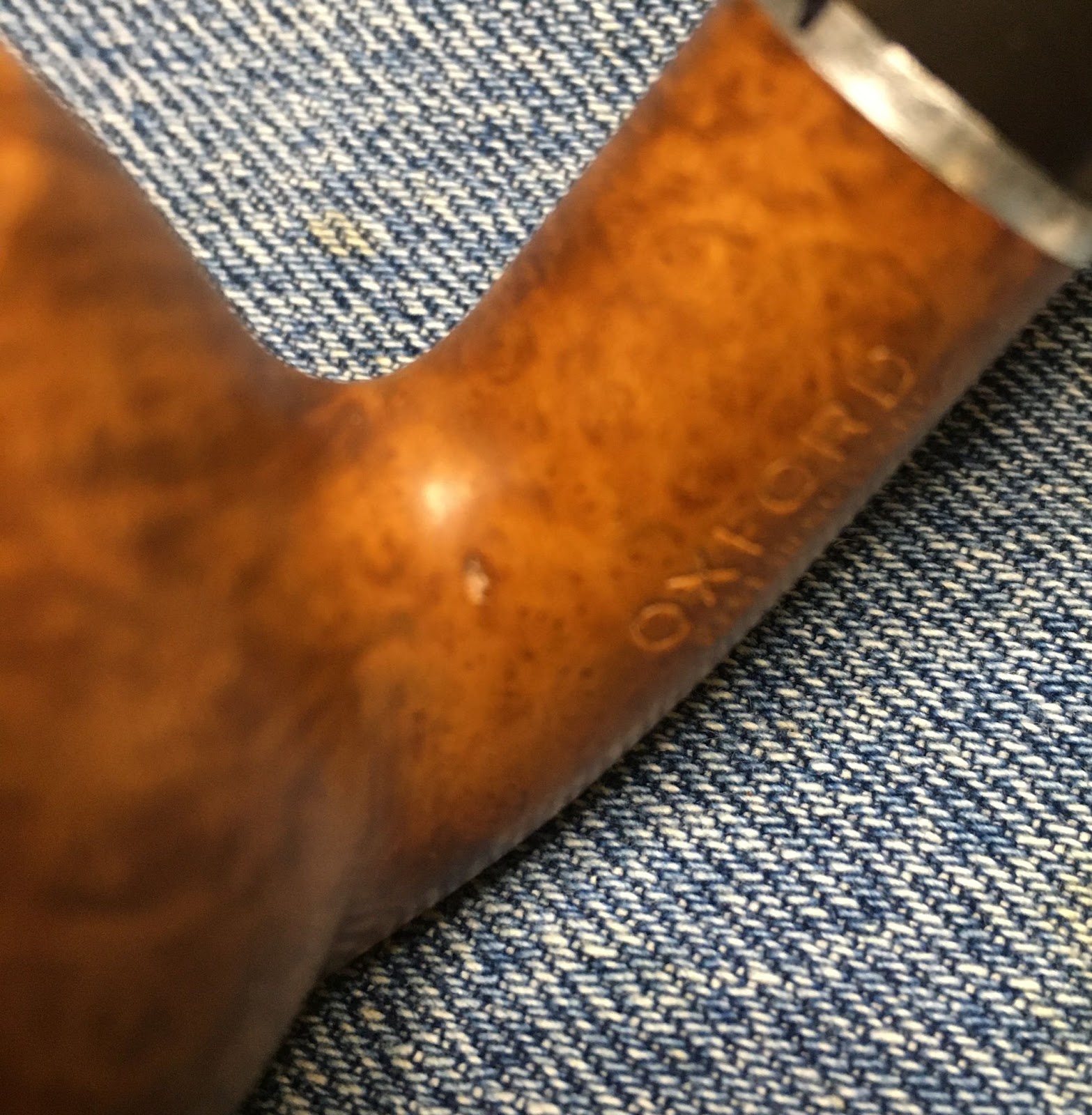


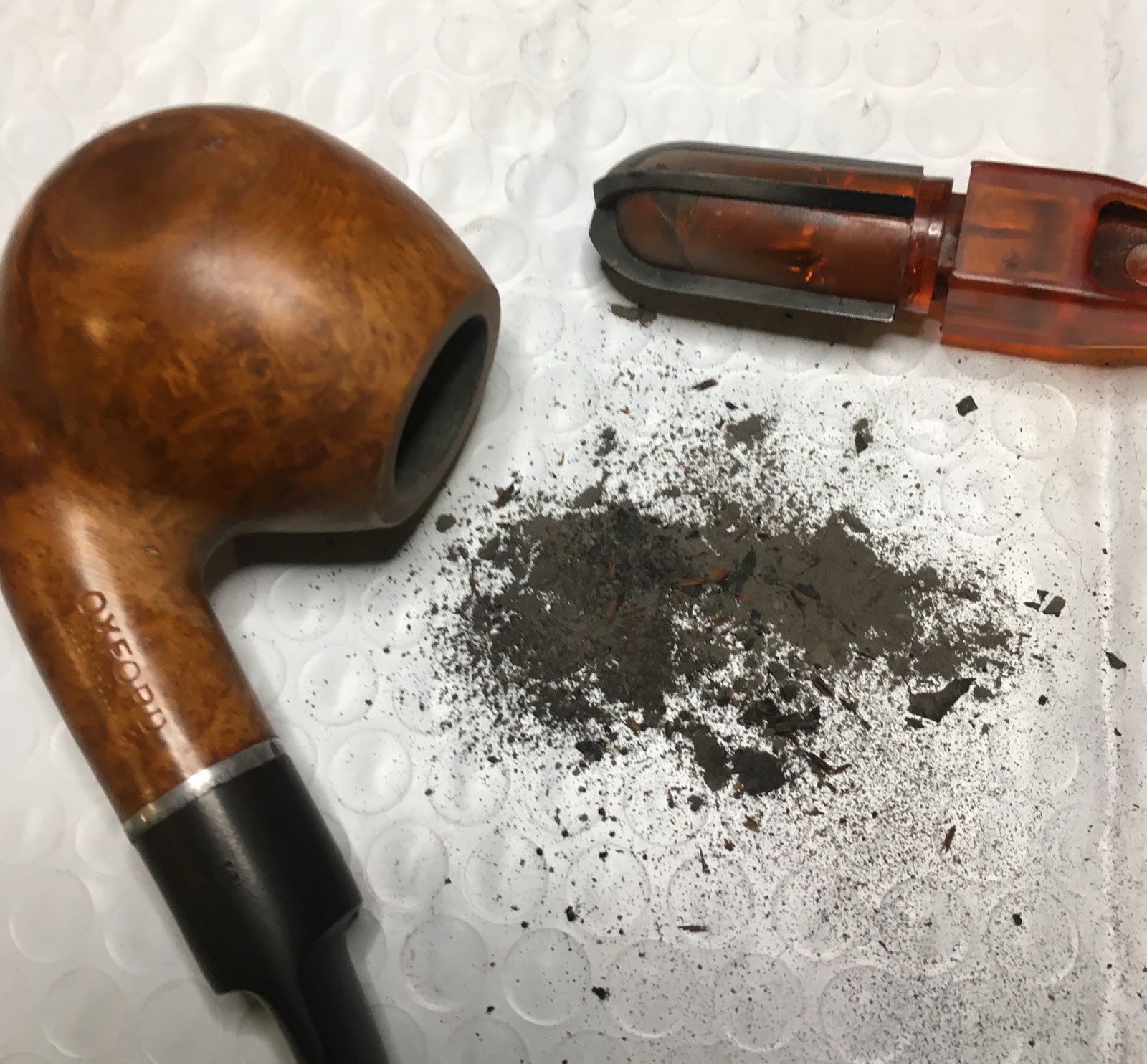

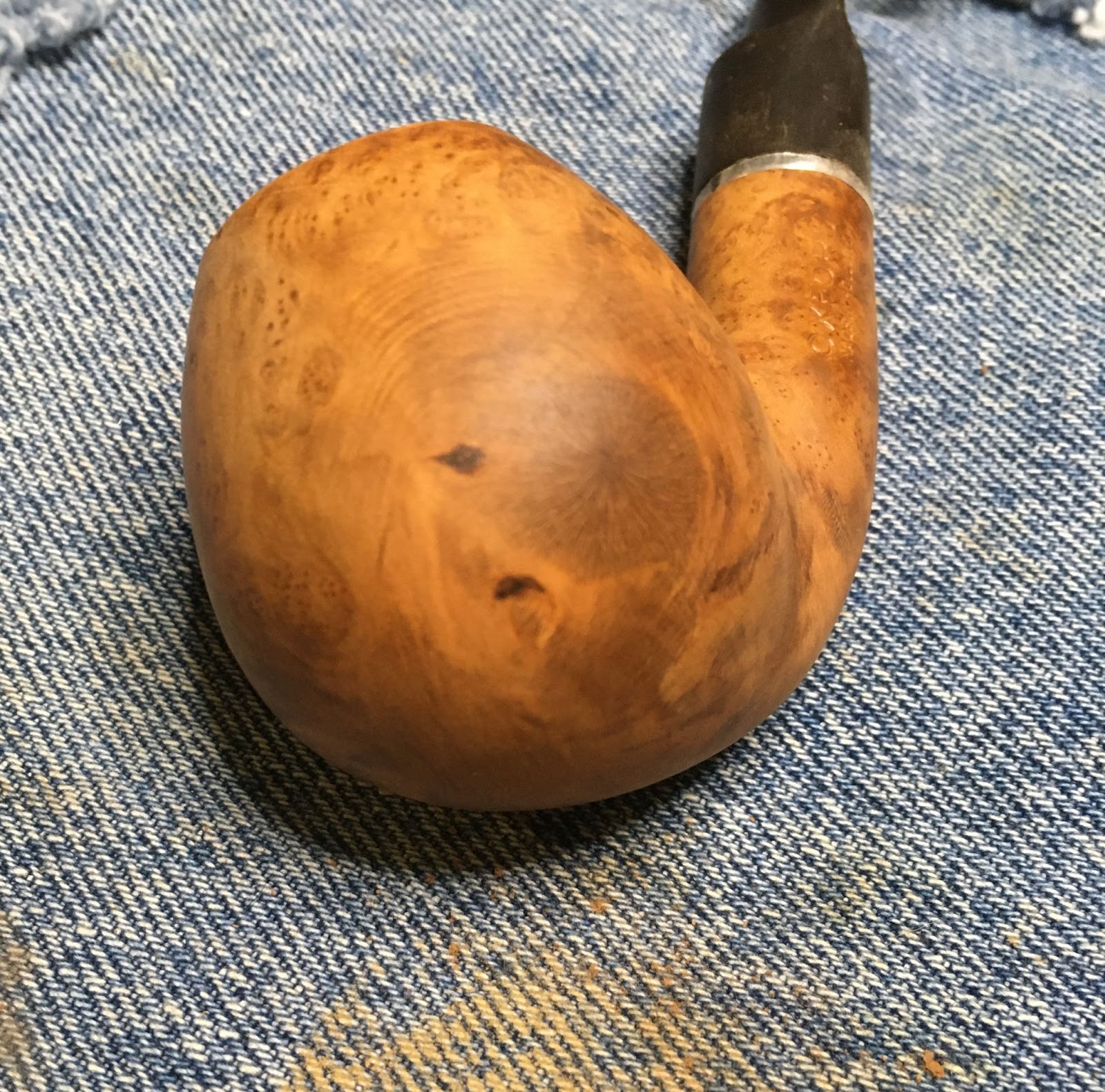


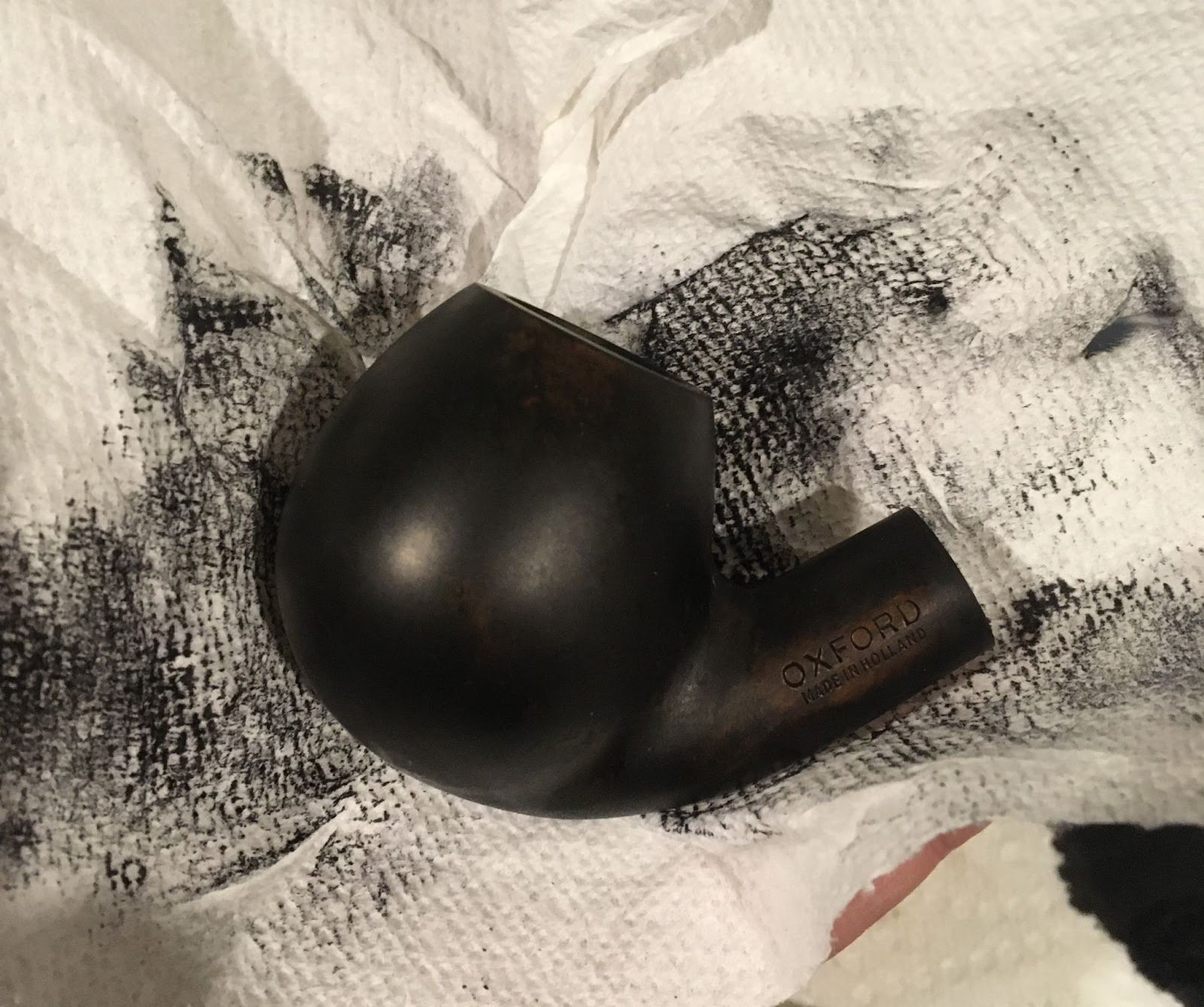


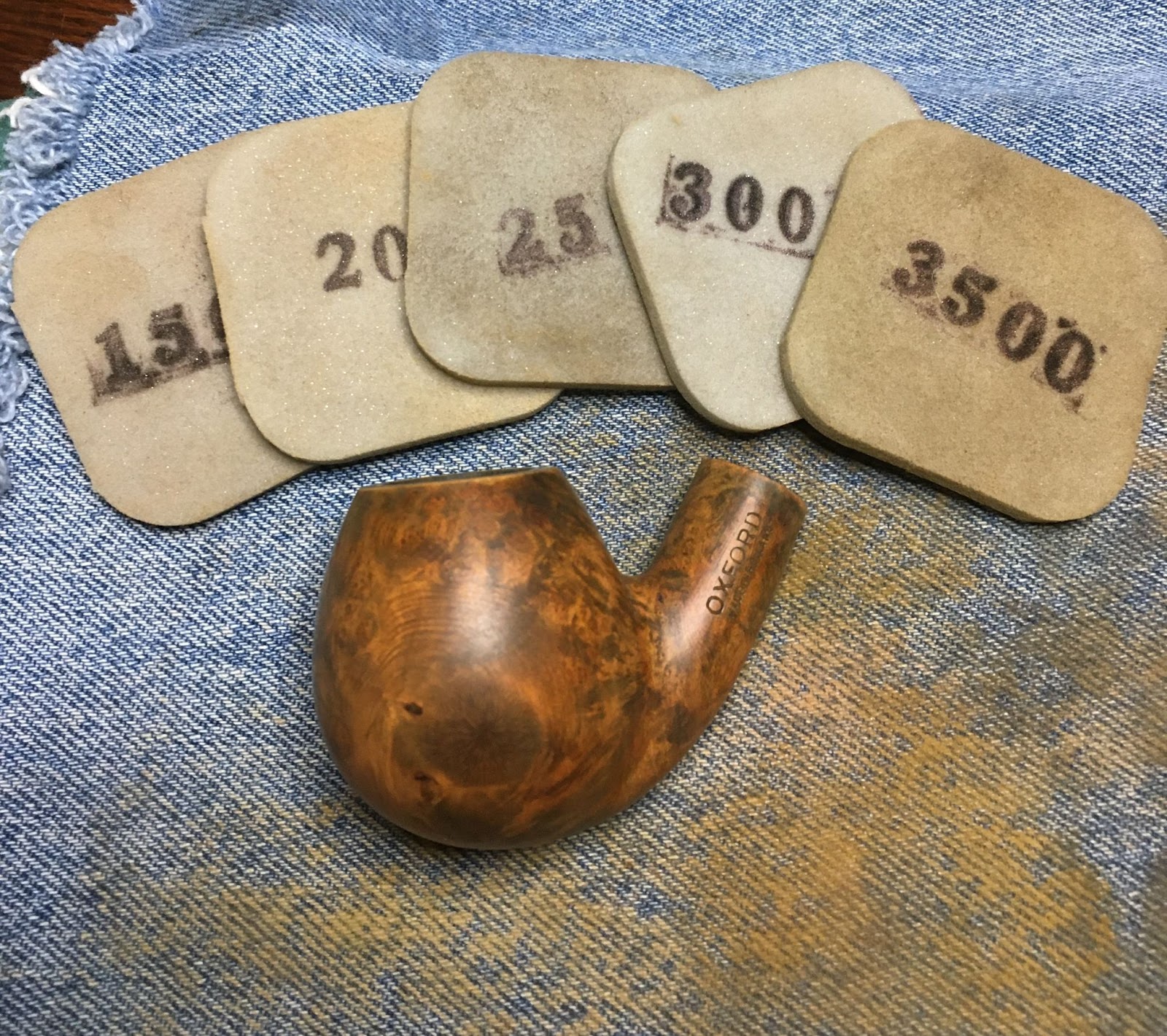

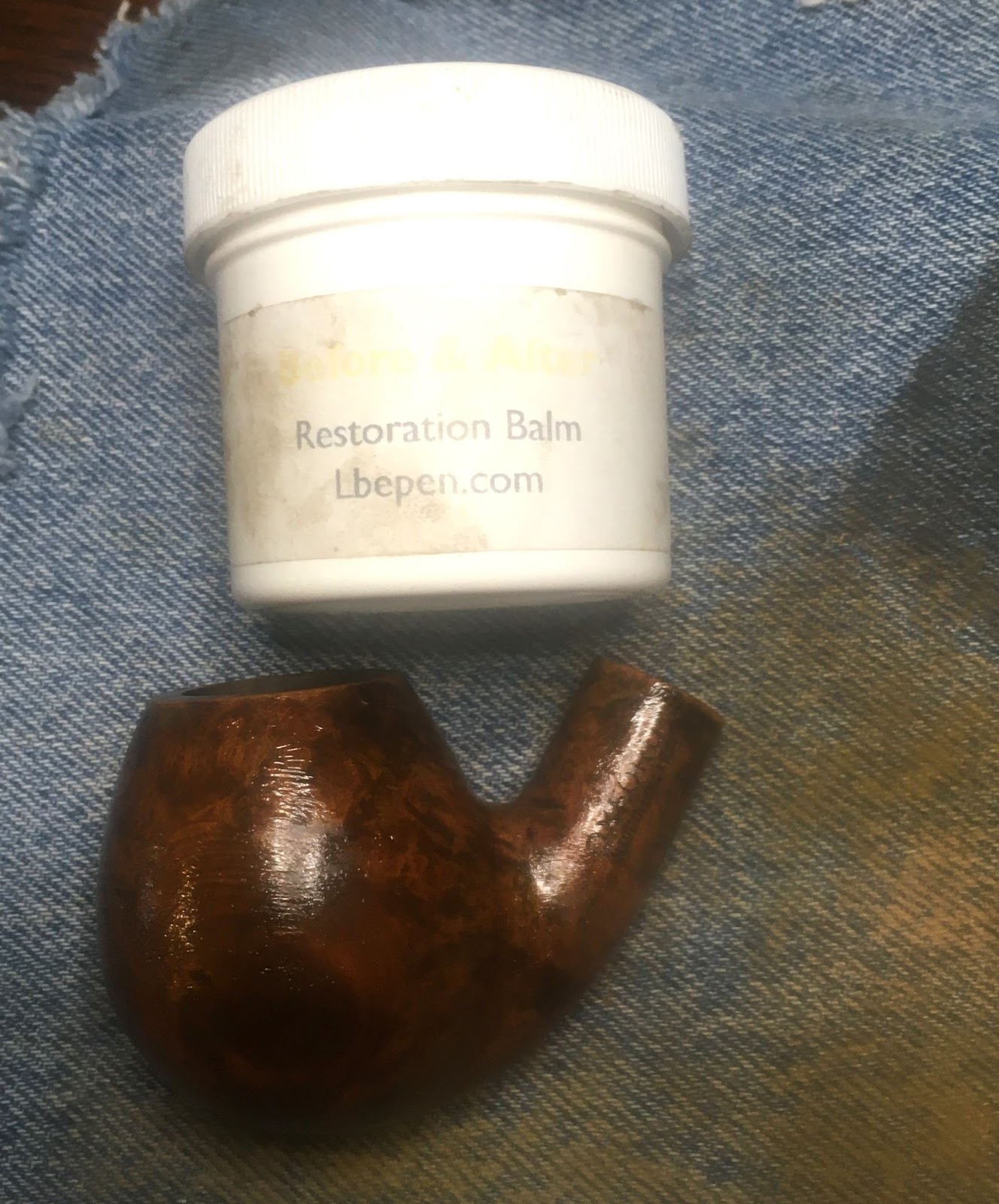


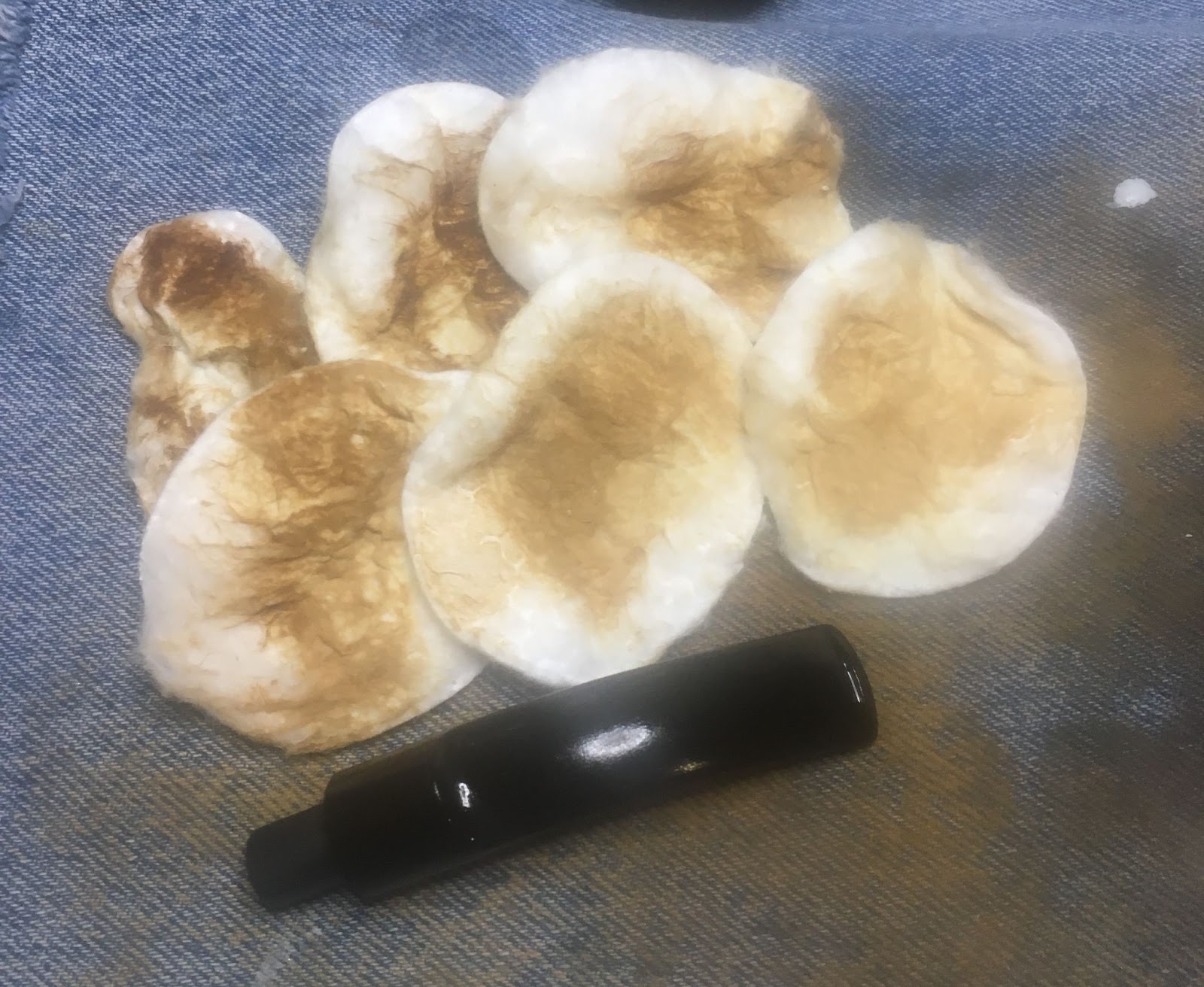


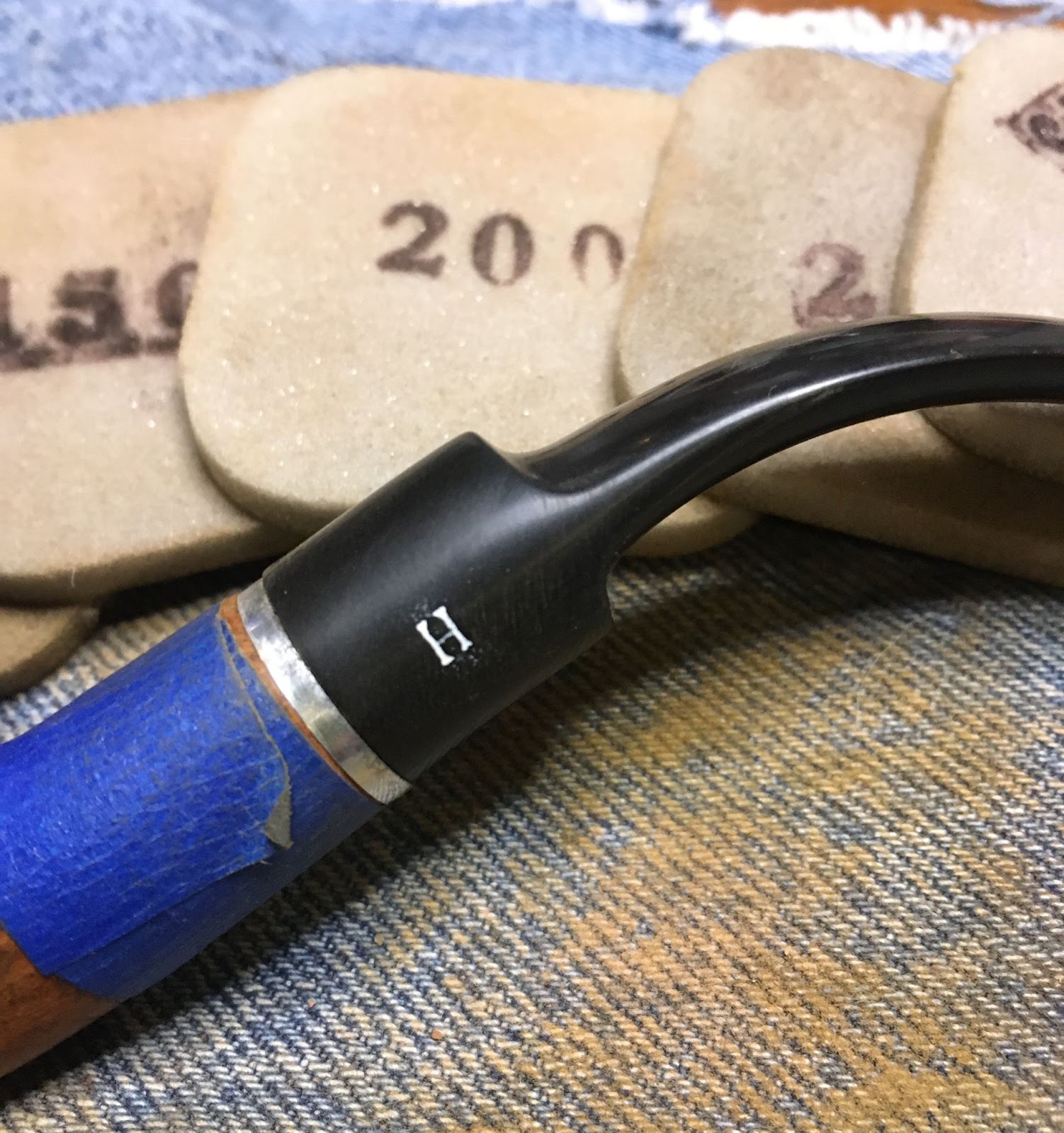


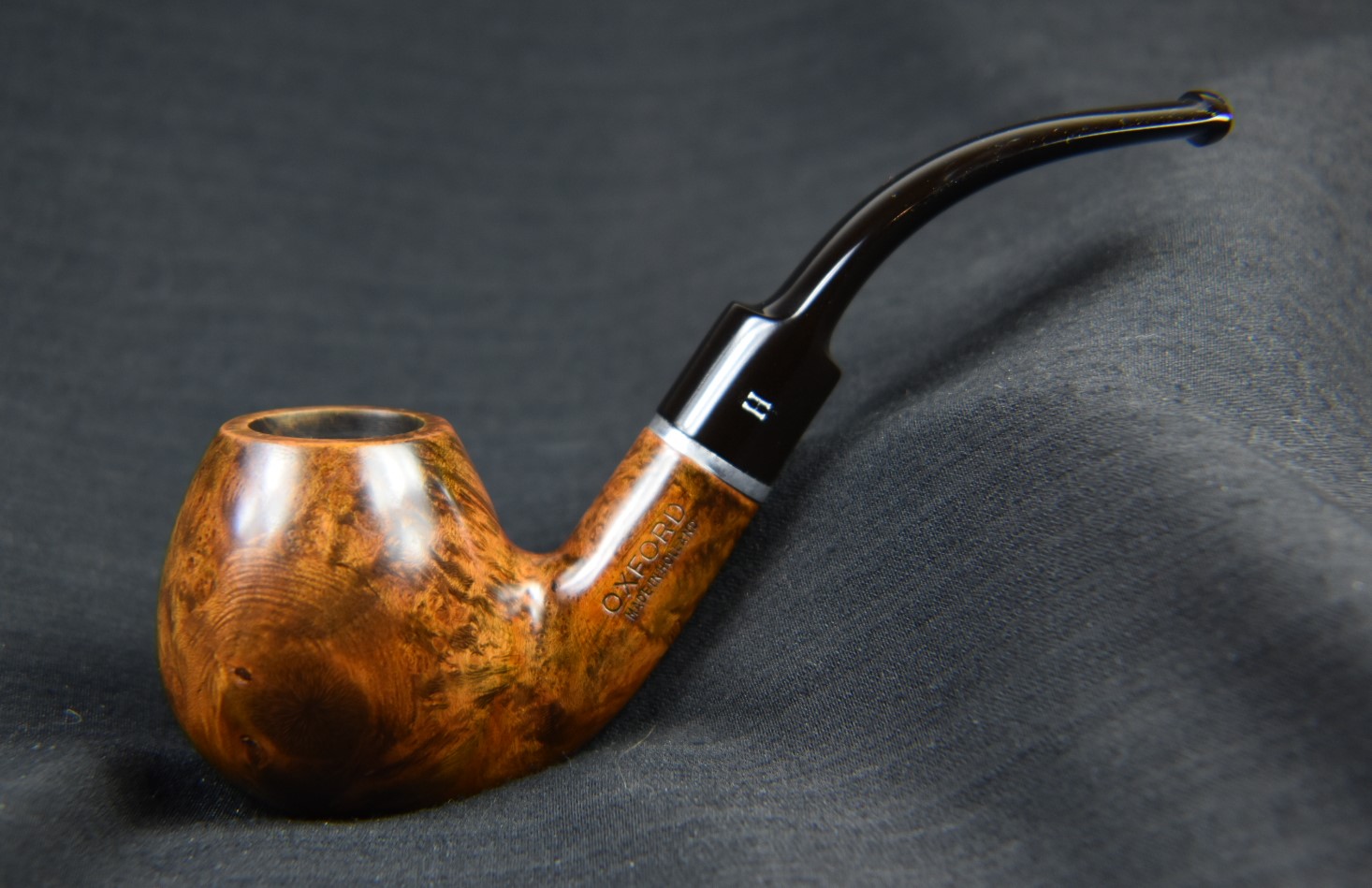
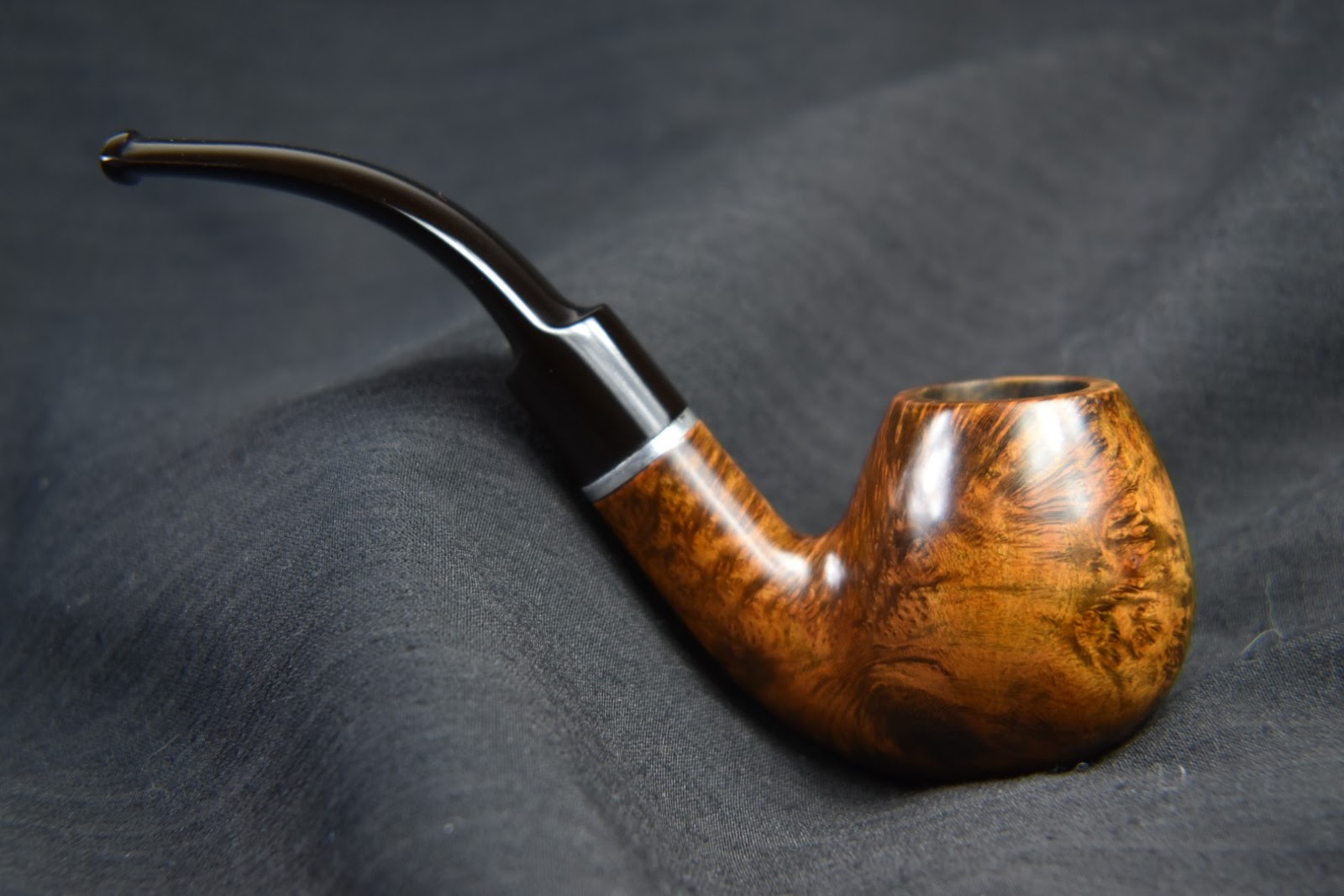


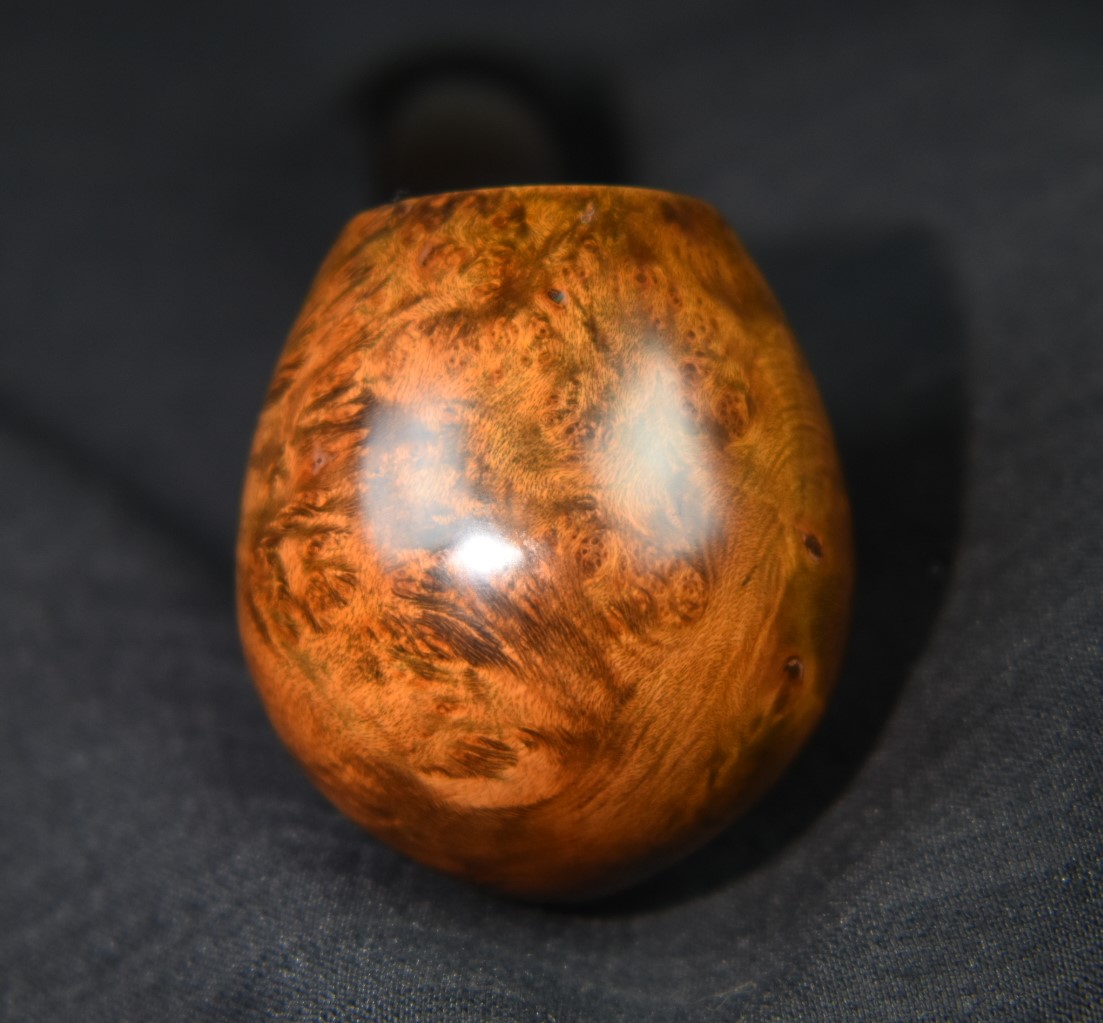


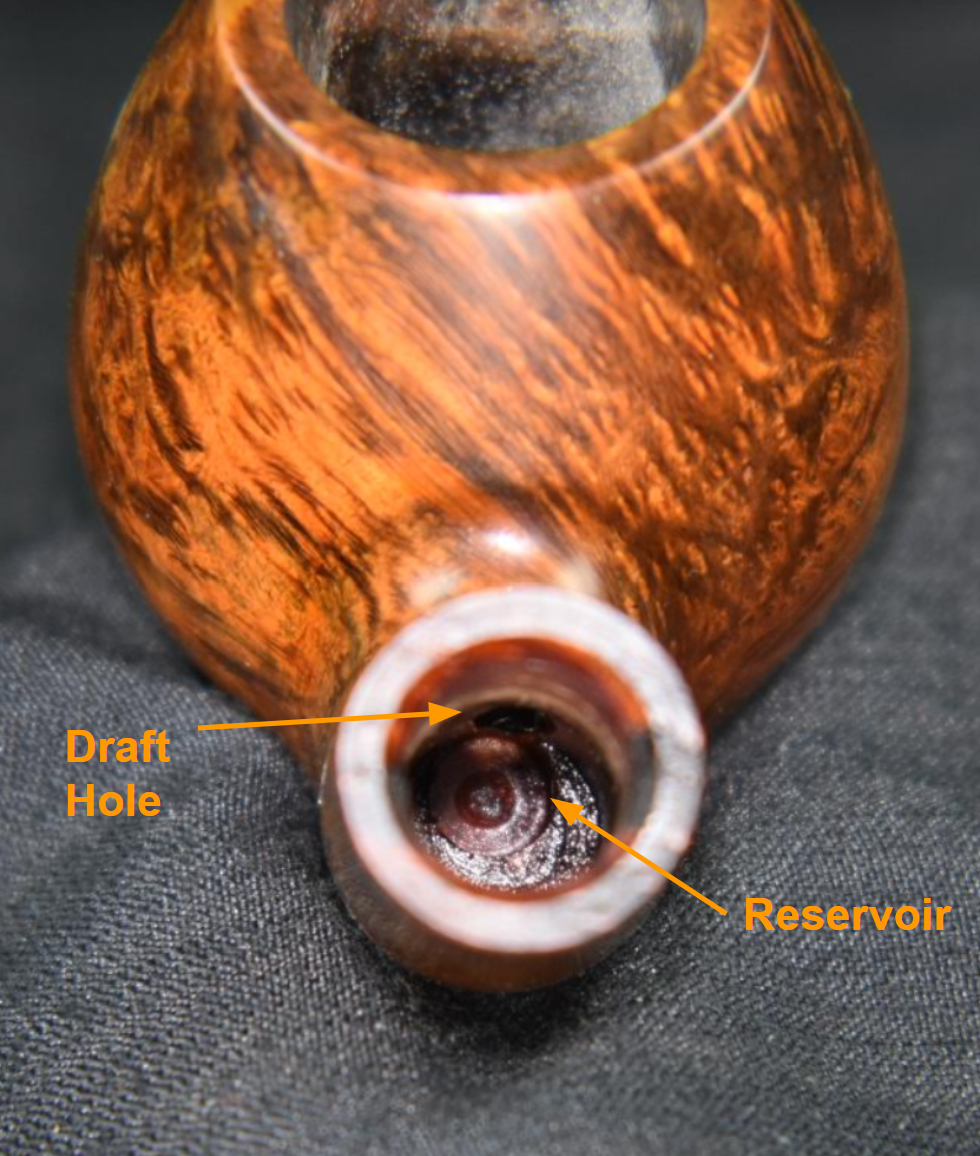


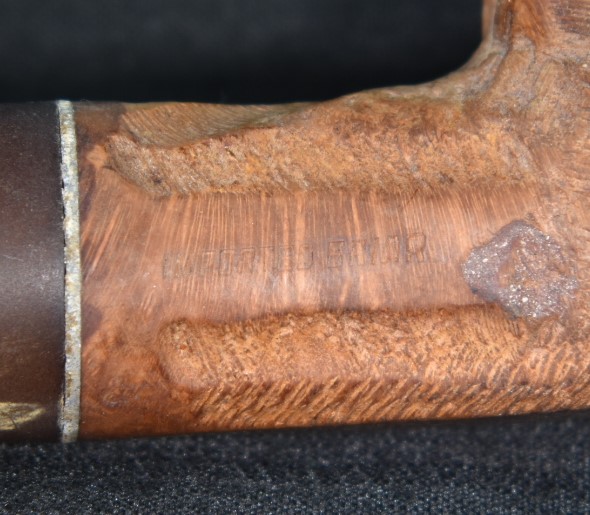
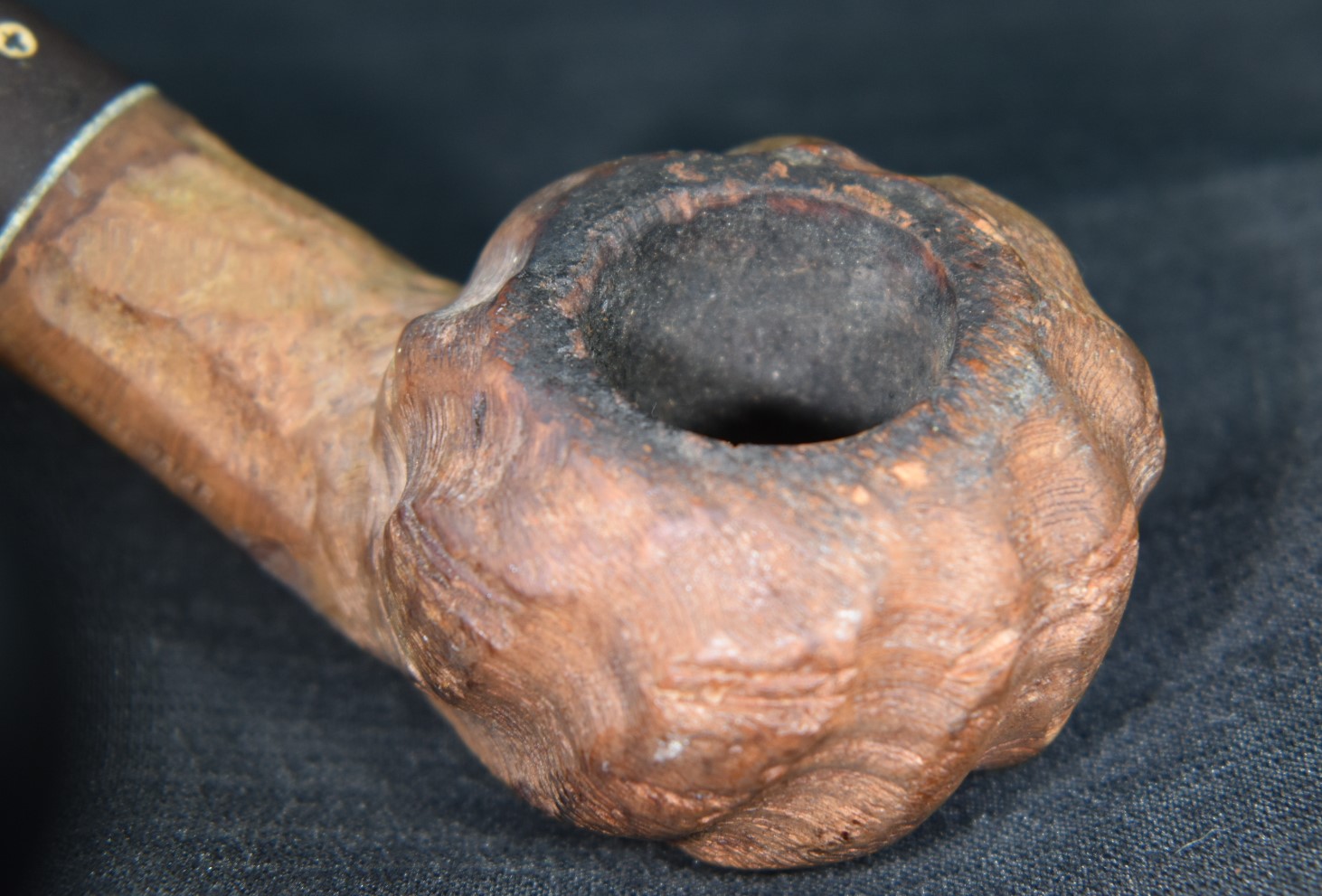


 (
(


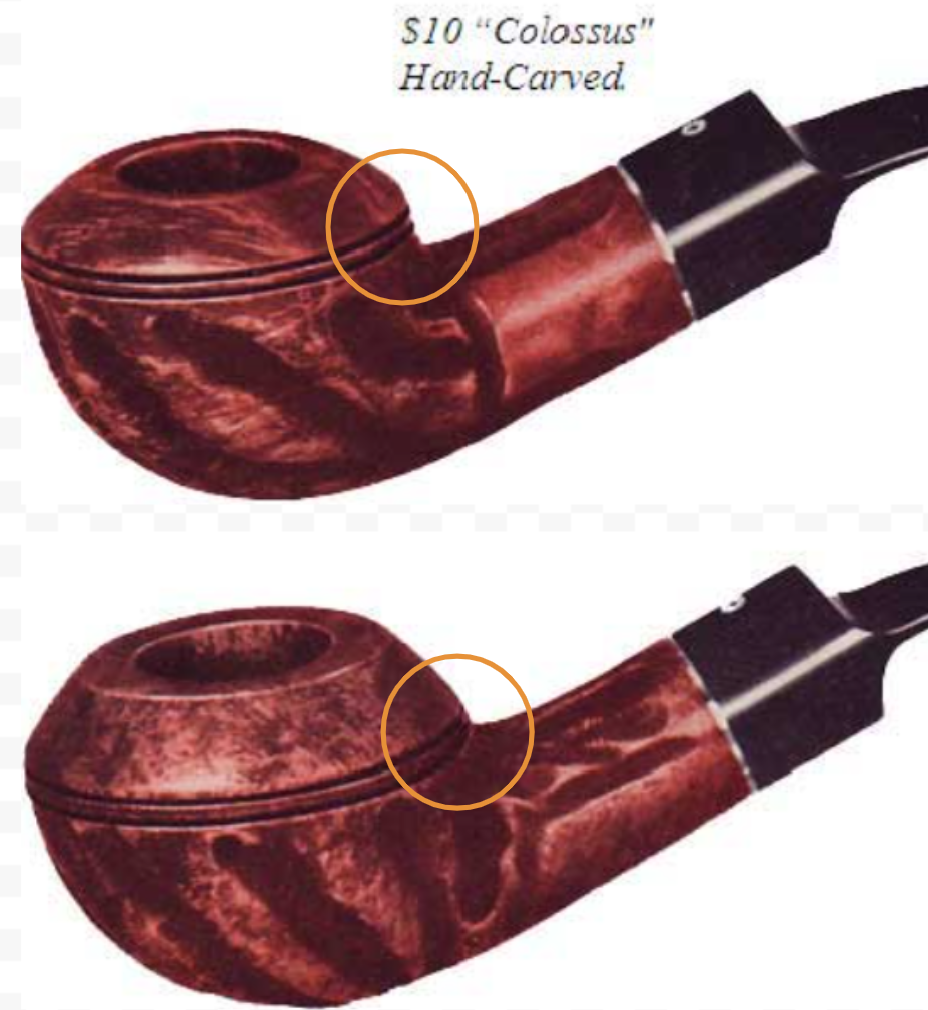


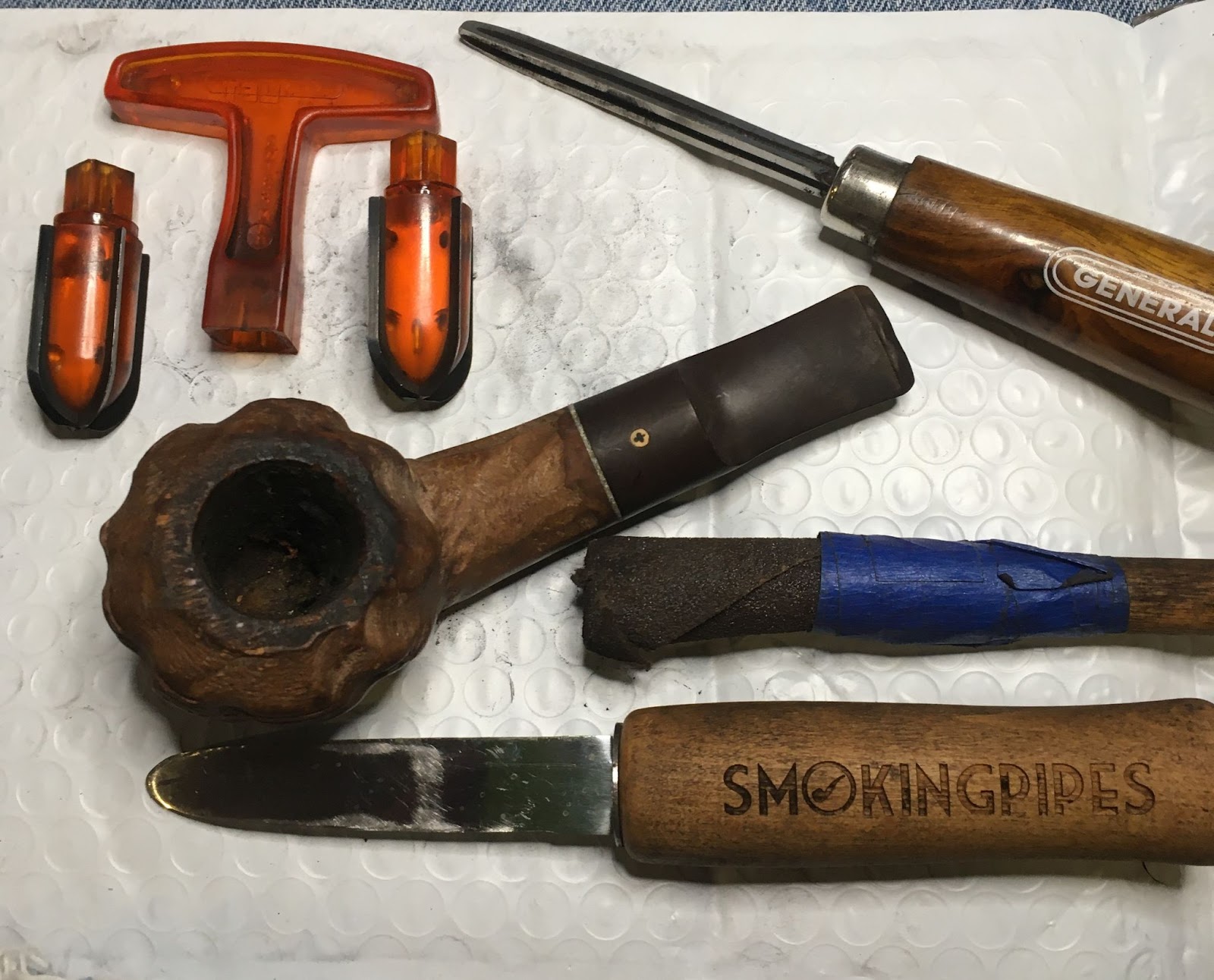


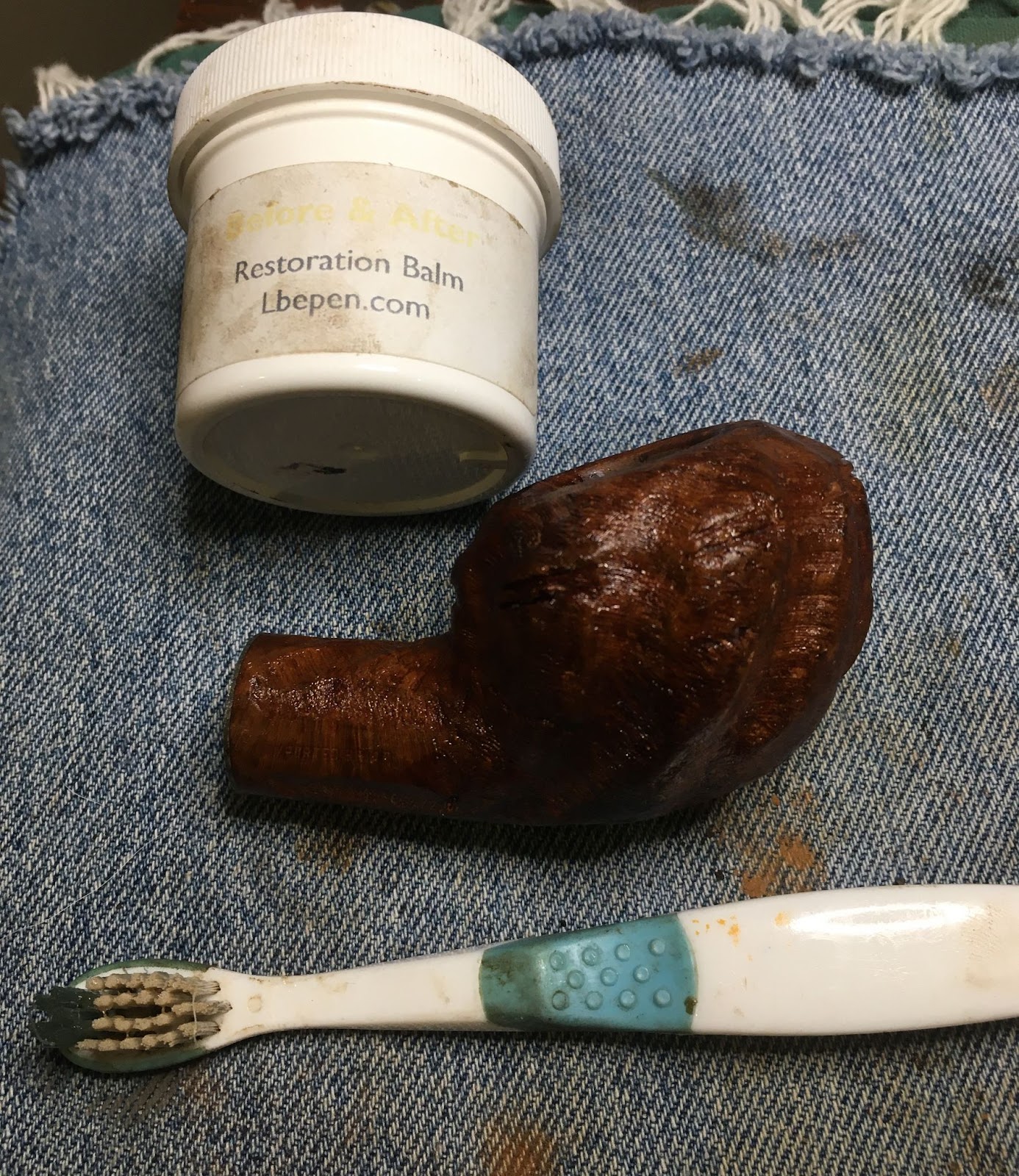


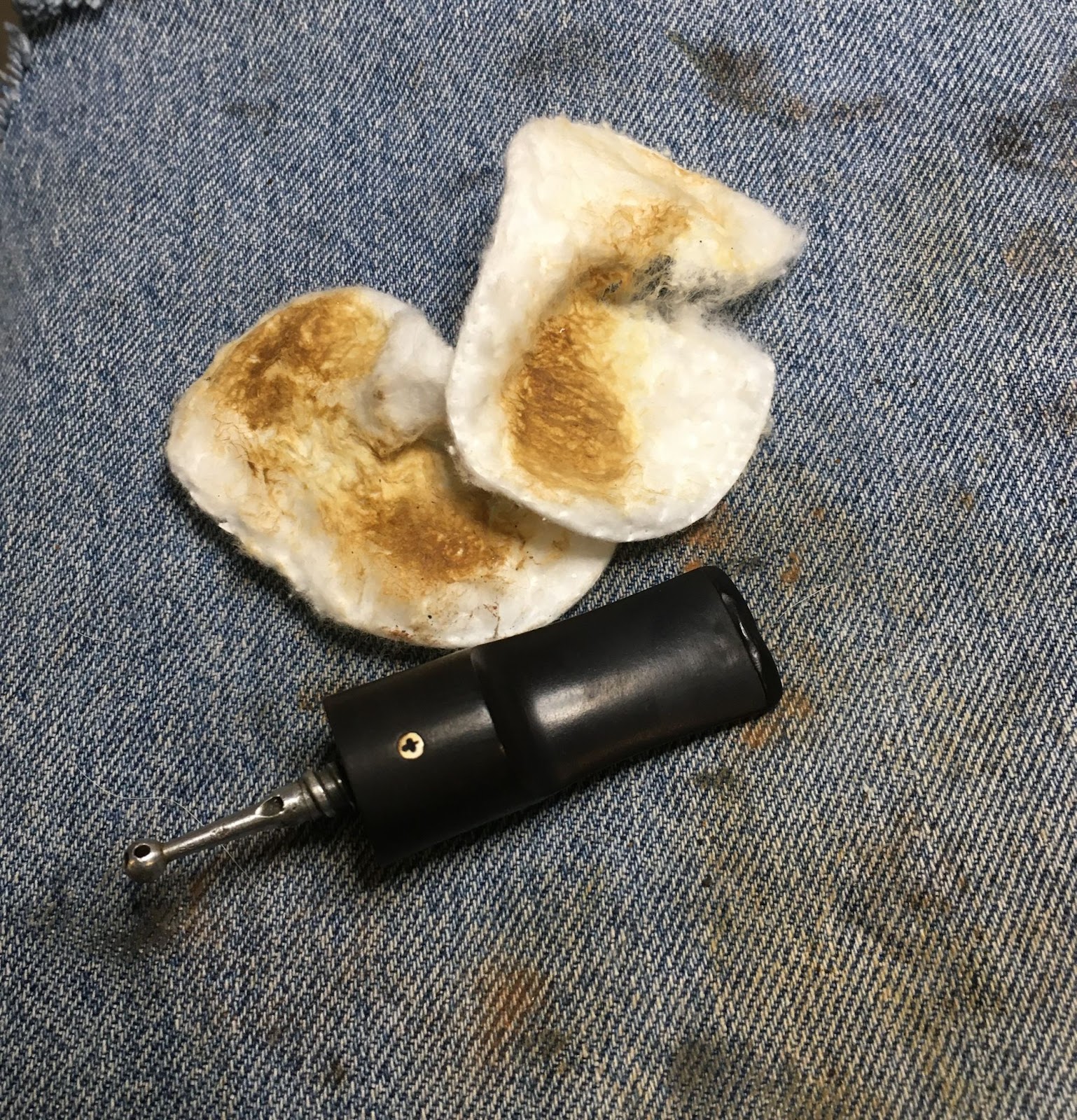

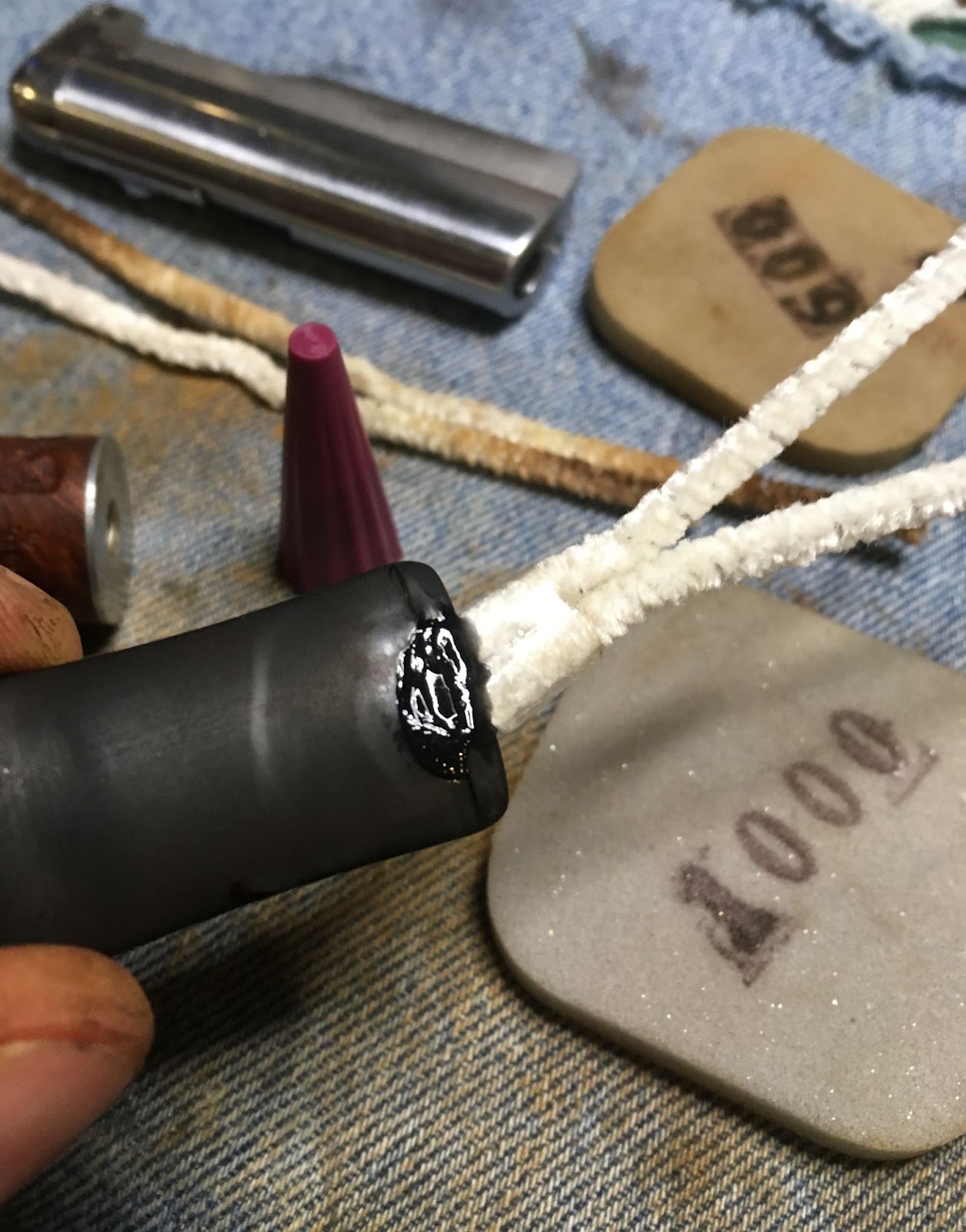
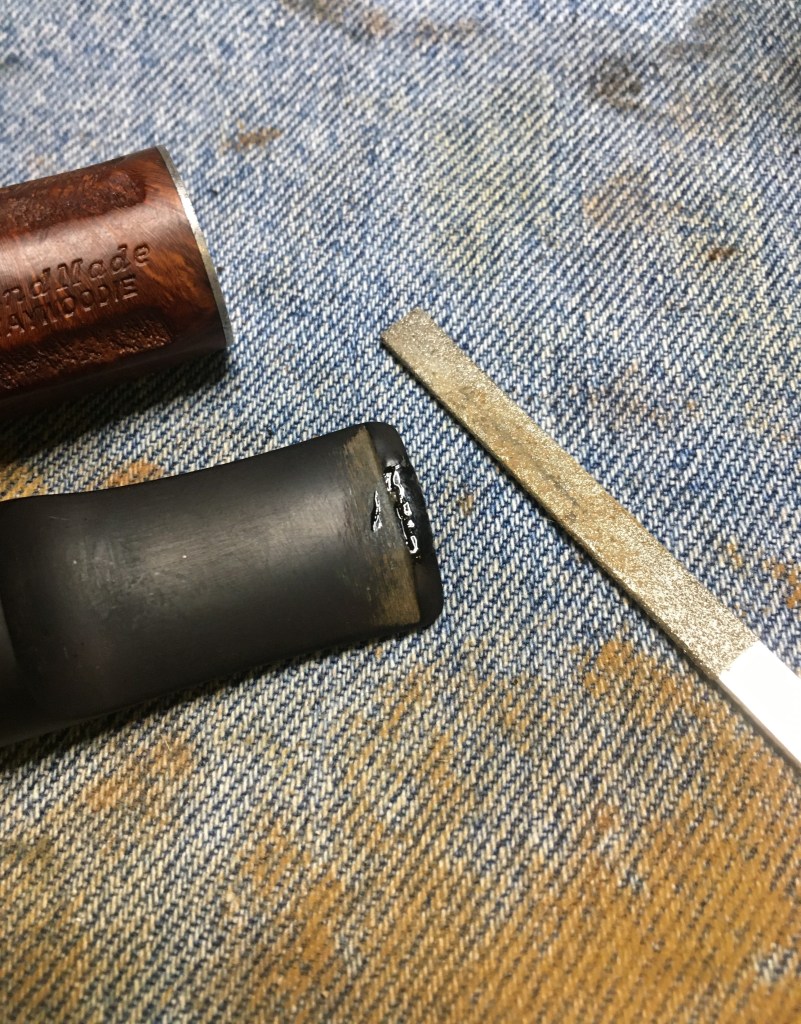


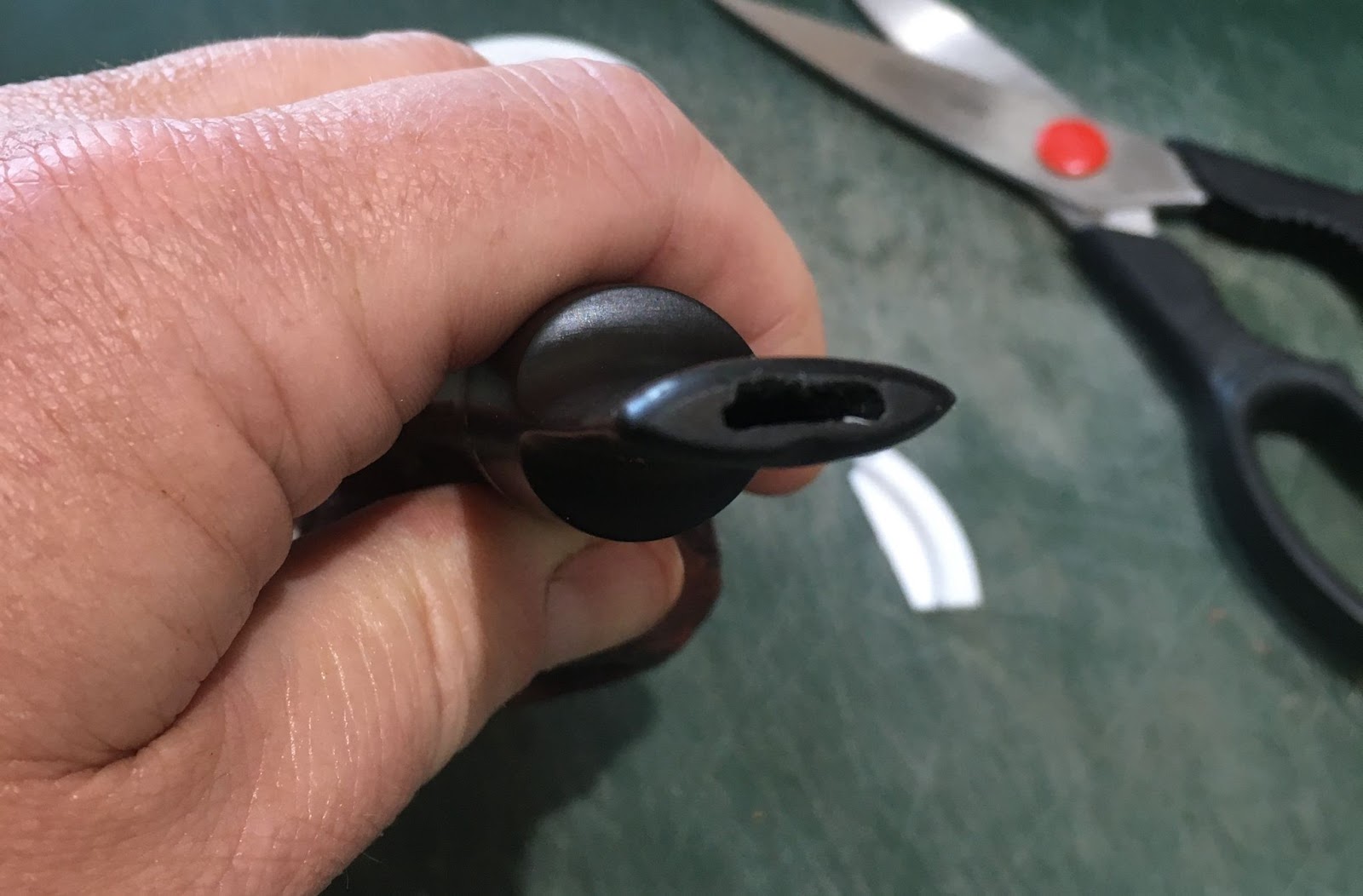

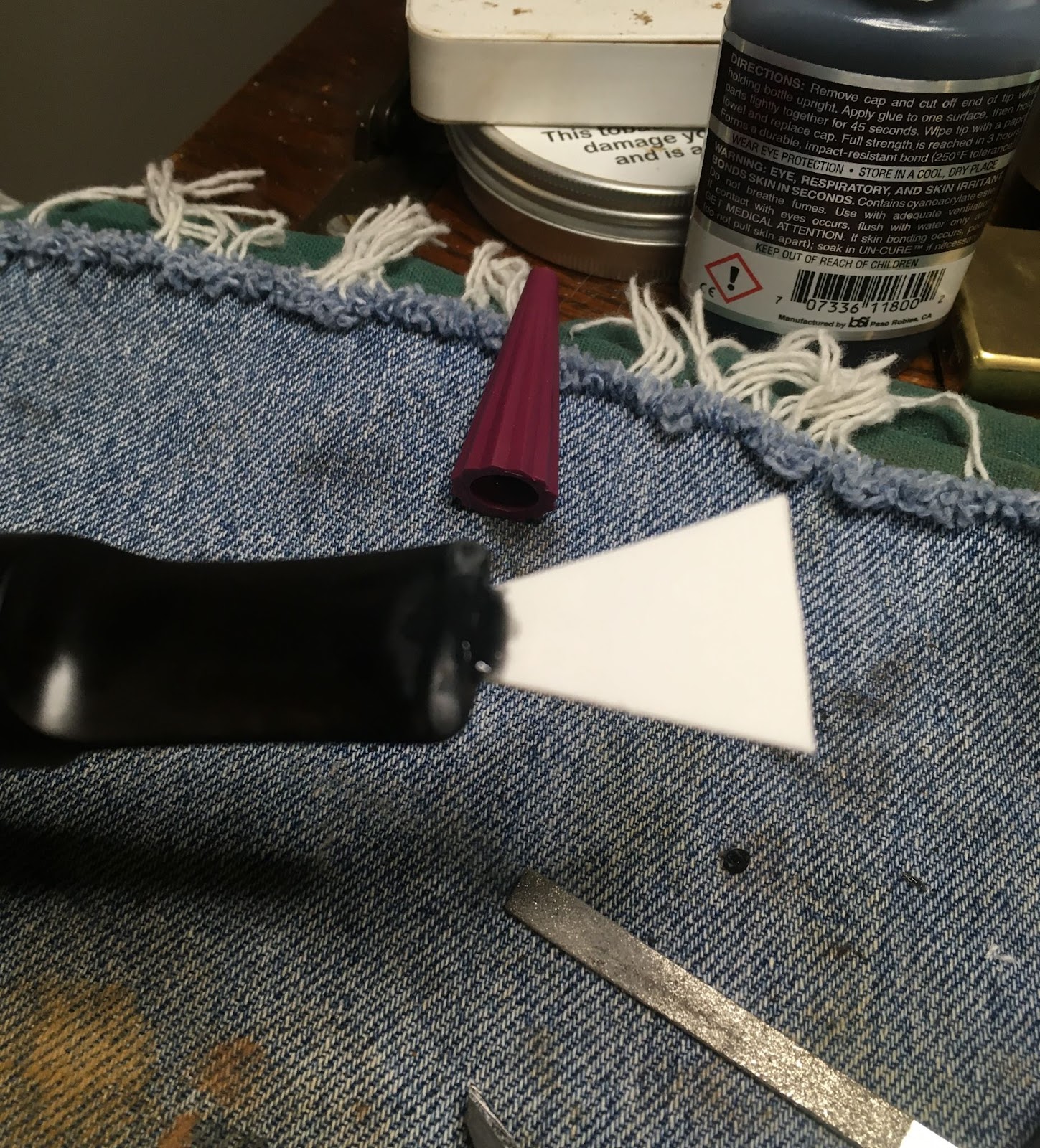

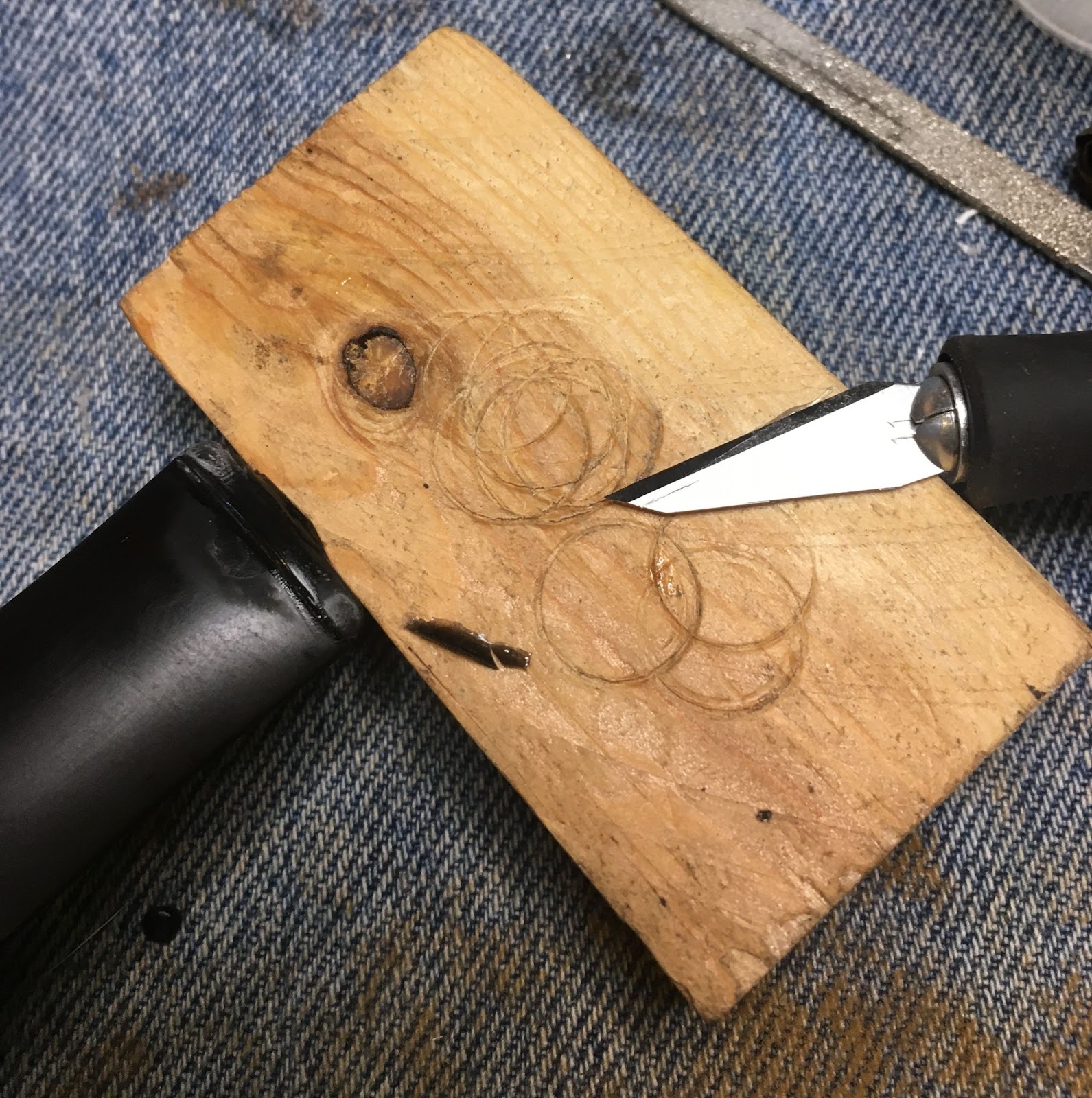


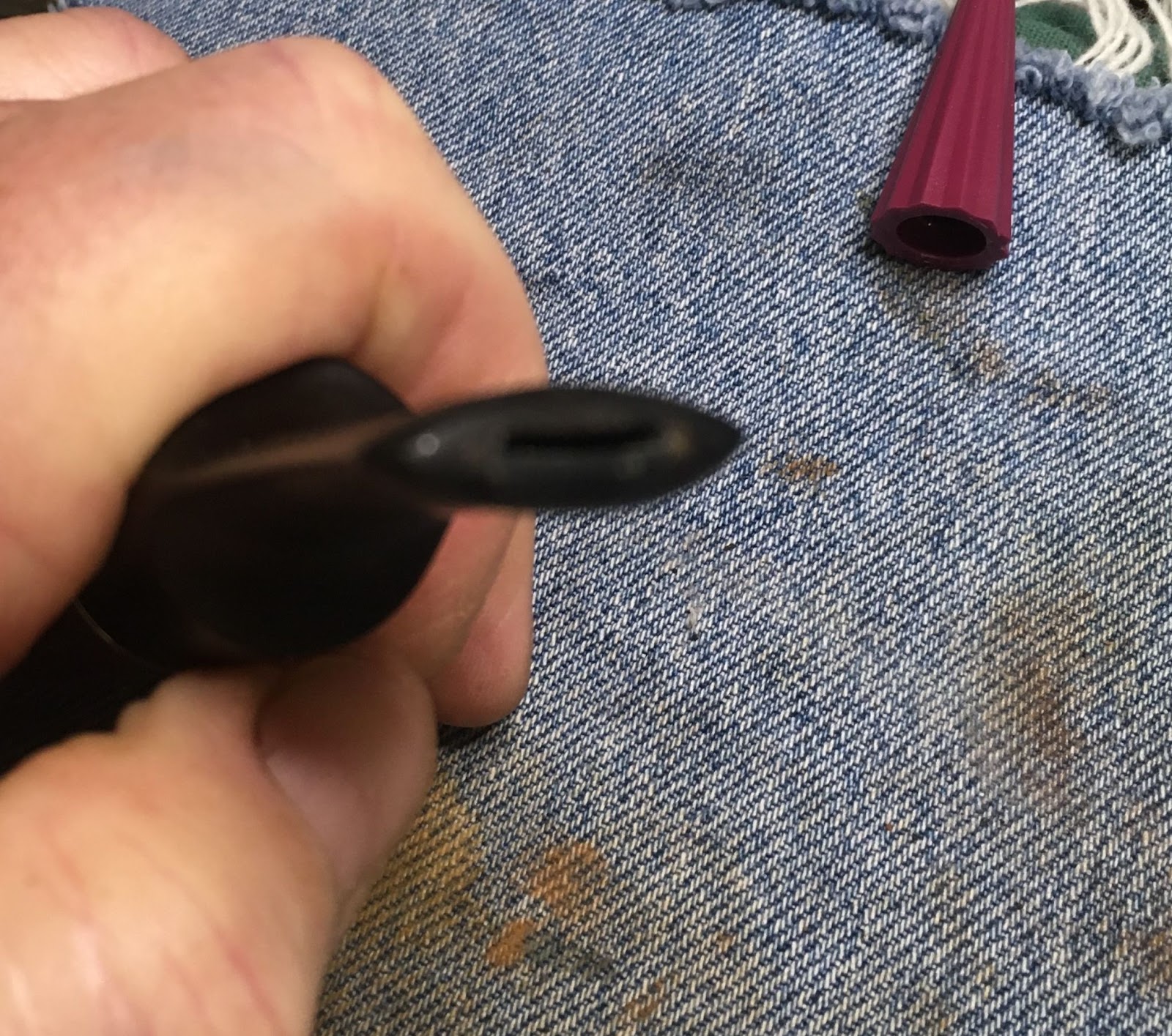

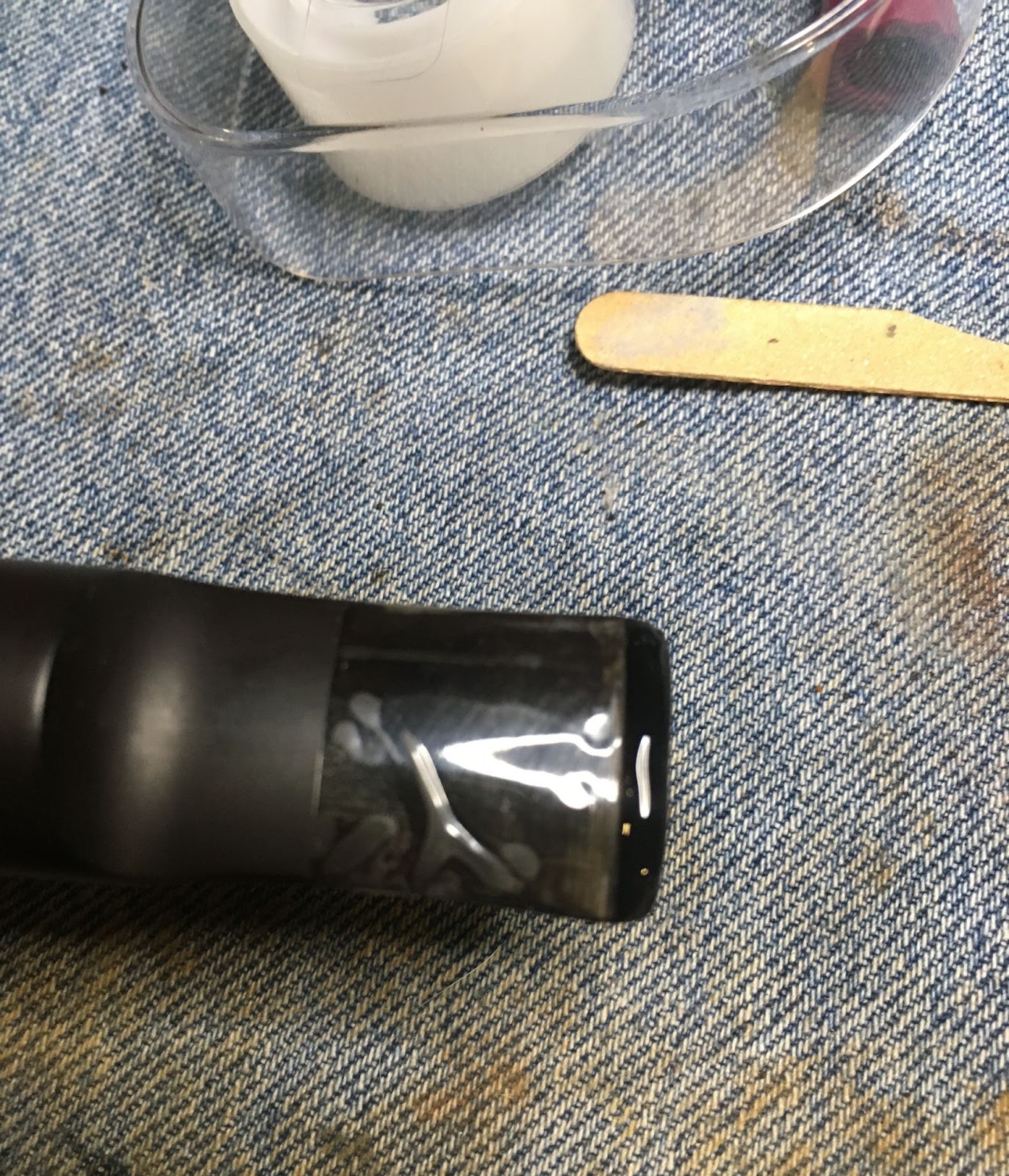
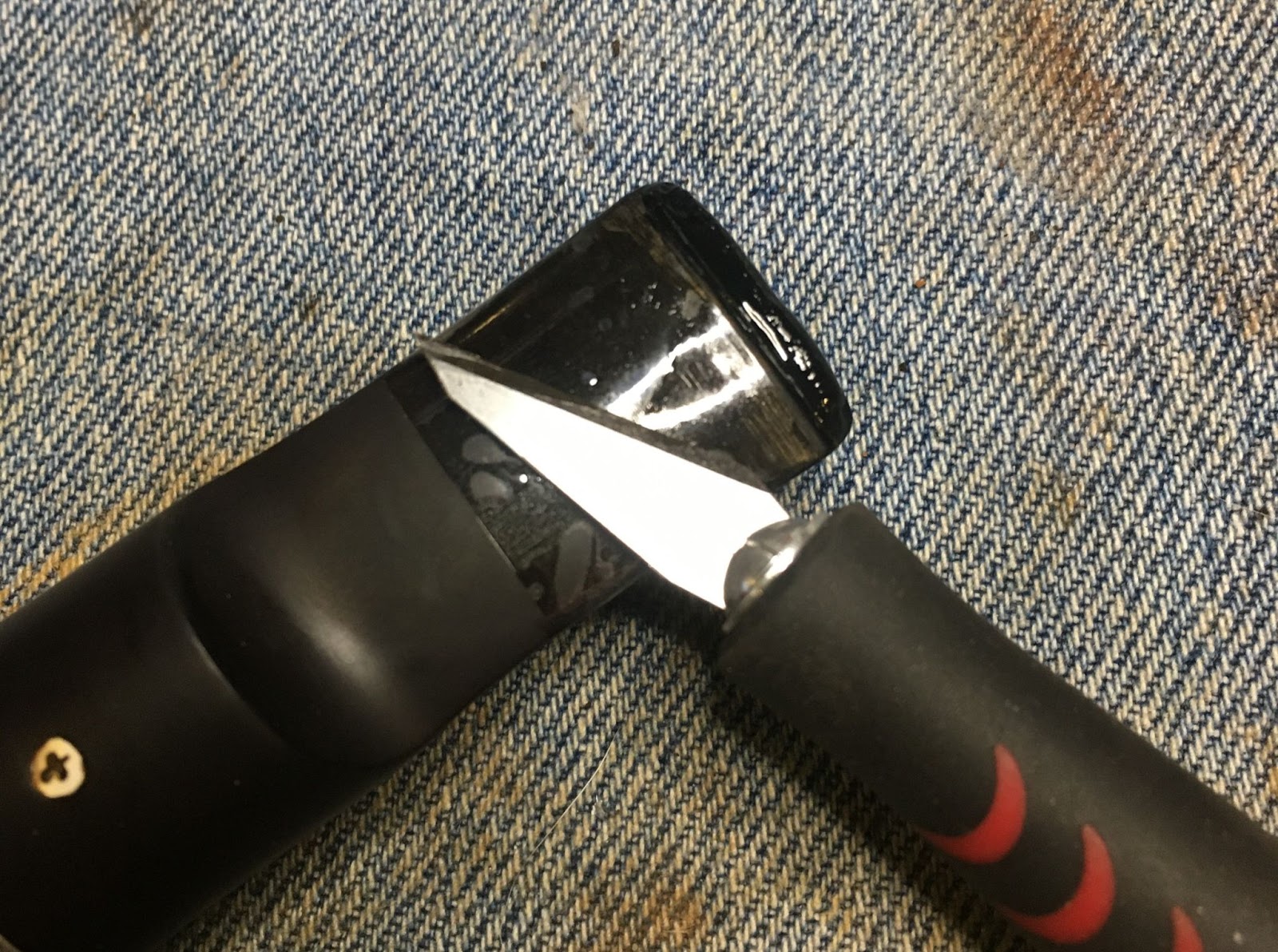

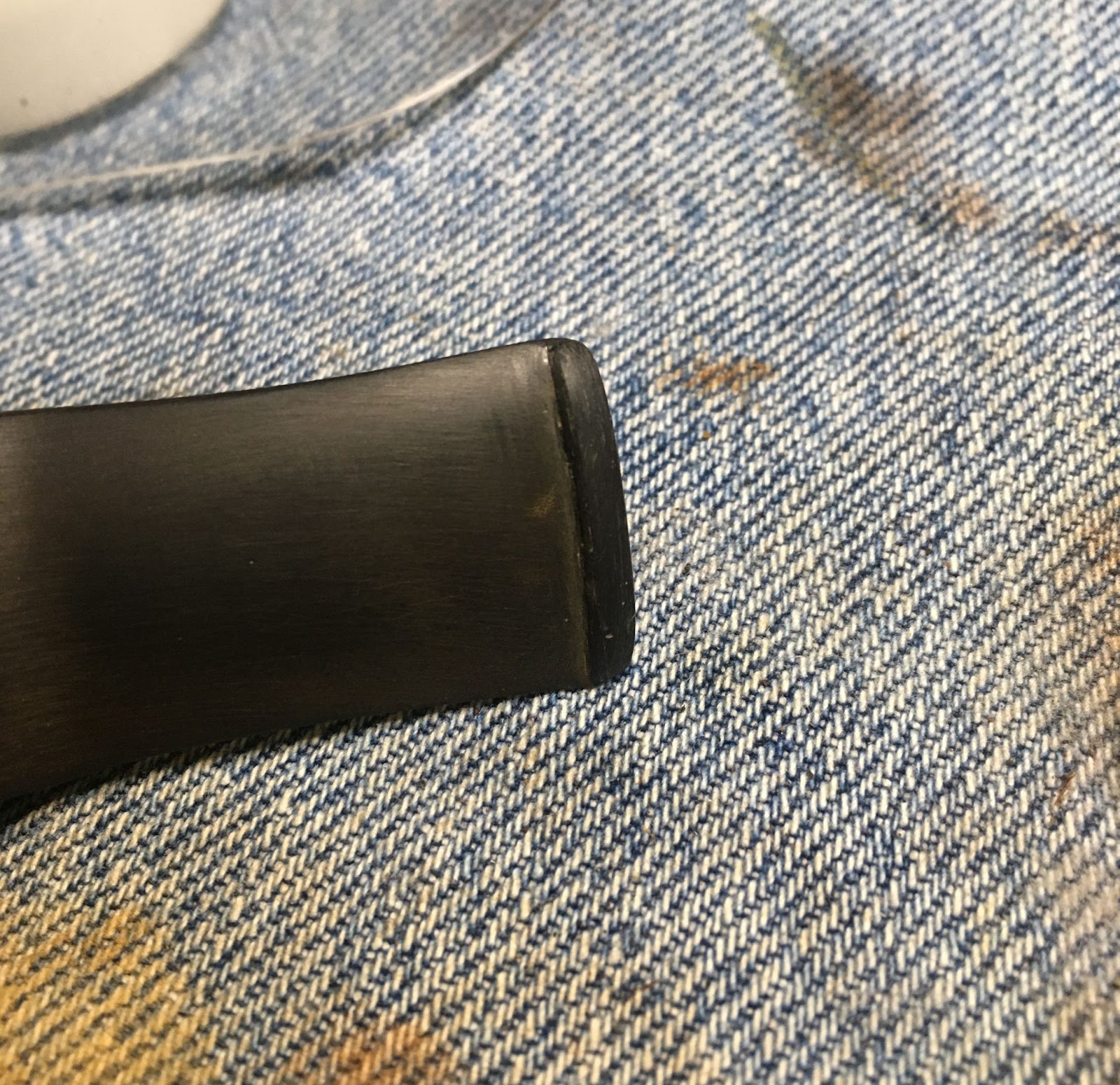


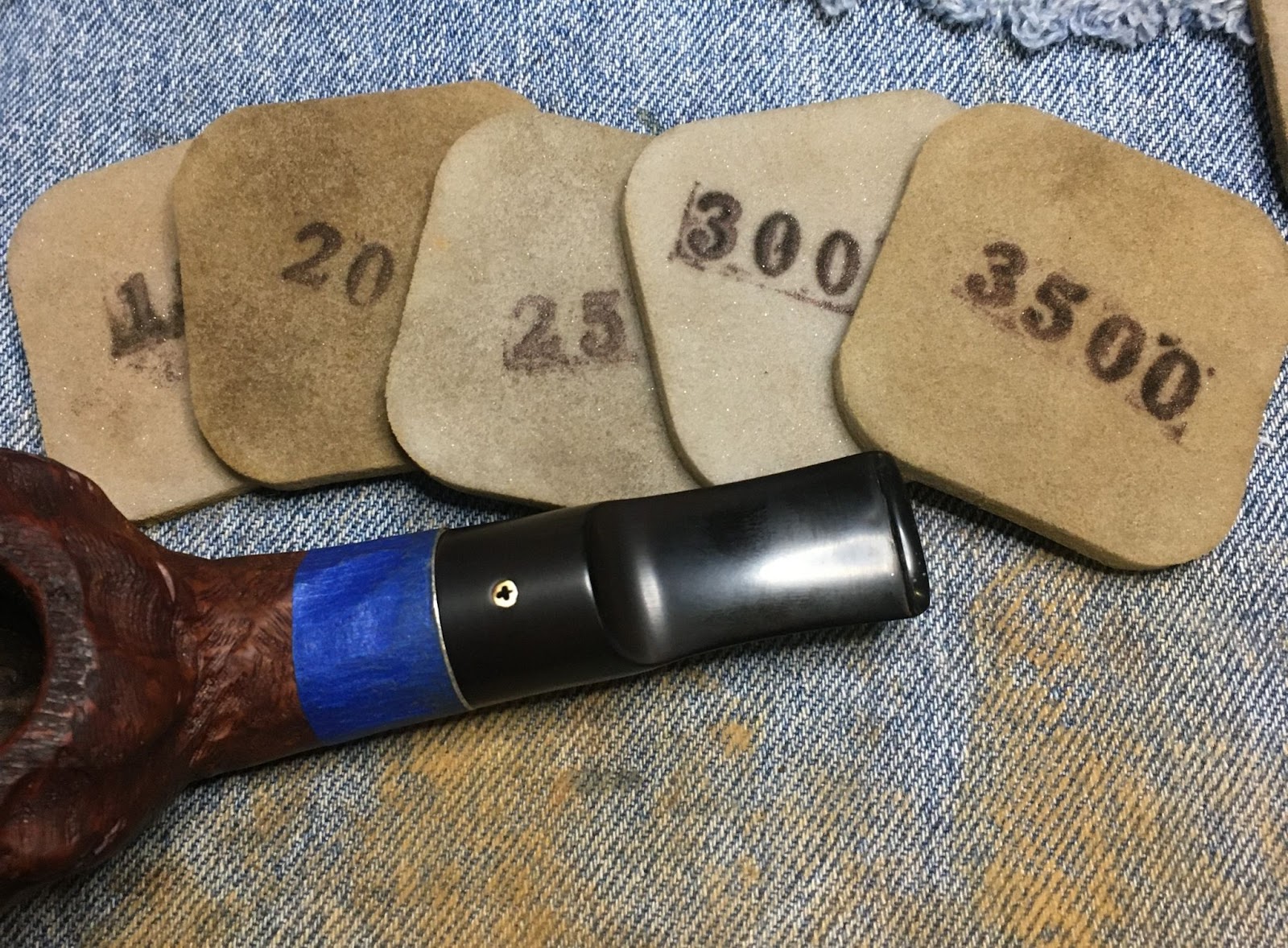

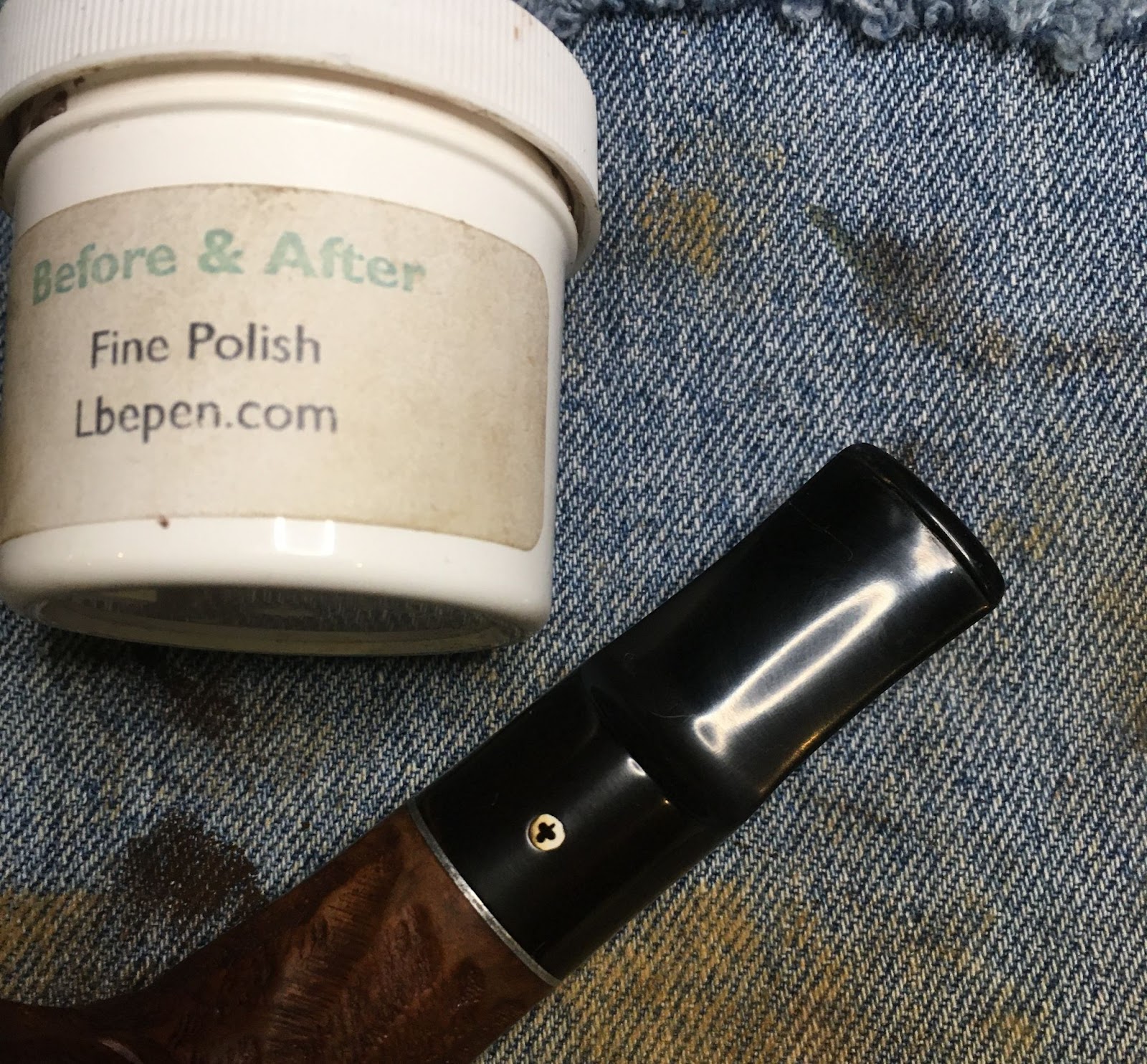


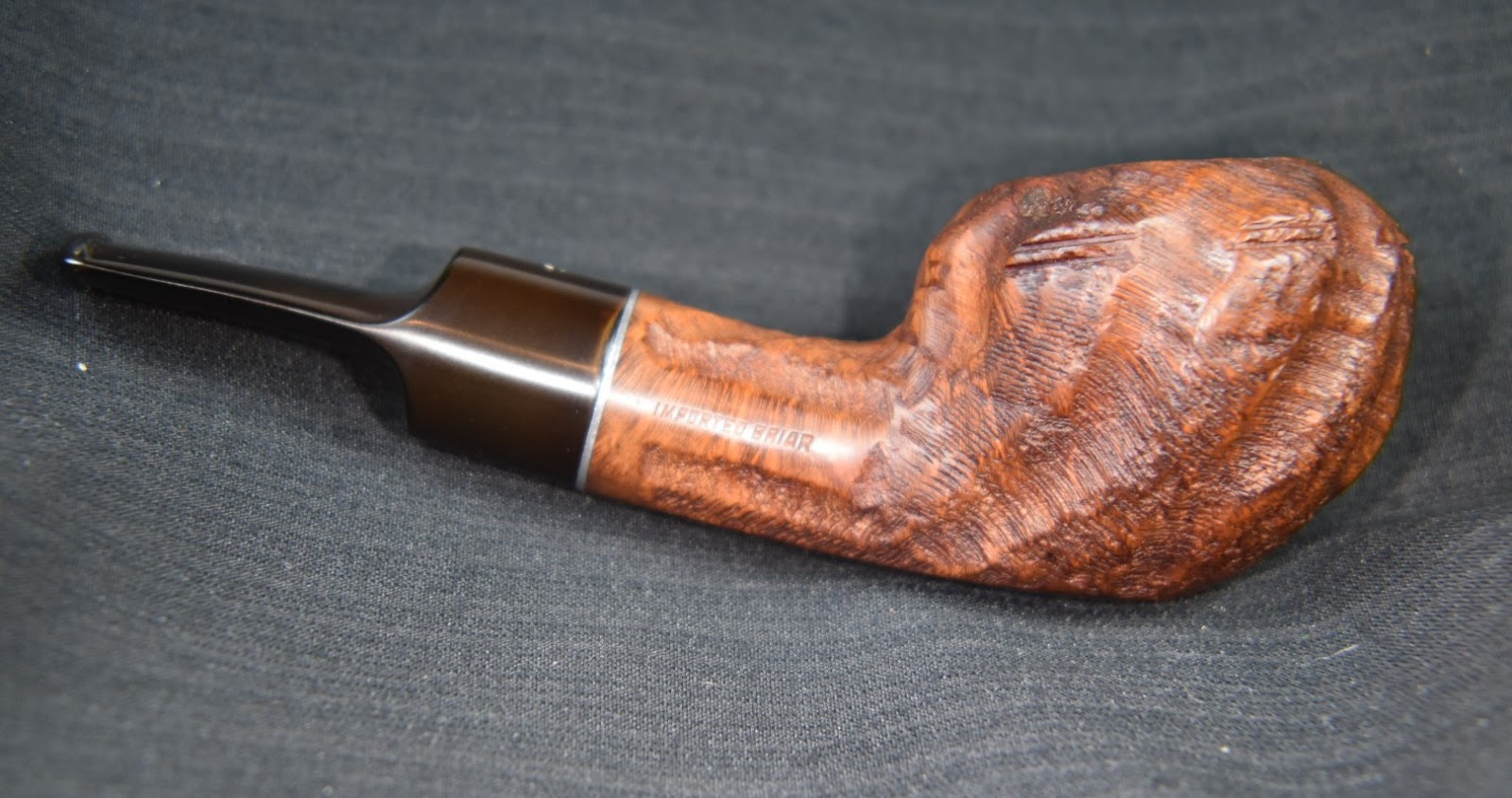


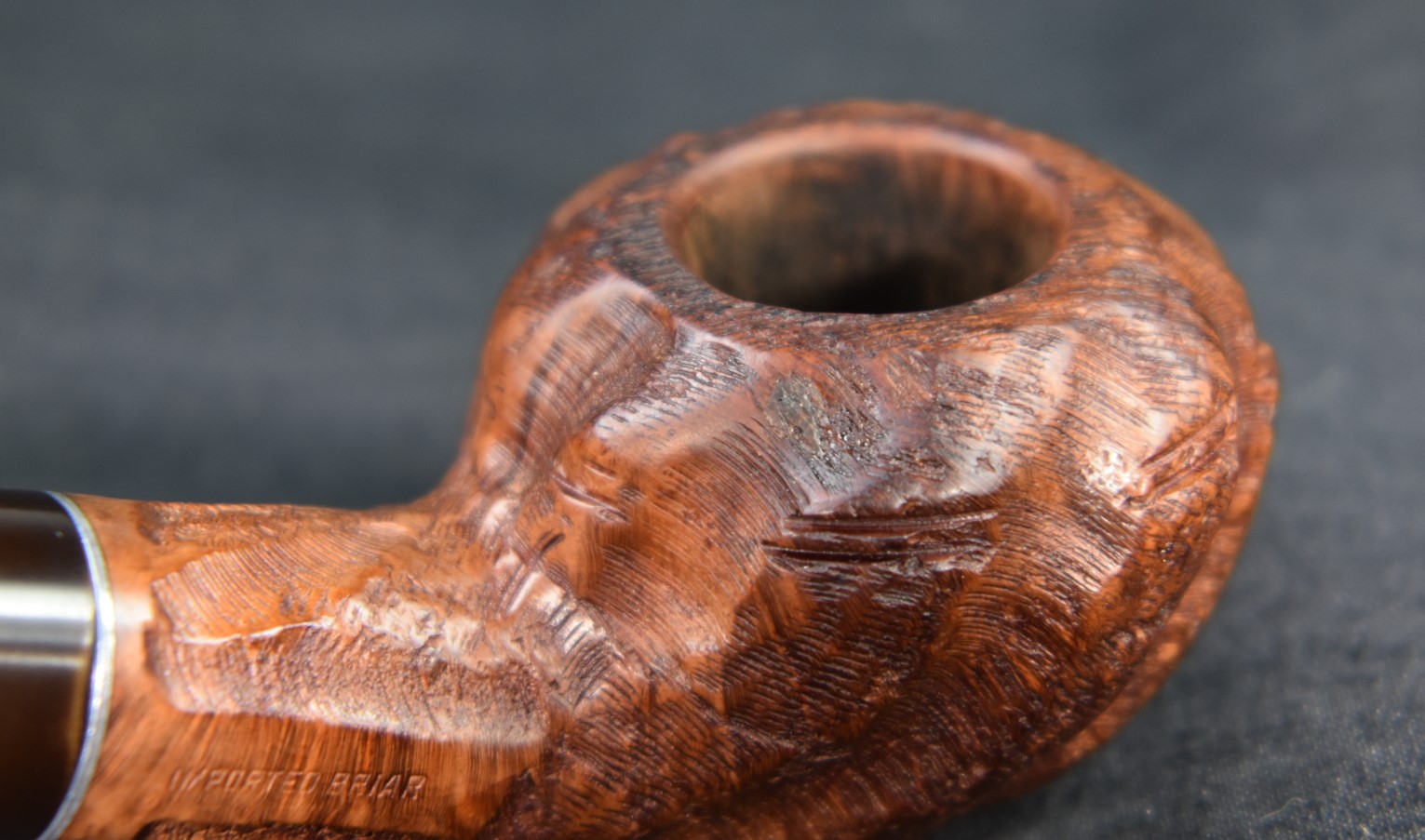
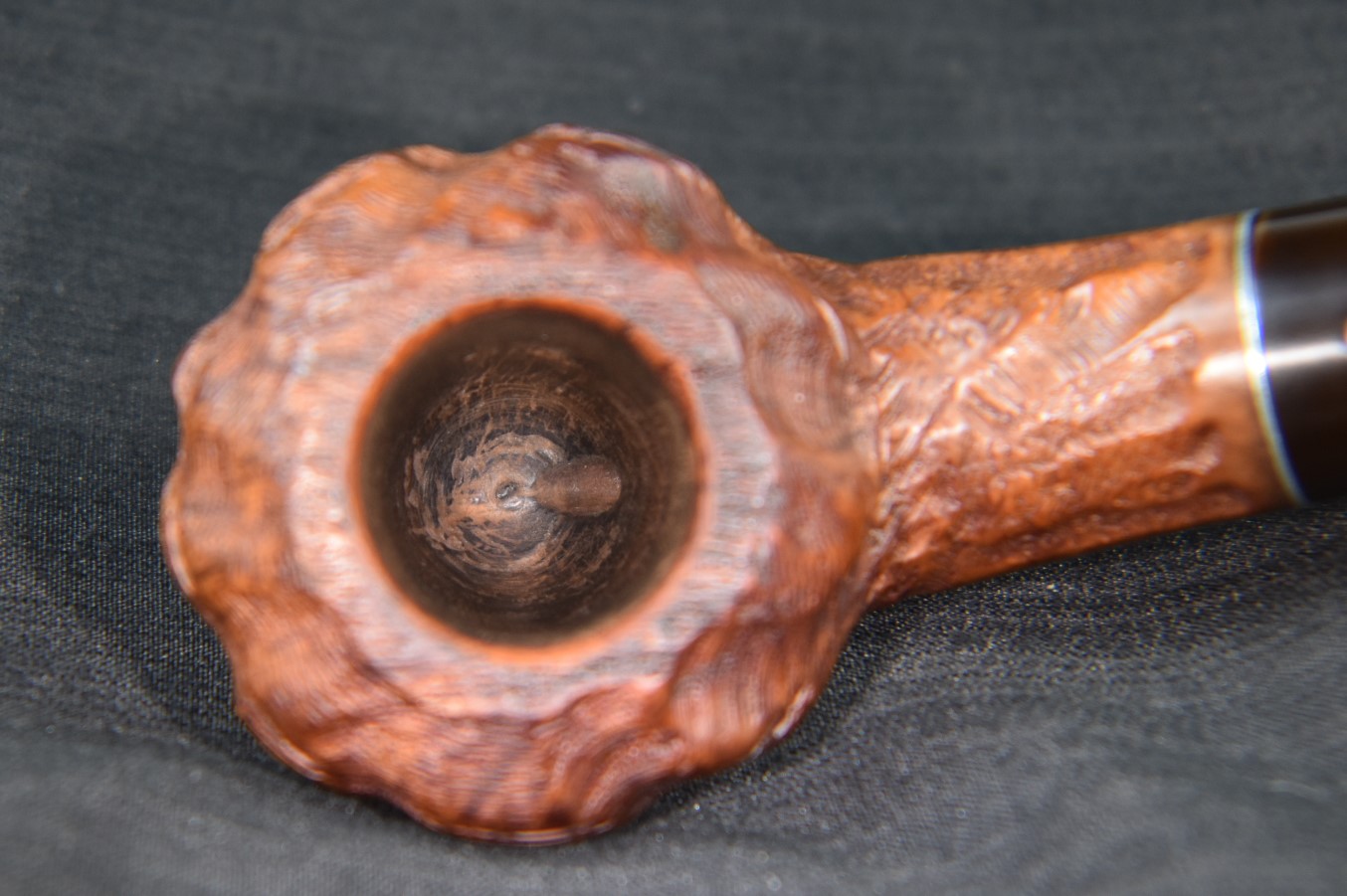
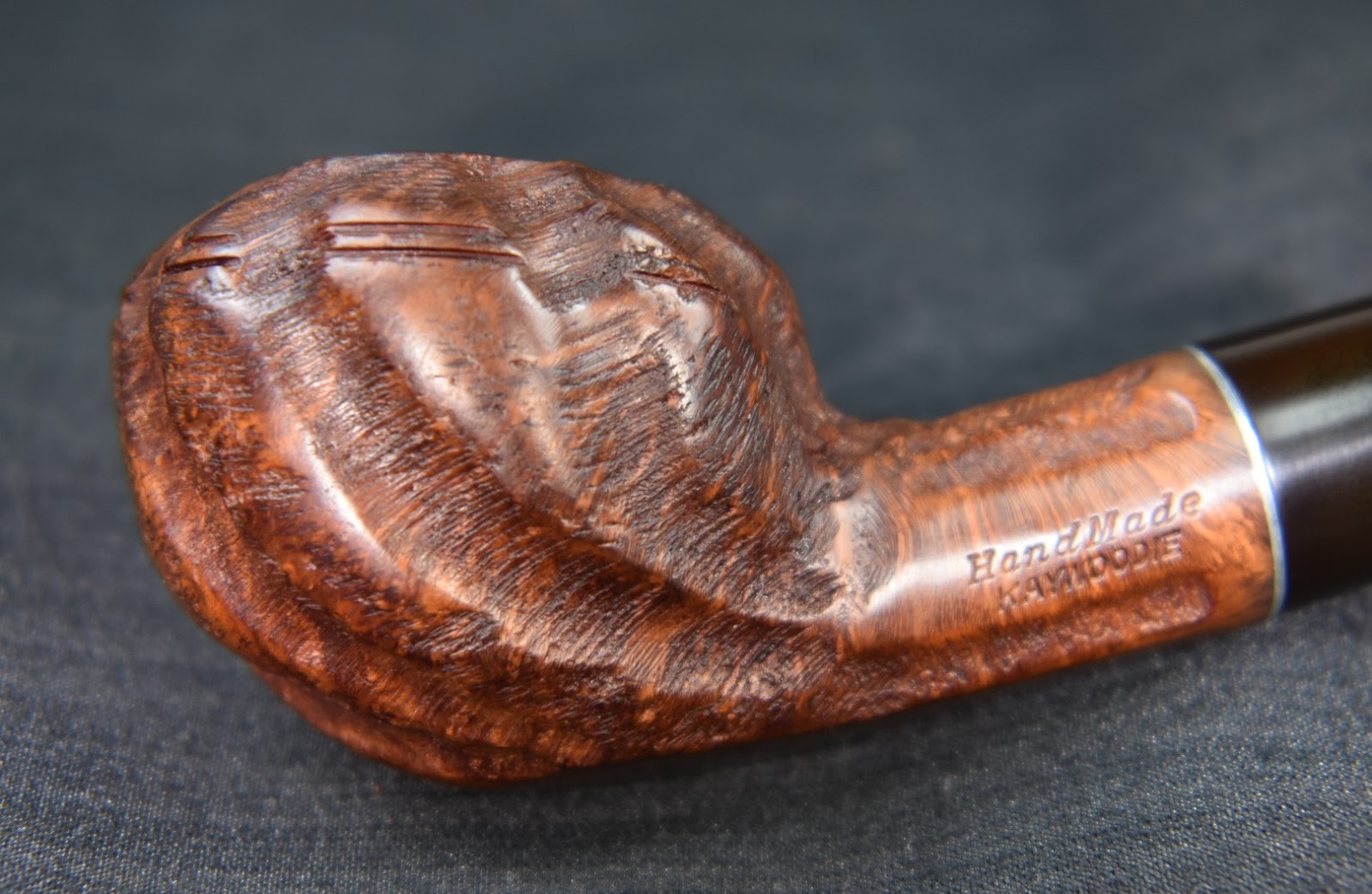


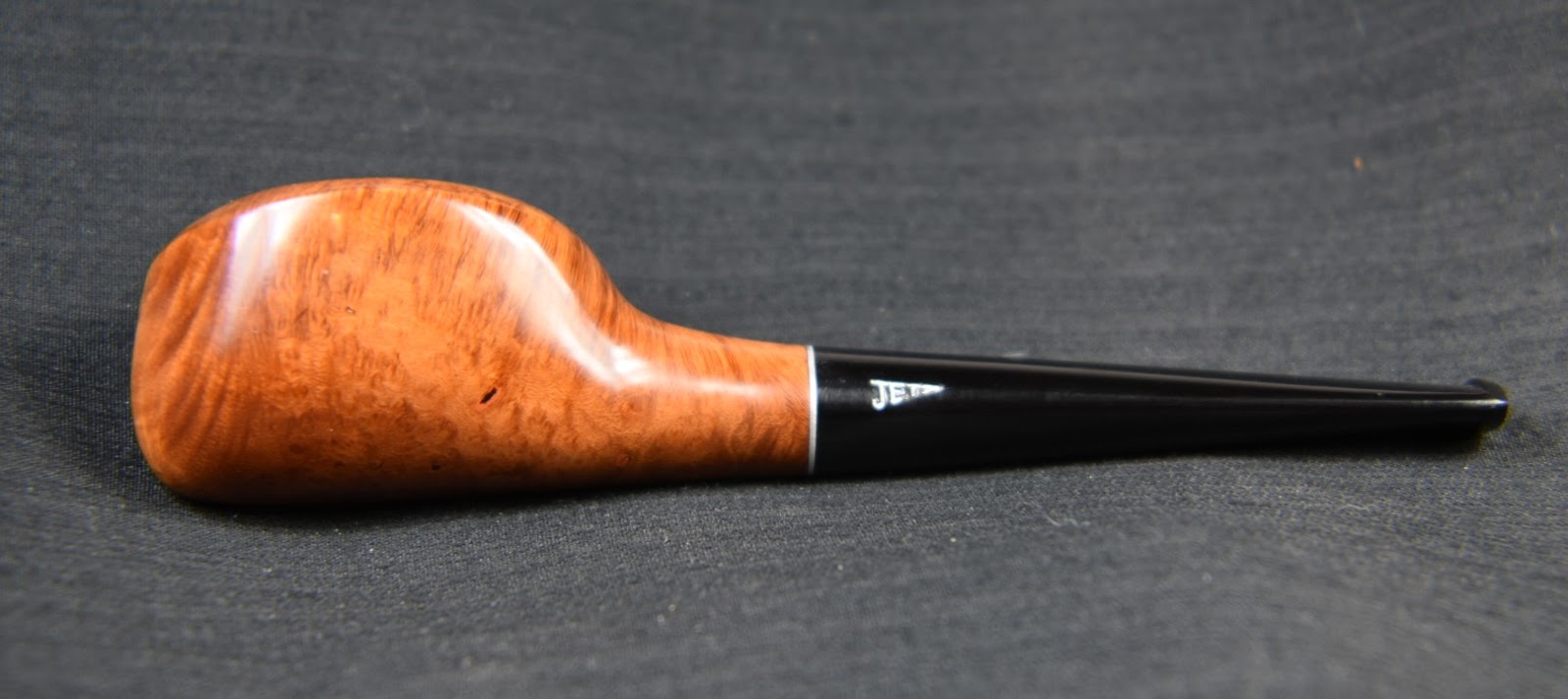
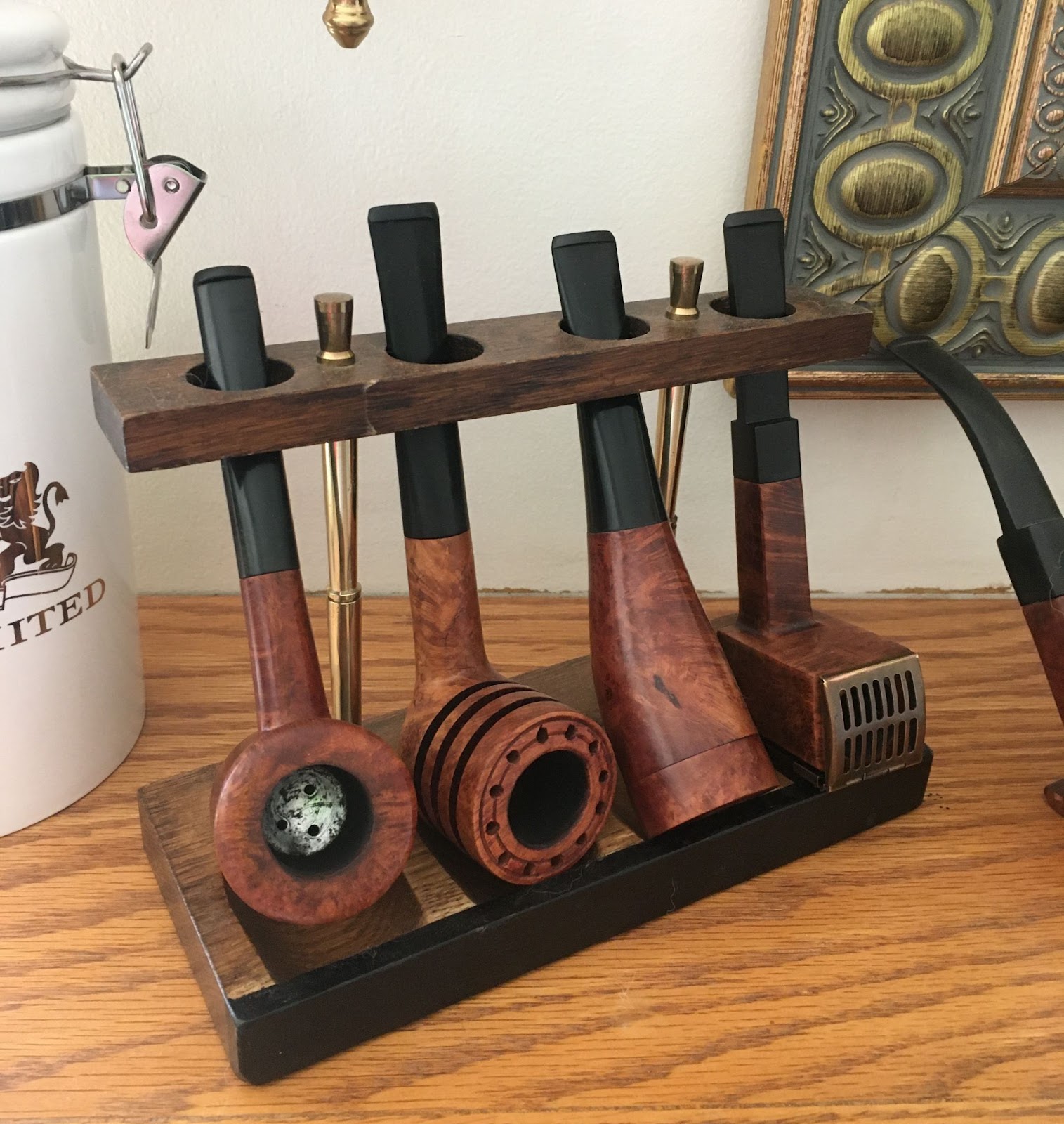
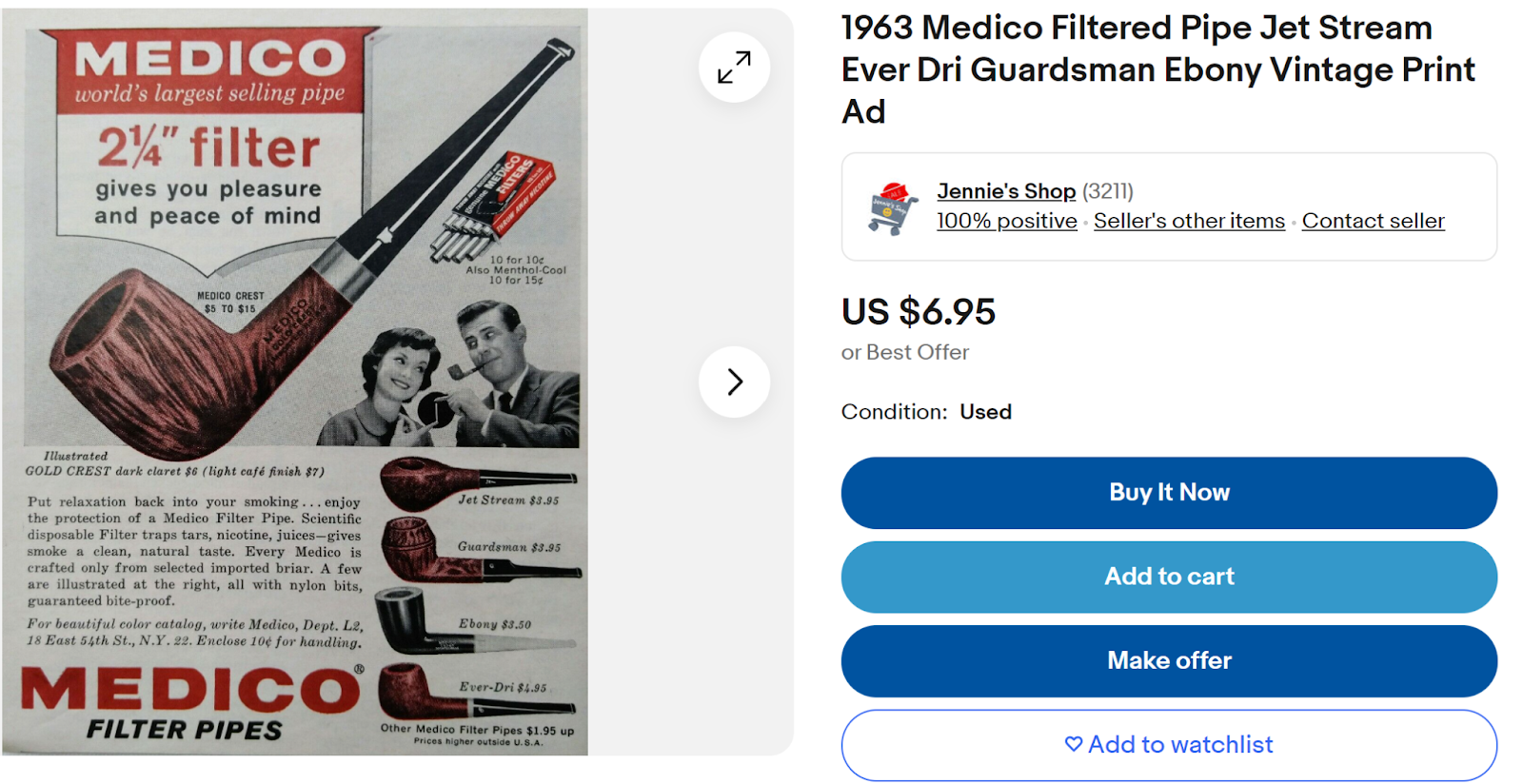 (
(


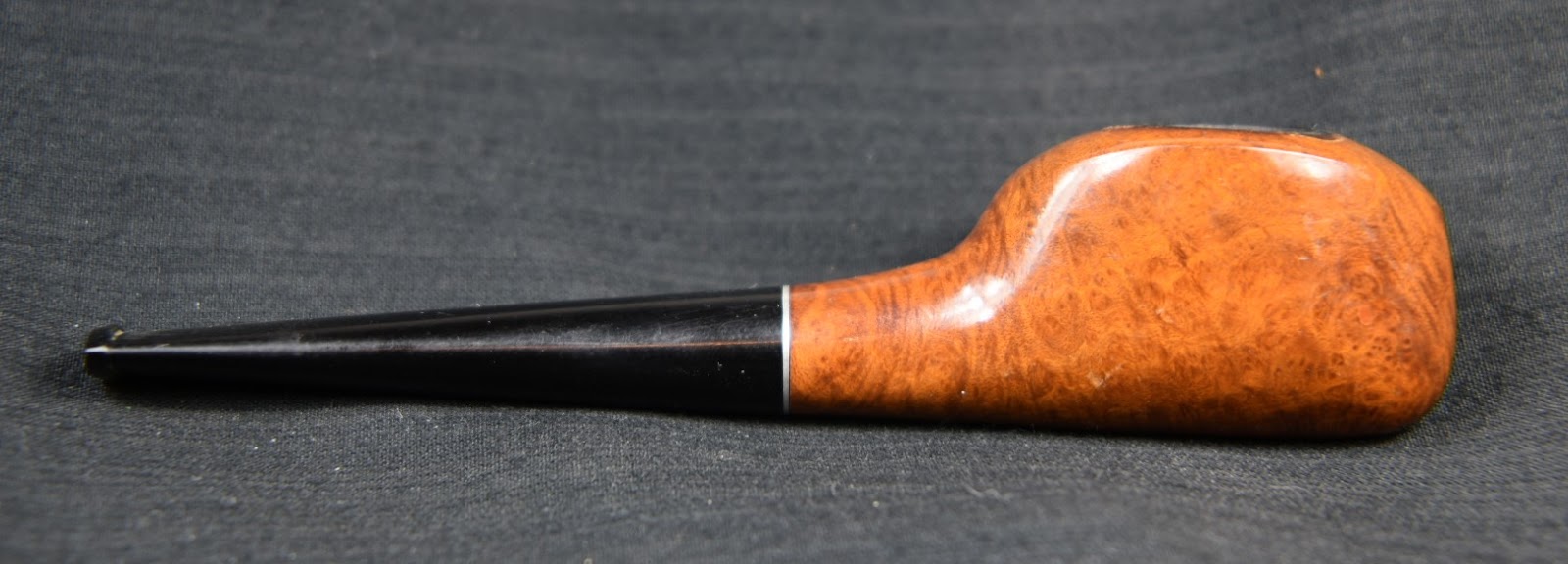


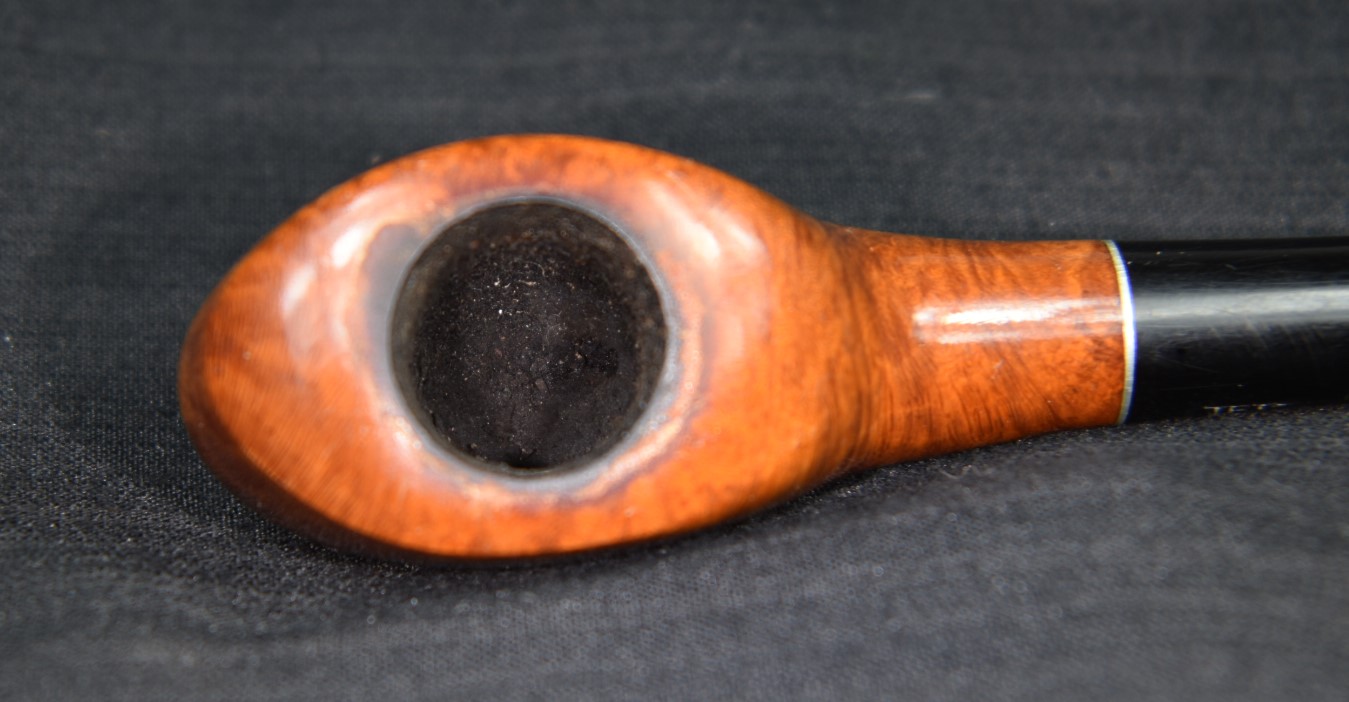


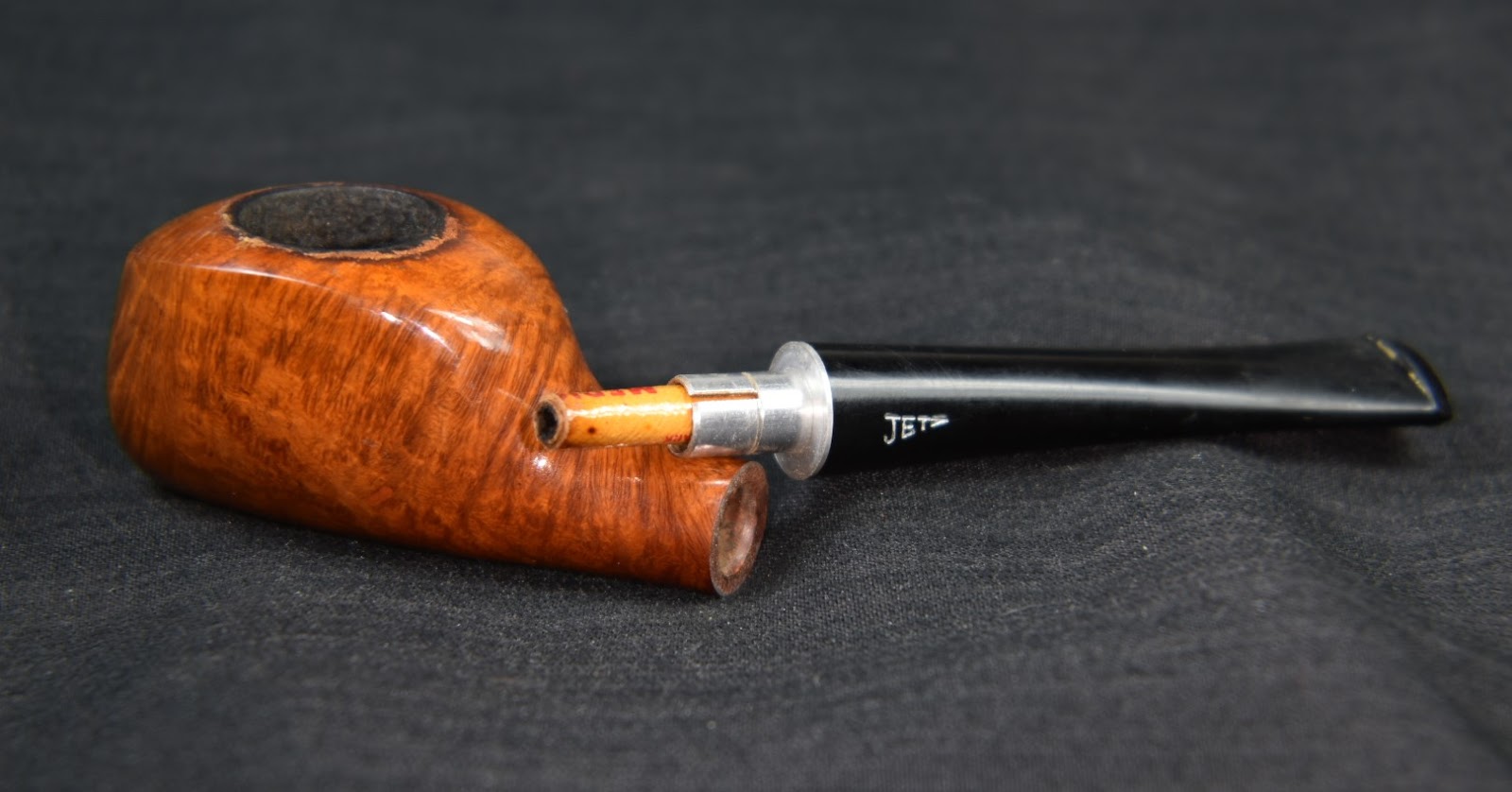


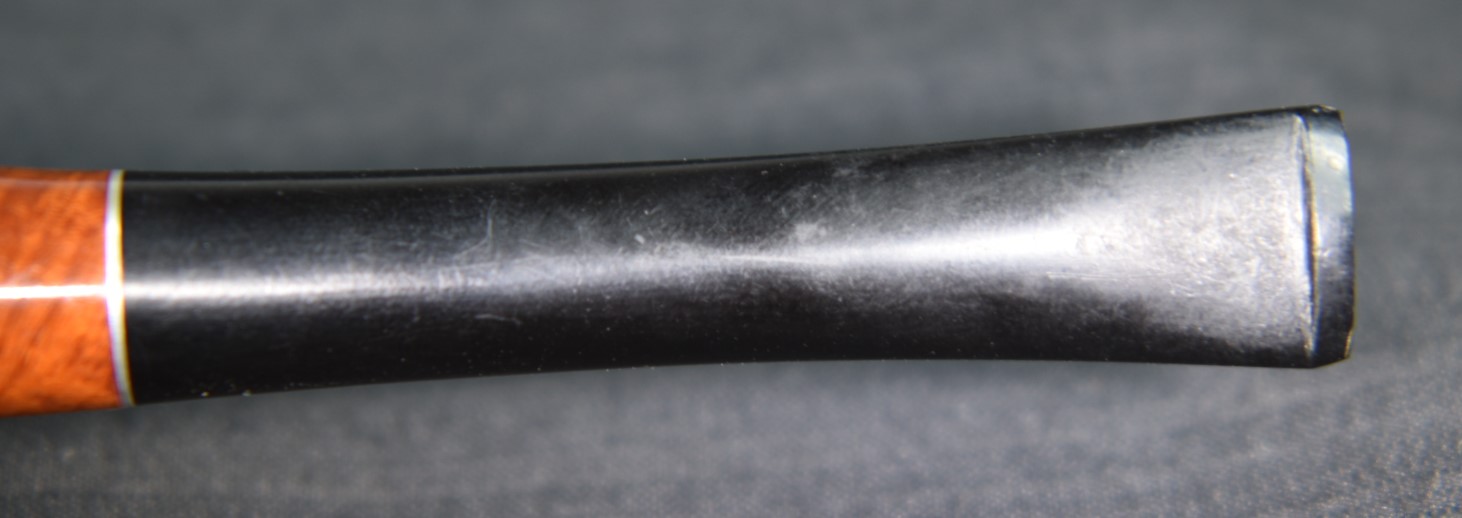


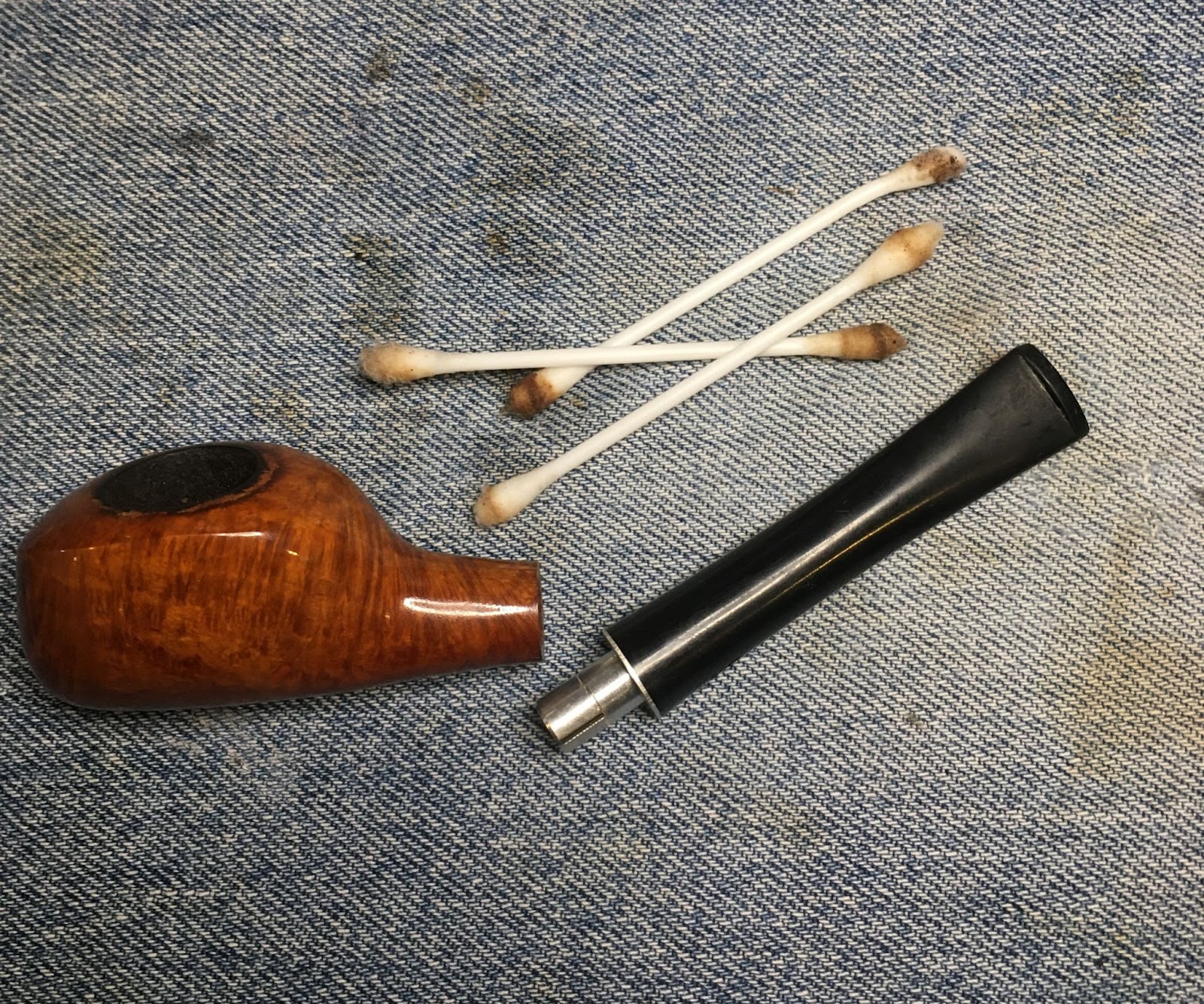


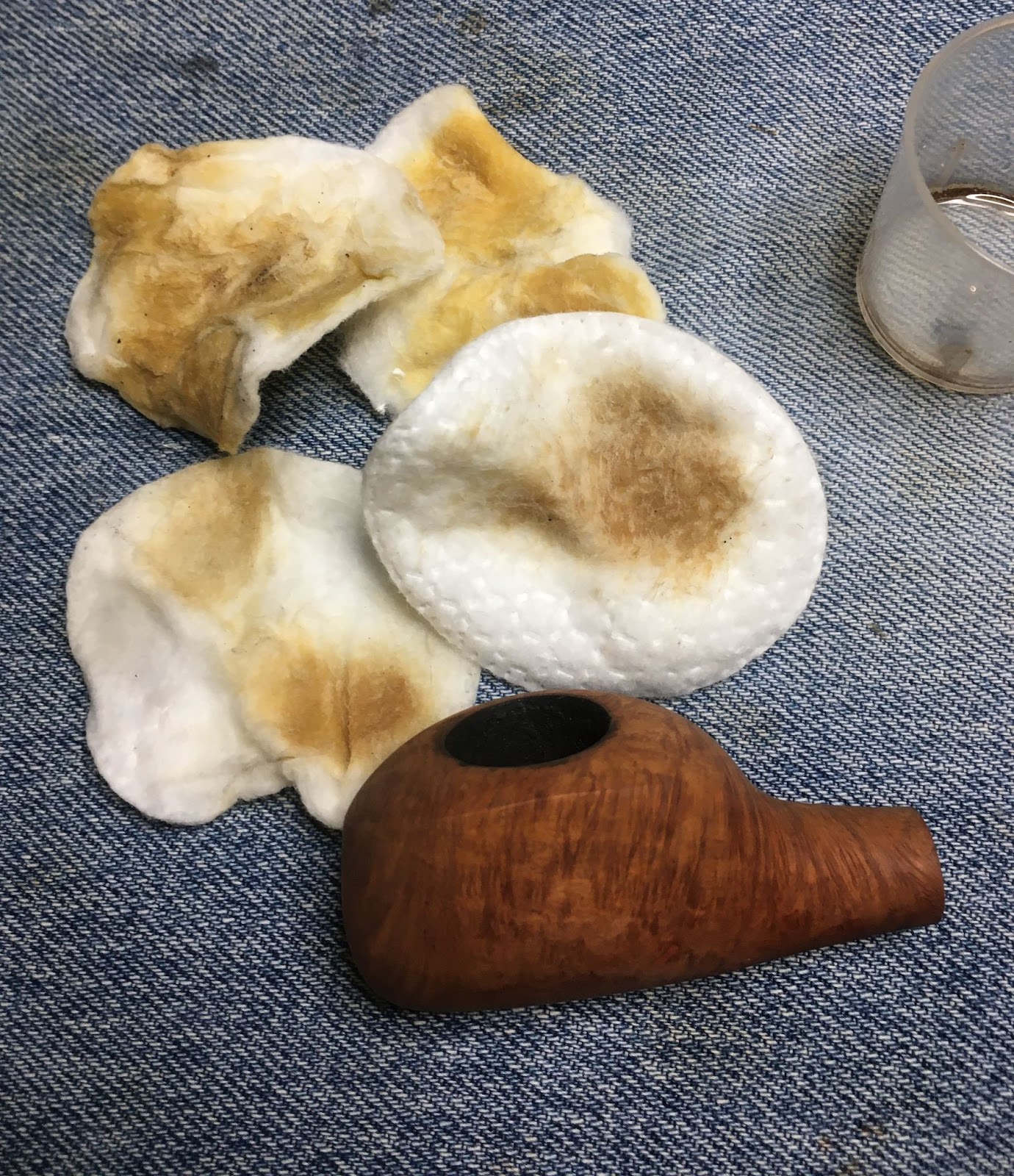


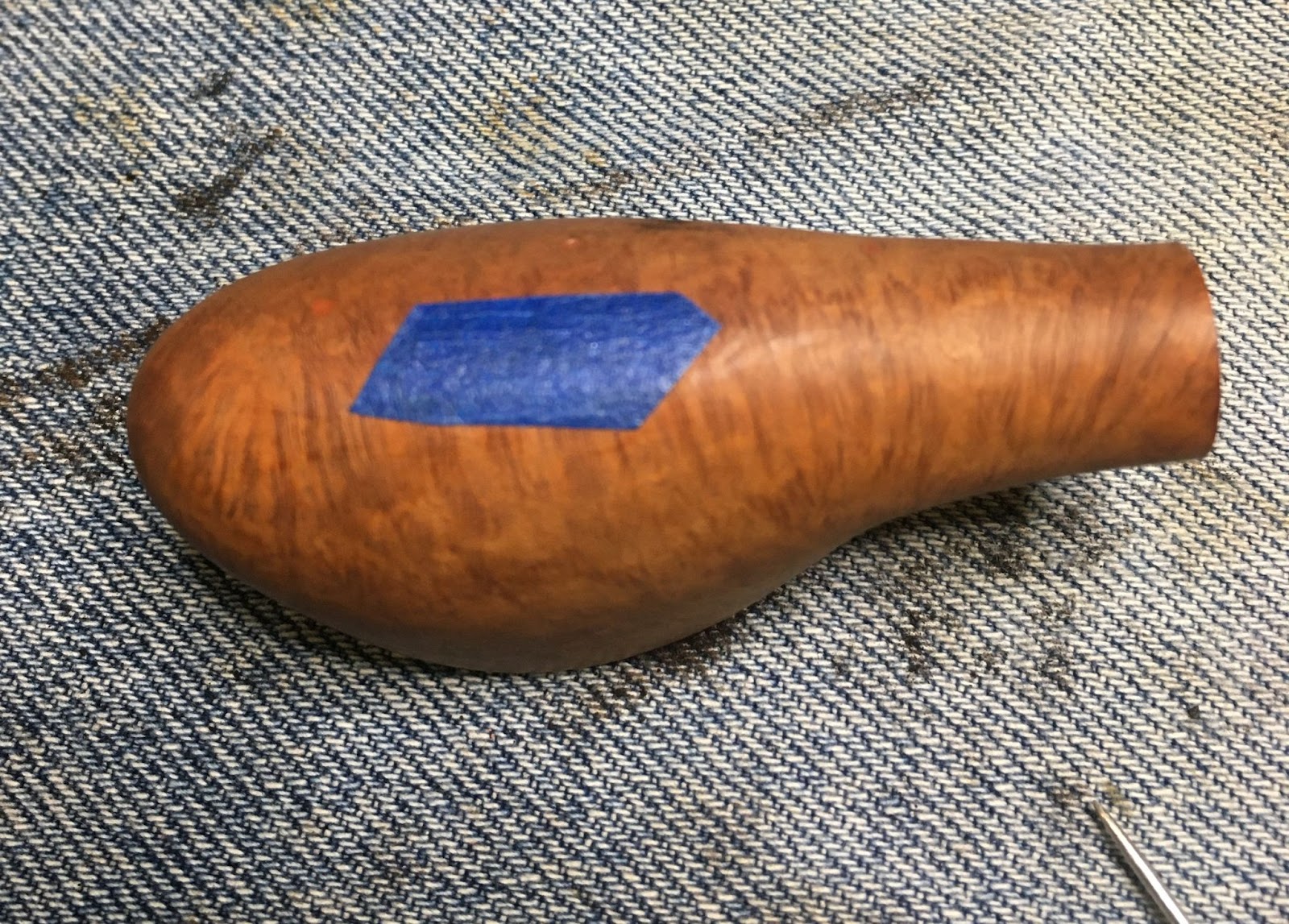


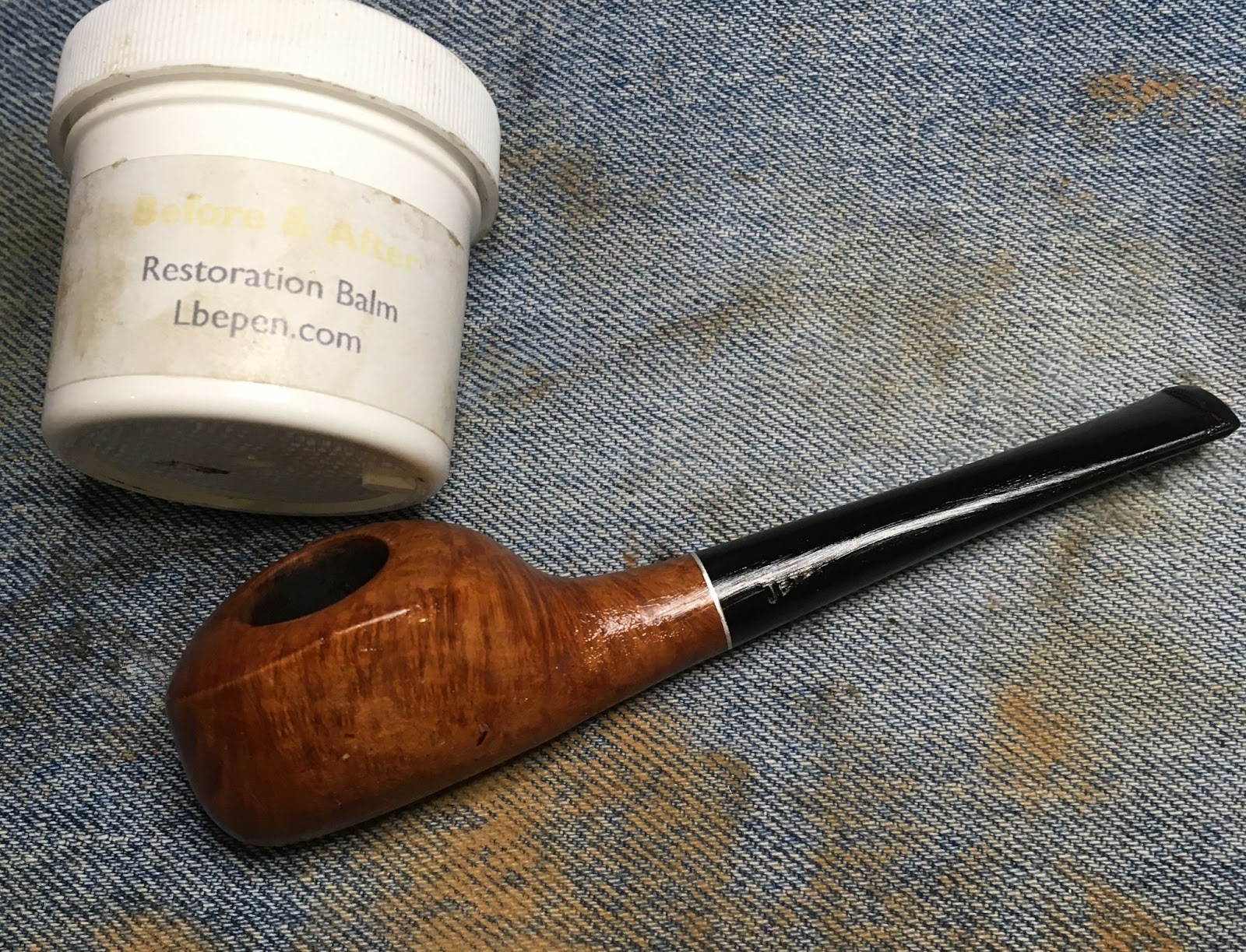

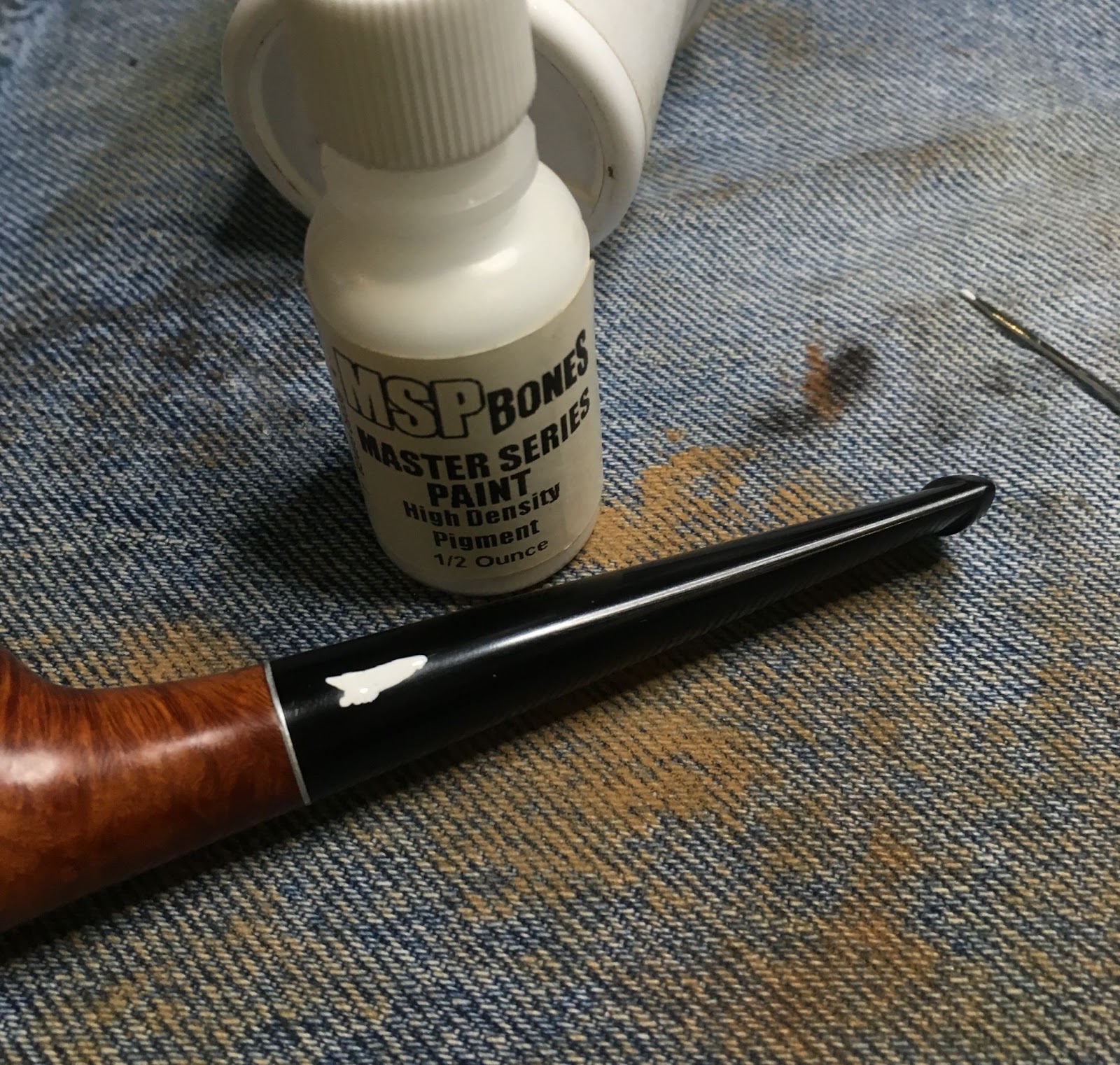


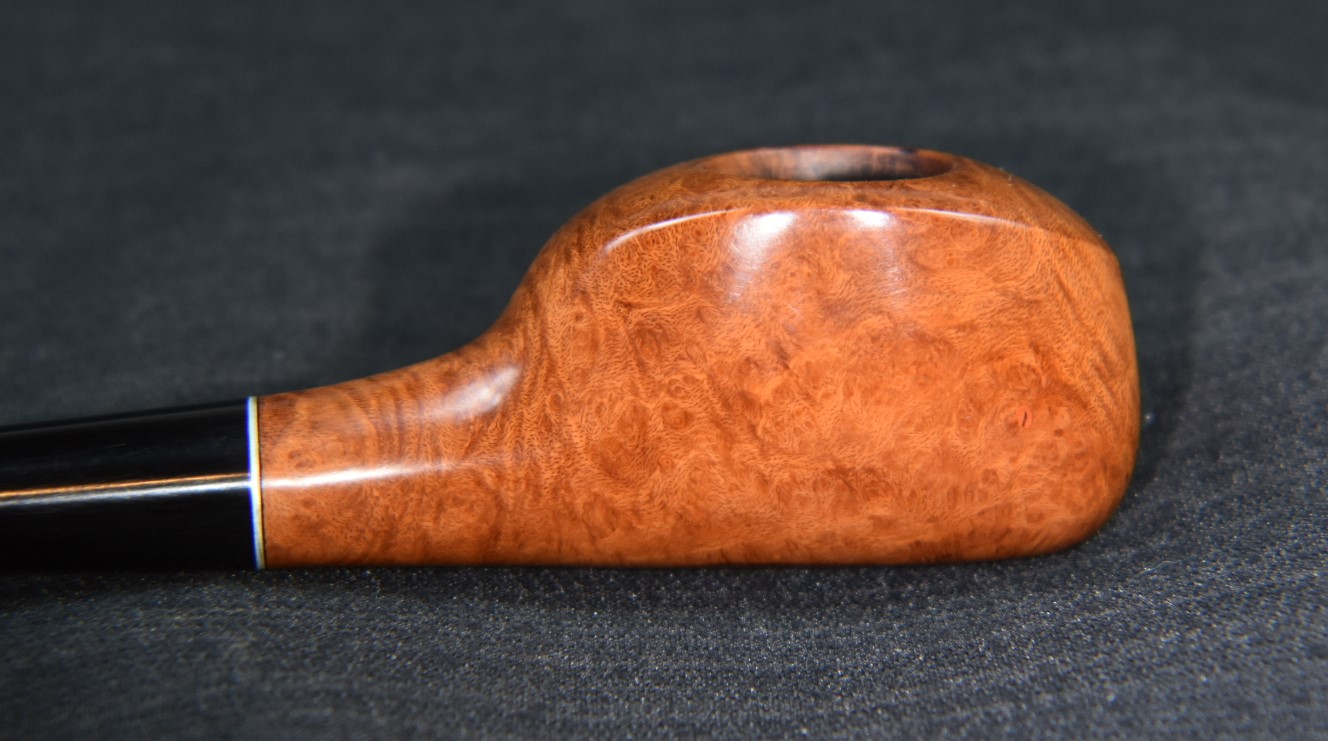
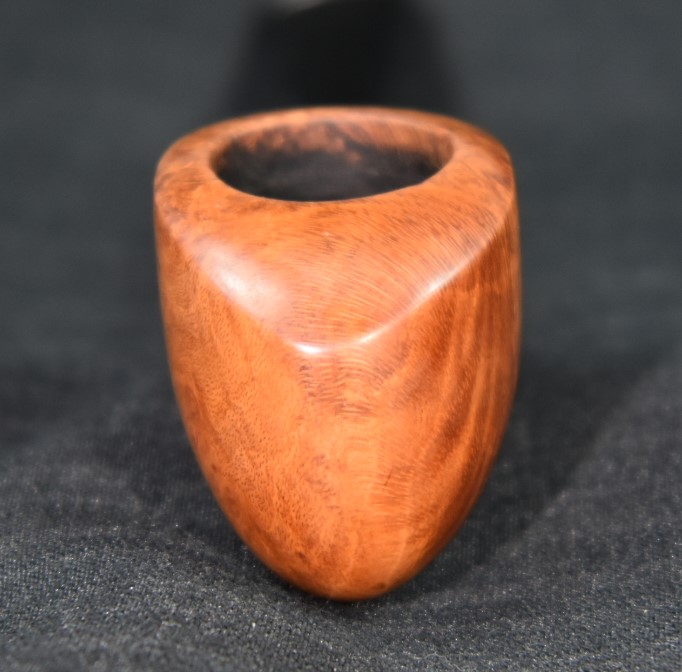


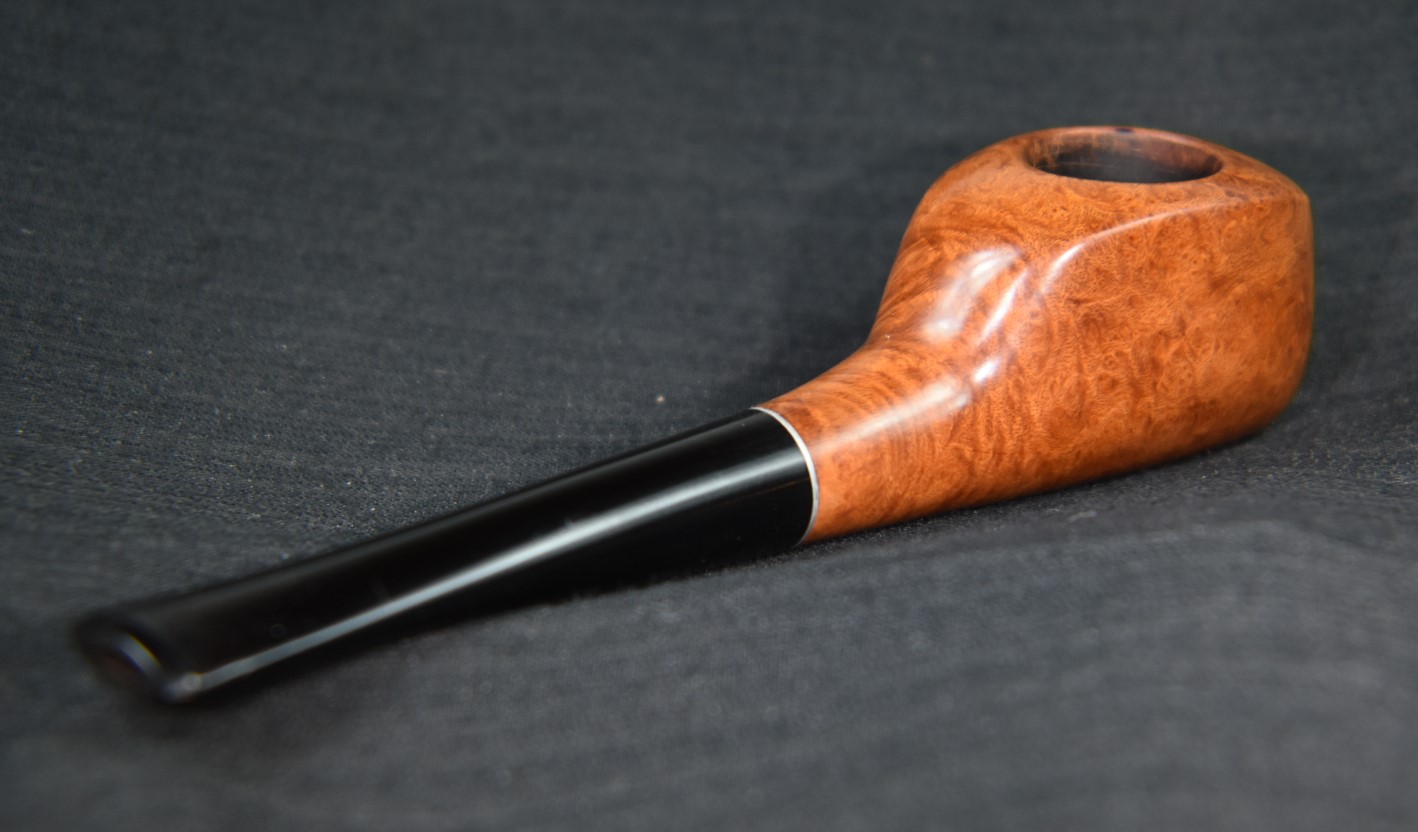


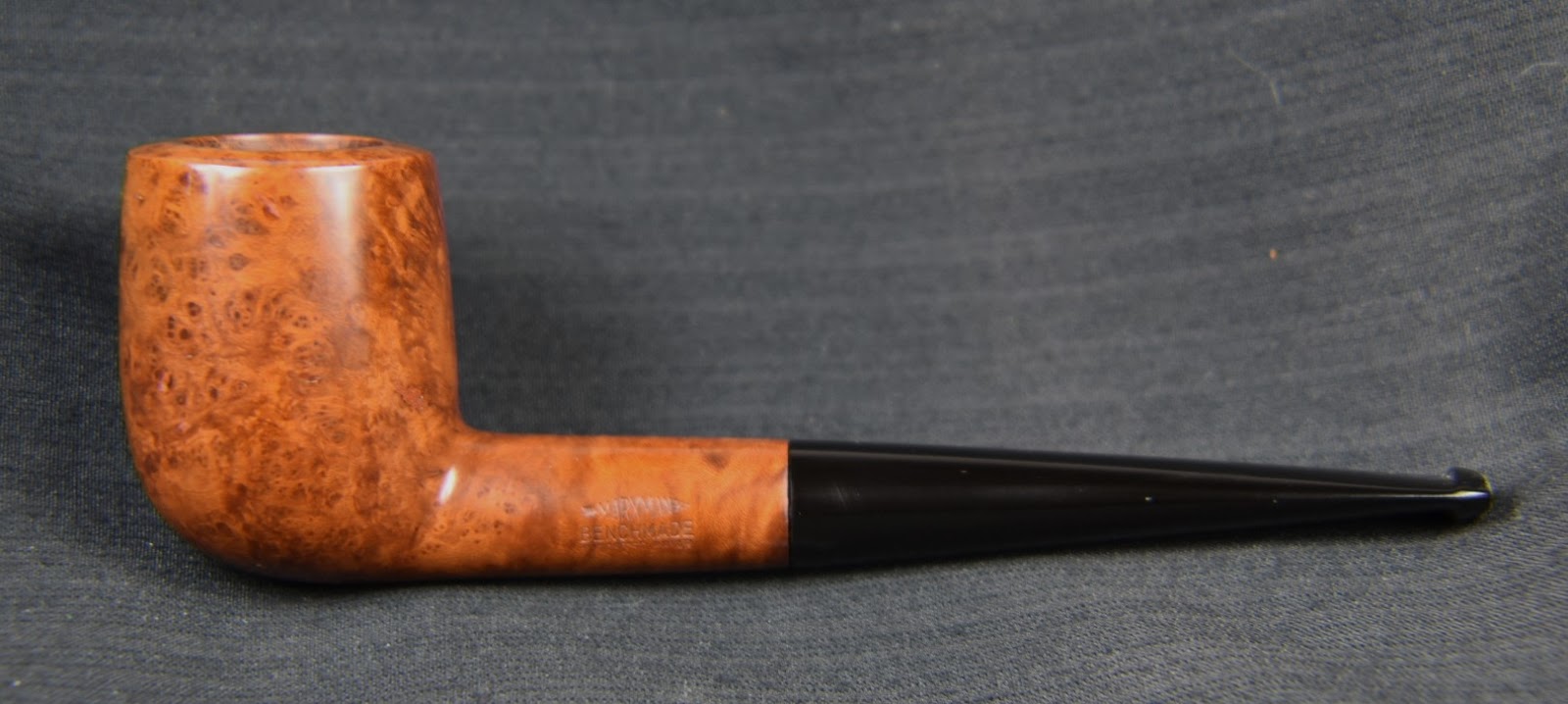


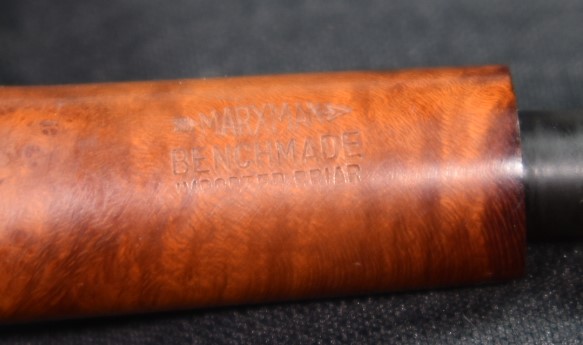
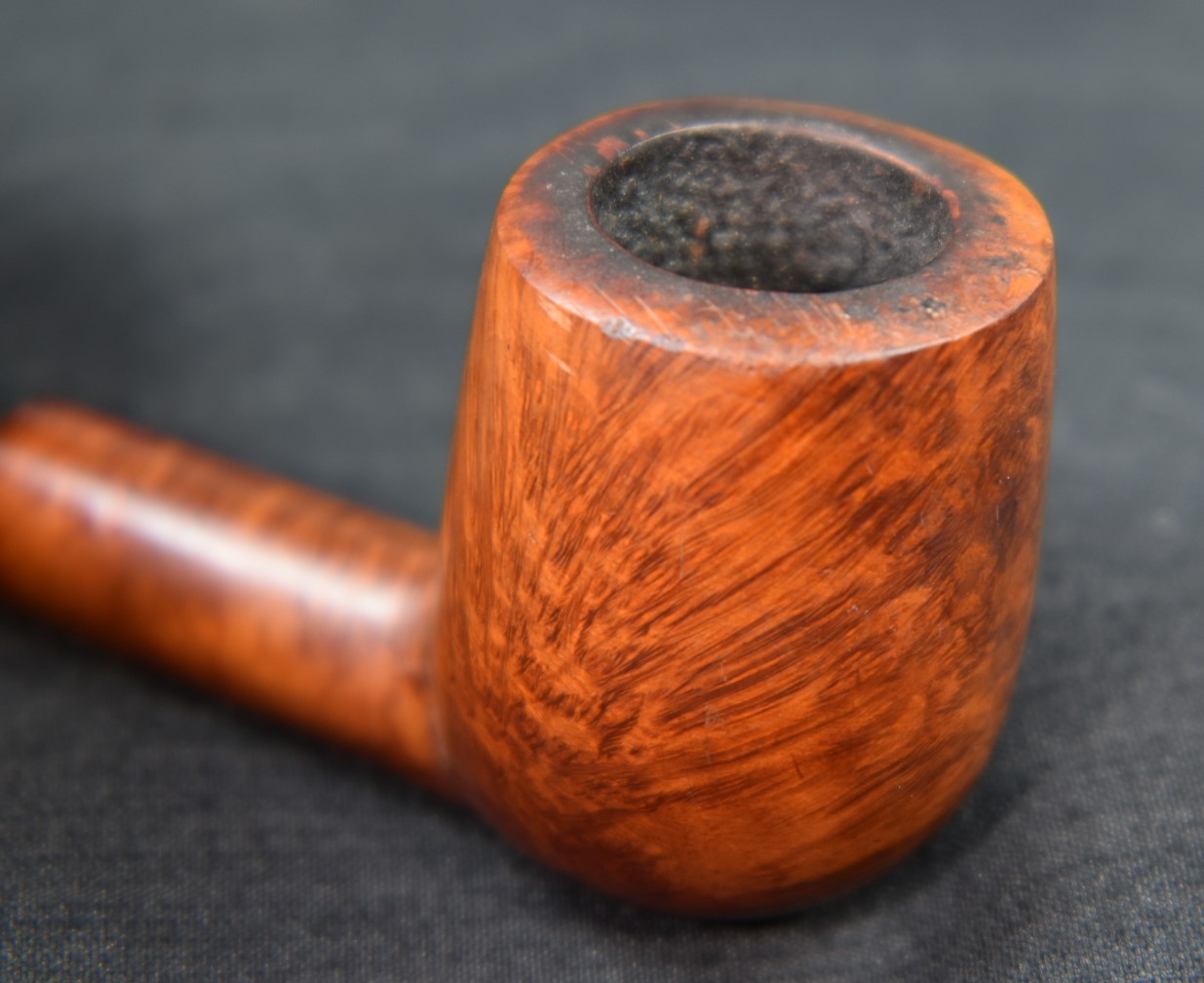

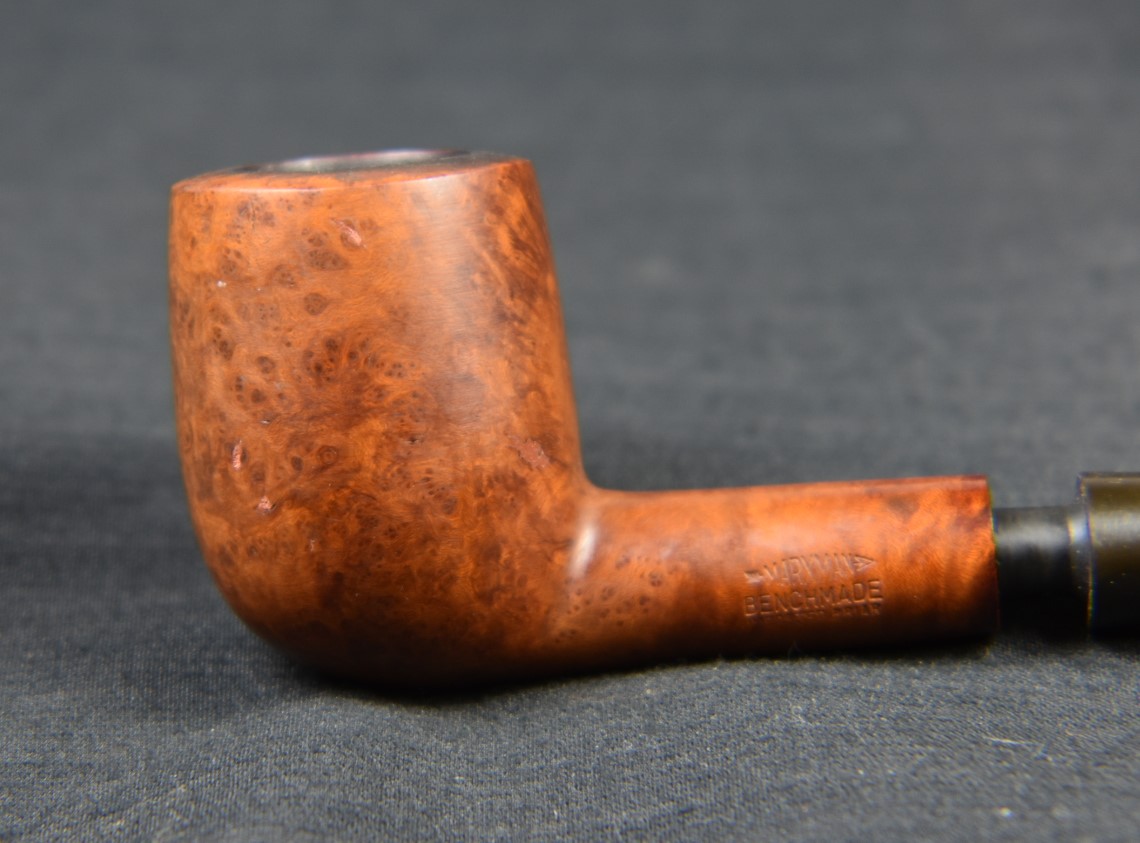

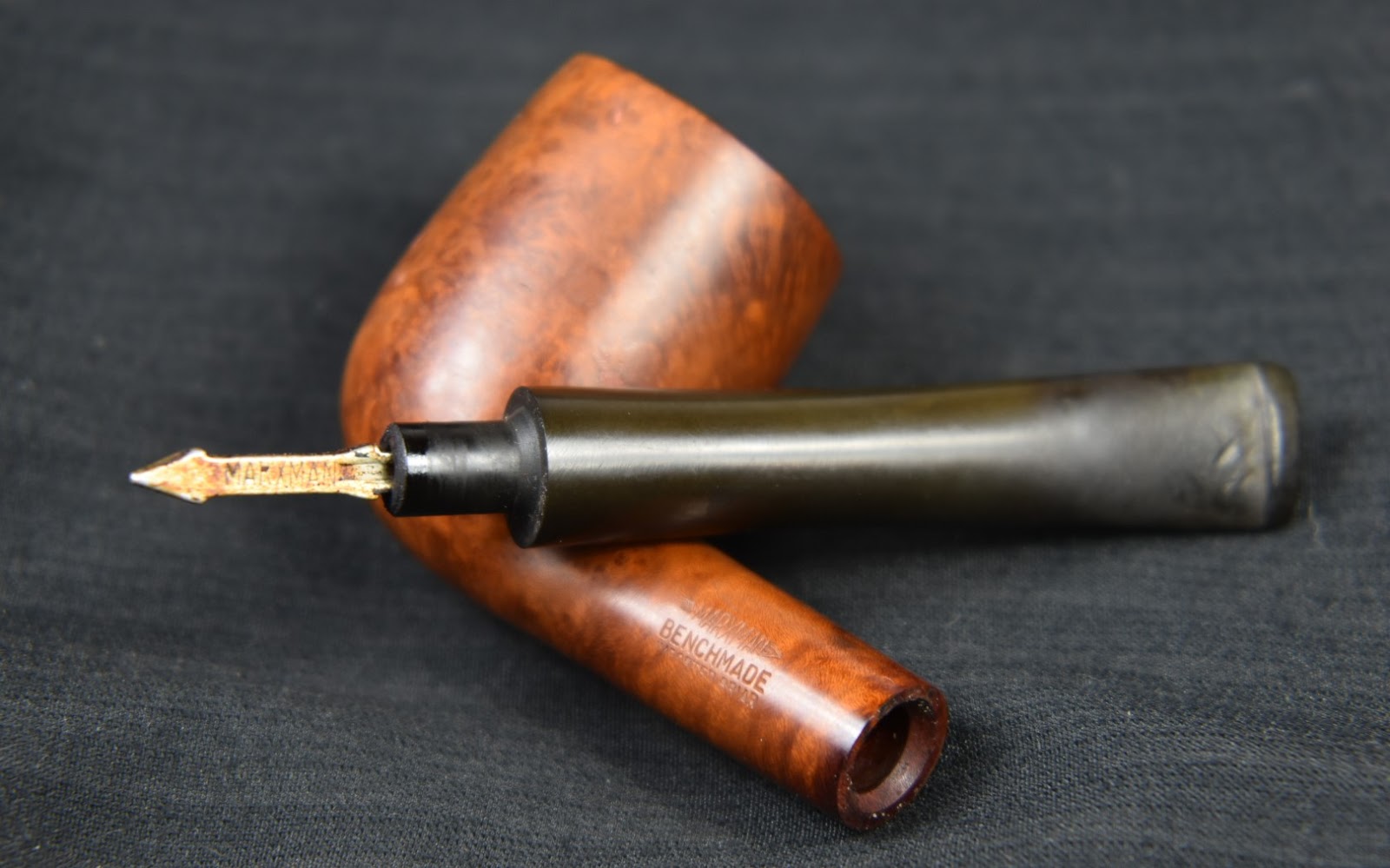
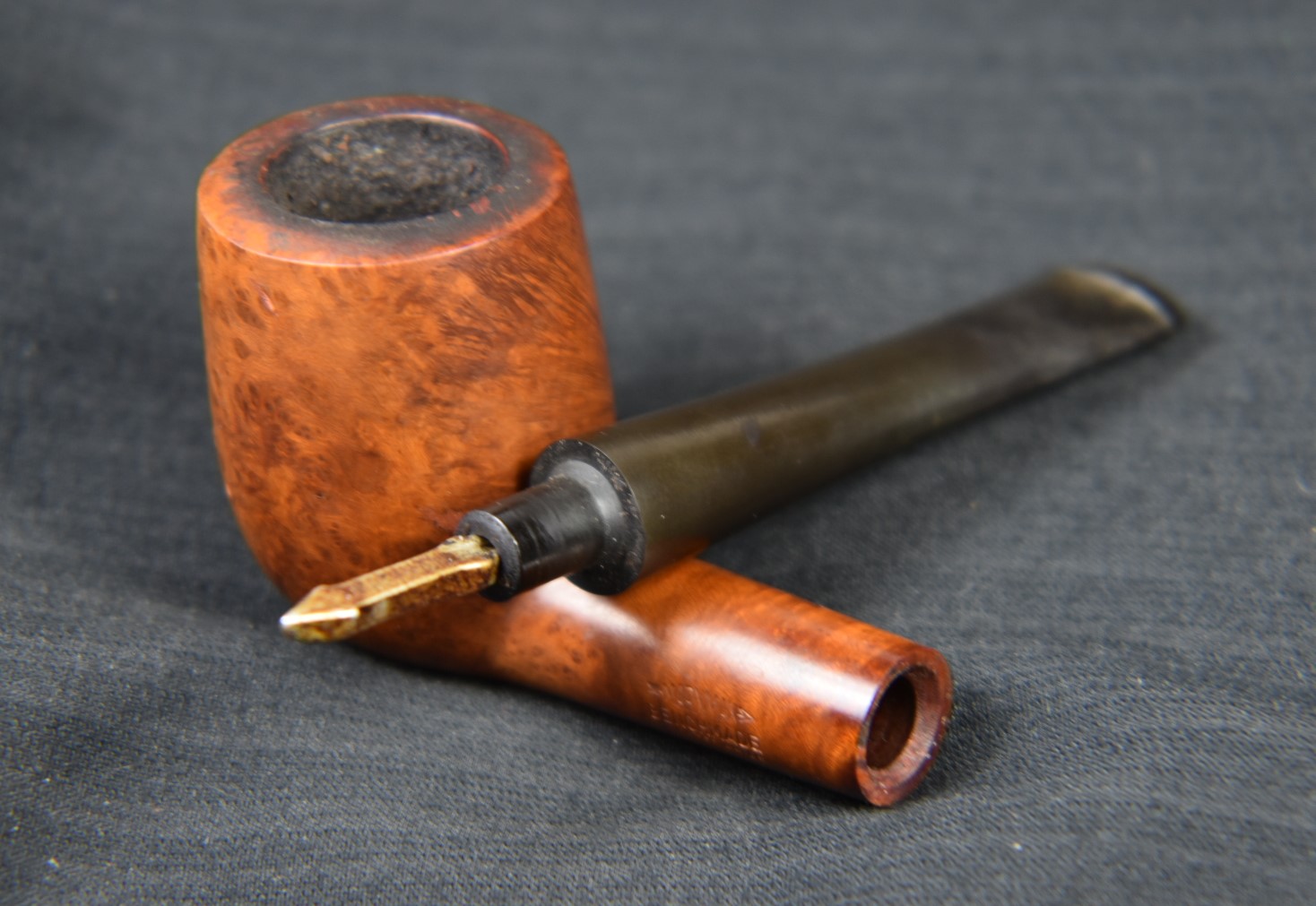


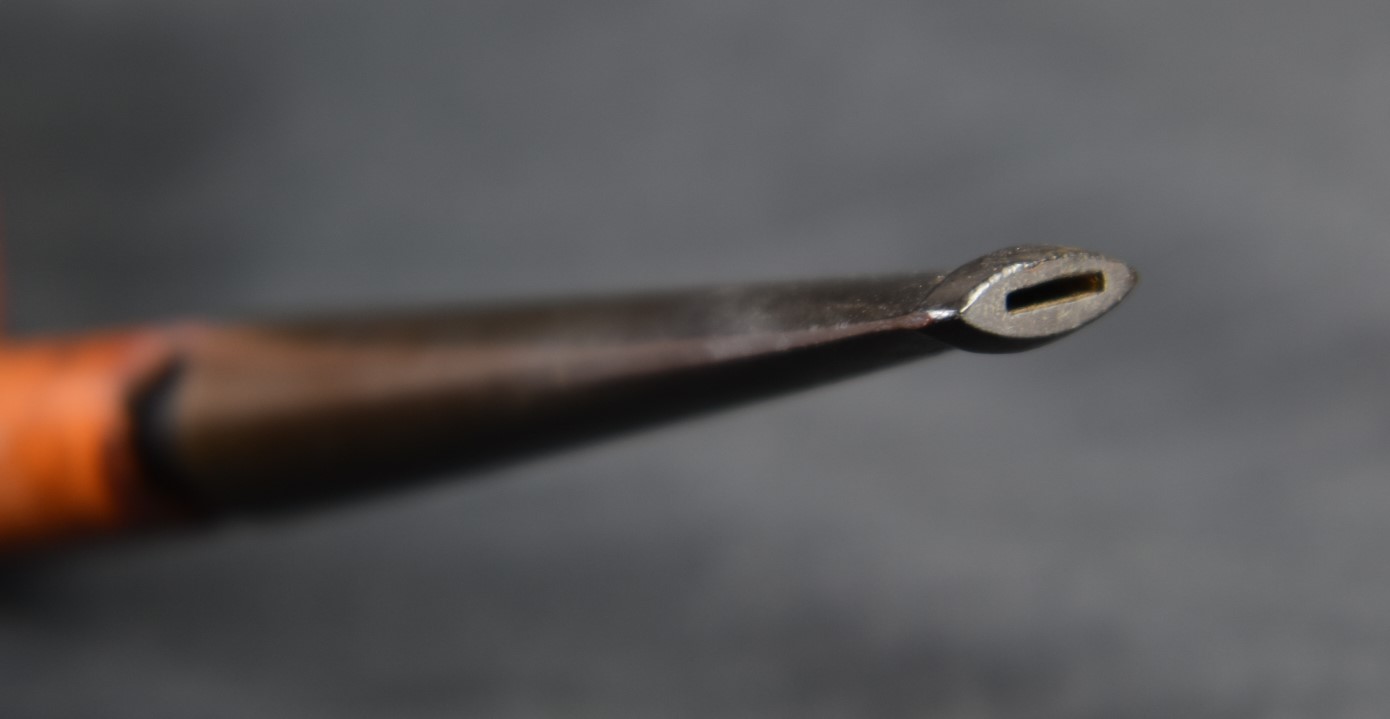




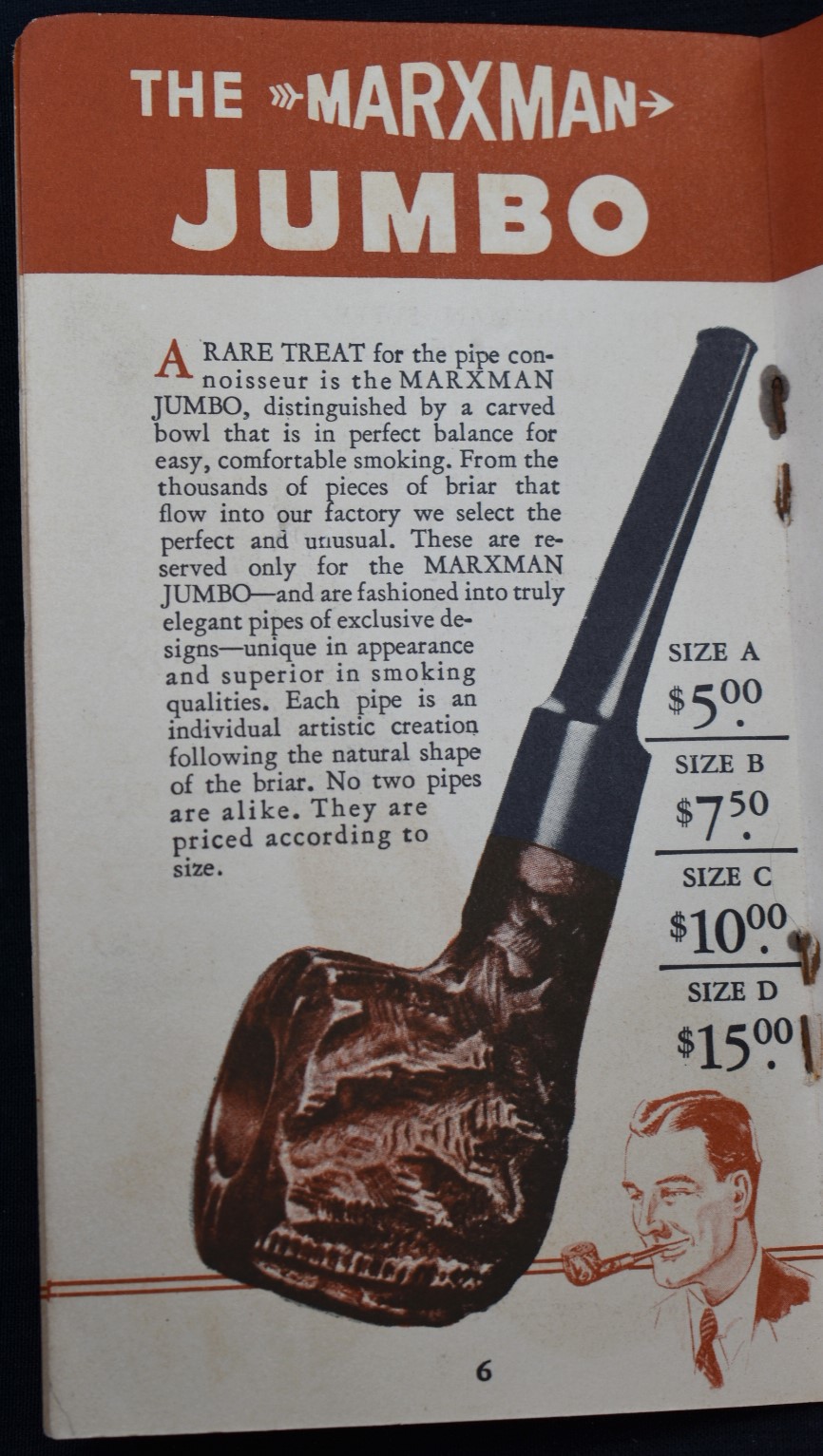
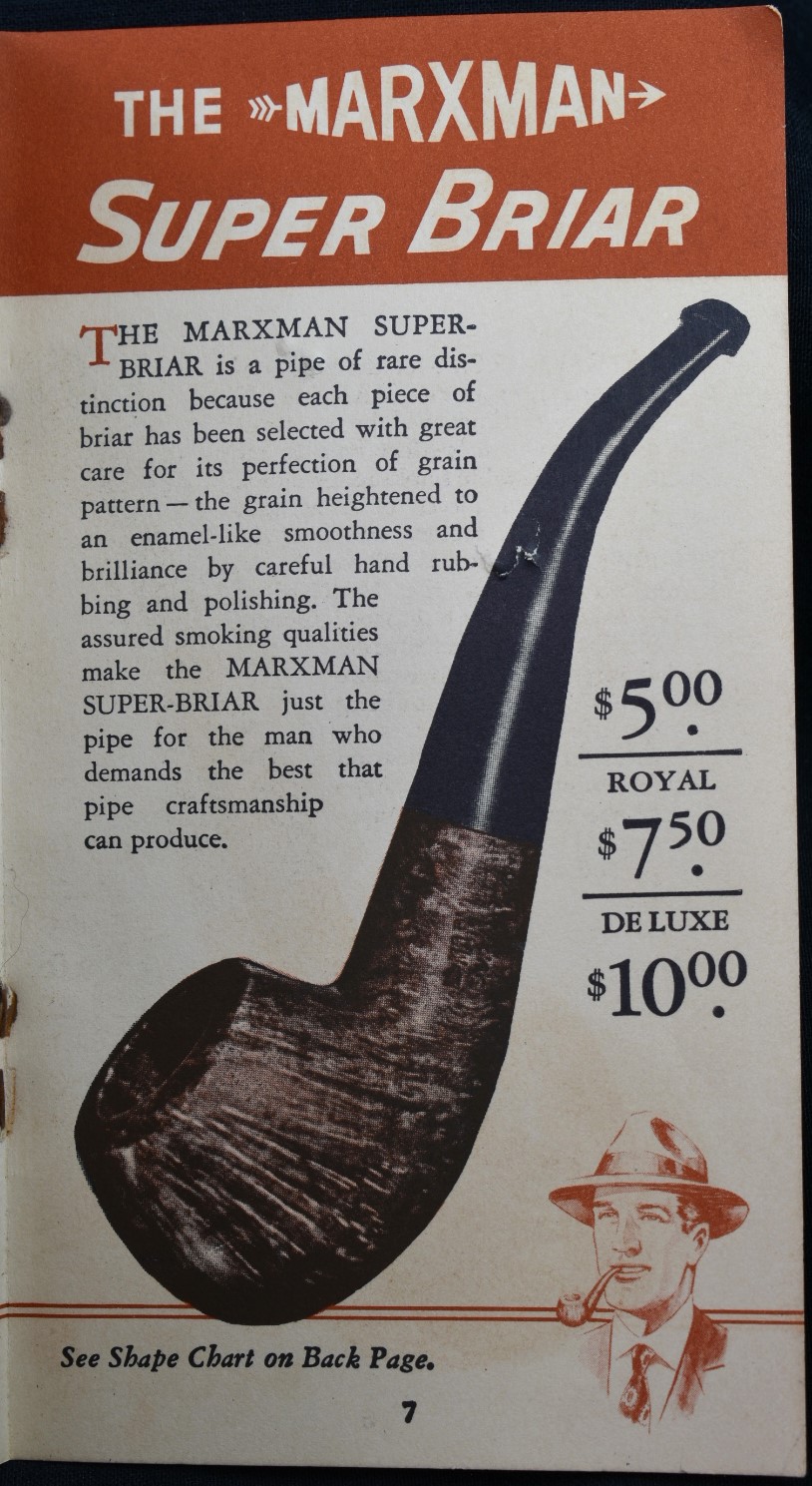
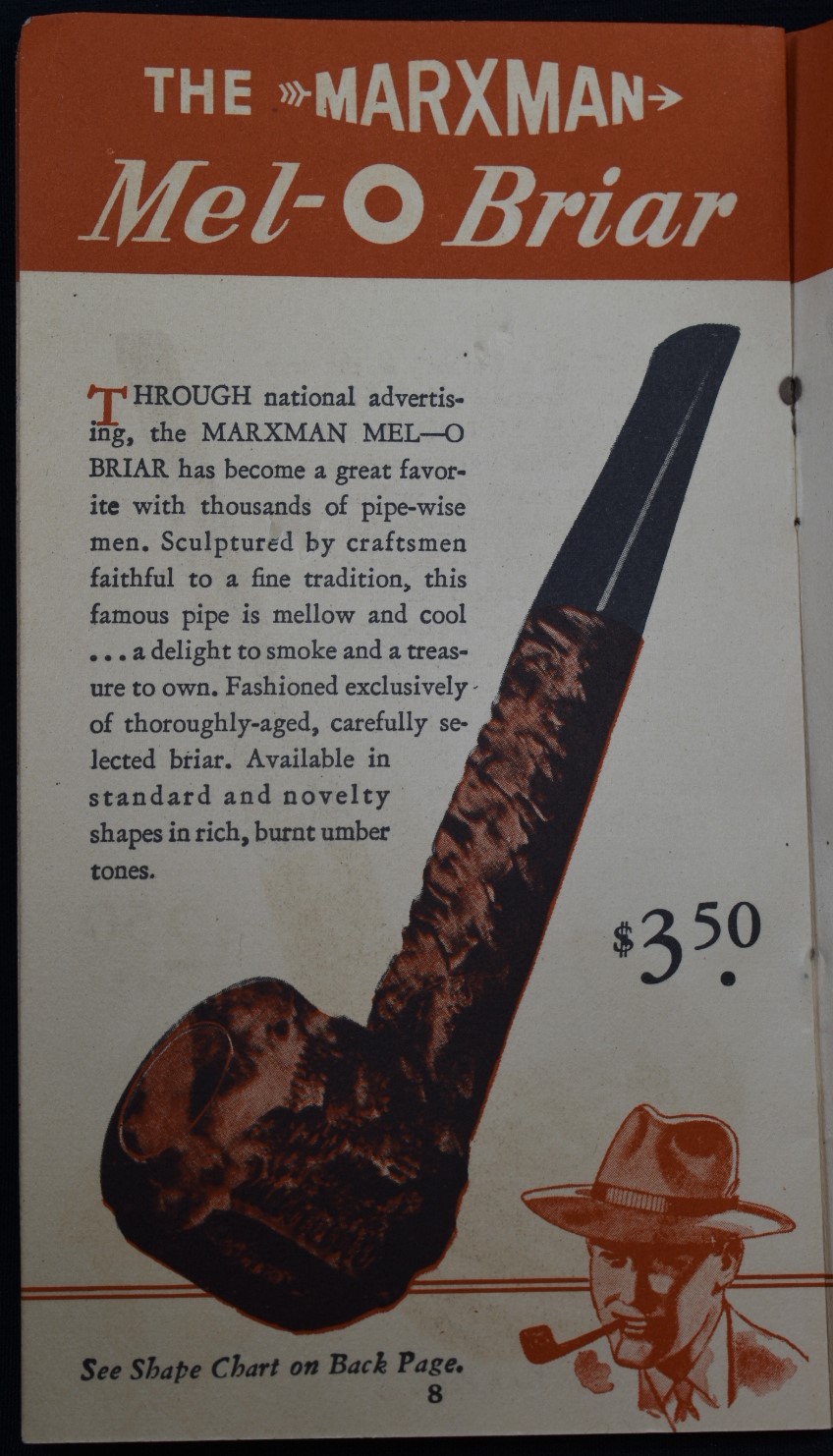


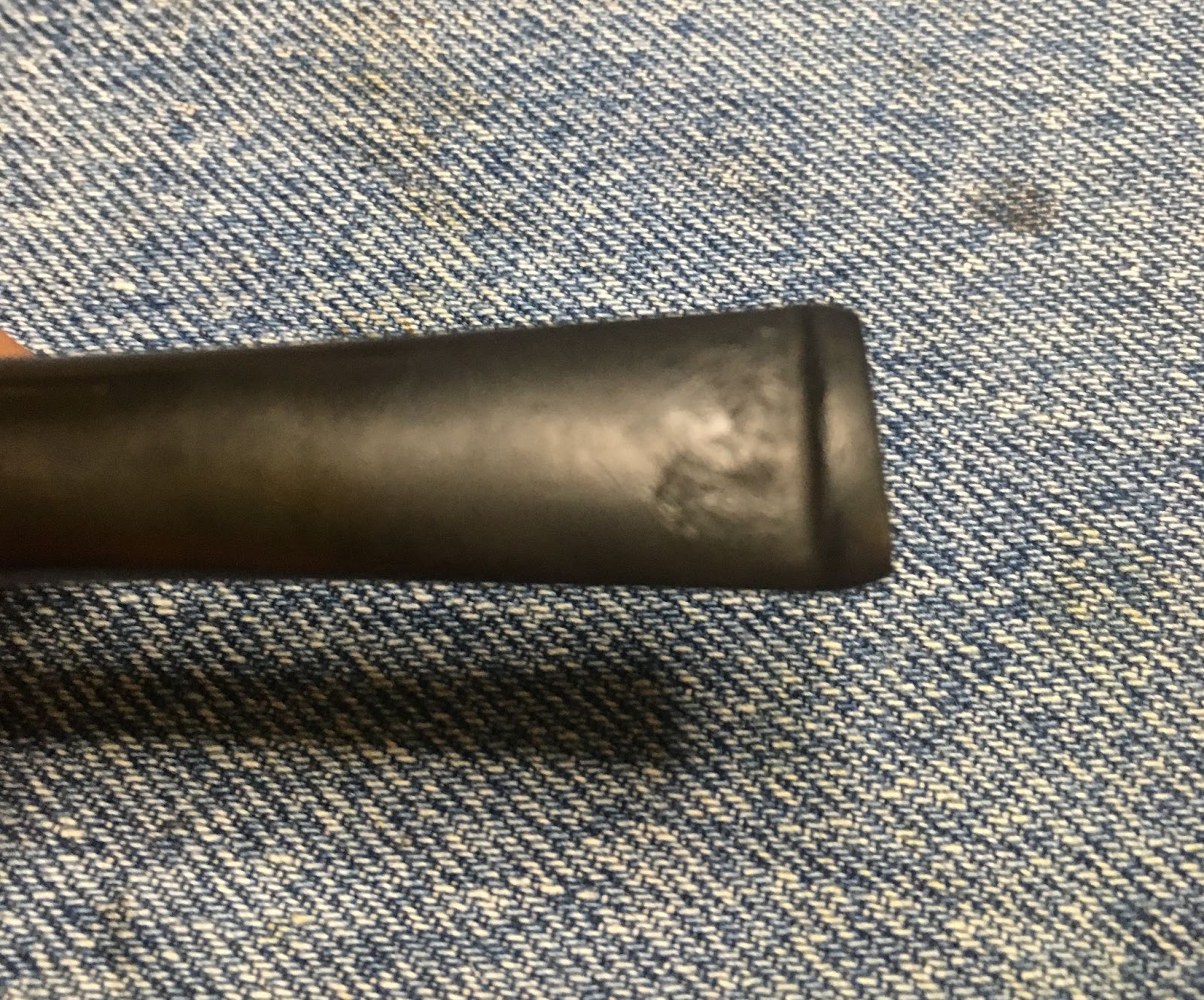
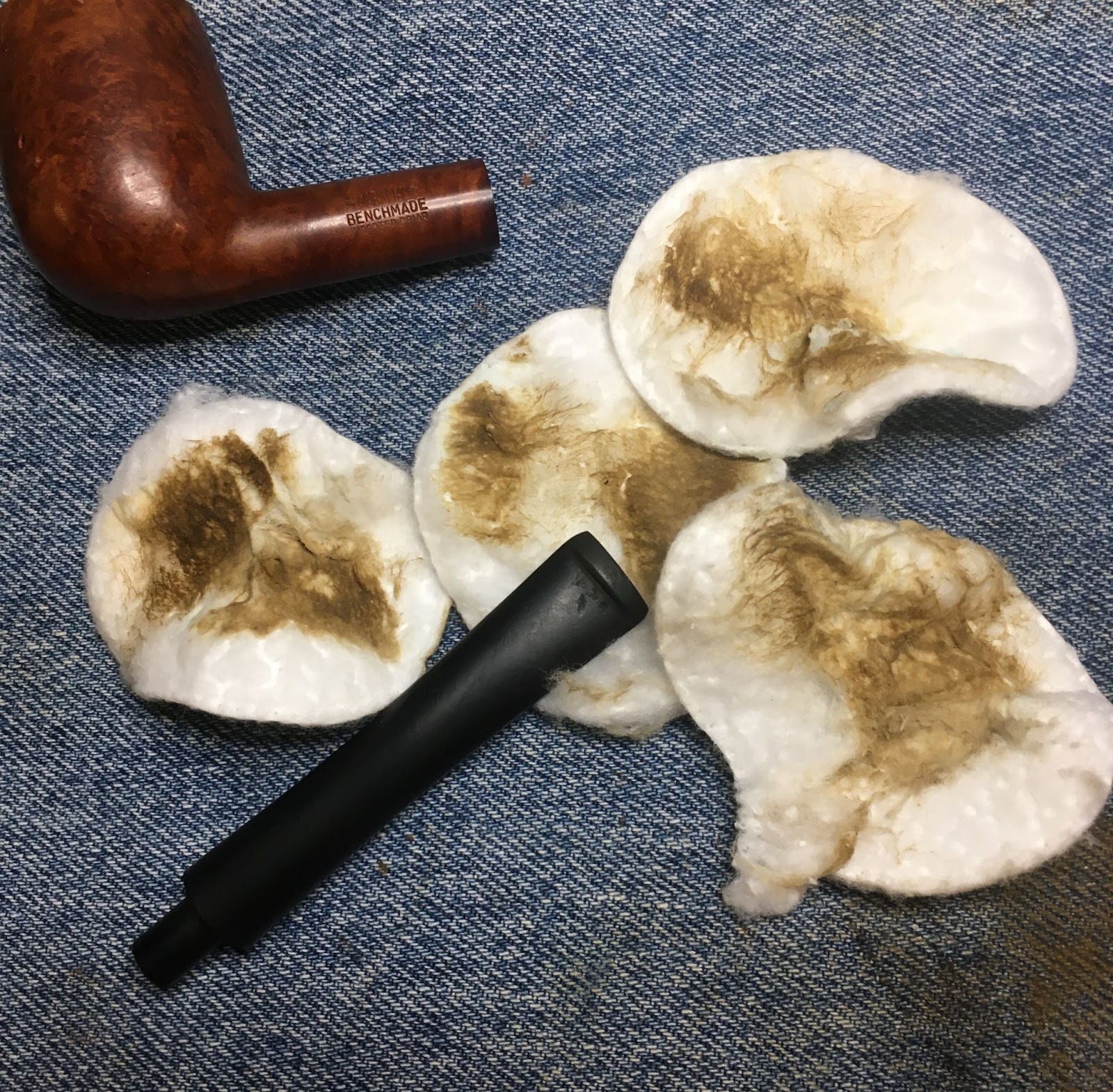
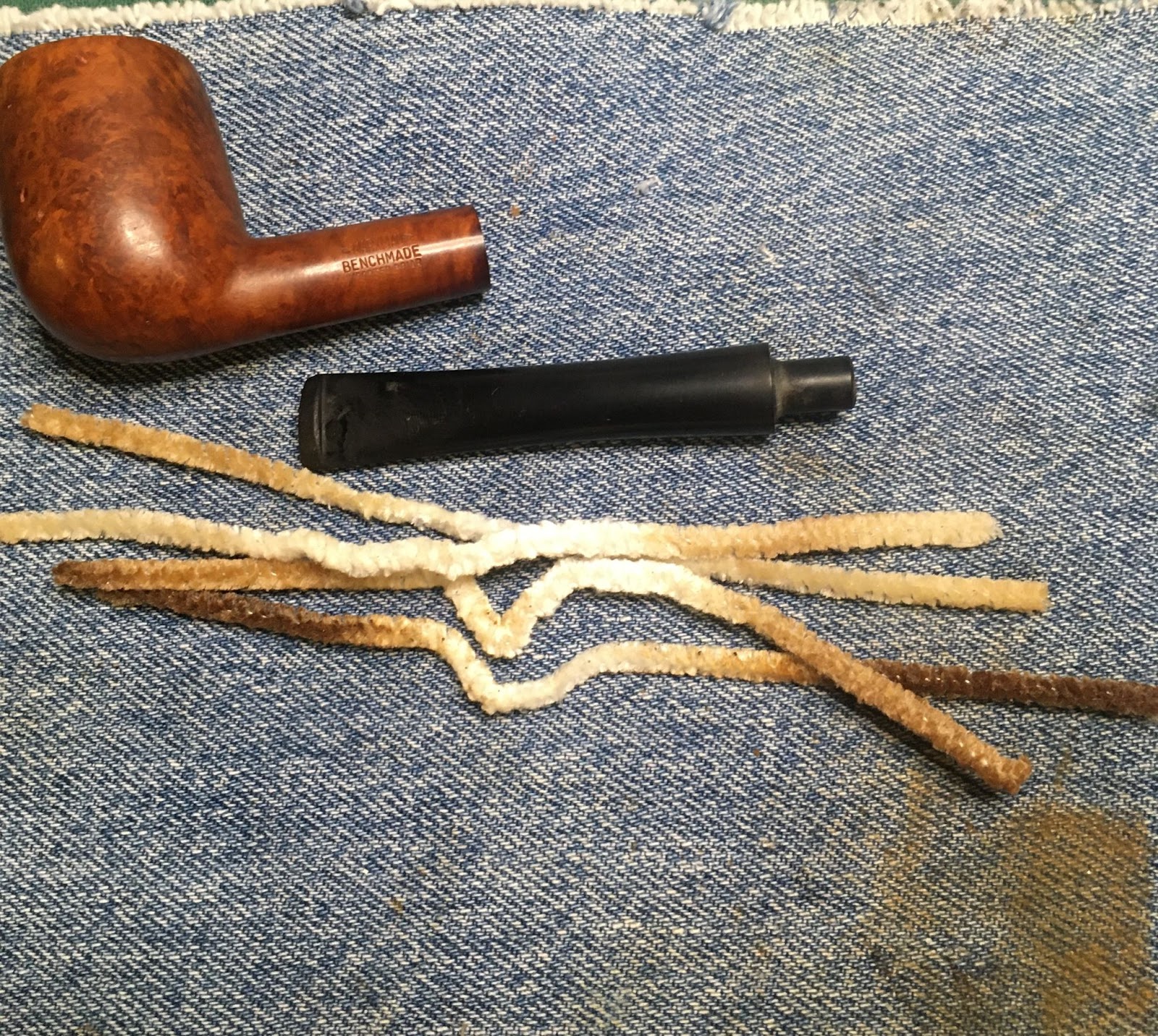


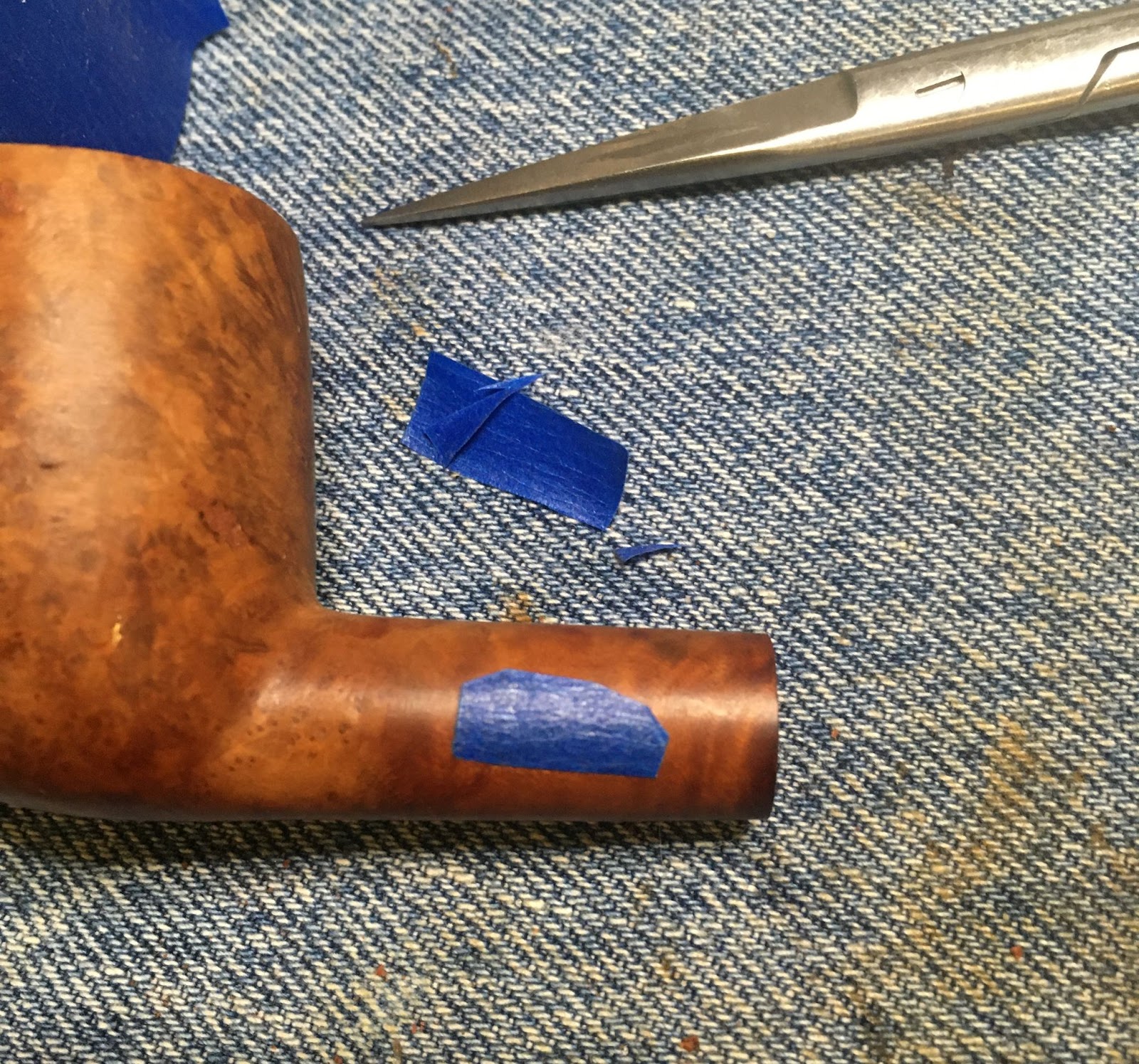


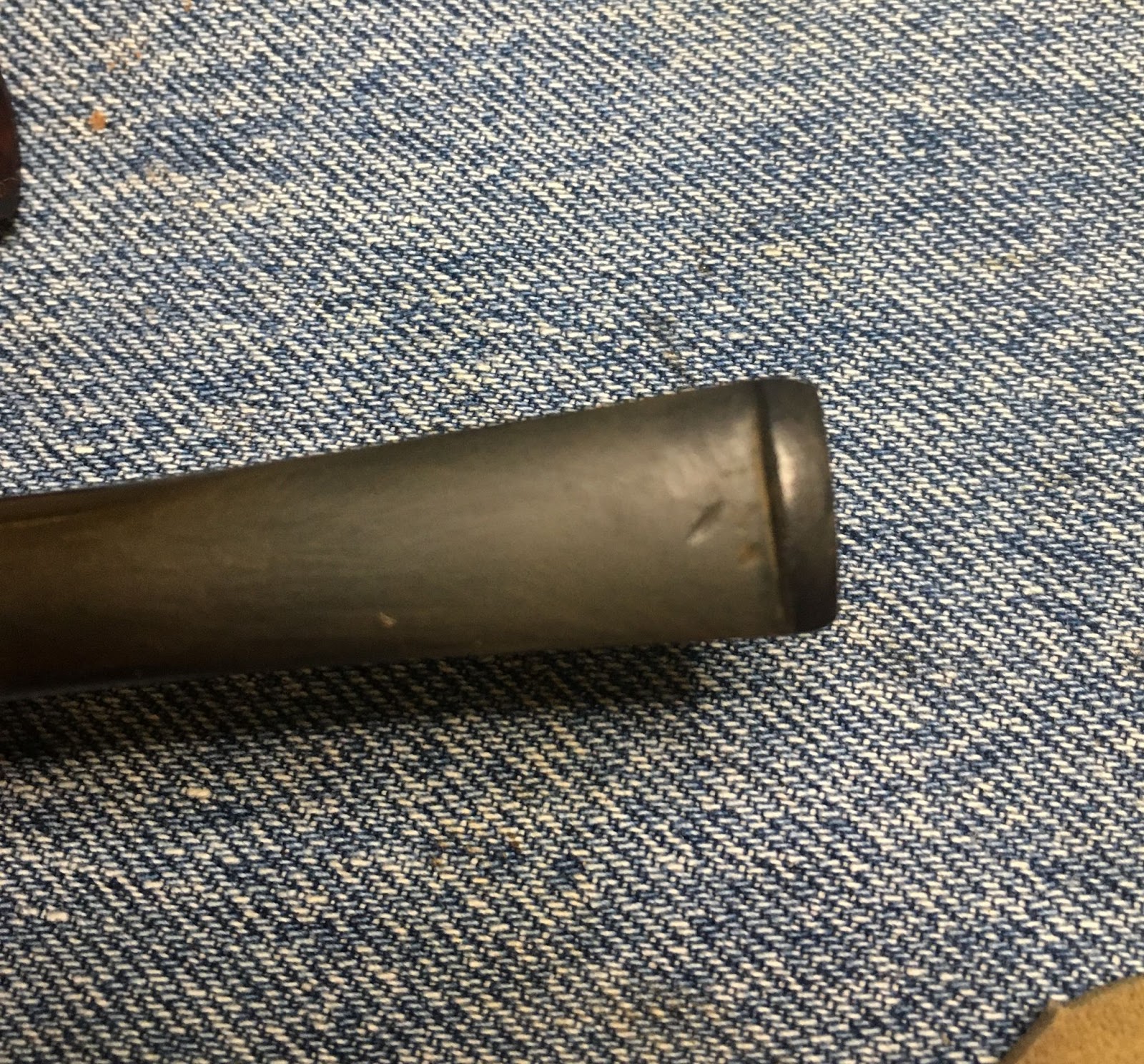
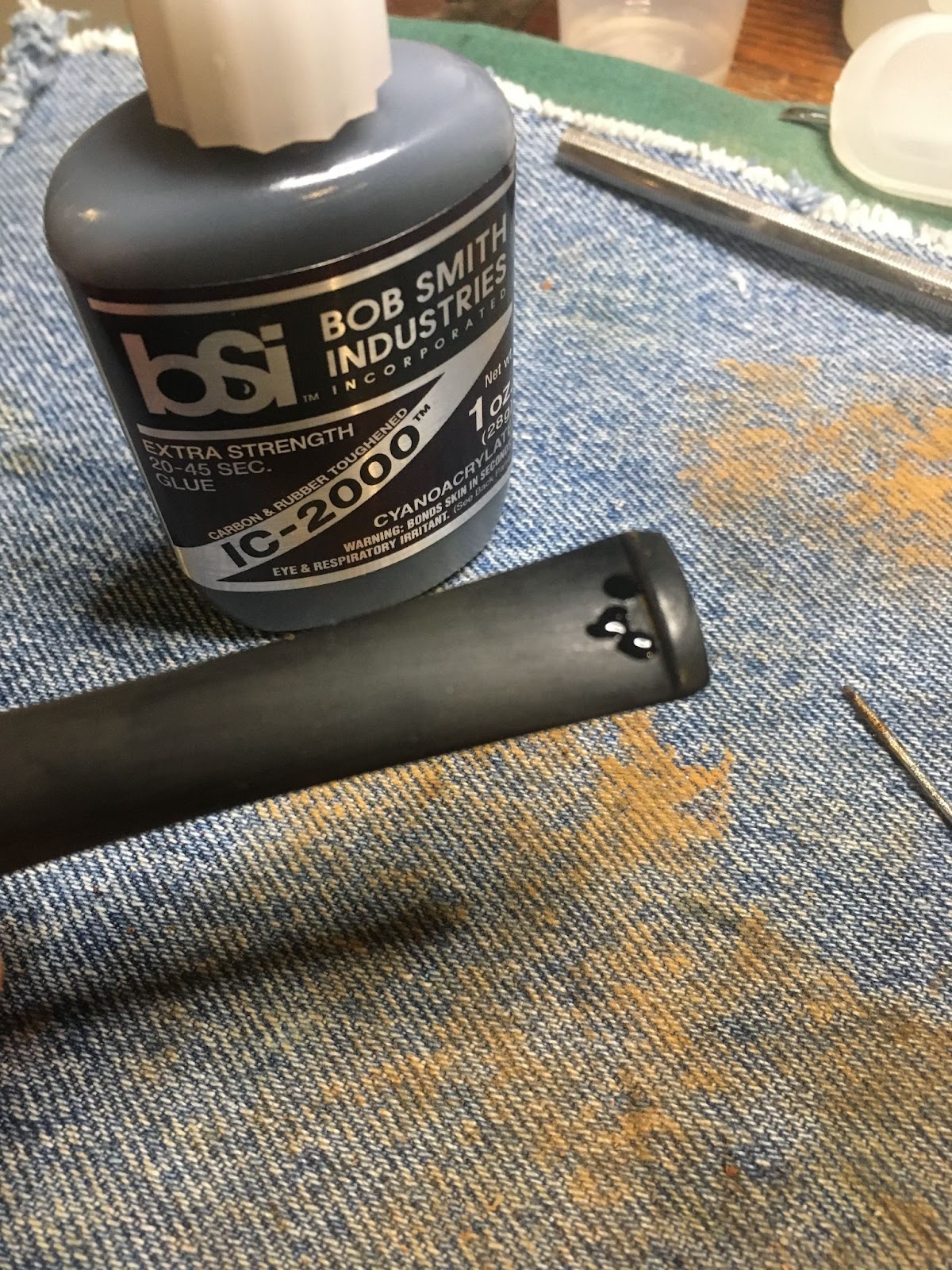


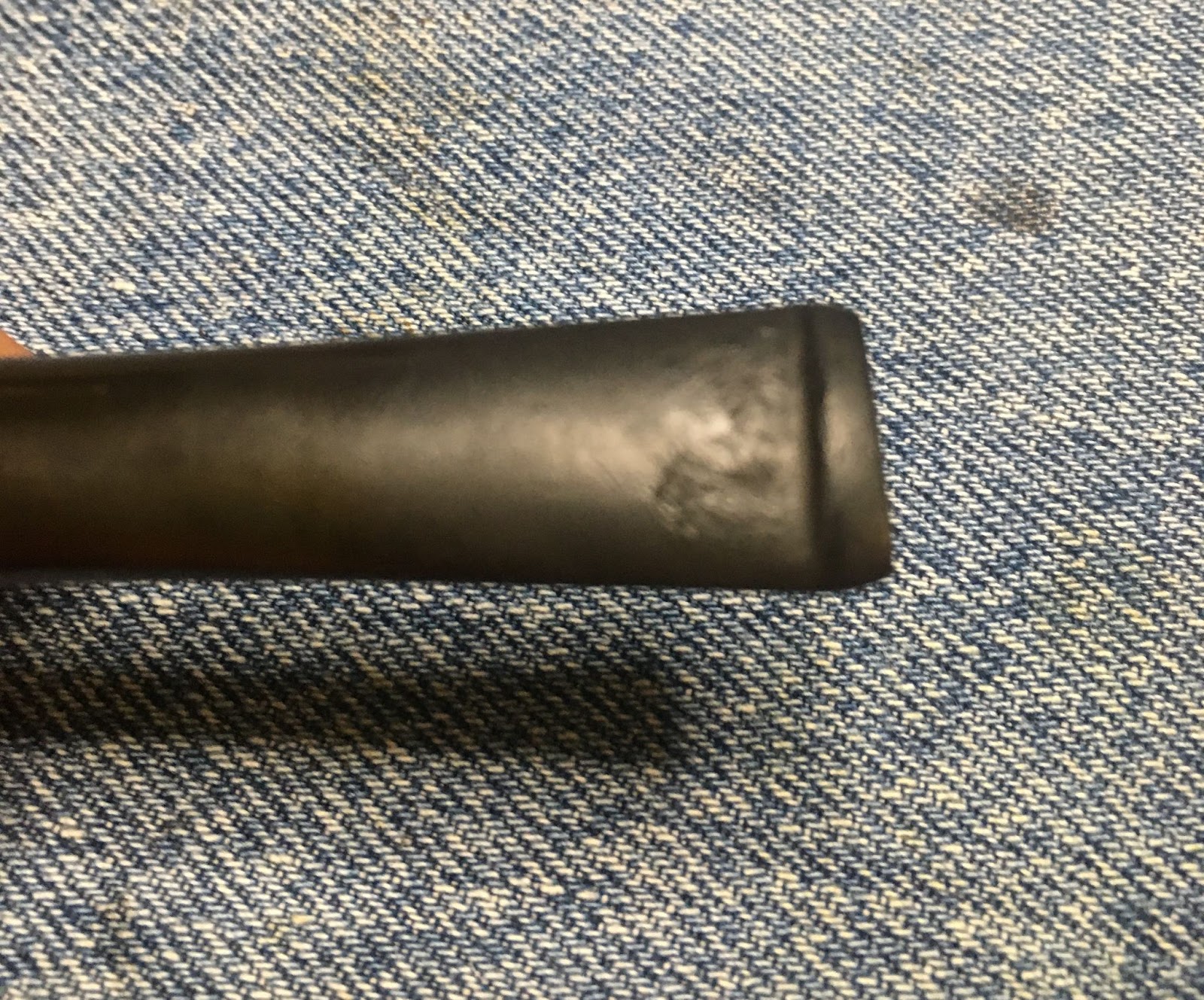

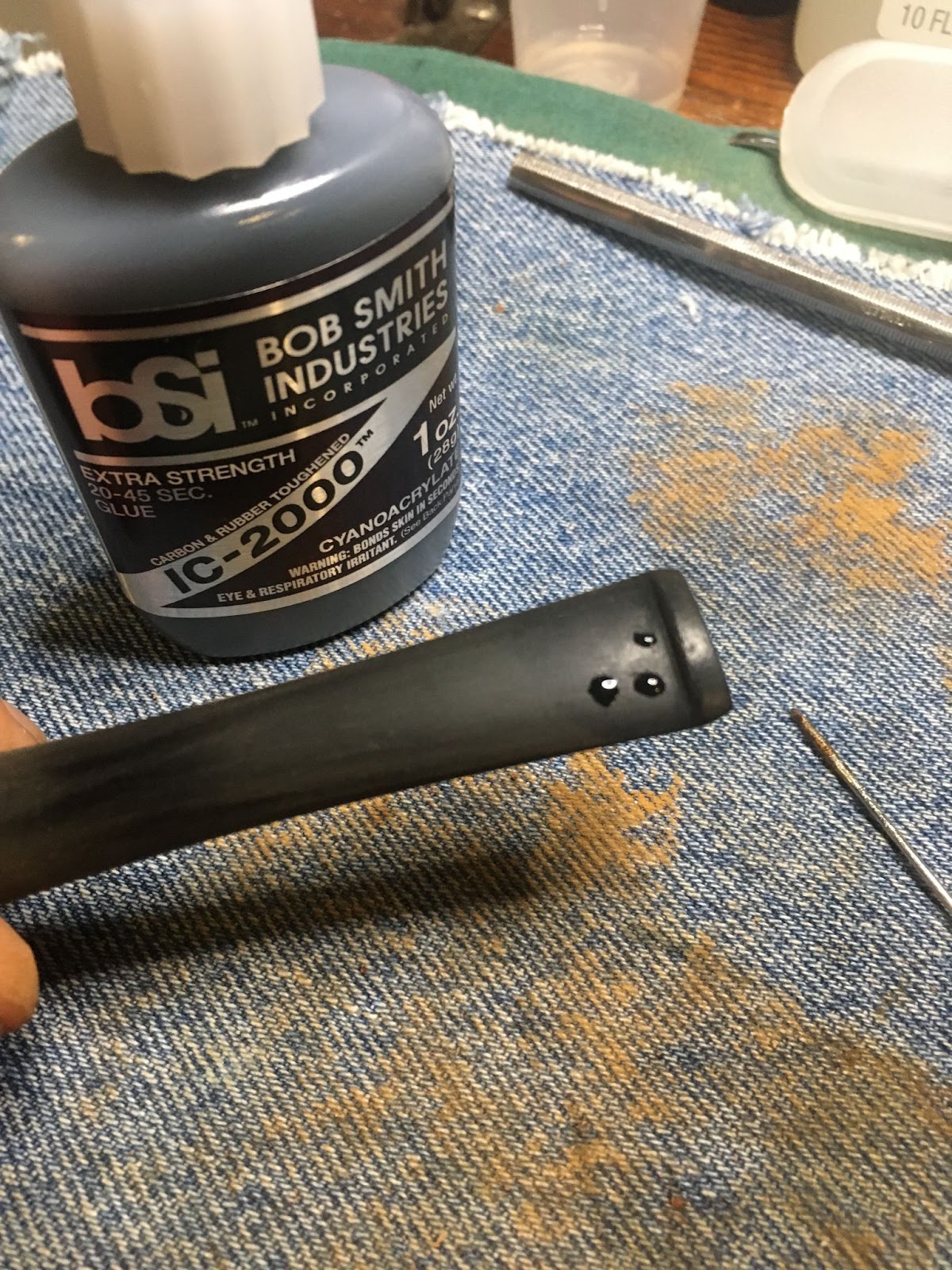

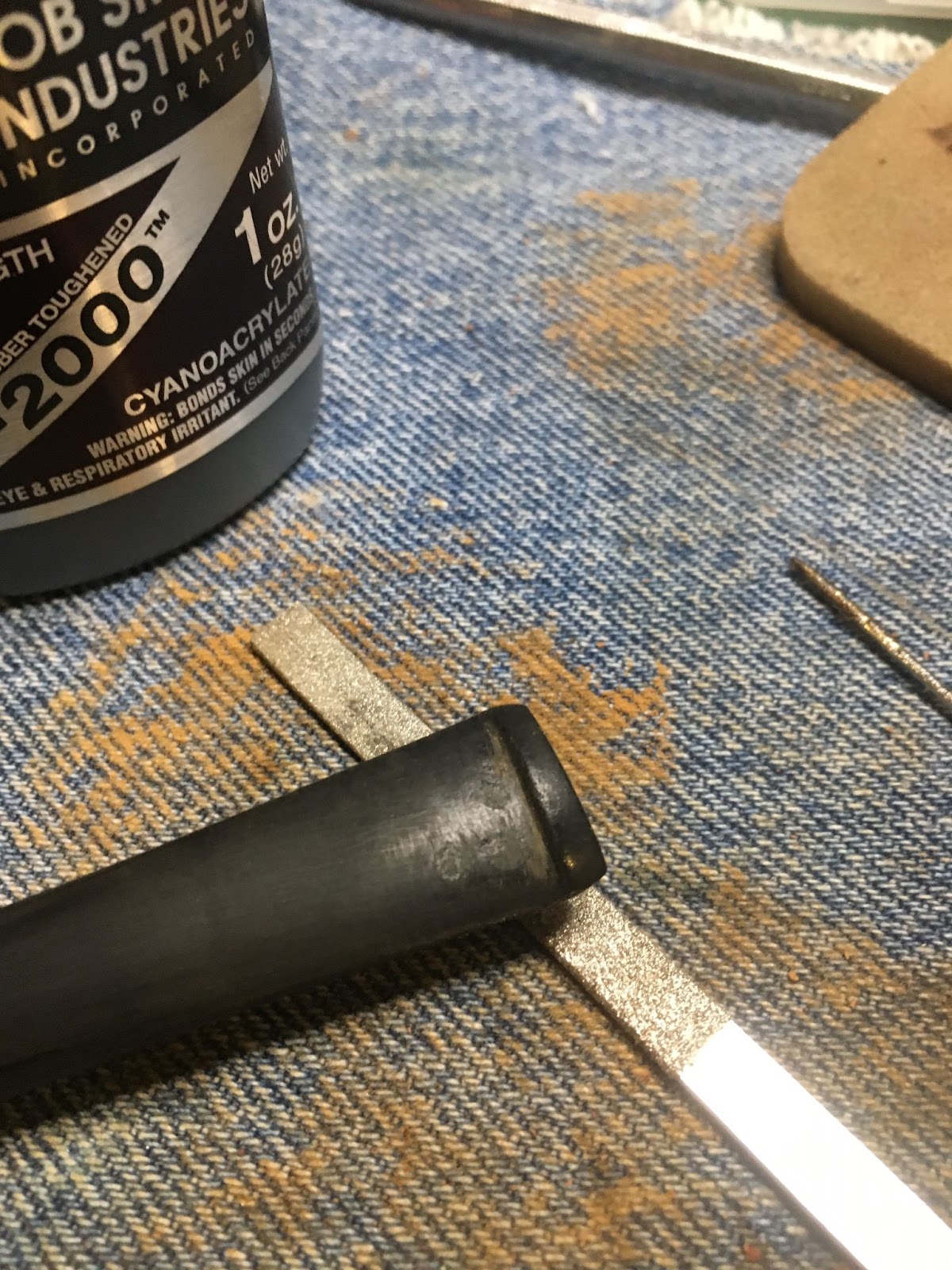
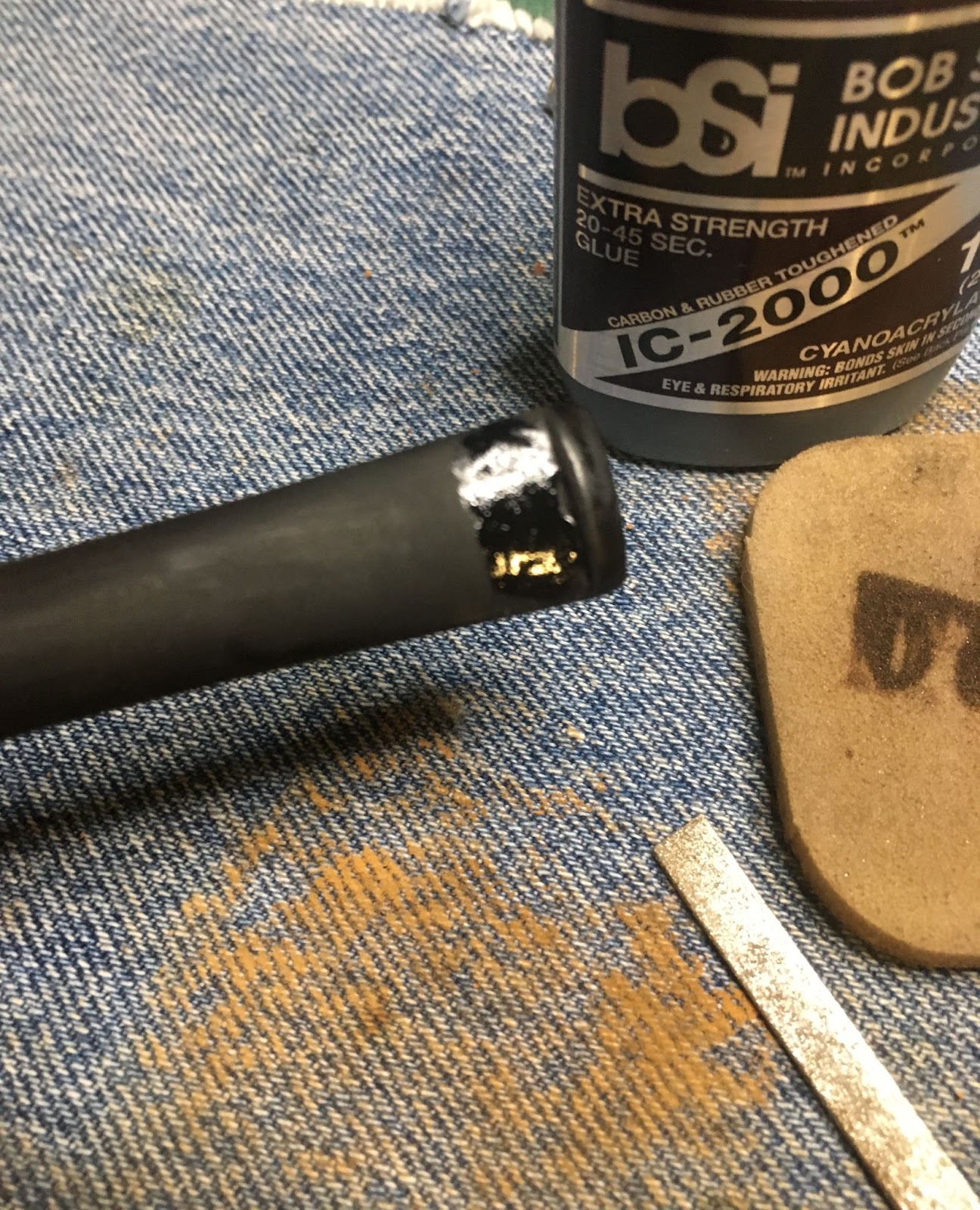

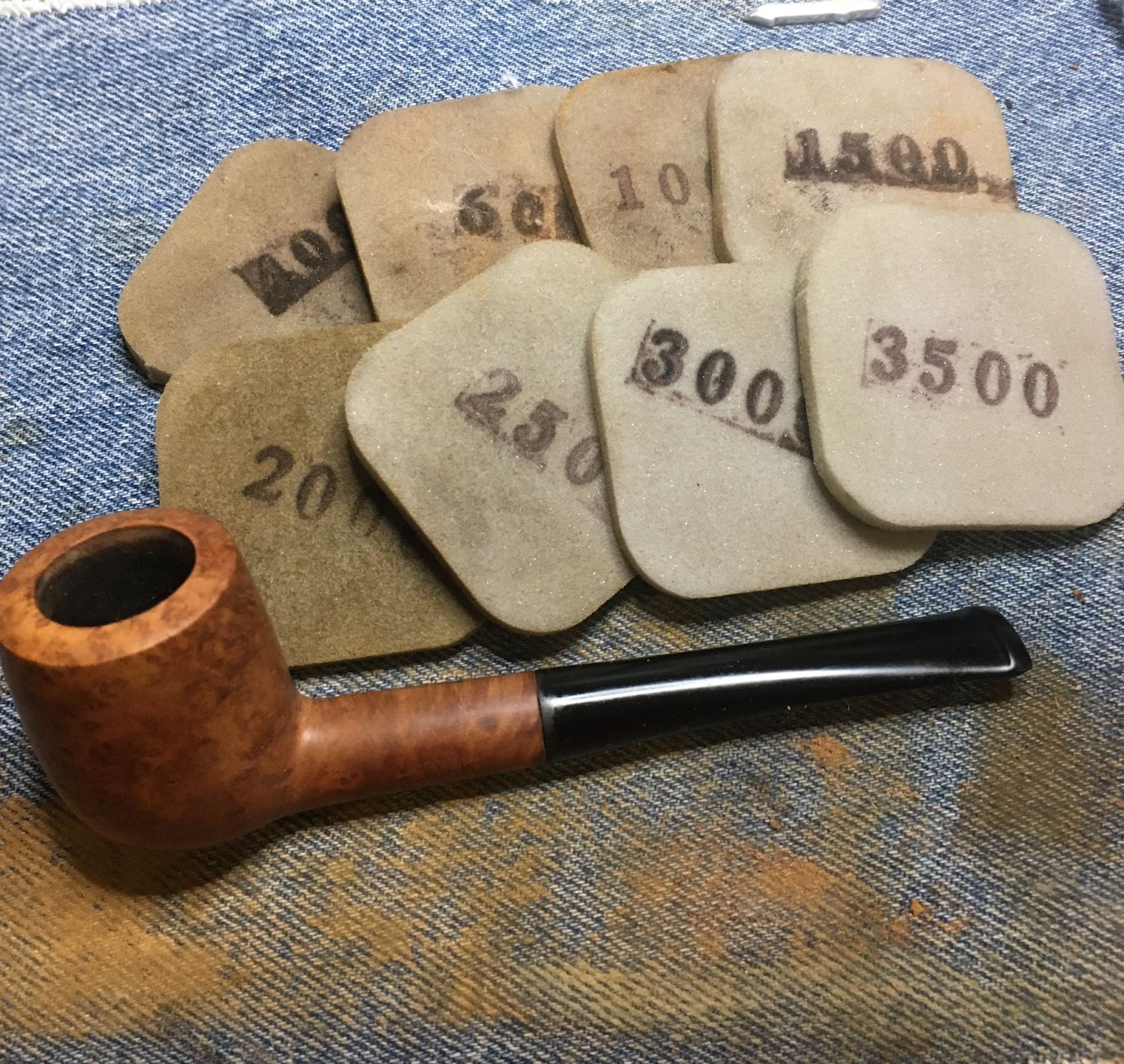


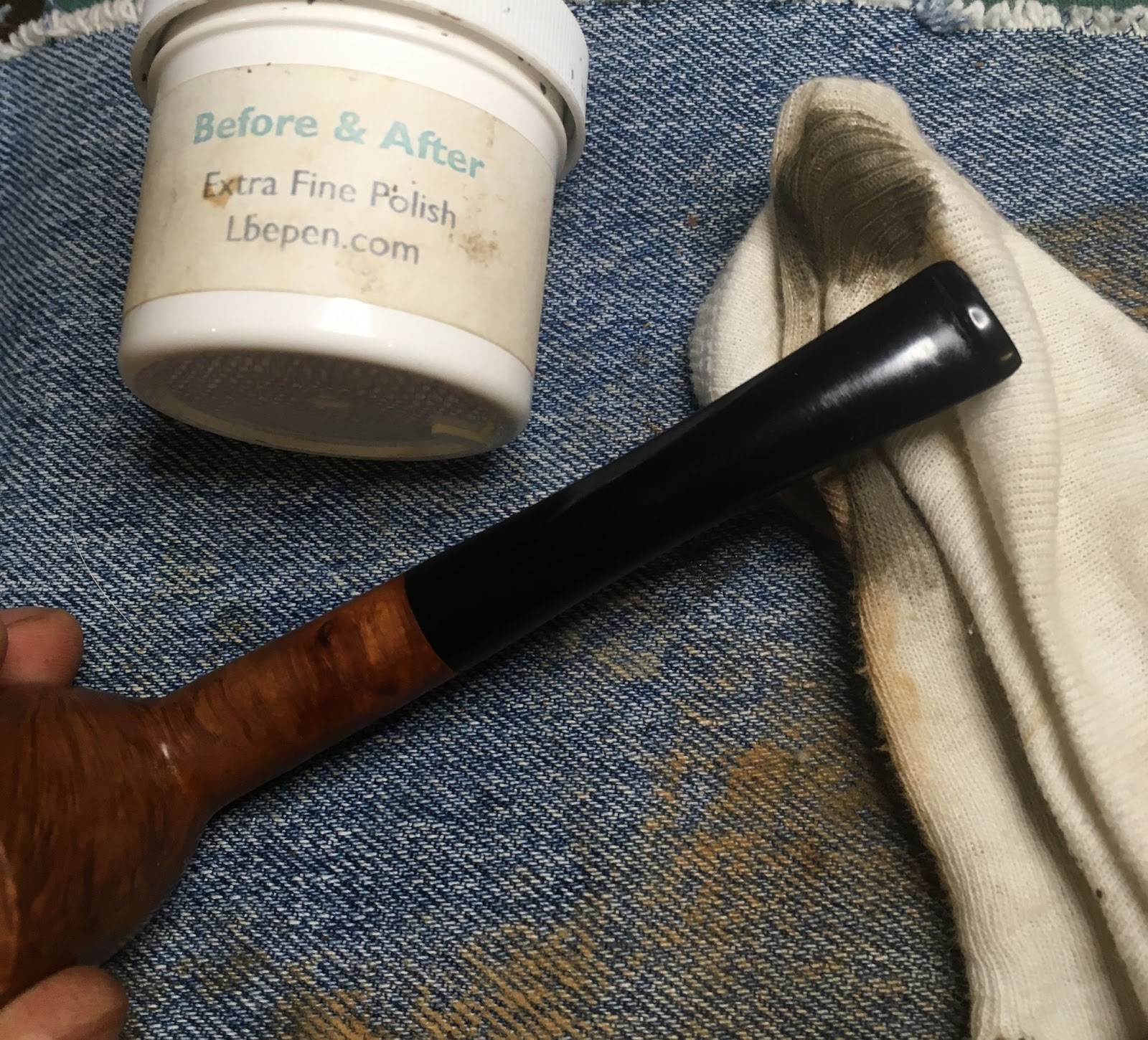


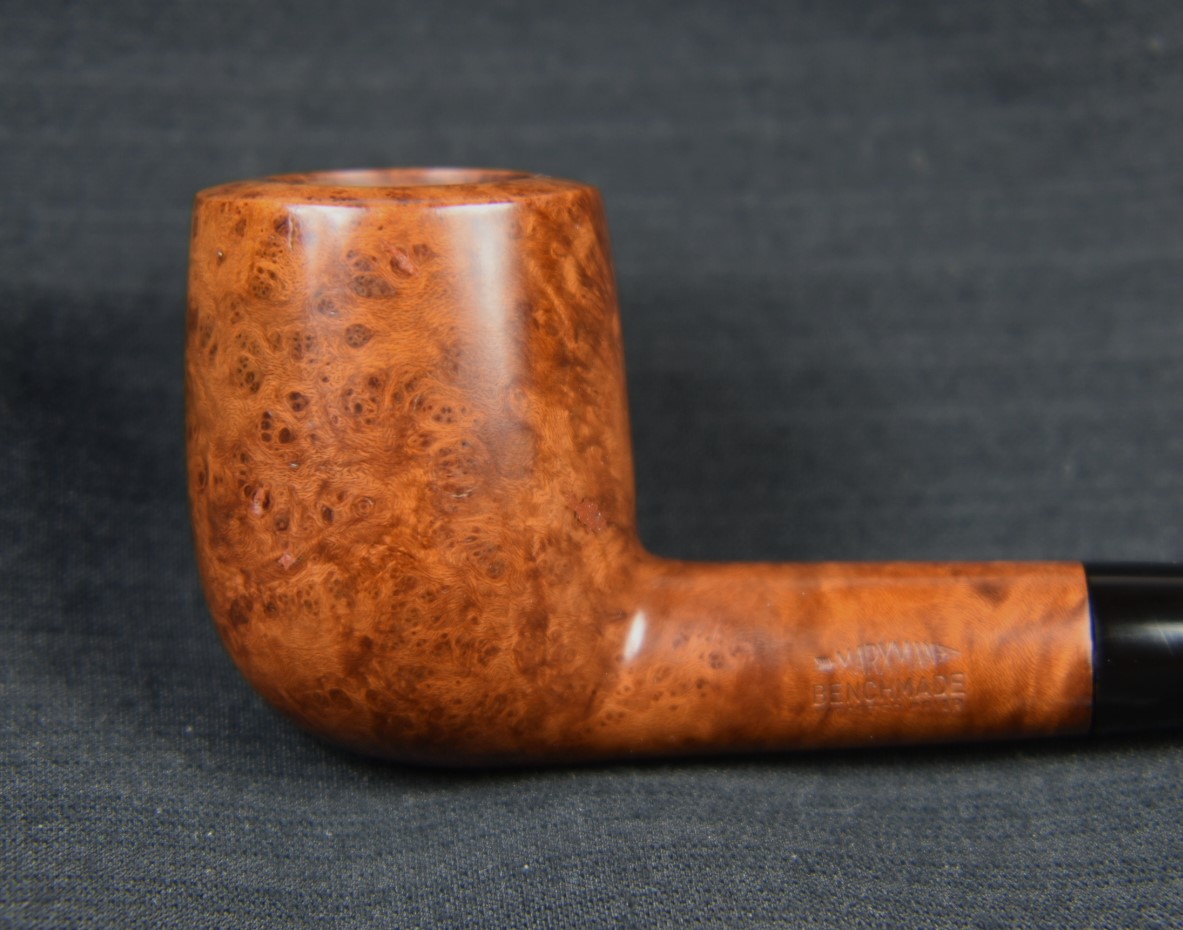
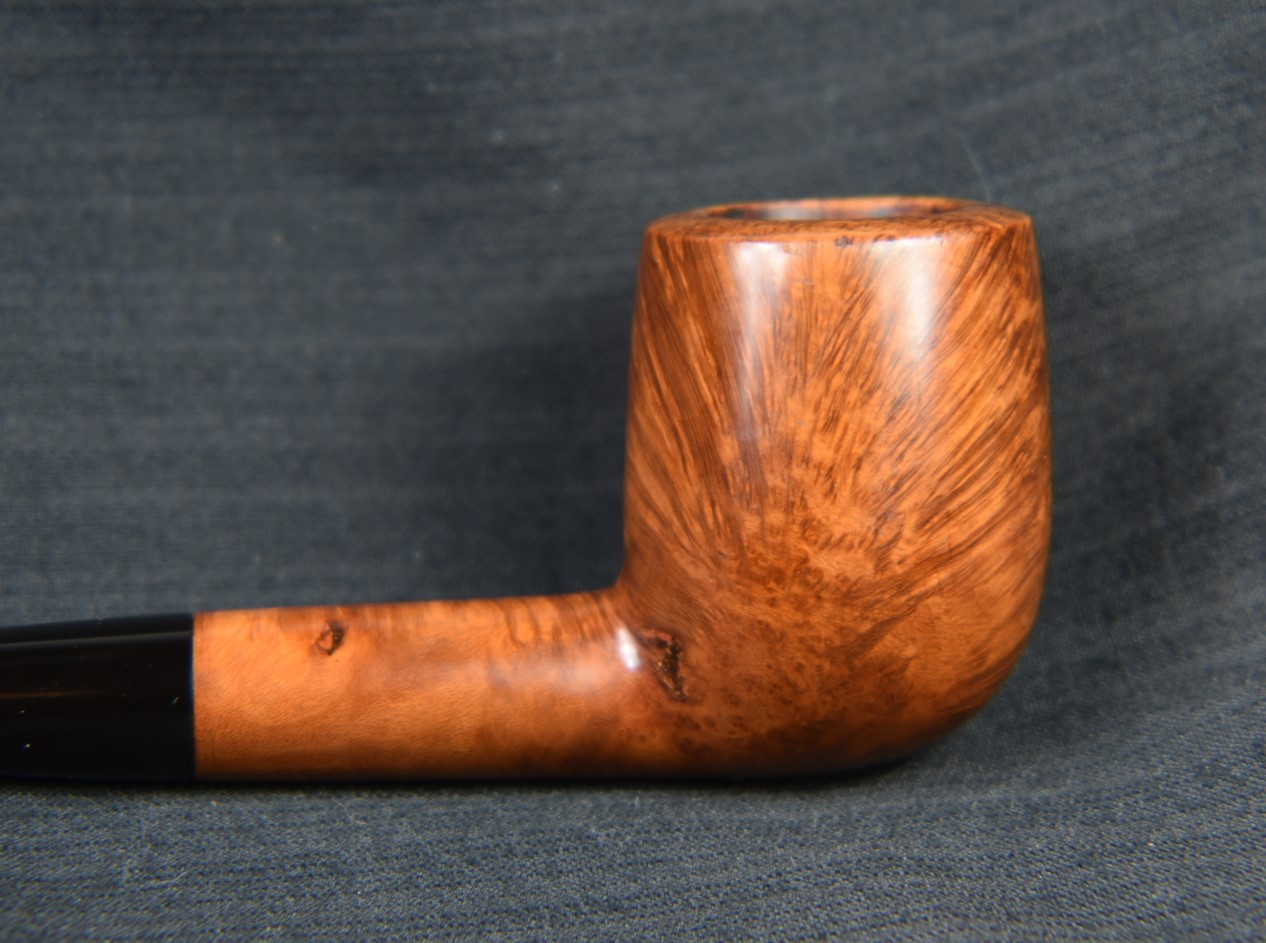
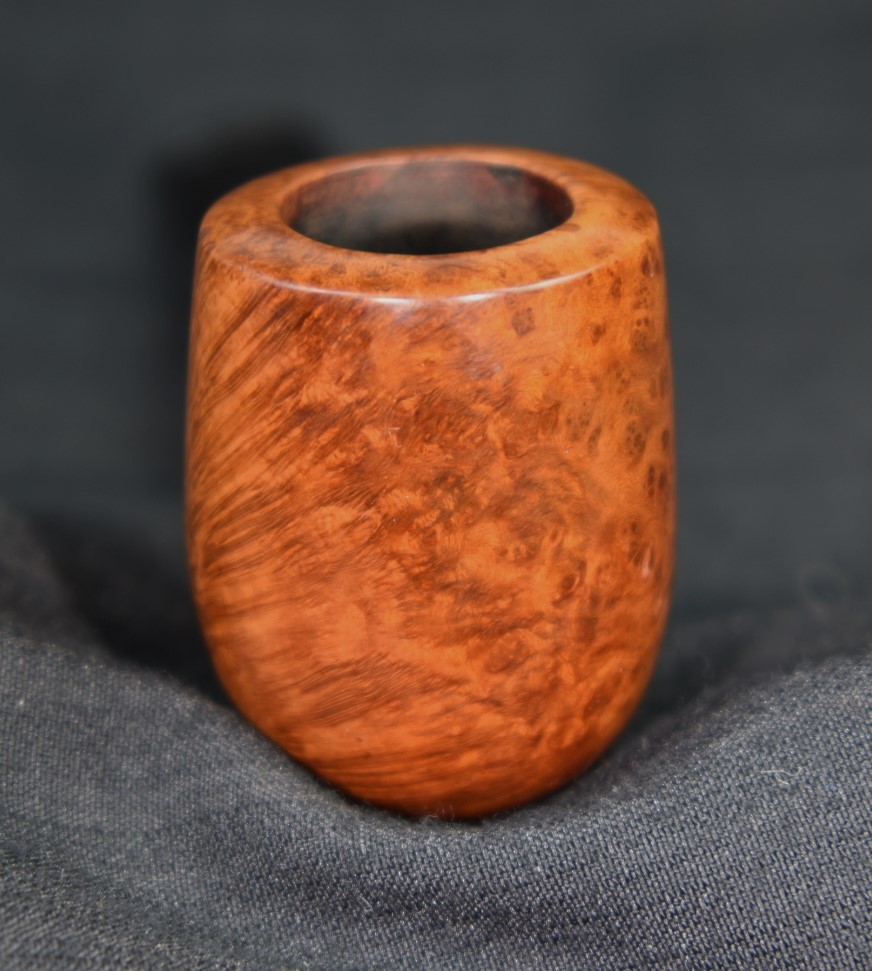
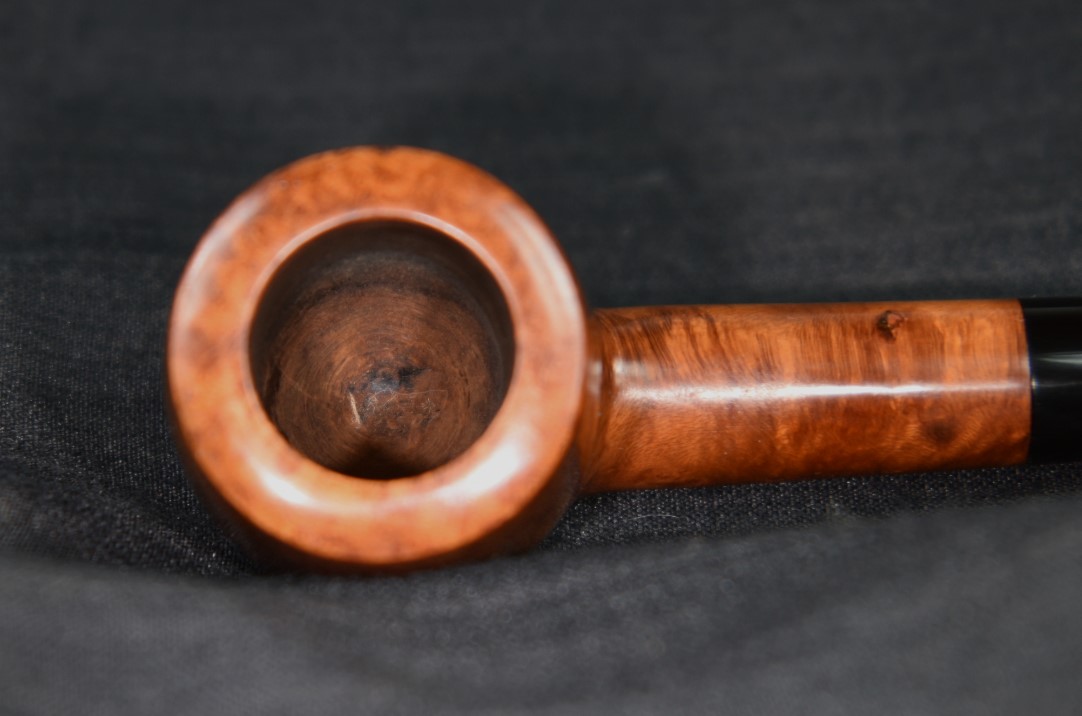


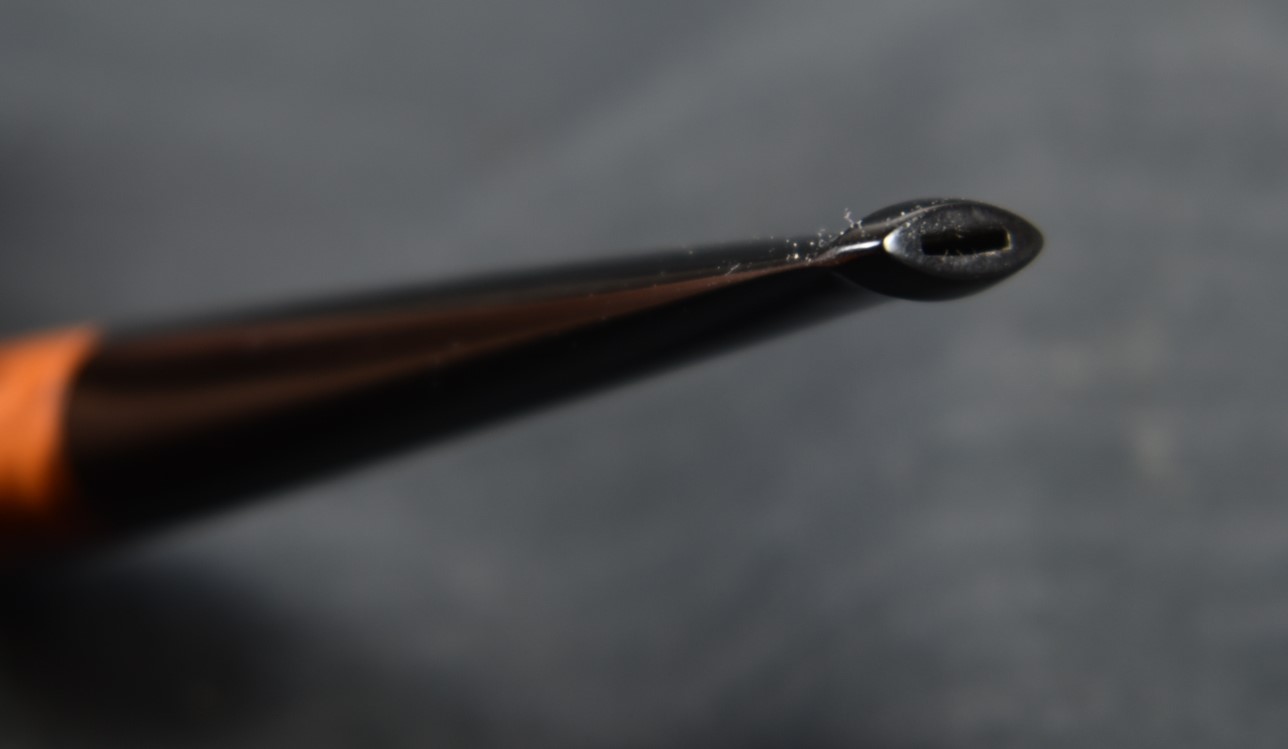


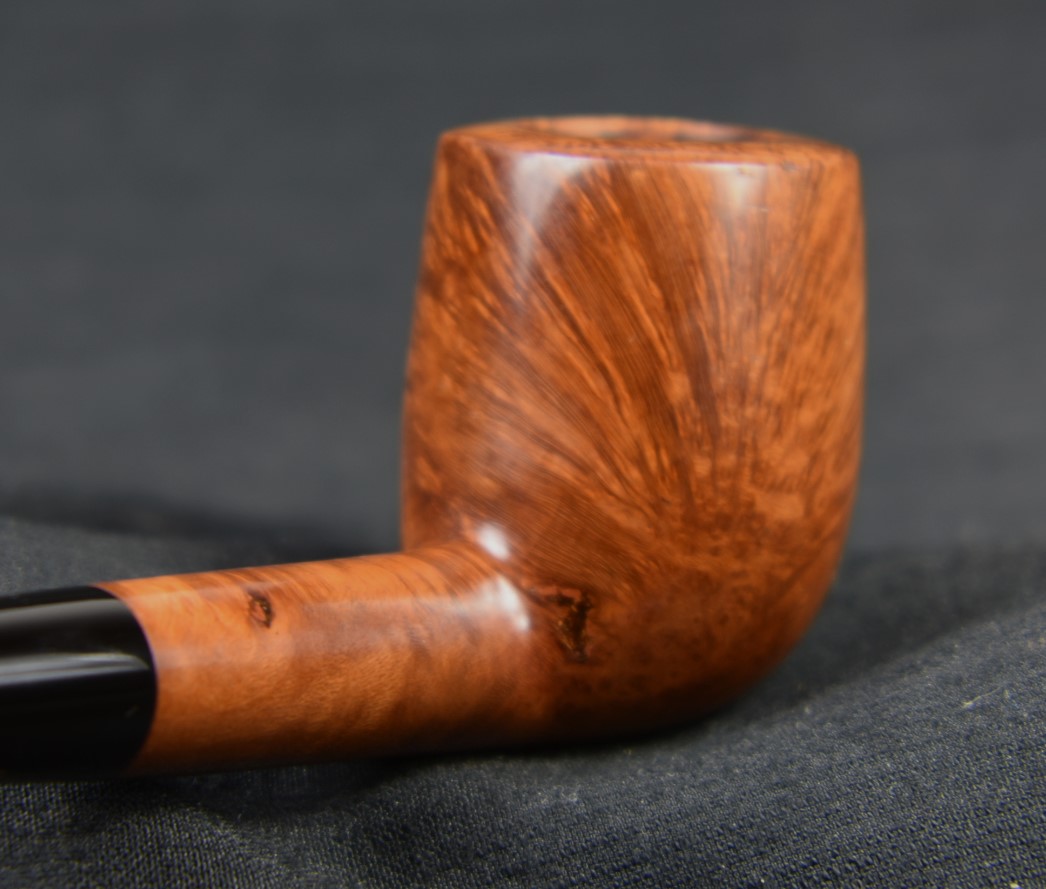

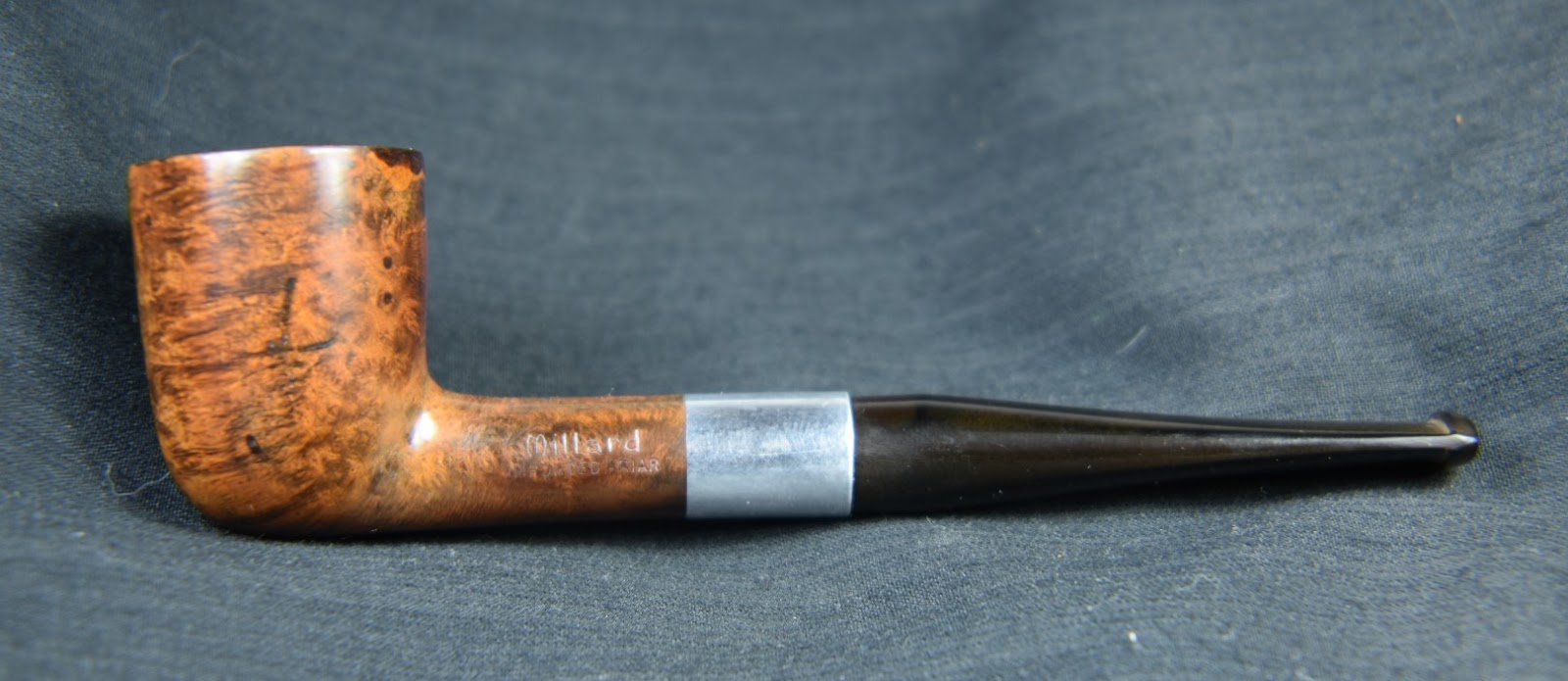
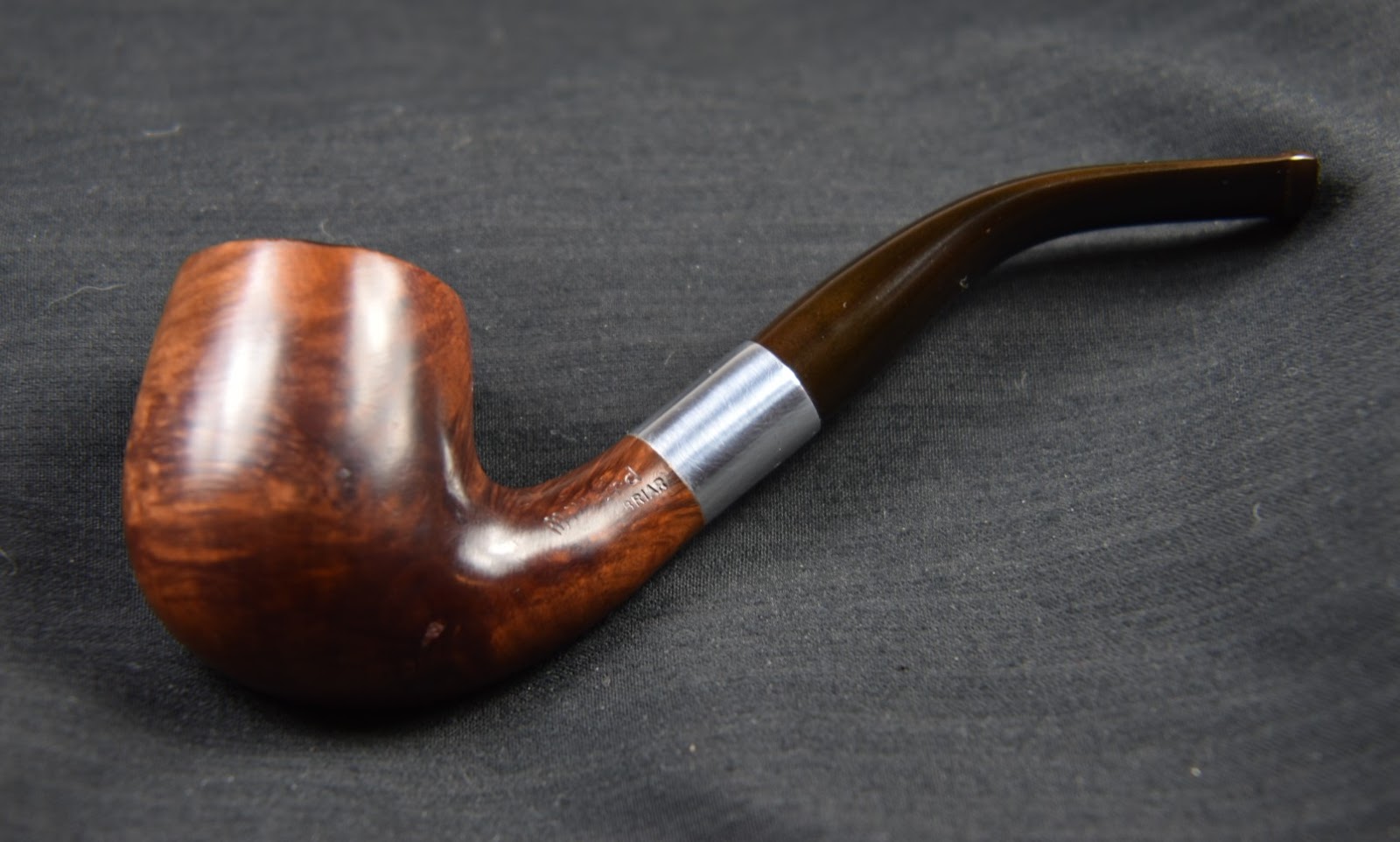


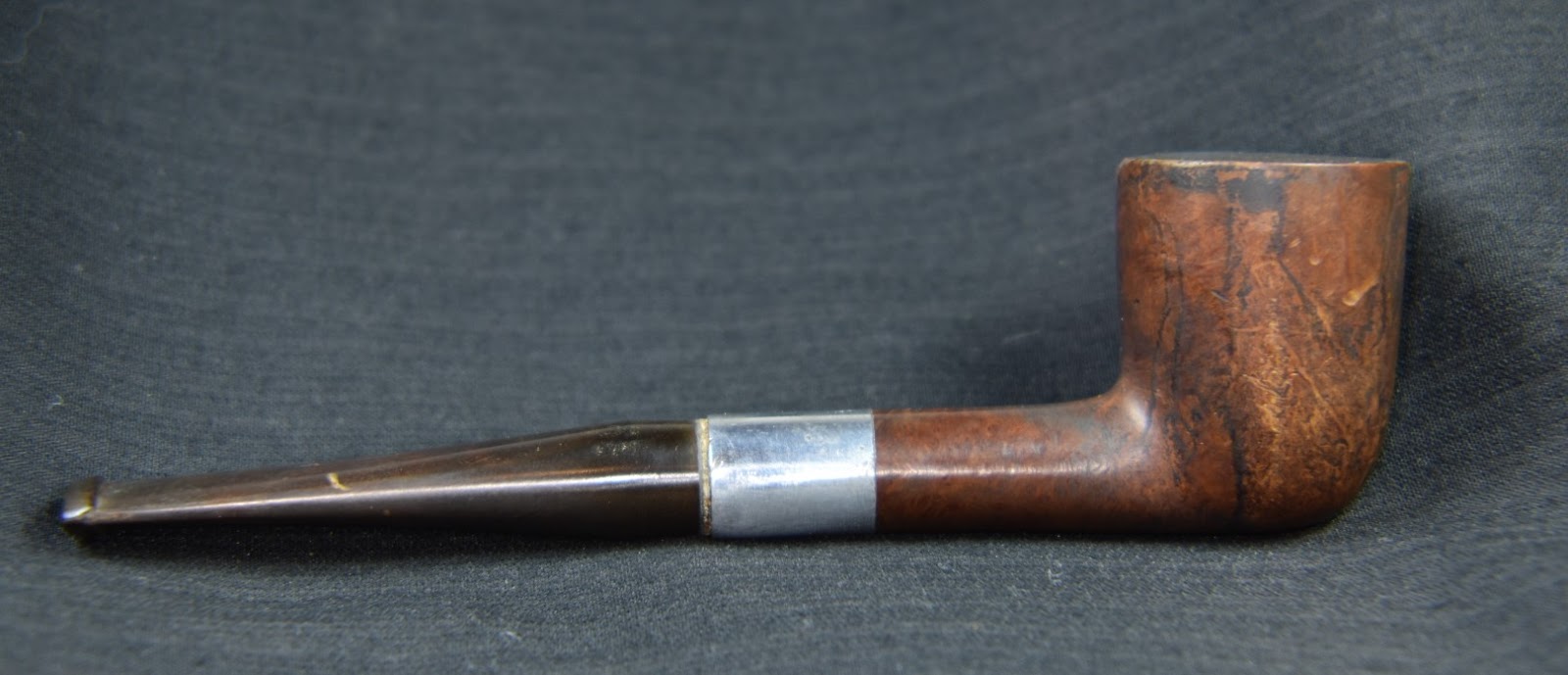
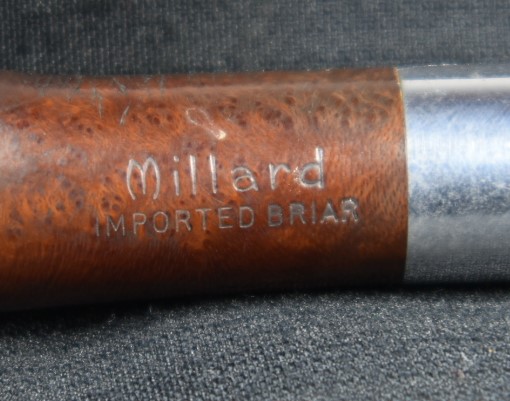


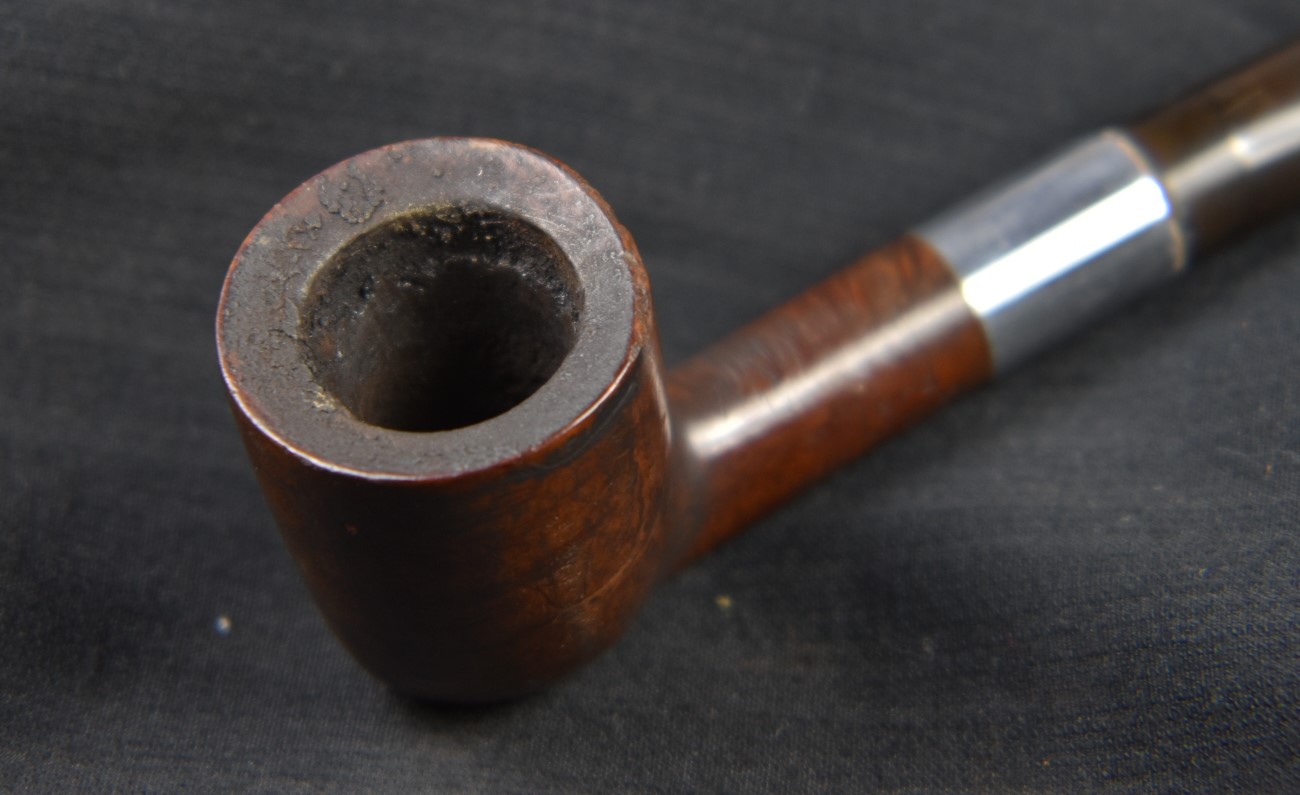
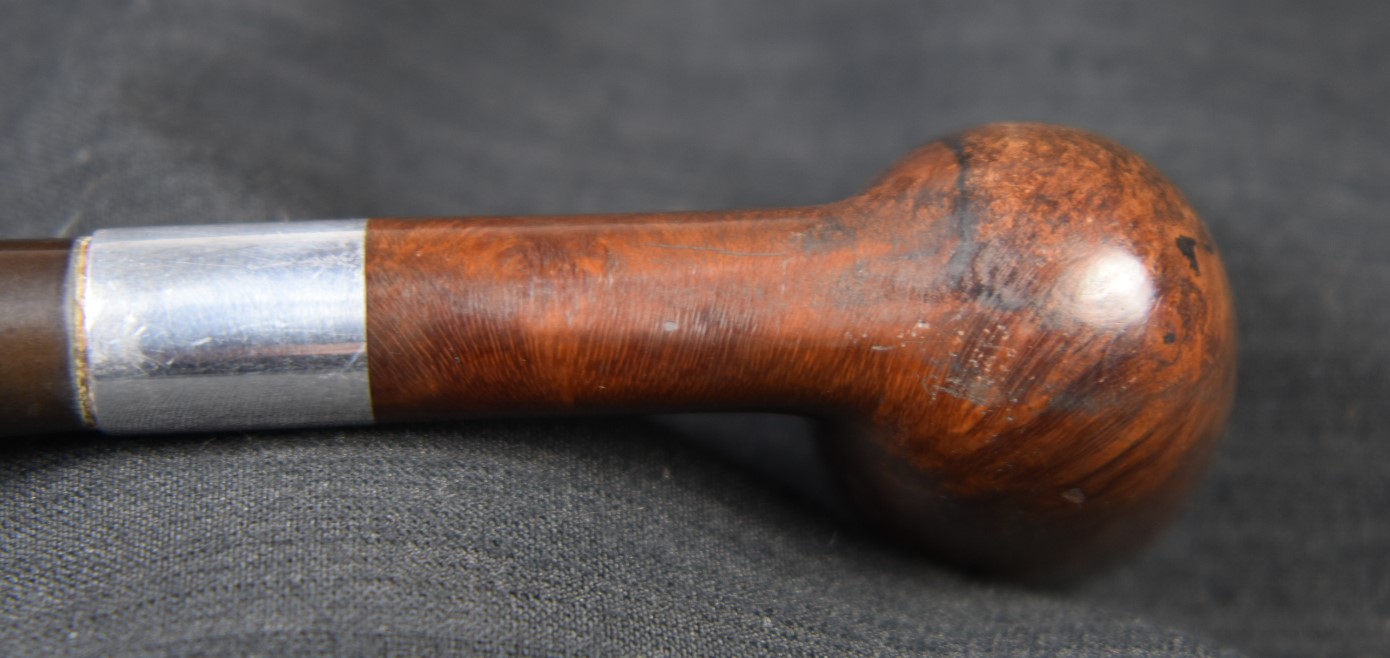
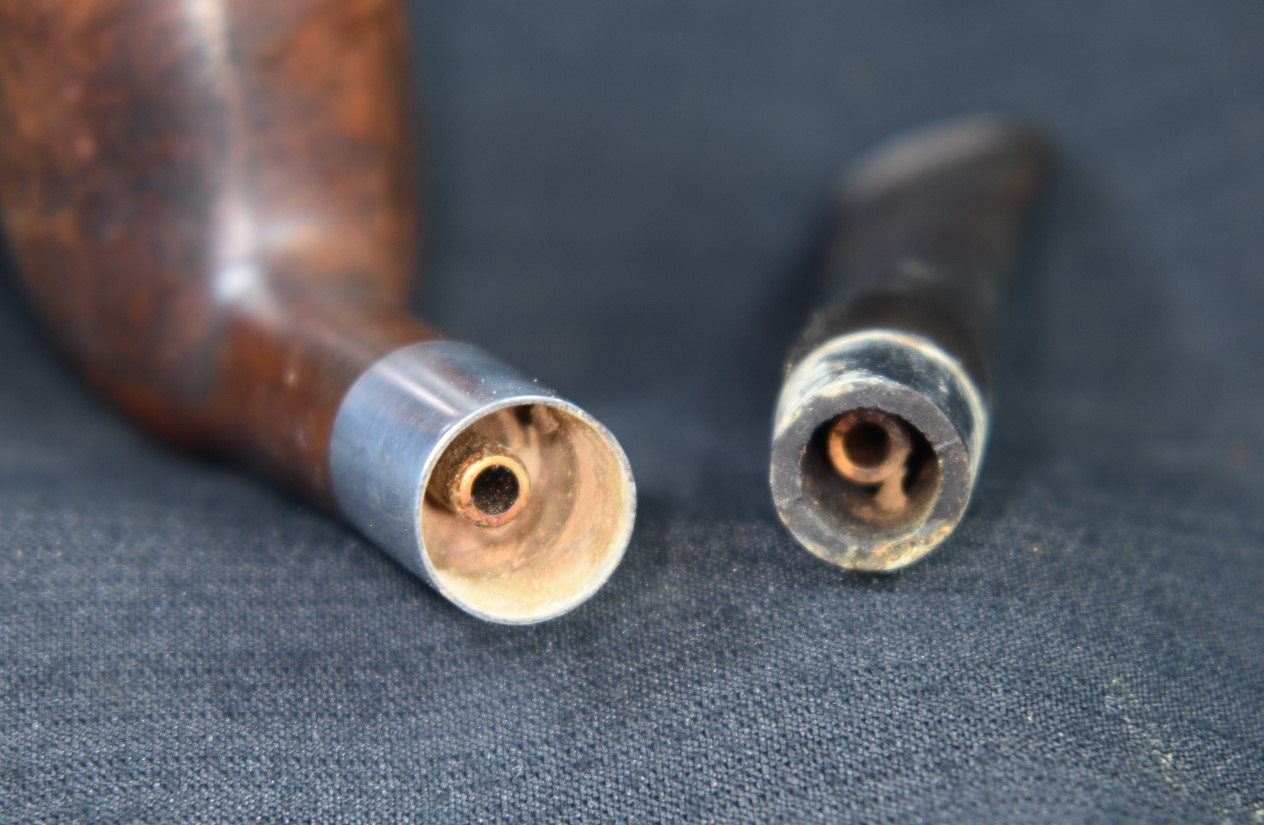


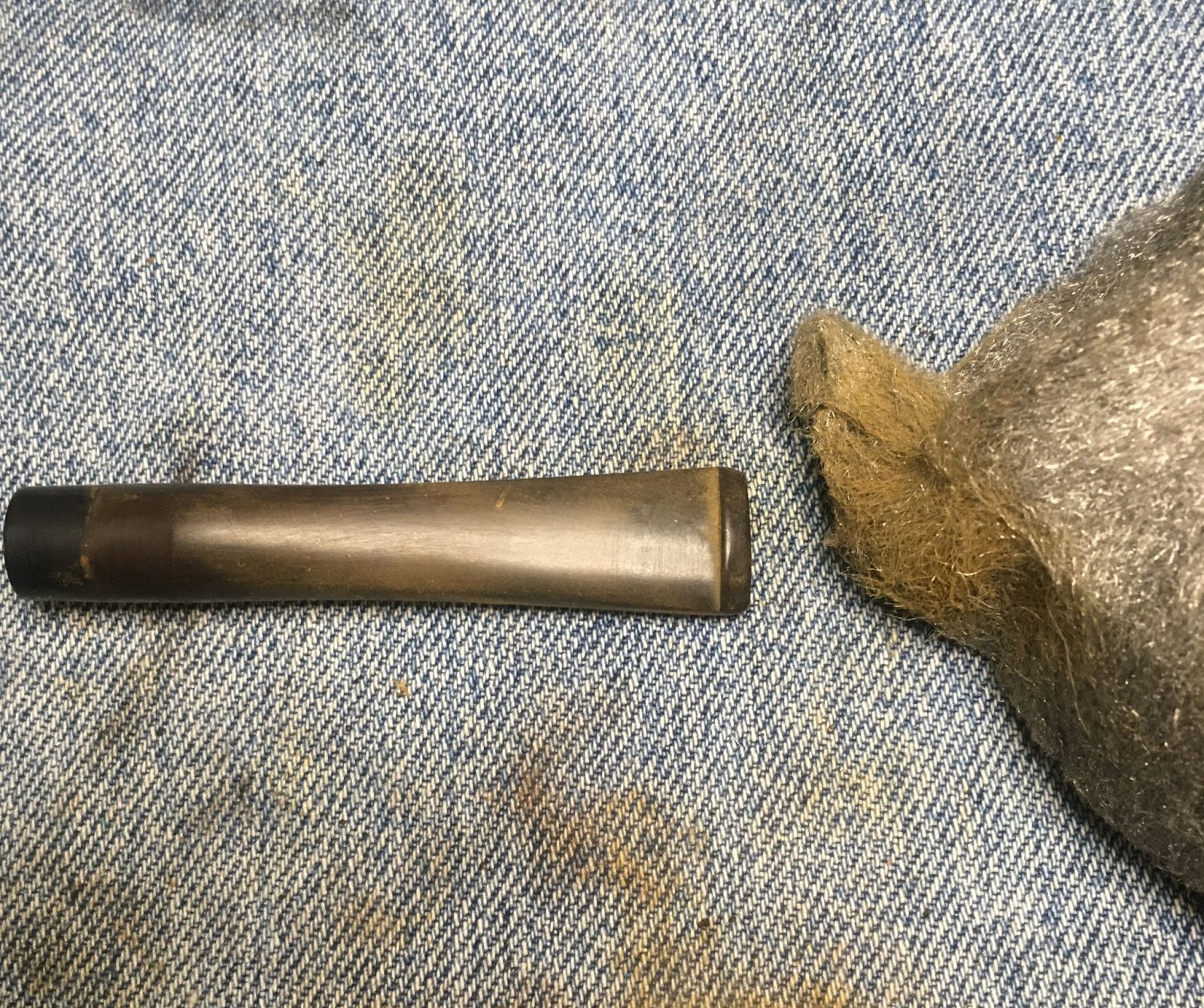

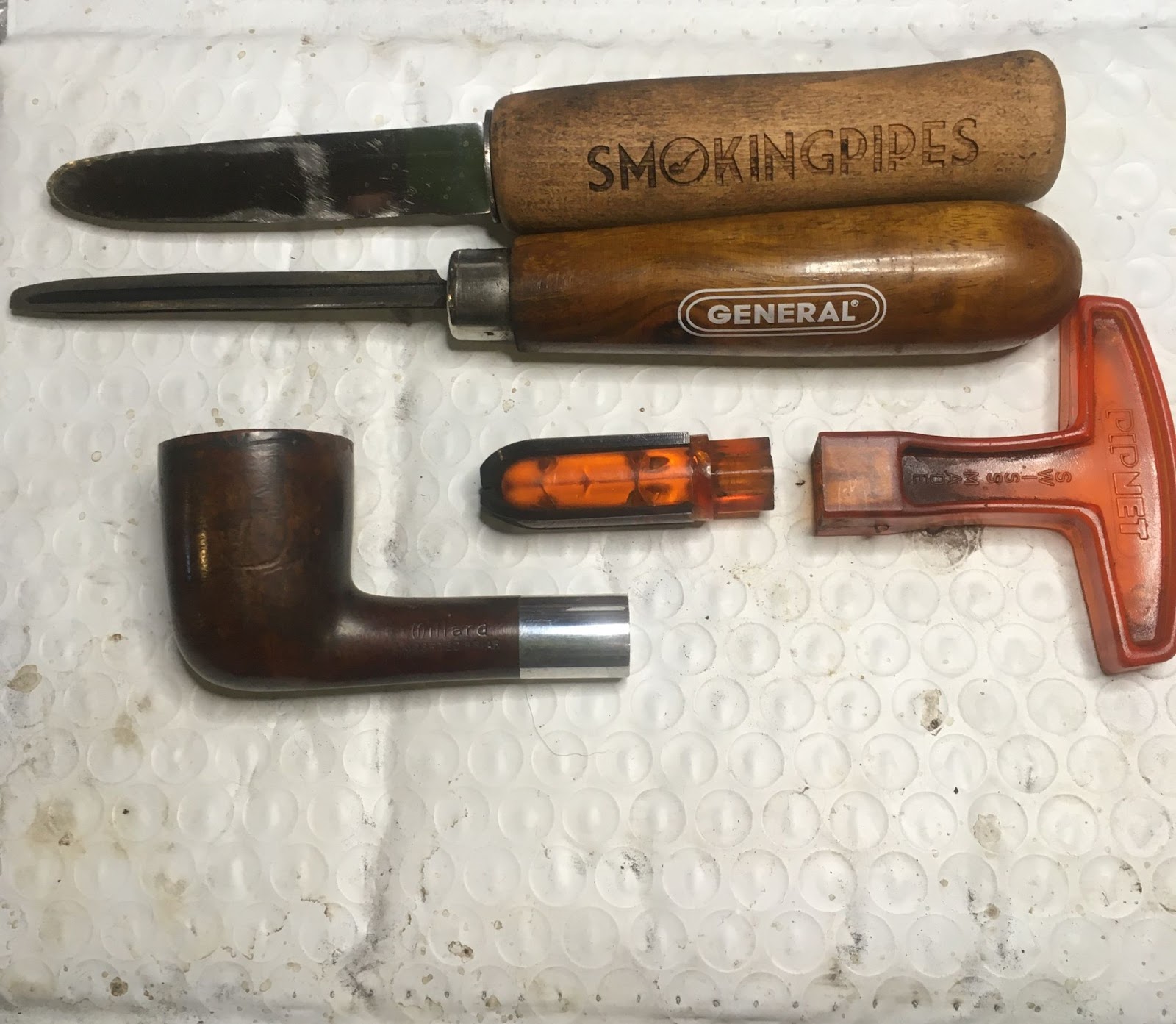


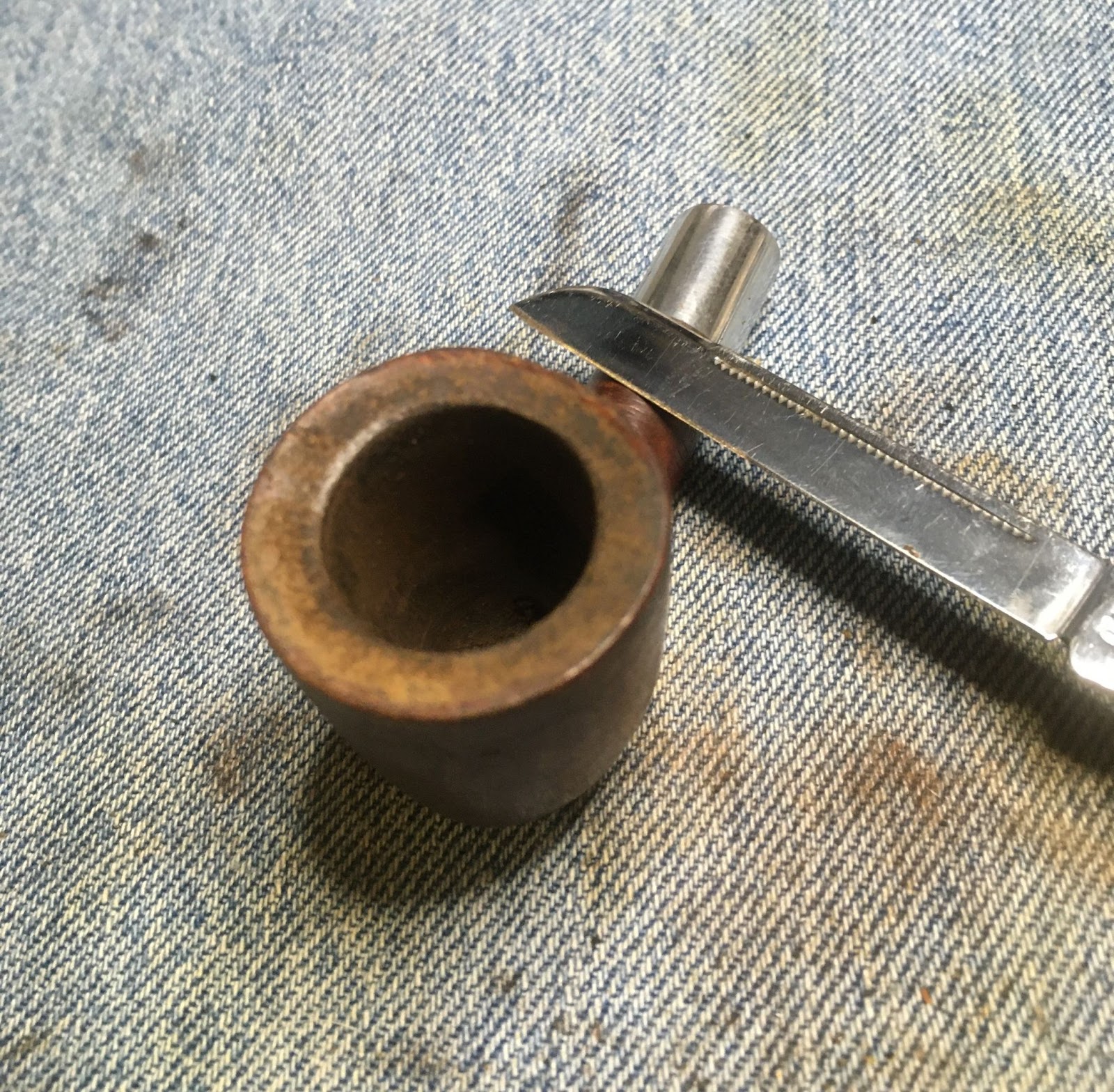


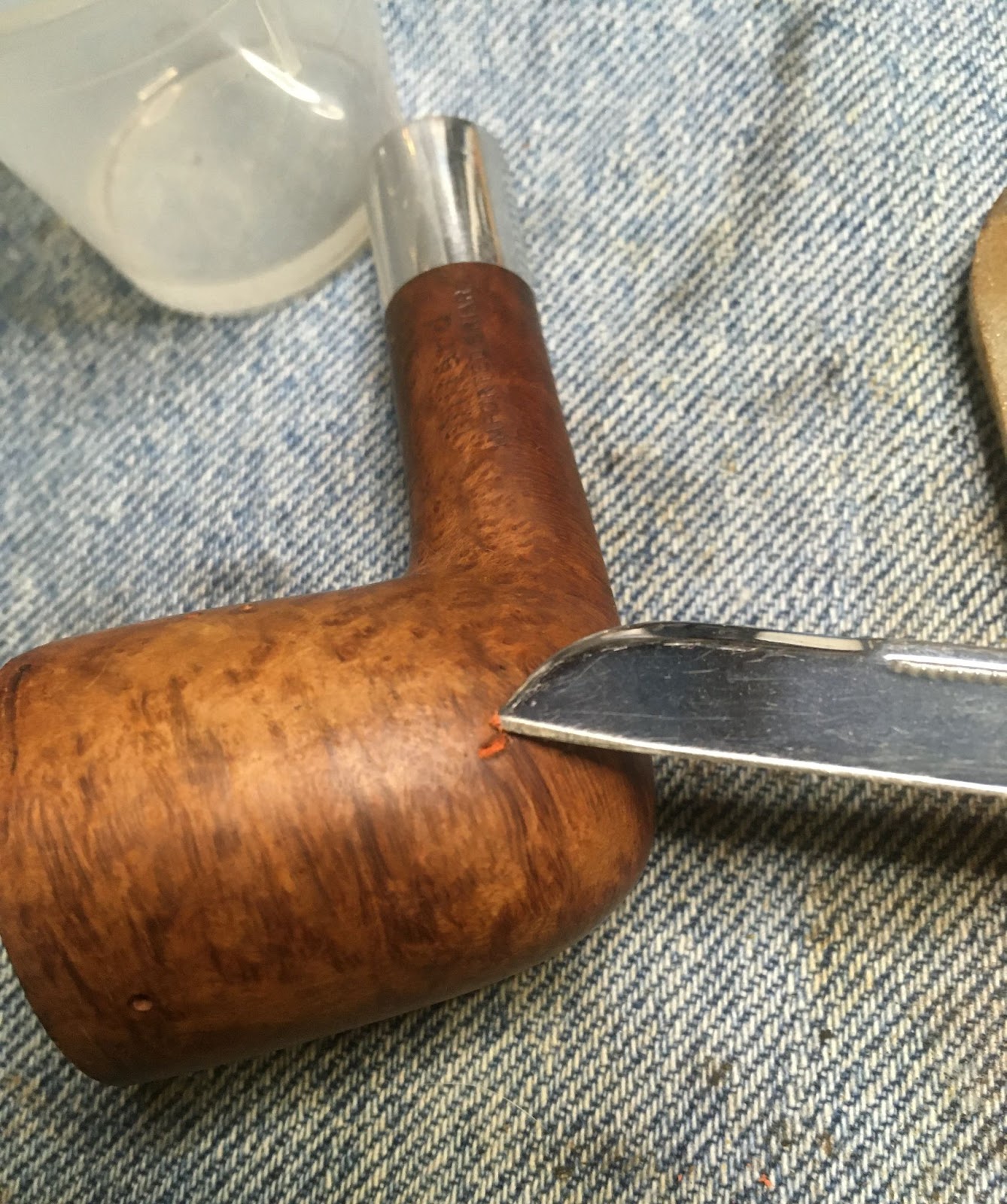


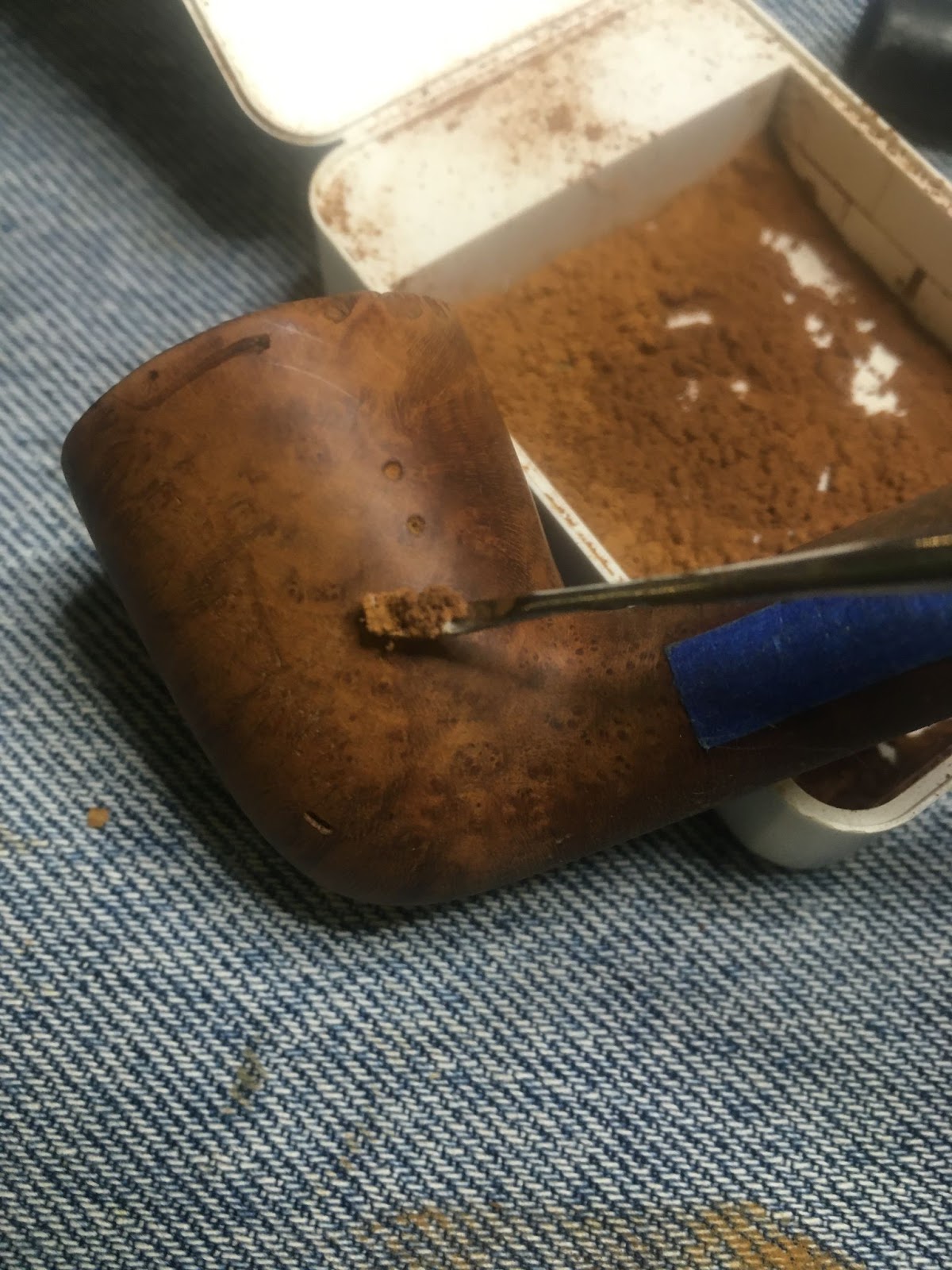

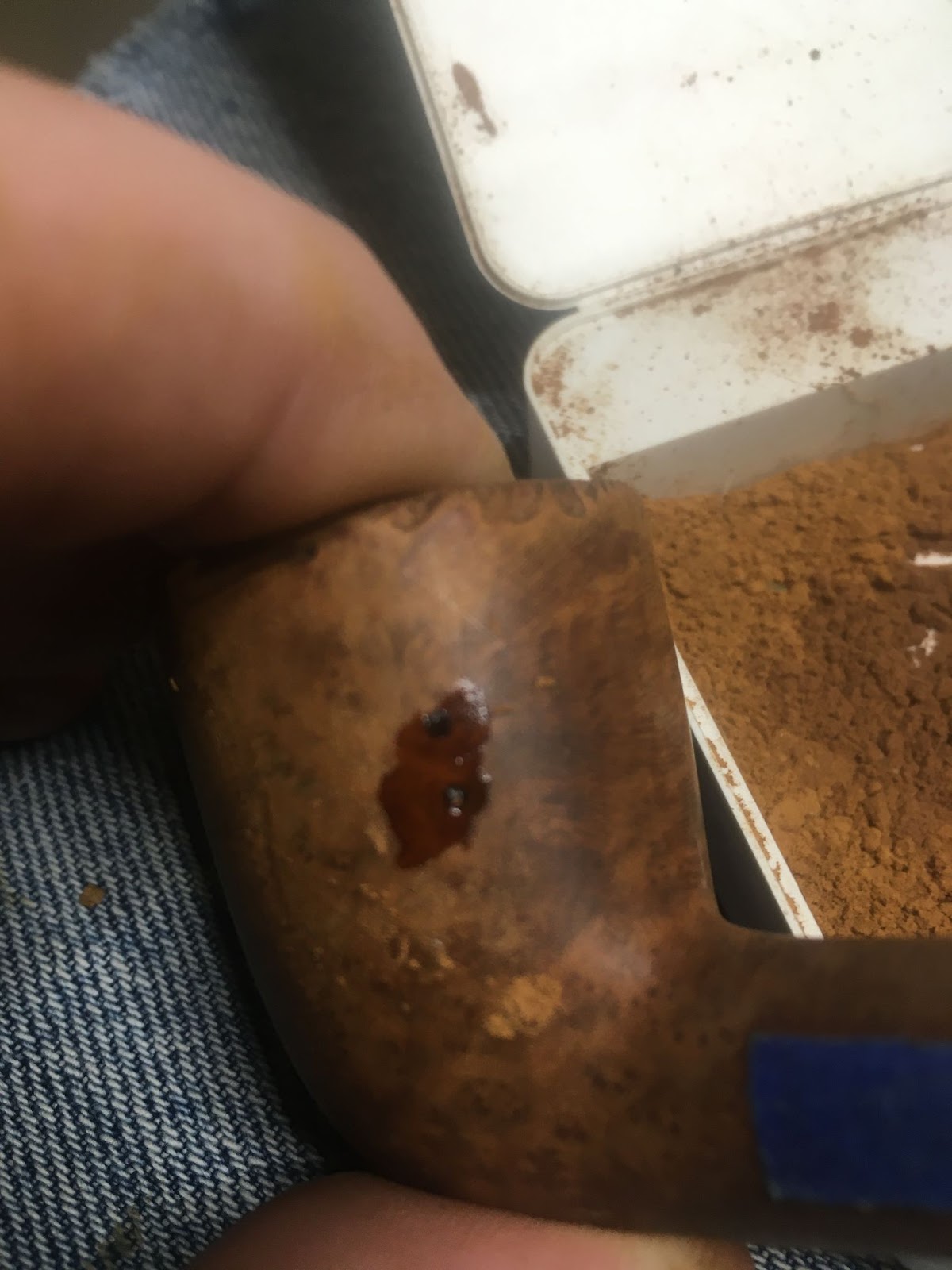
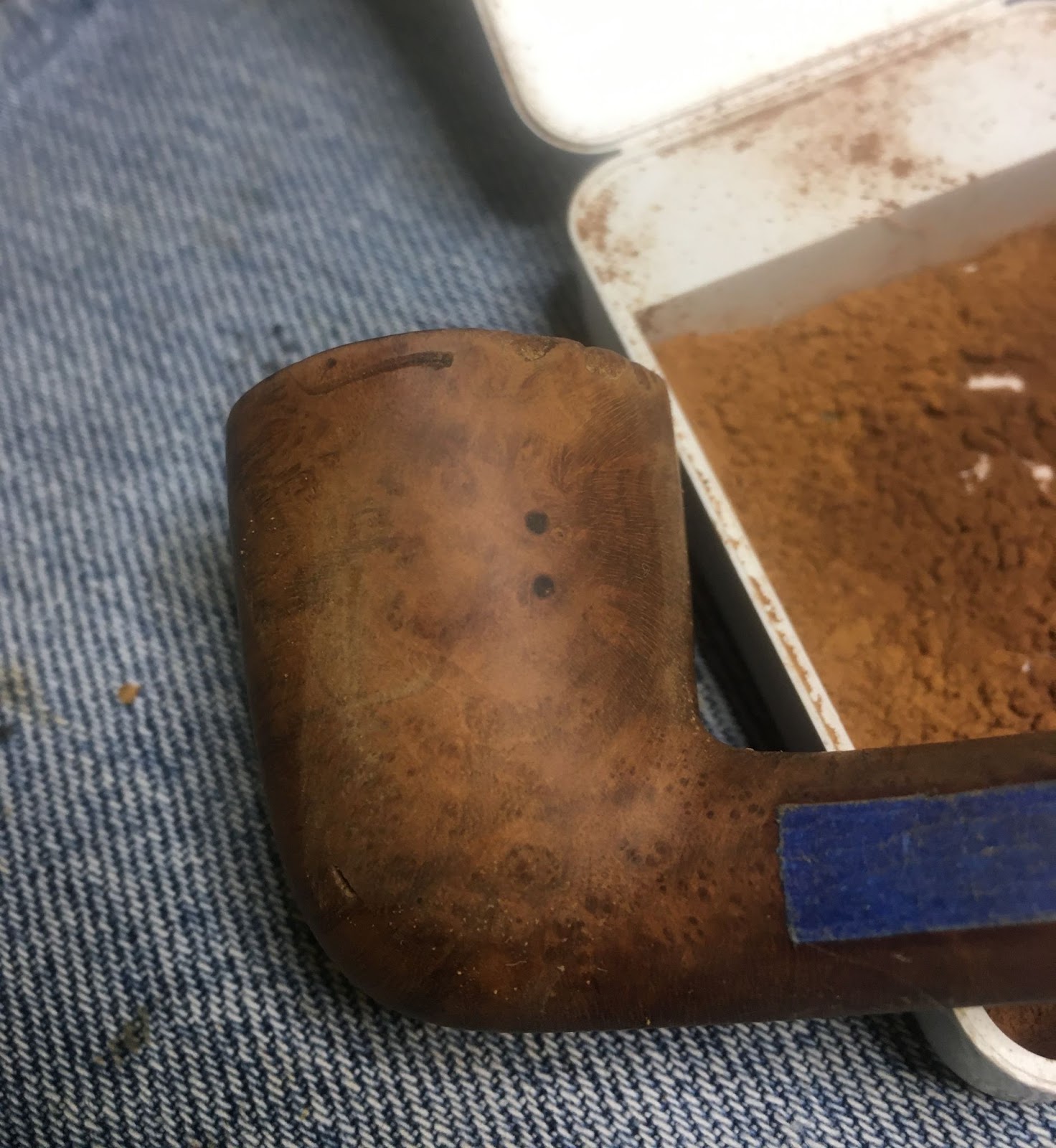


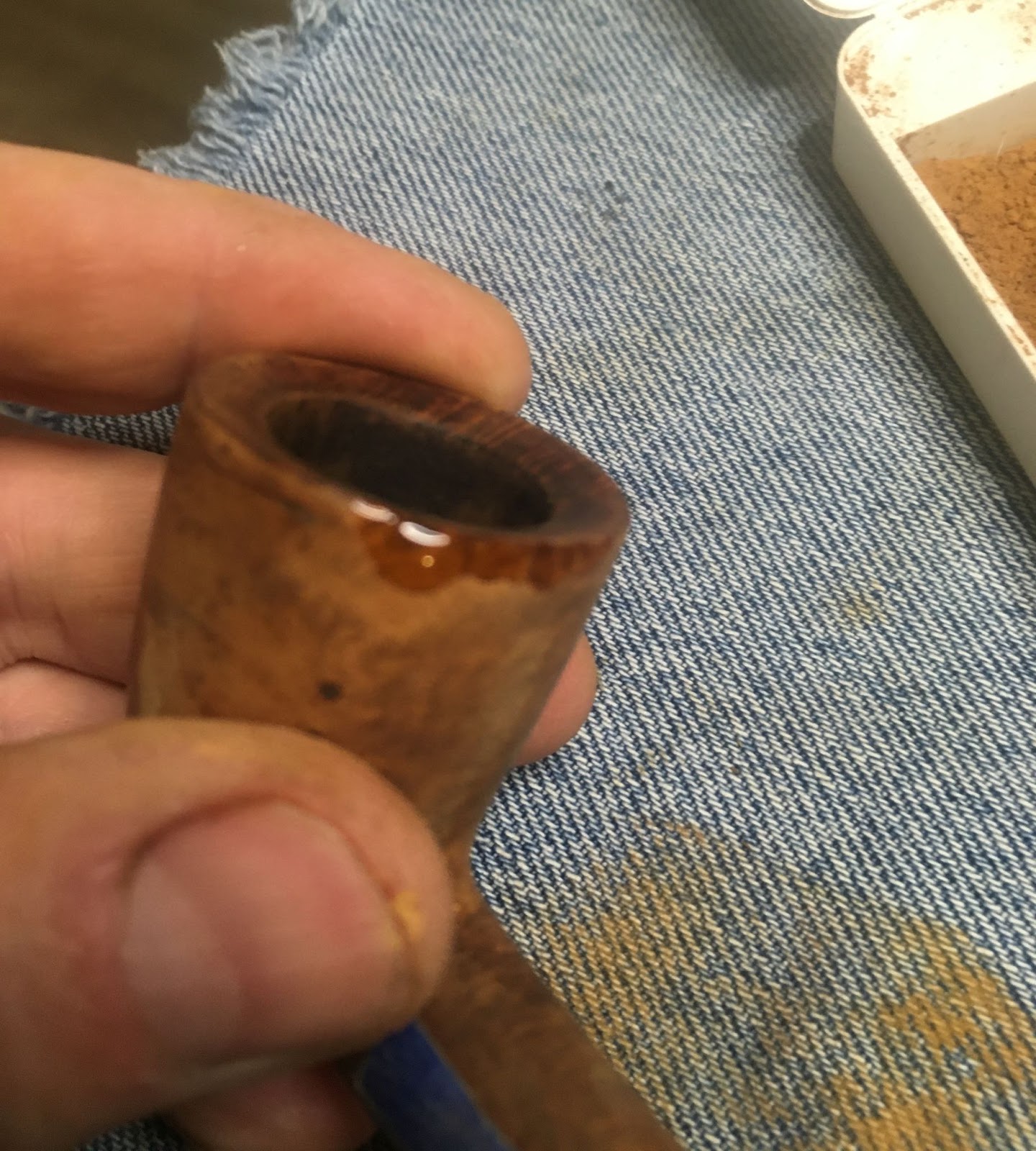


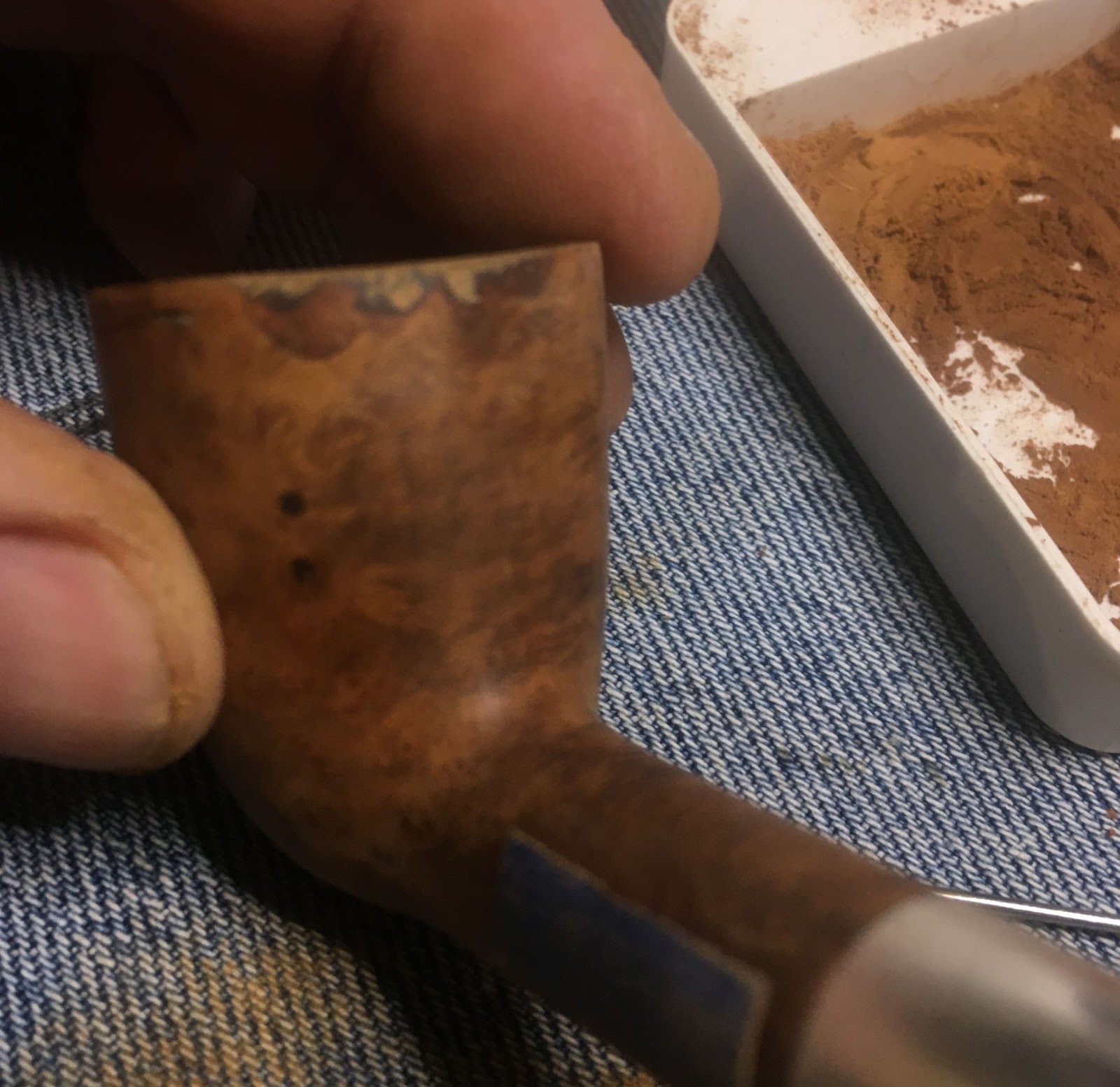
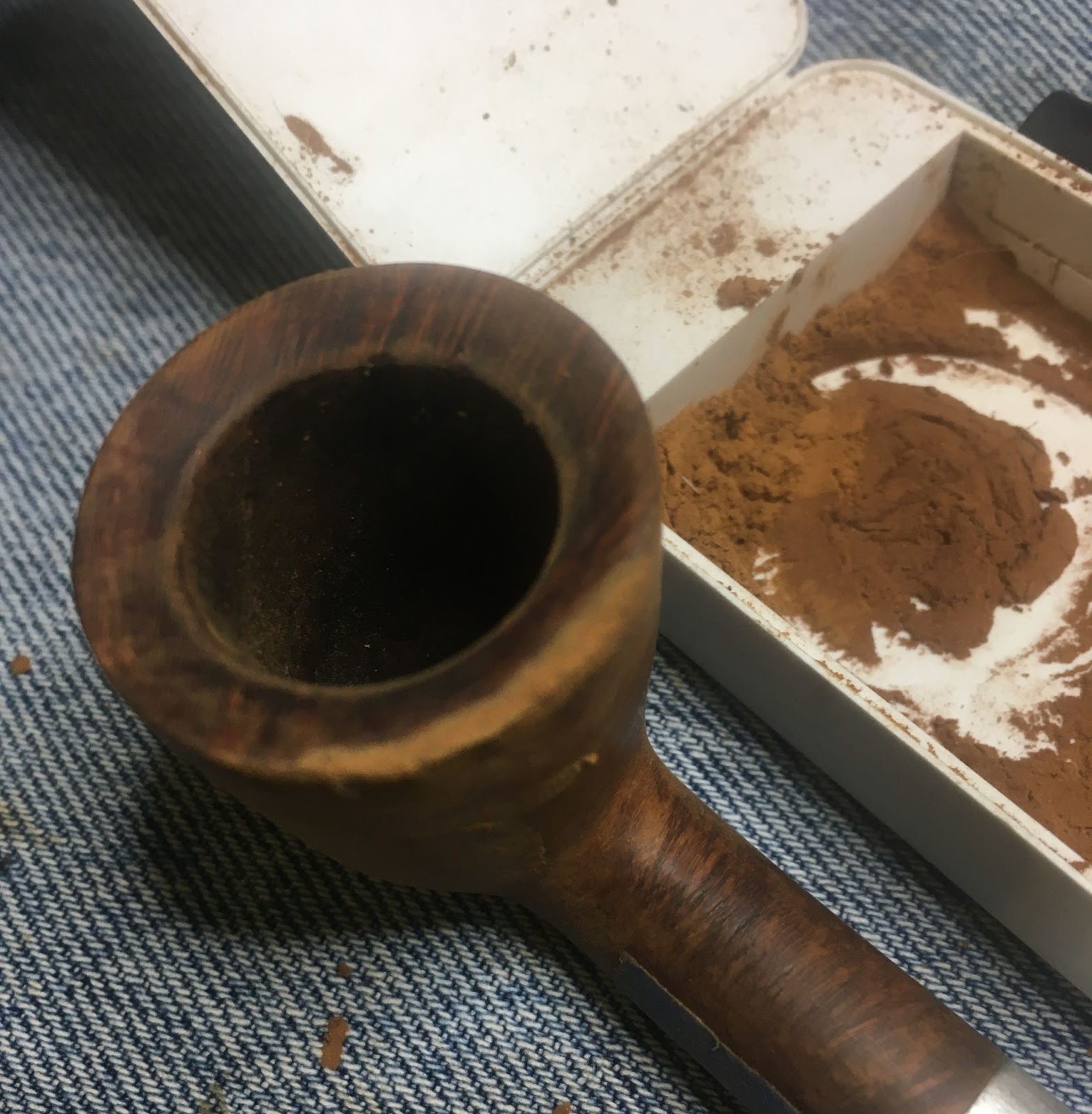
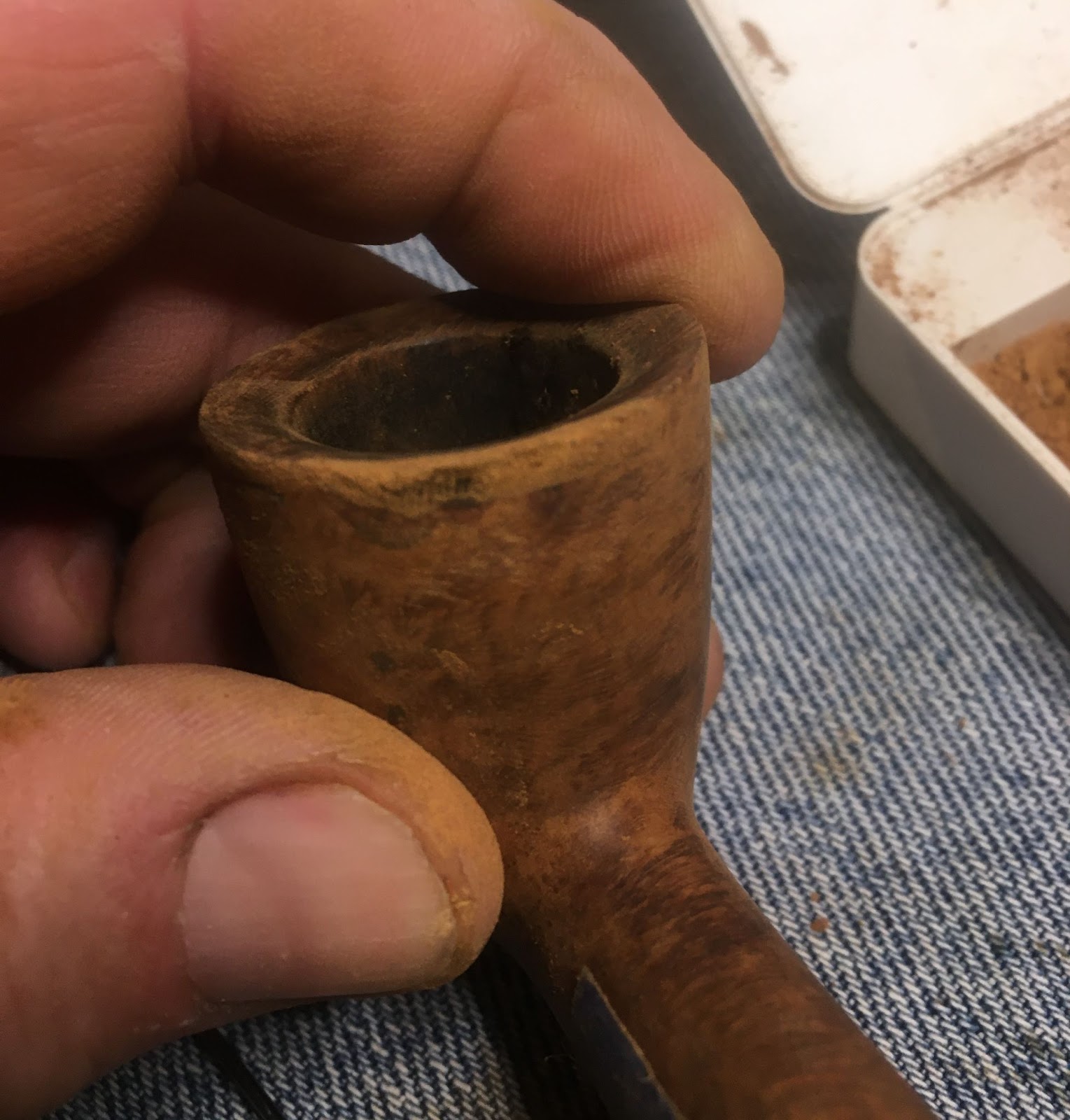


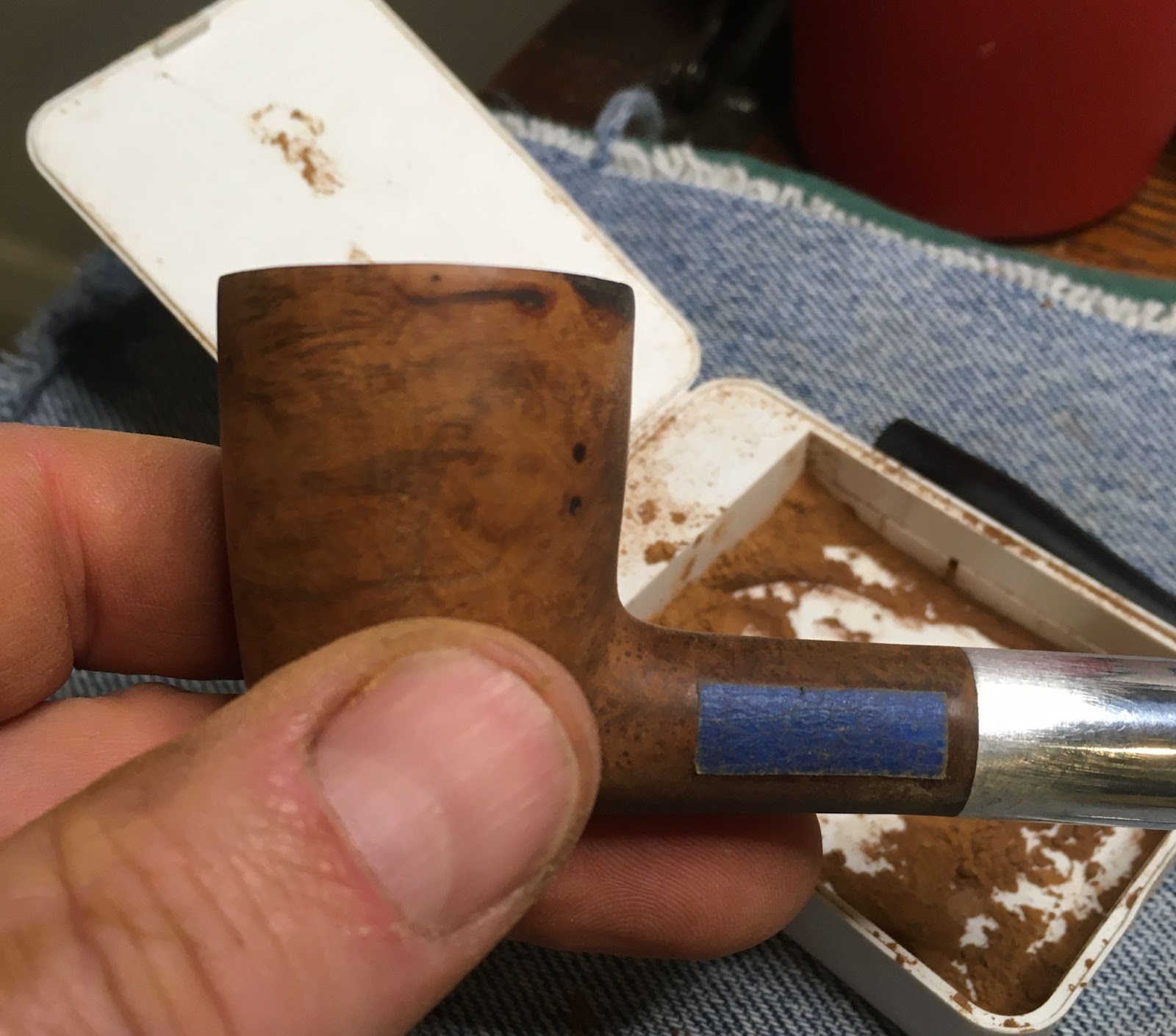


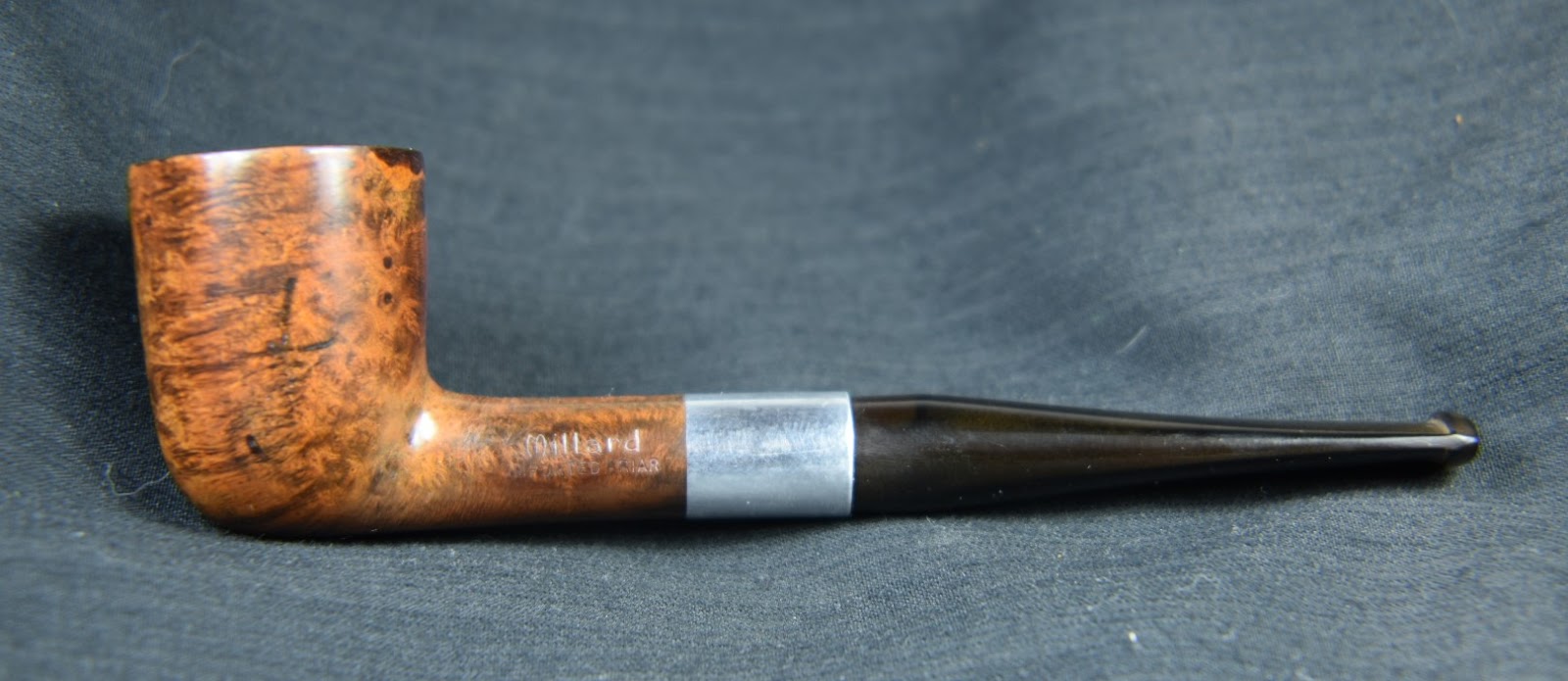
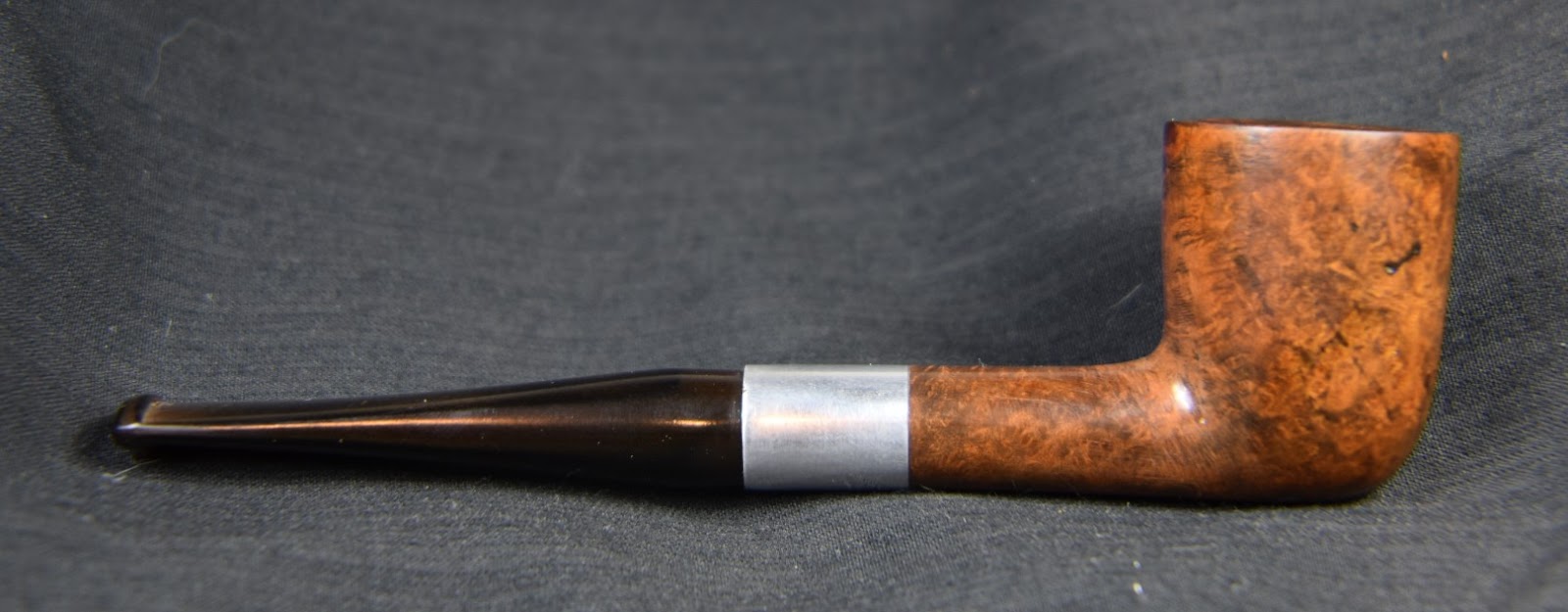
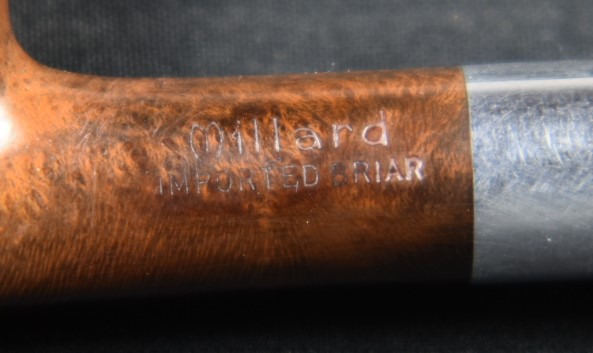

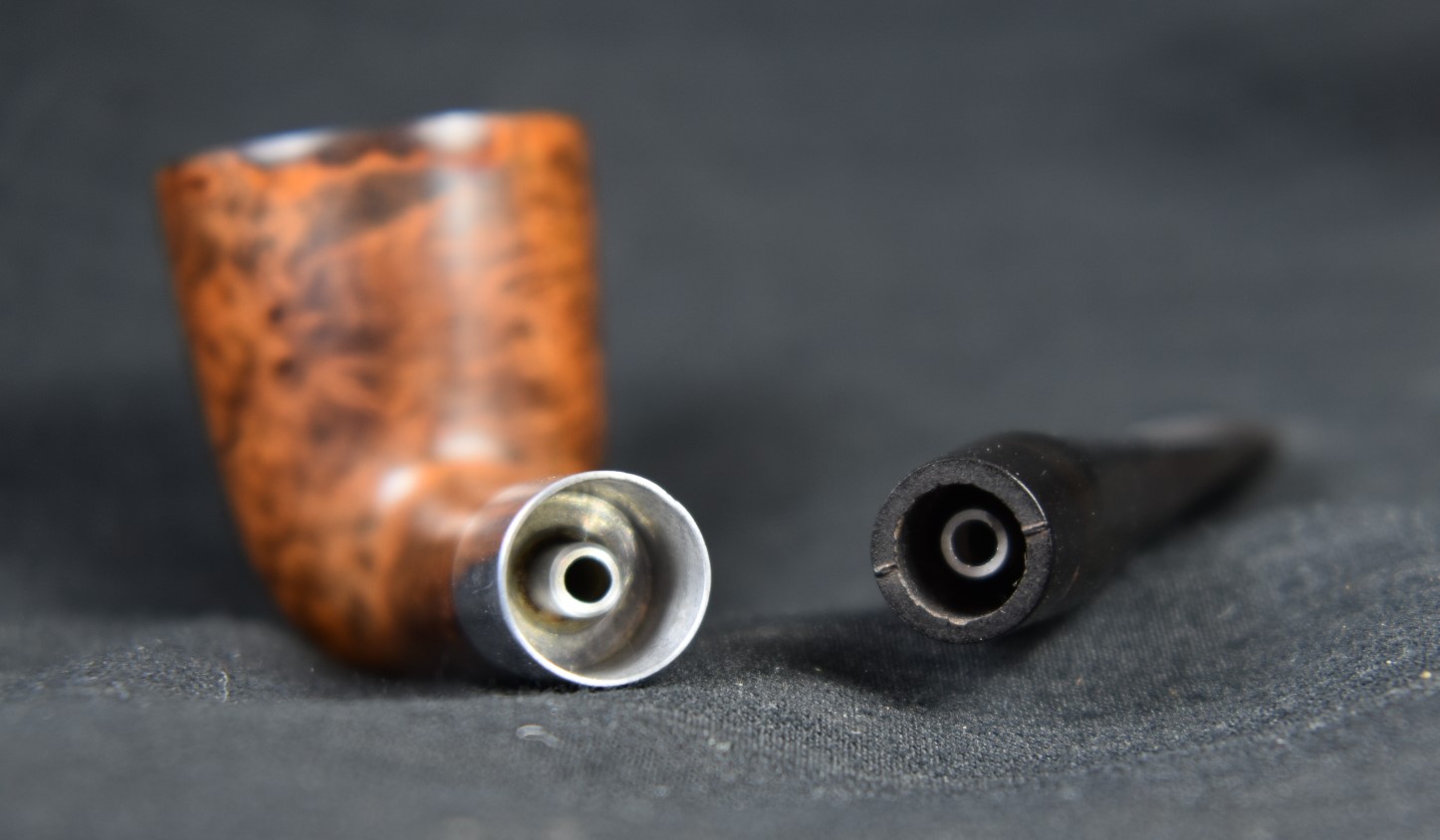
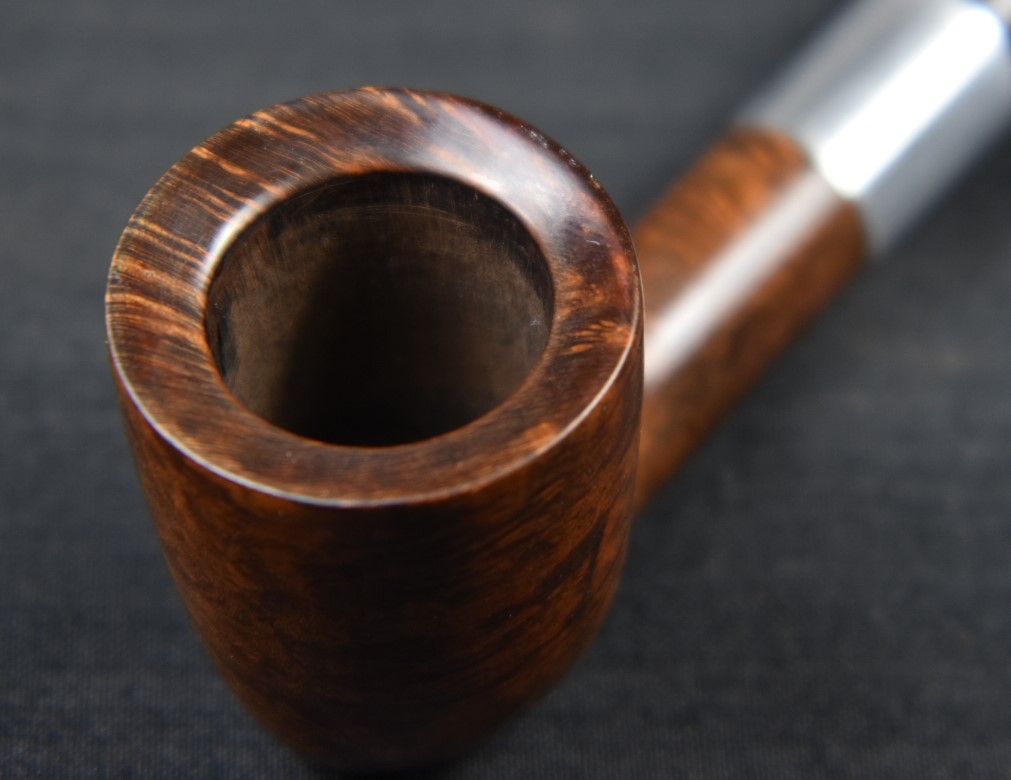
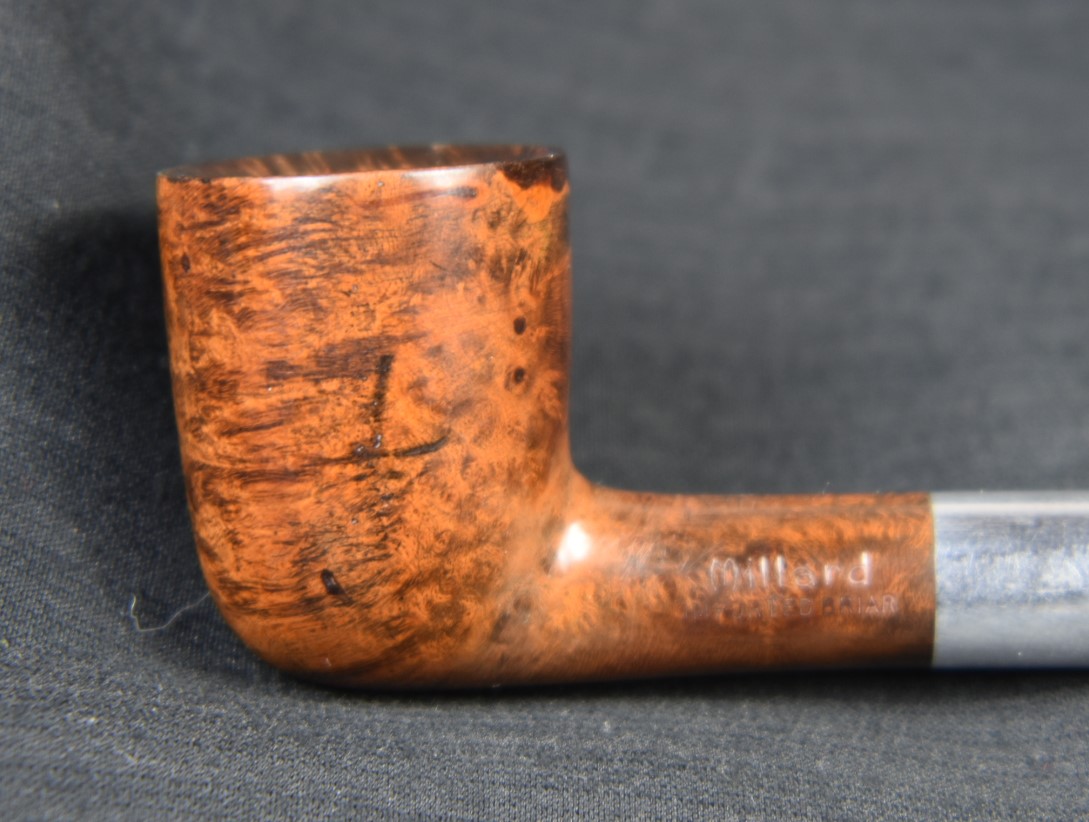


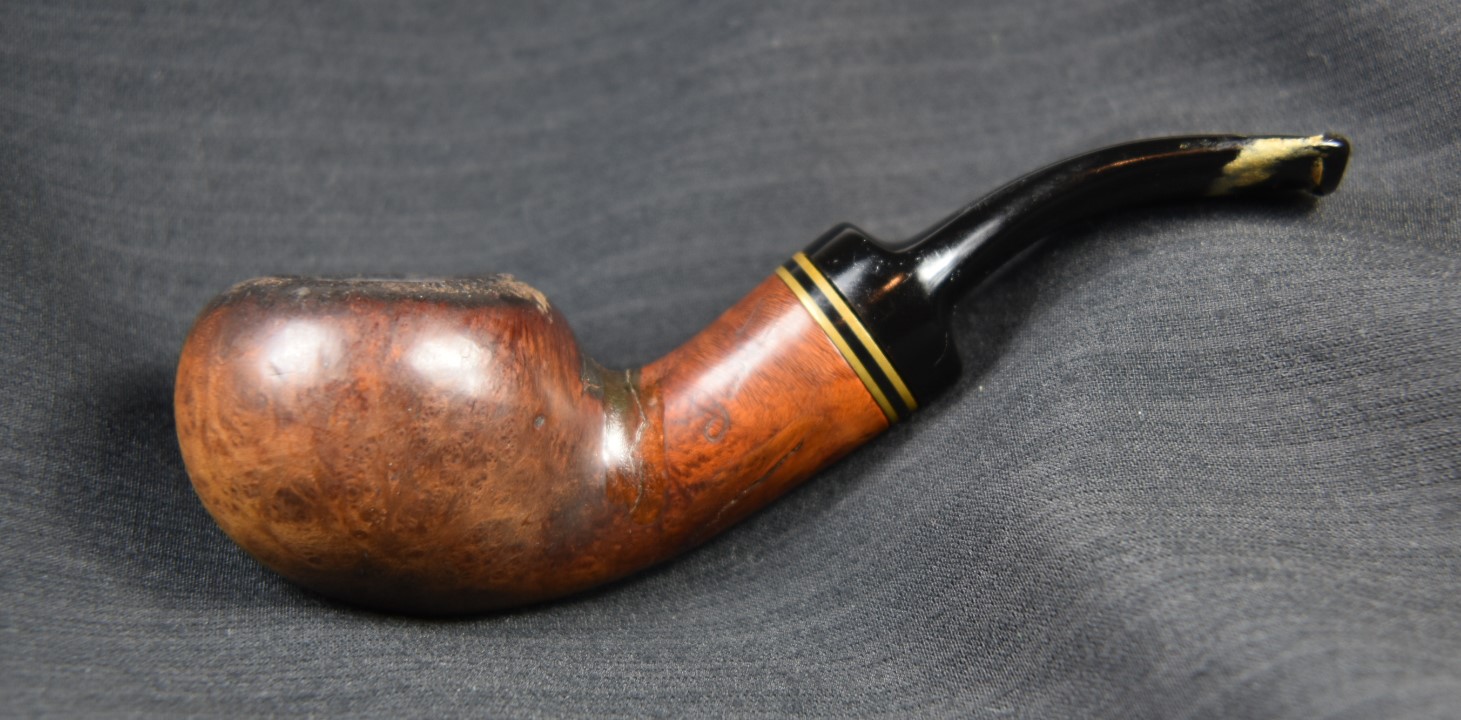

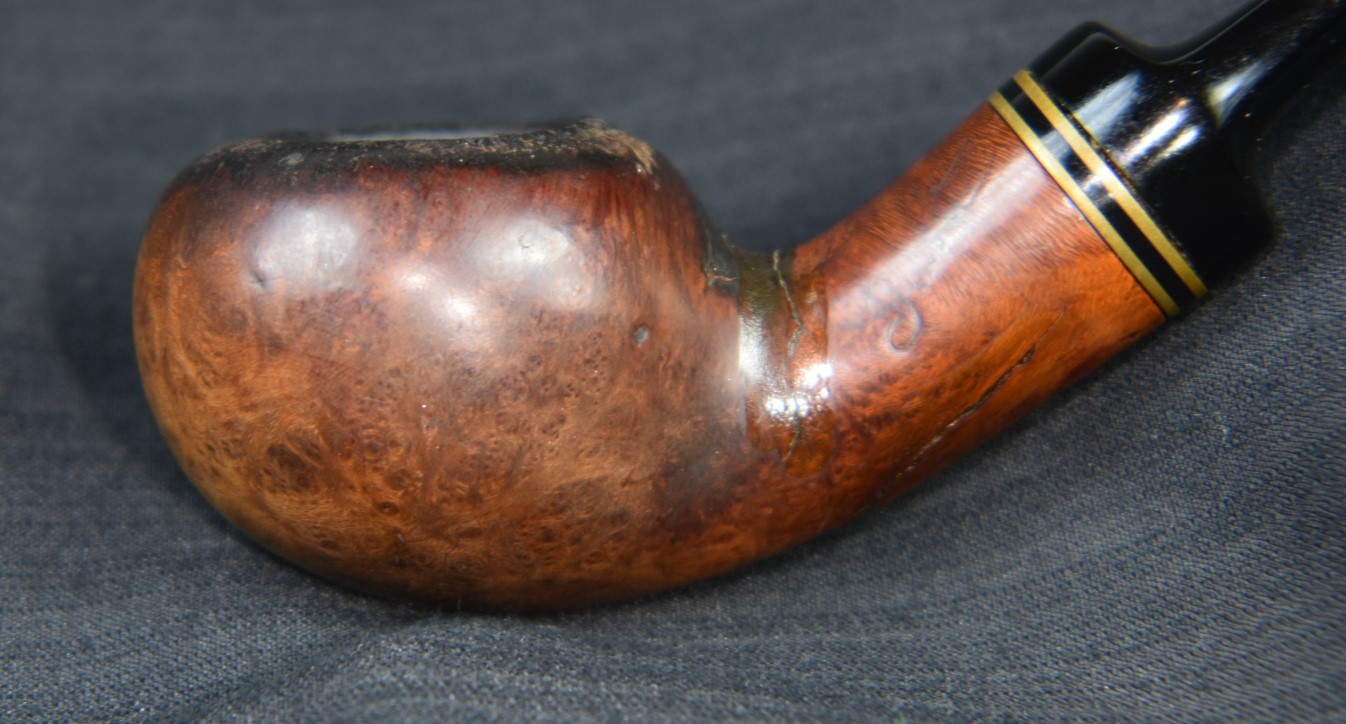
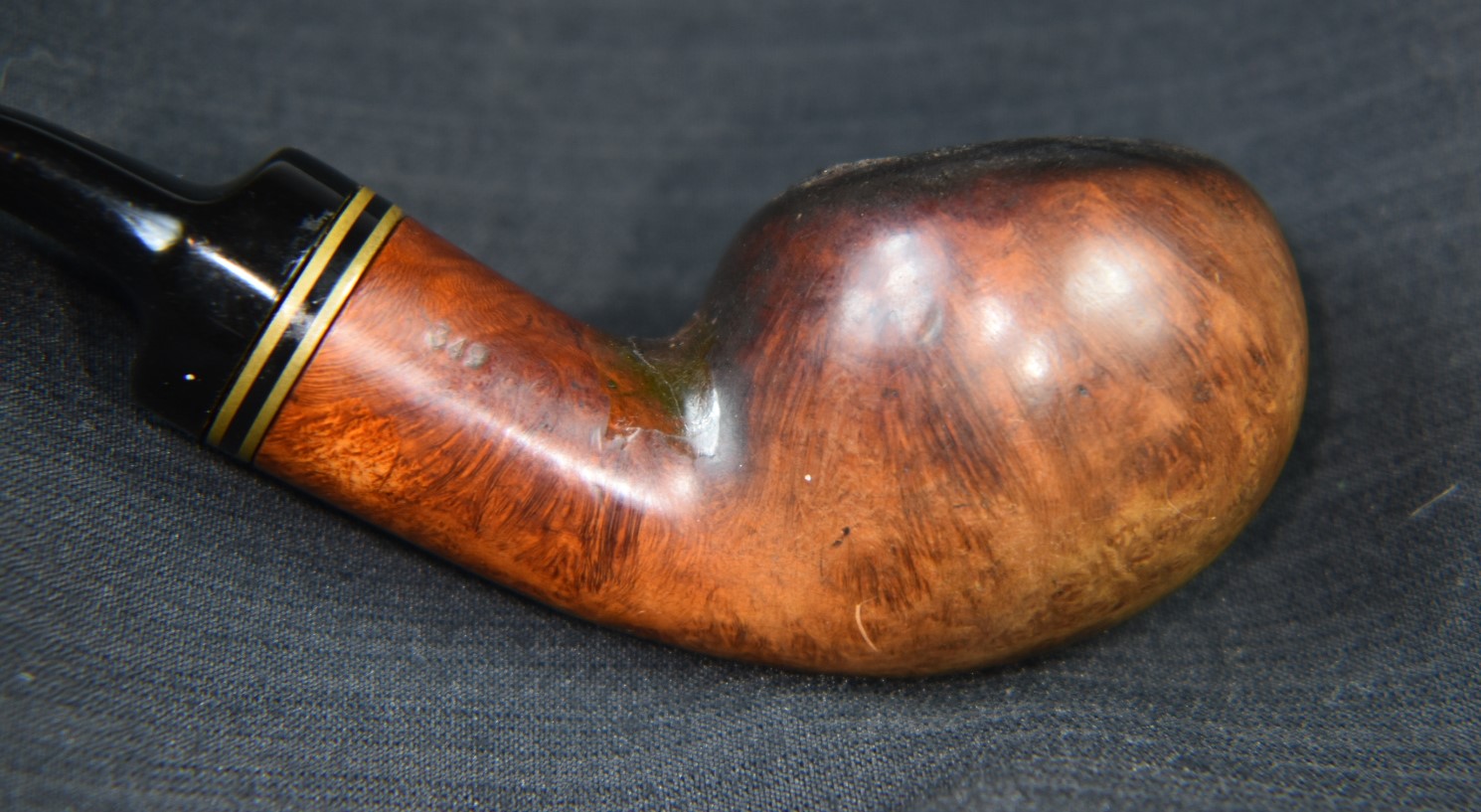
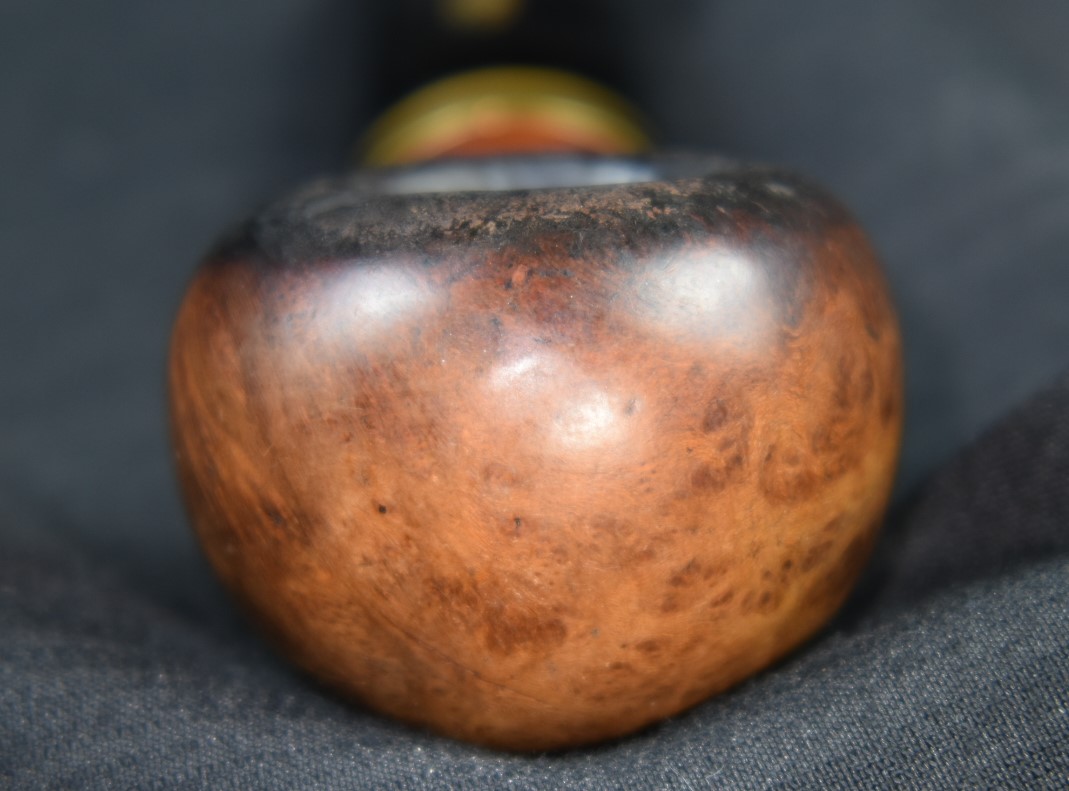
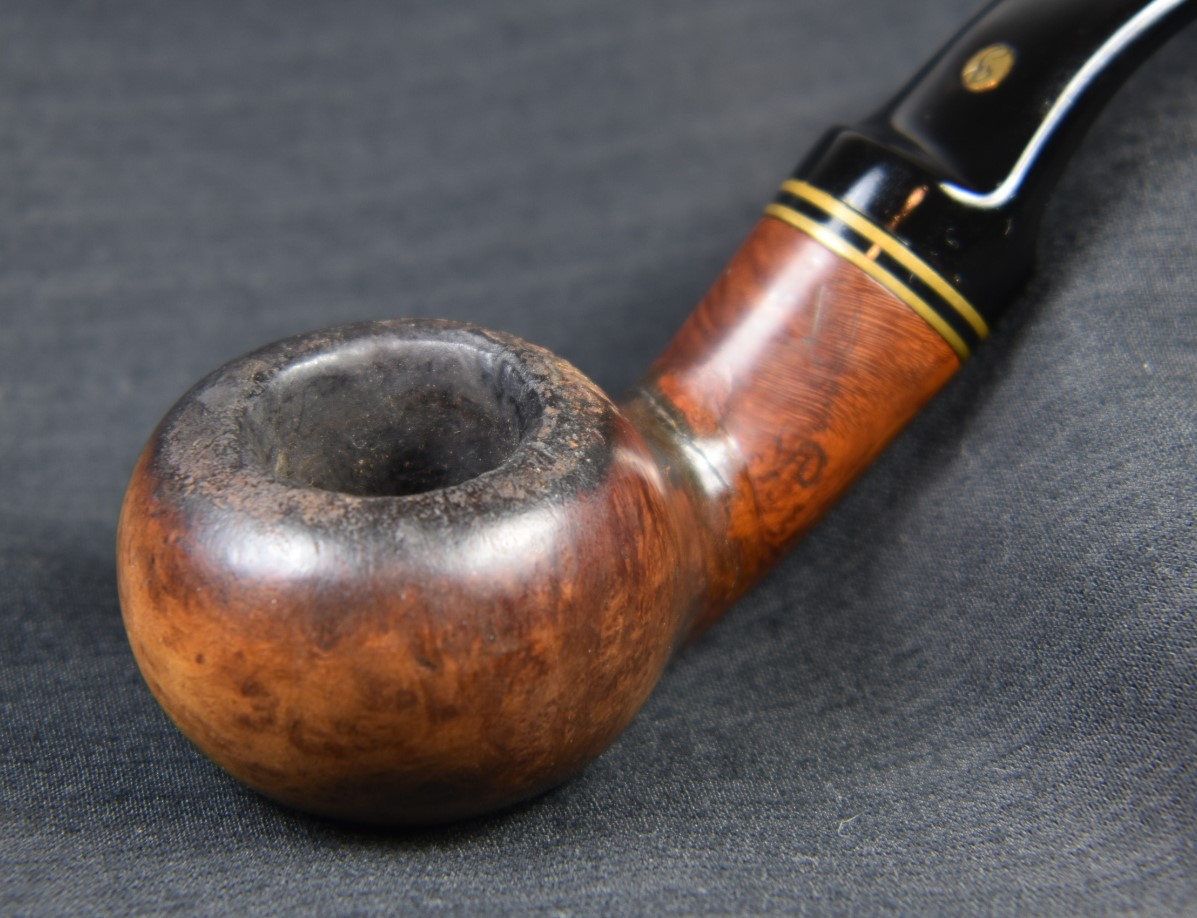

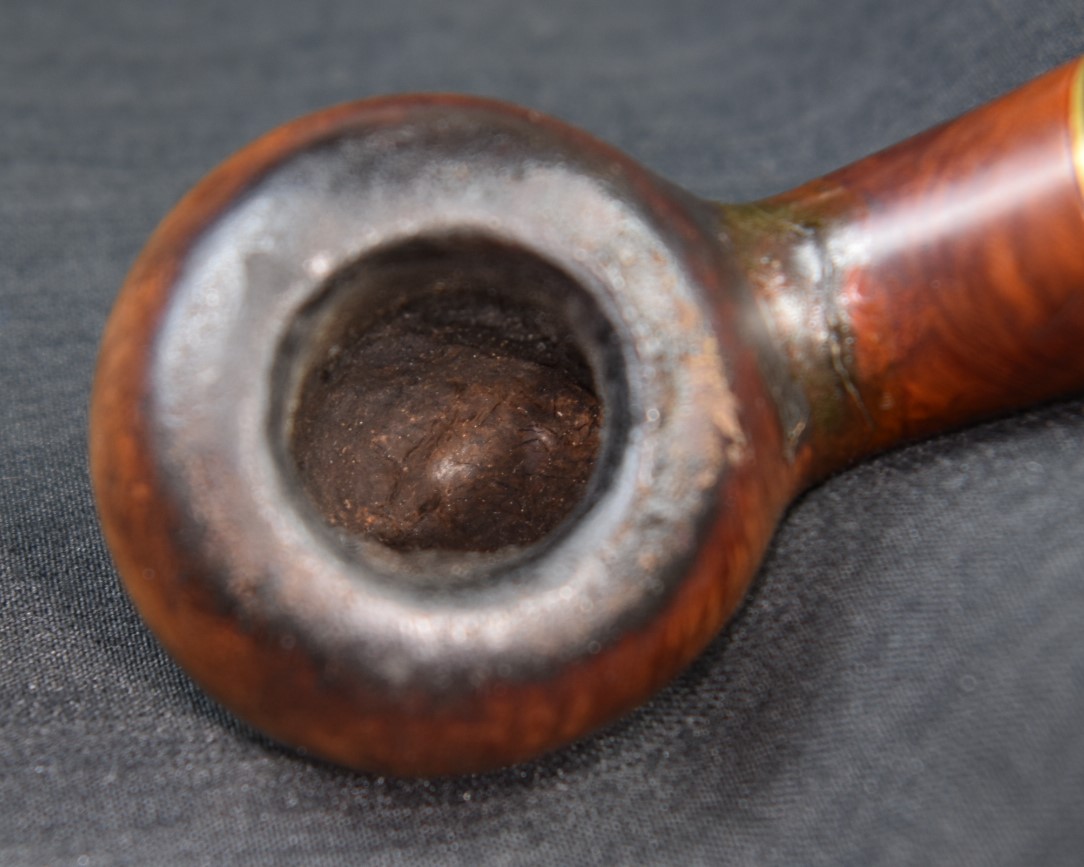

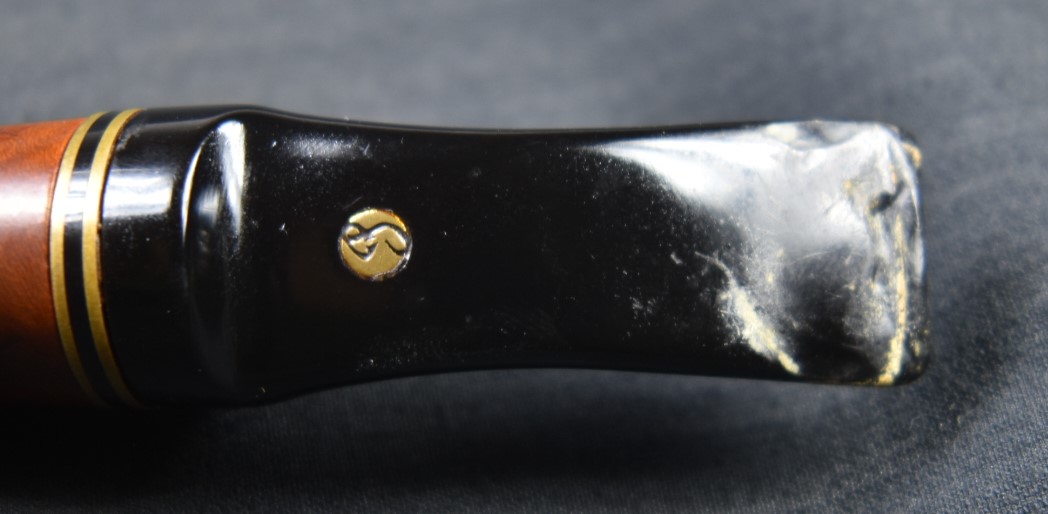


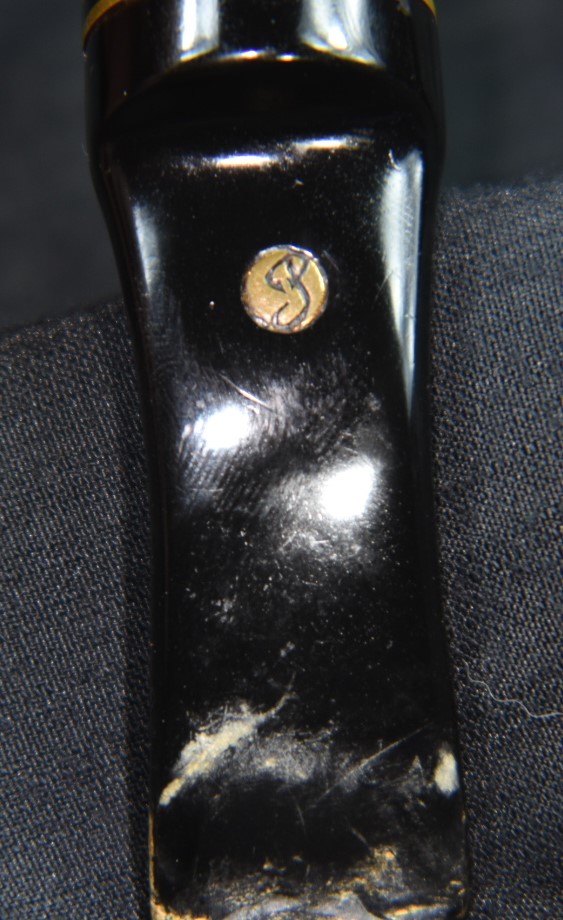
 (
(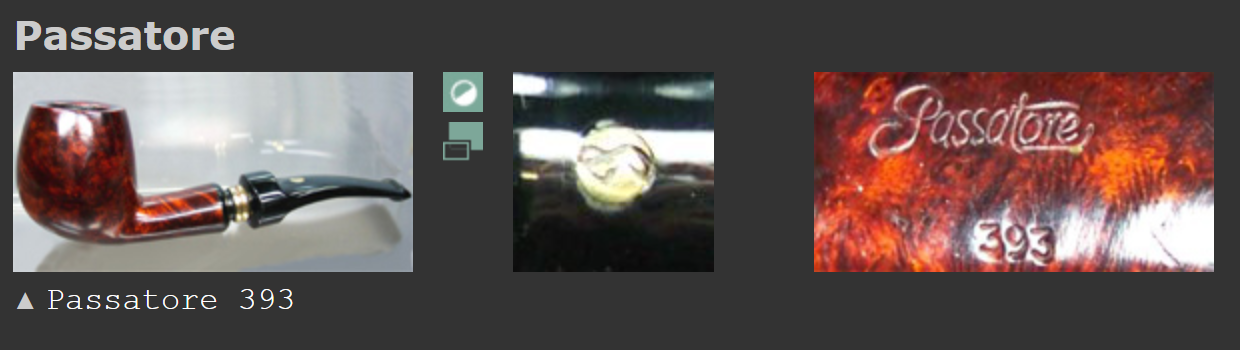
 (Photo courtesy of Steve Laug)

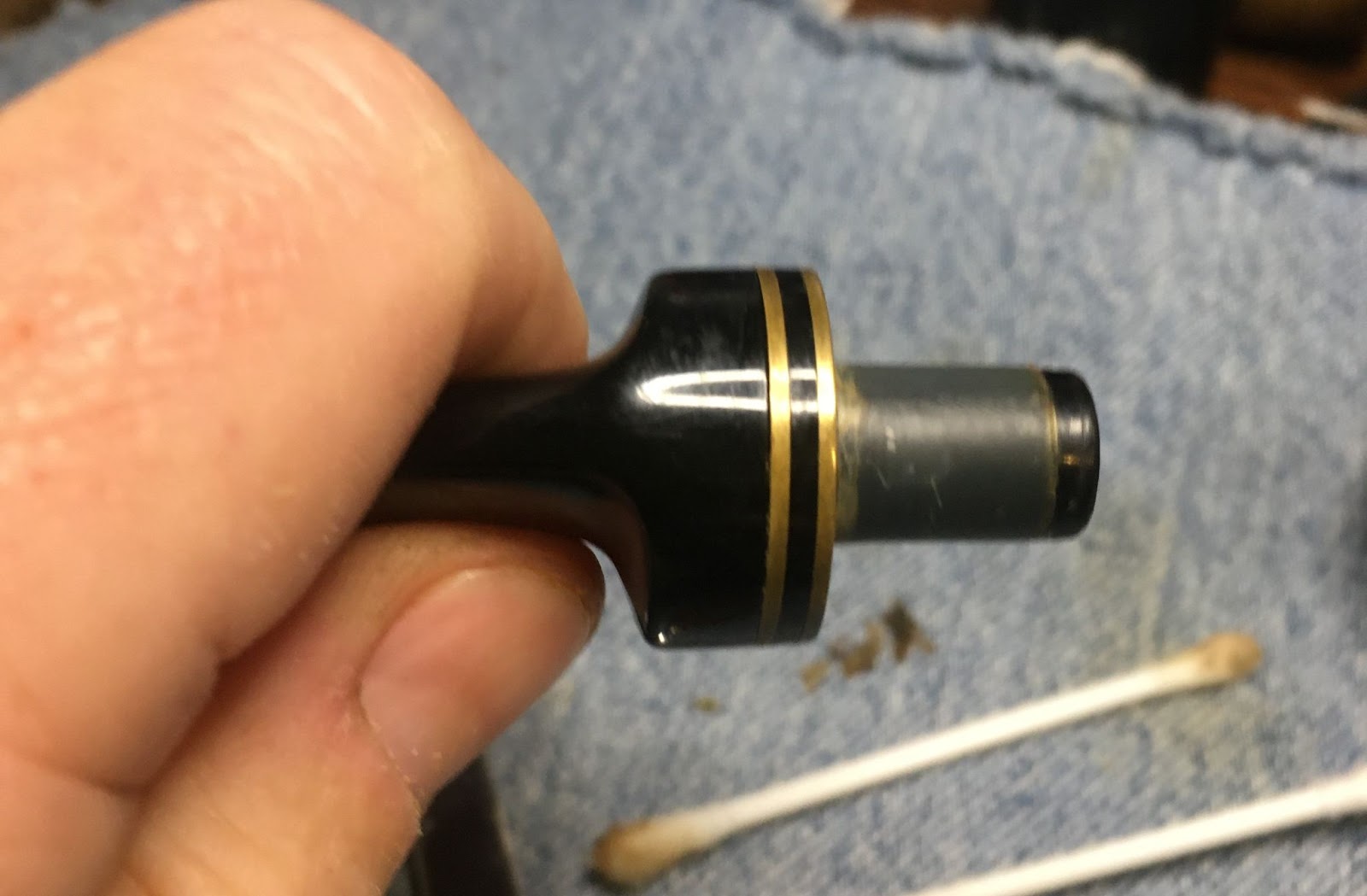

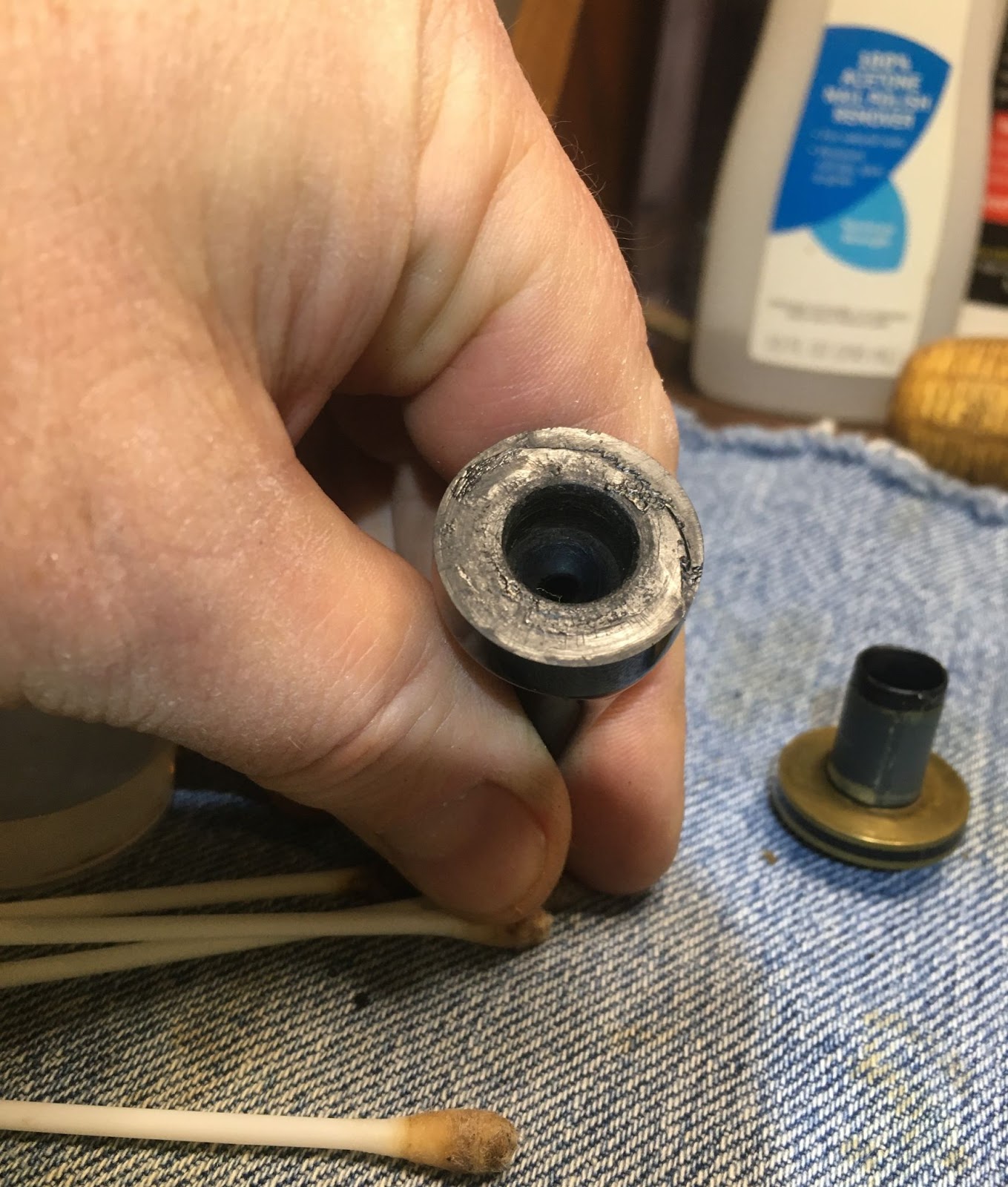


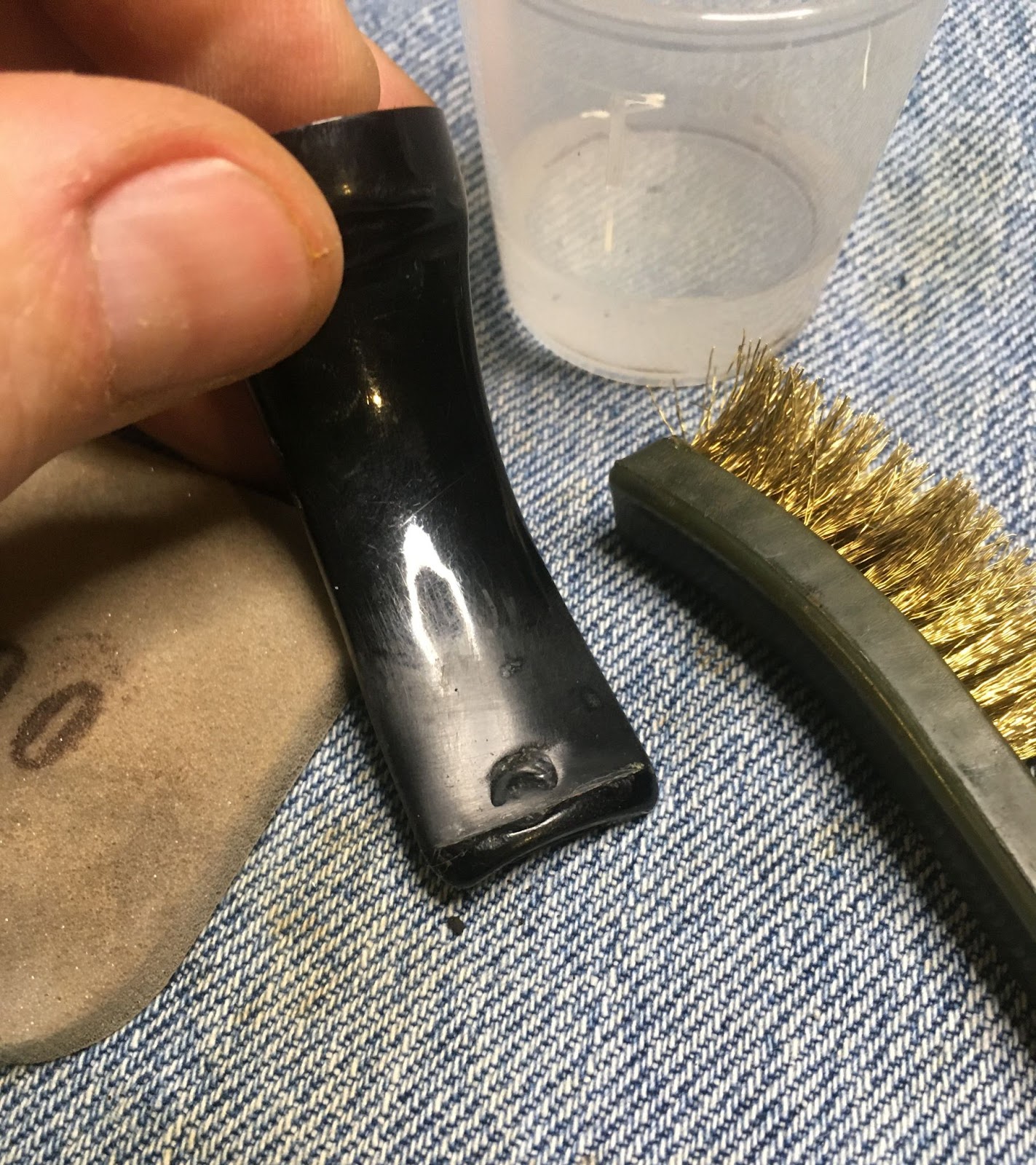


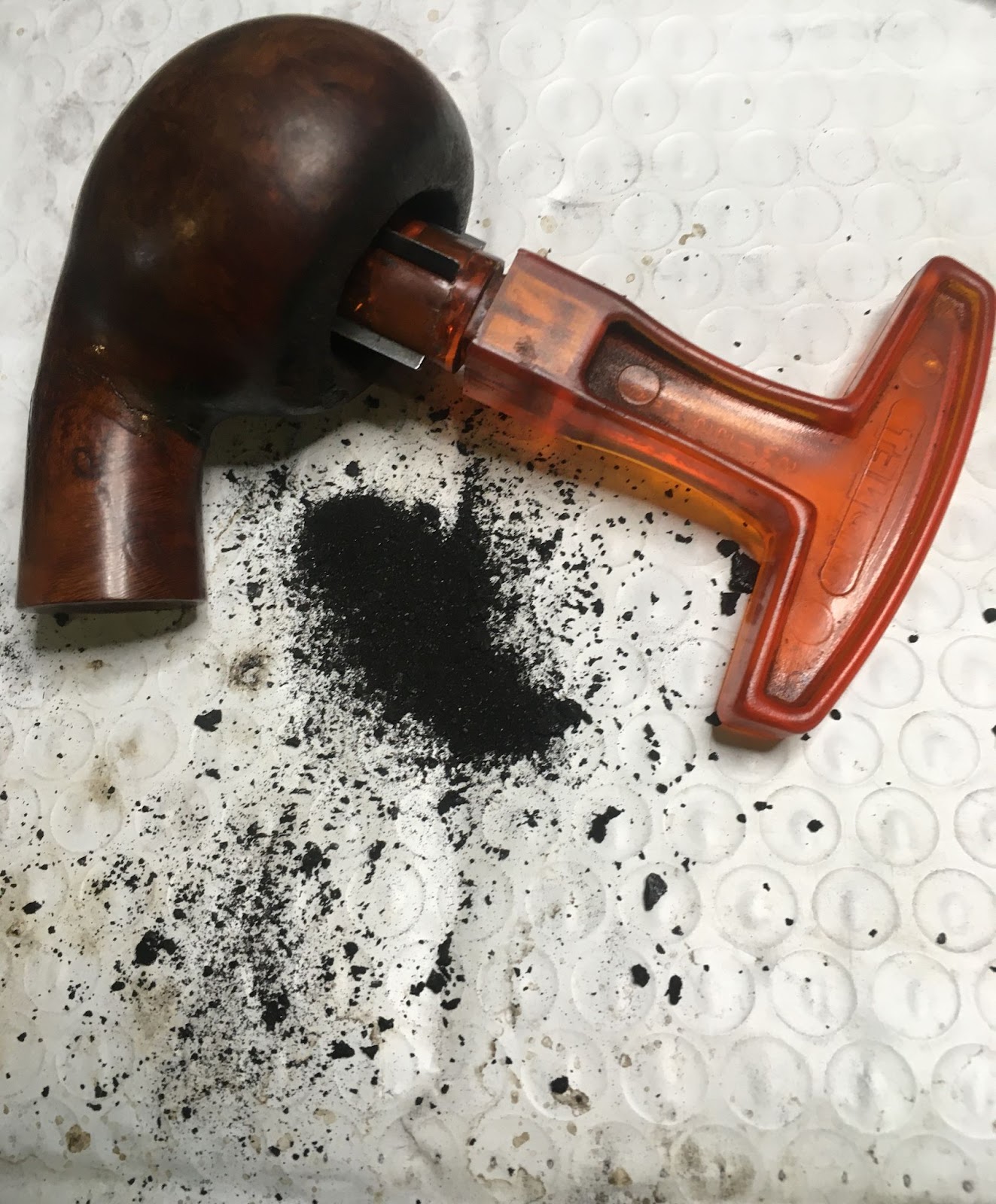
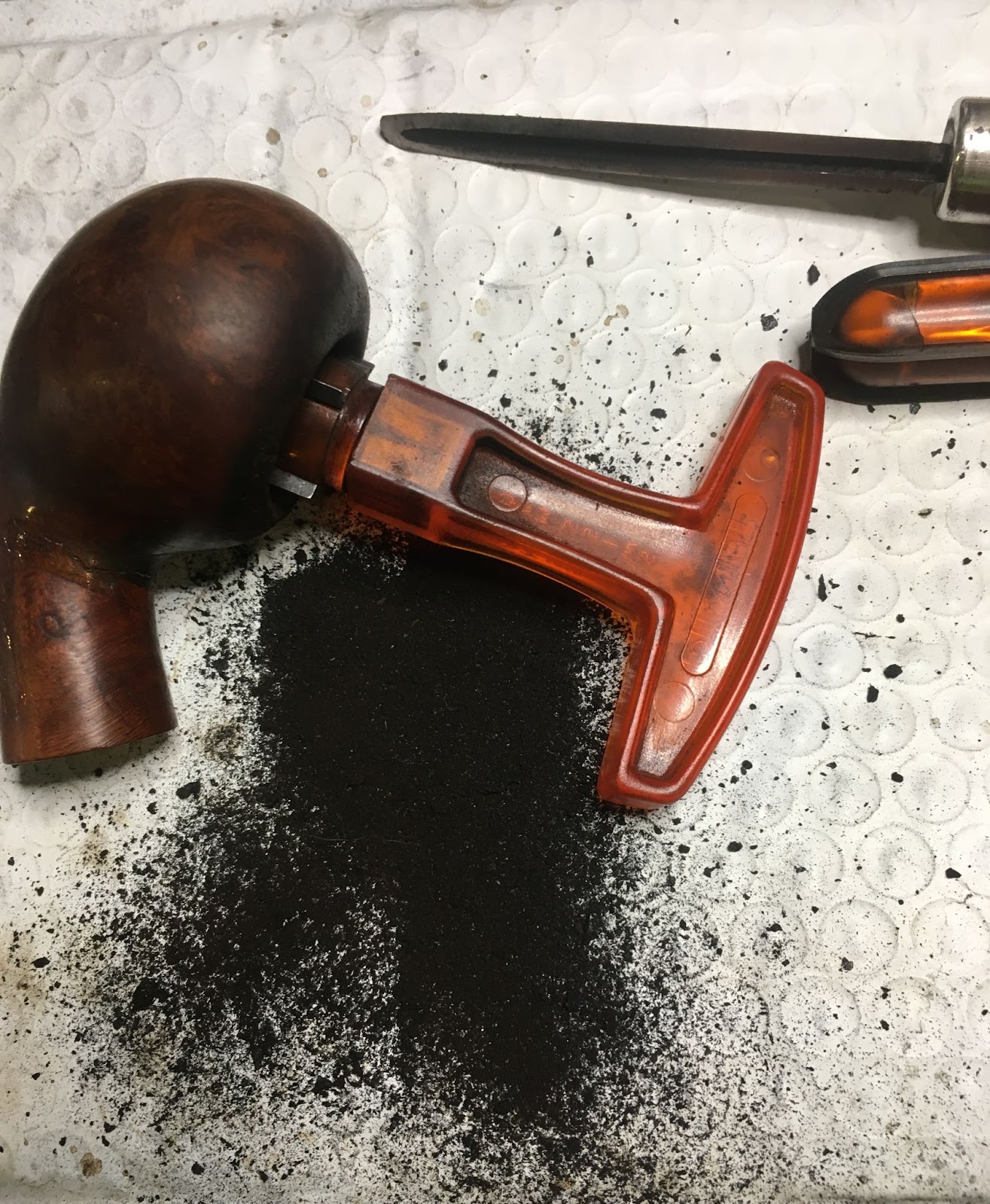

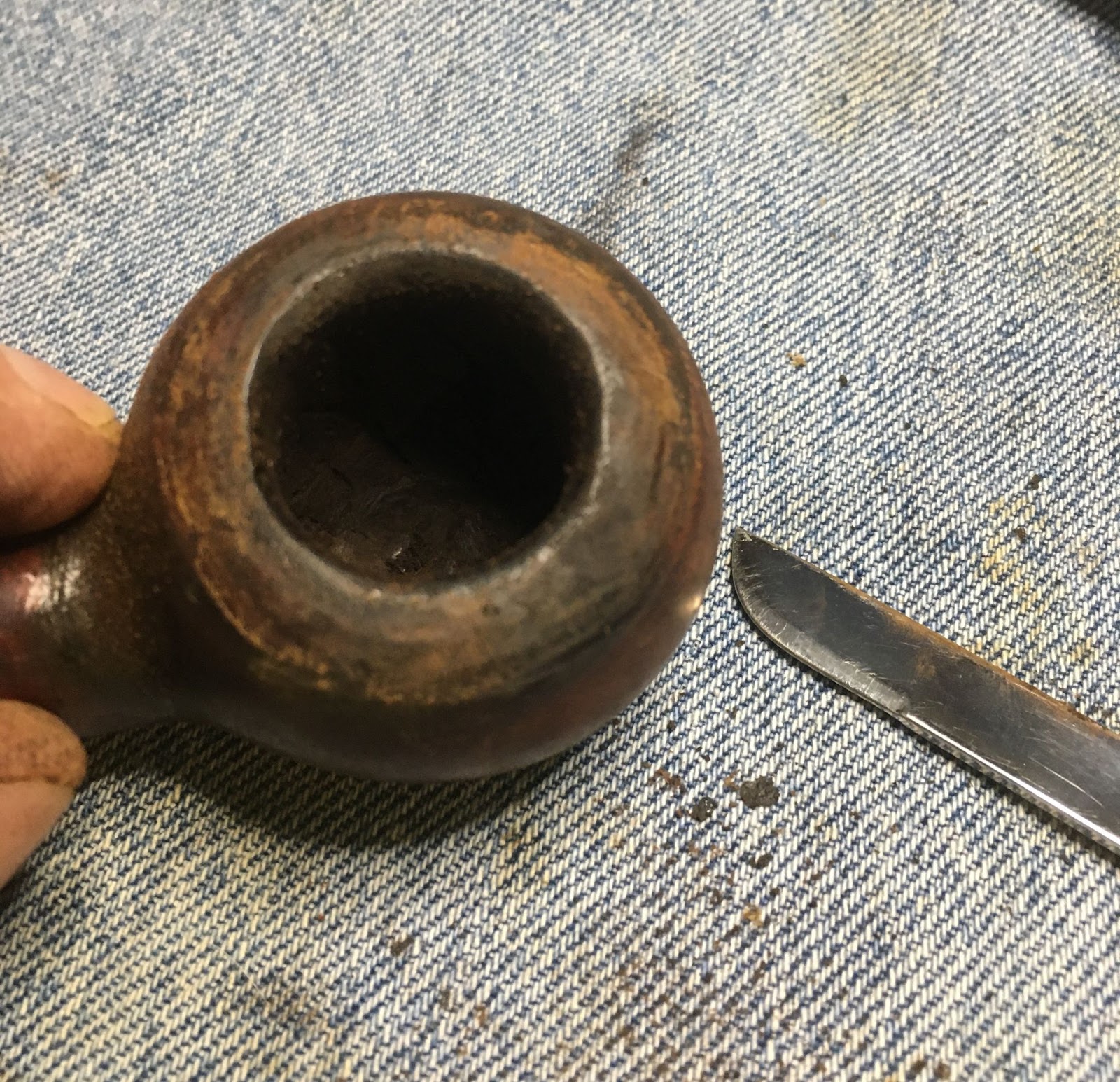


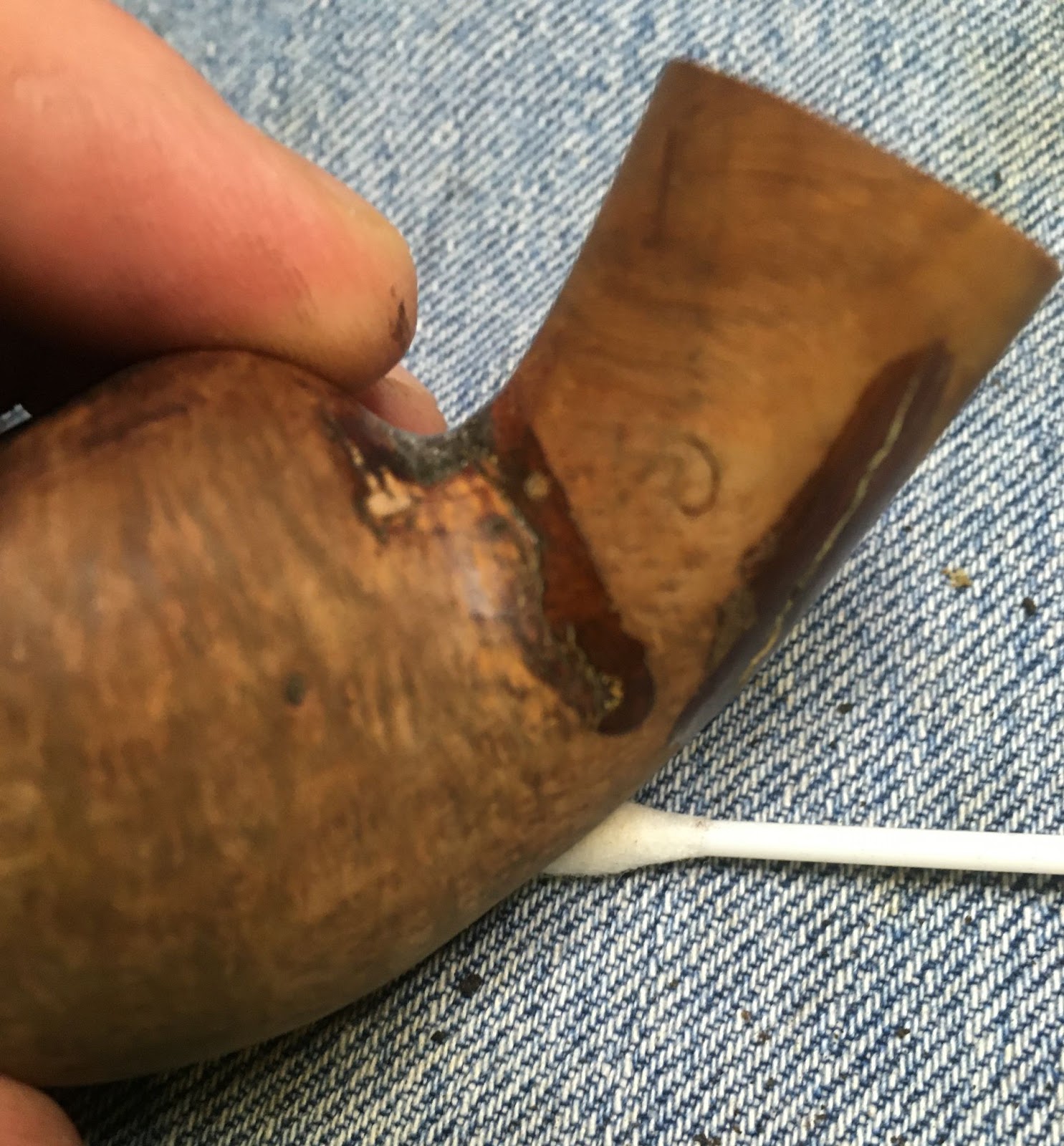


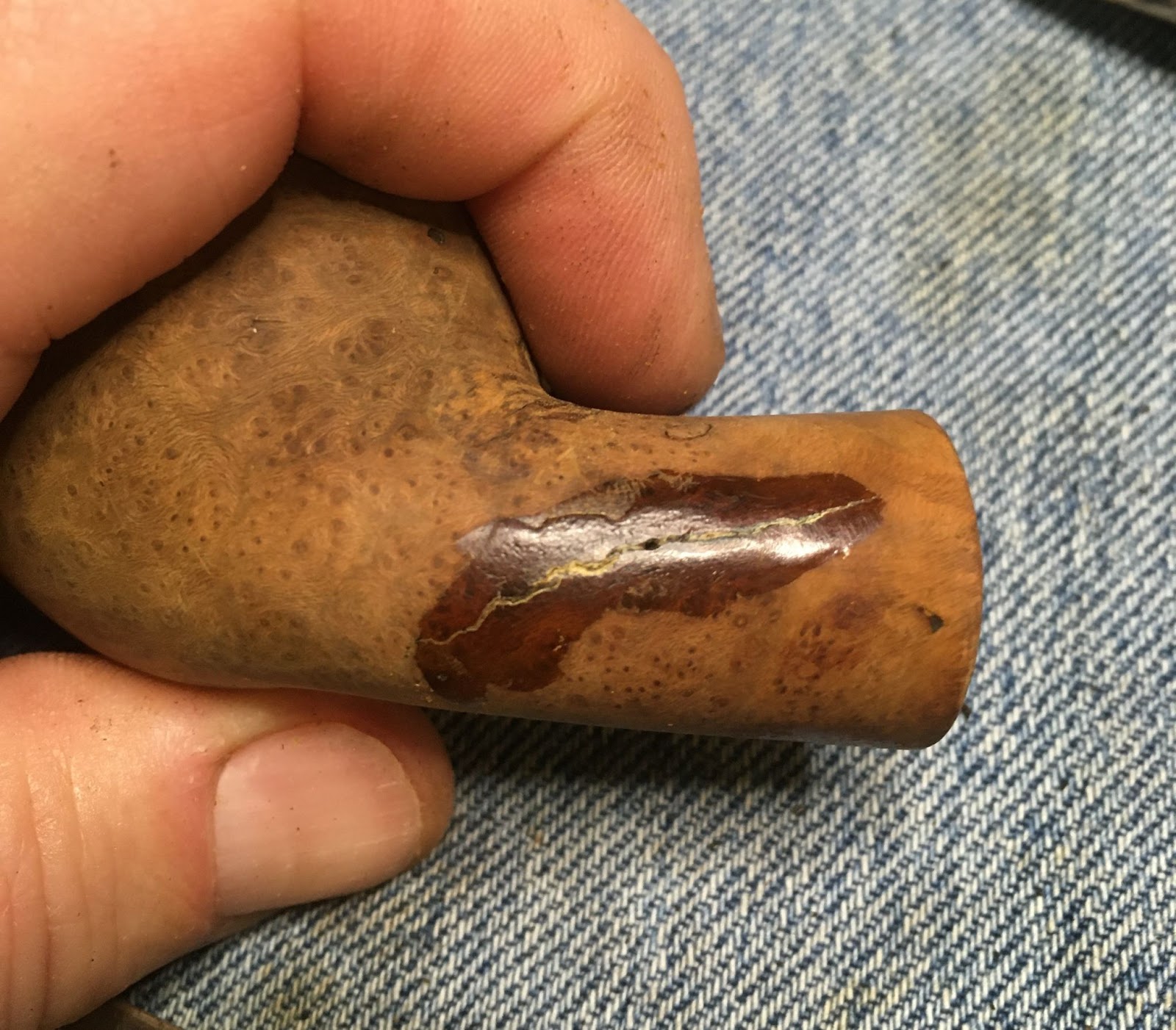

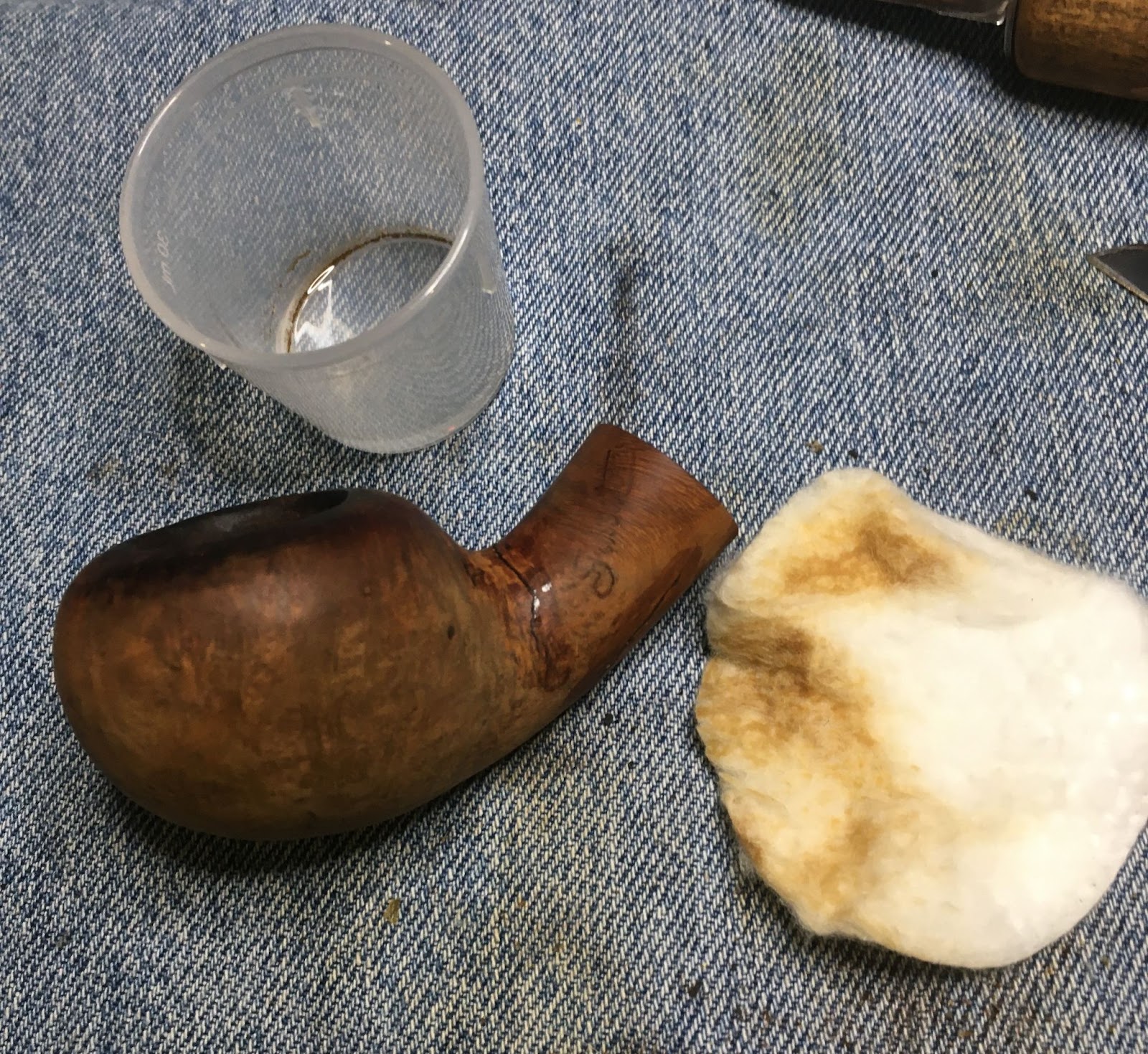




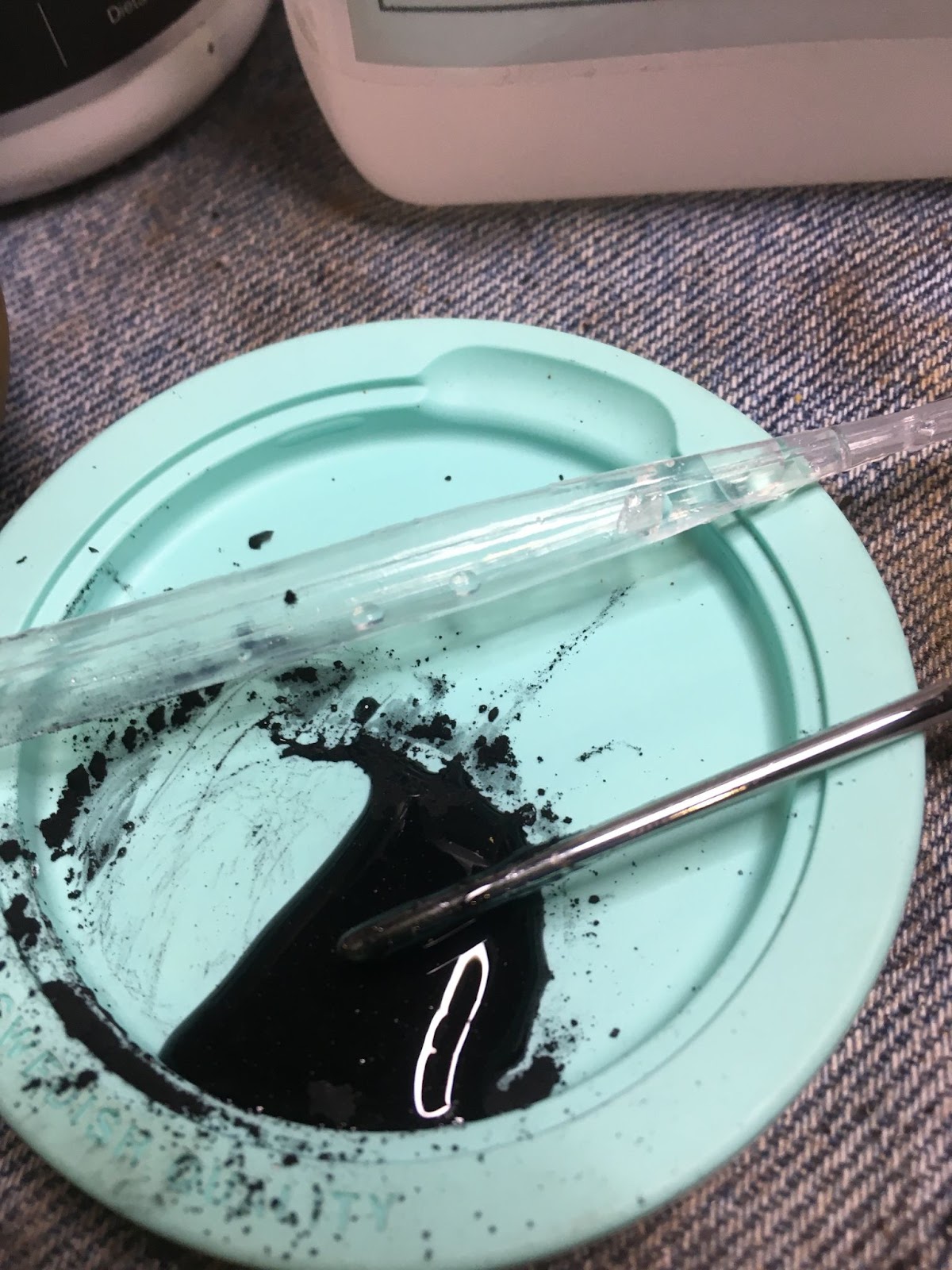
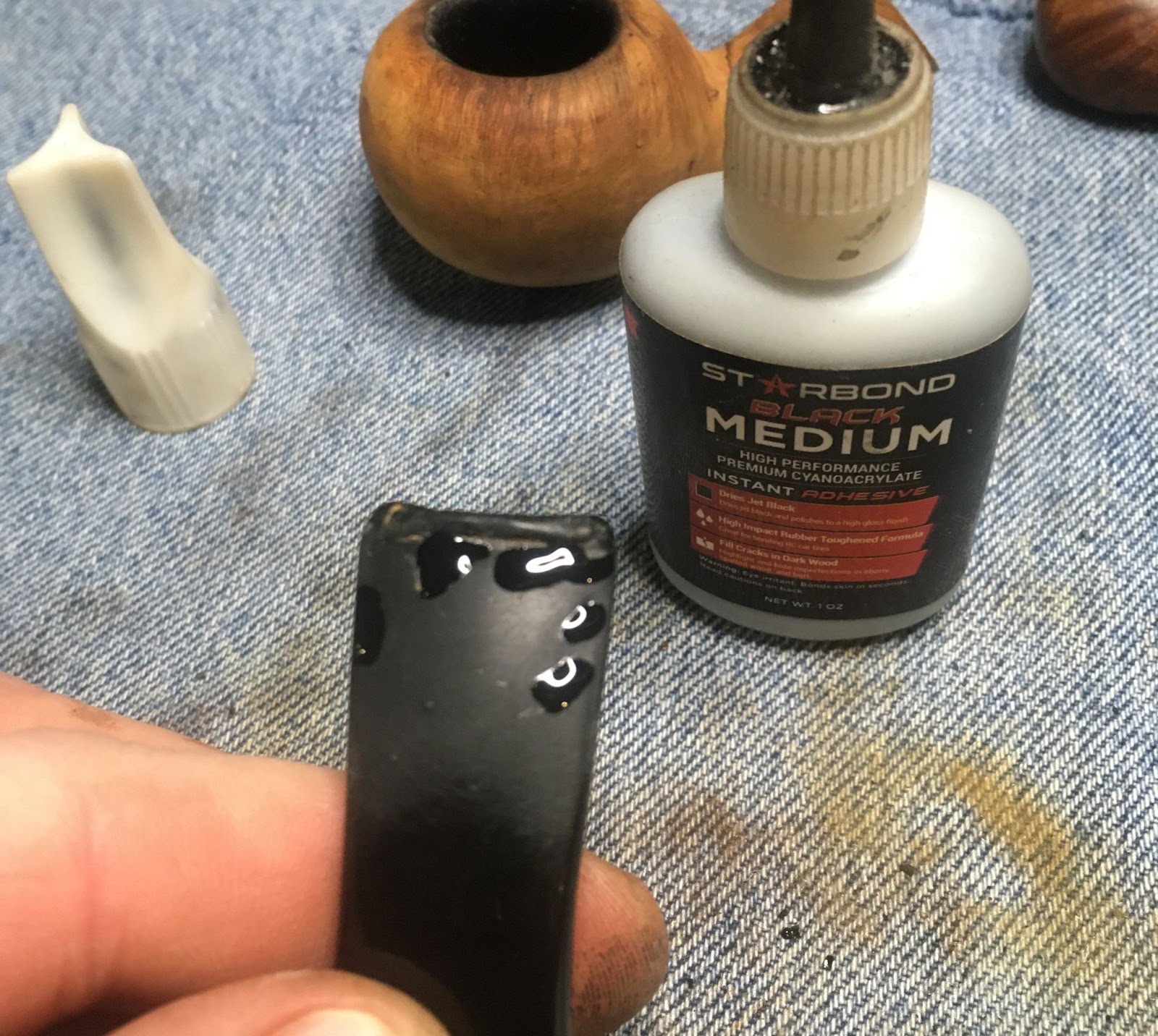
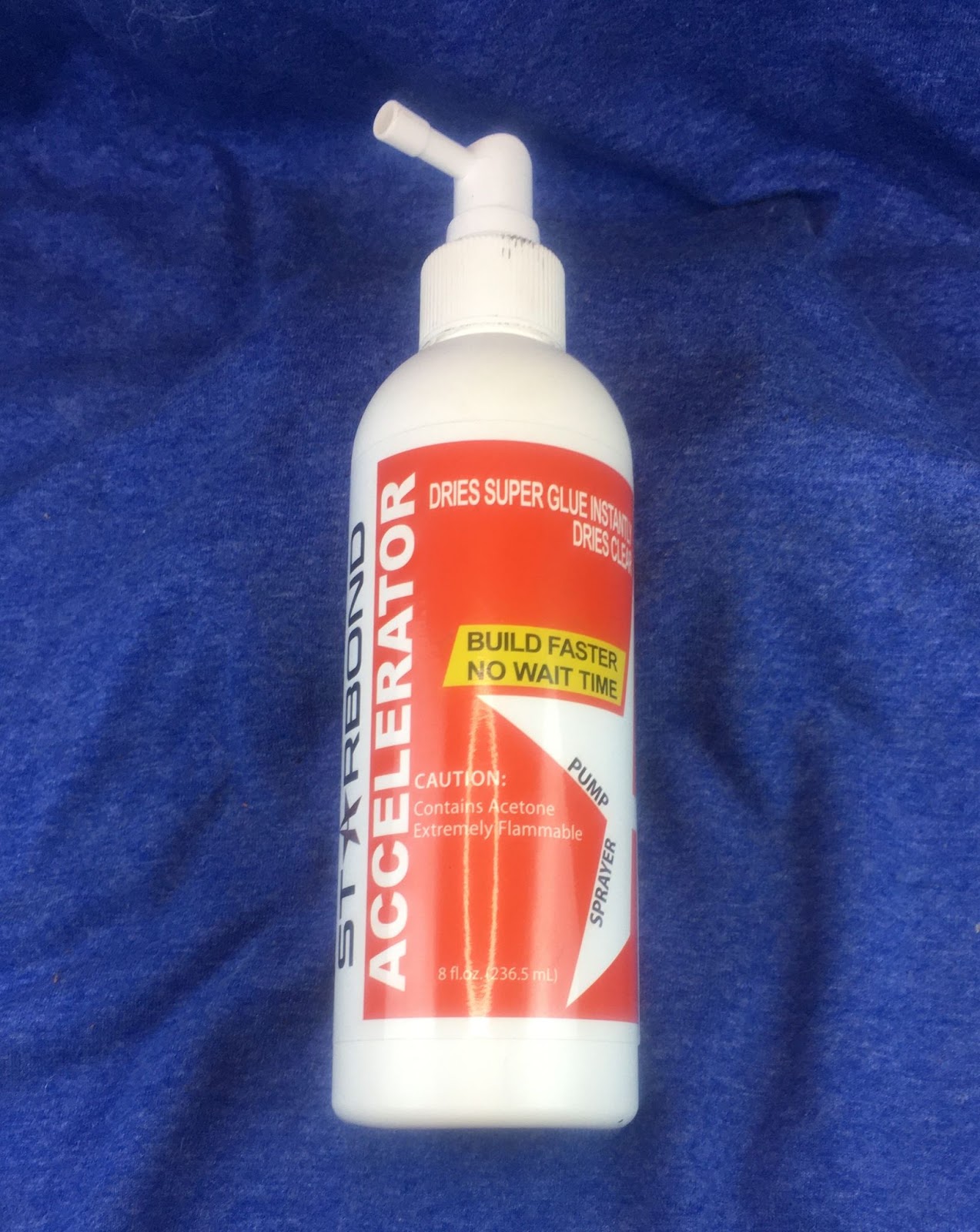

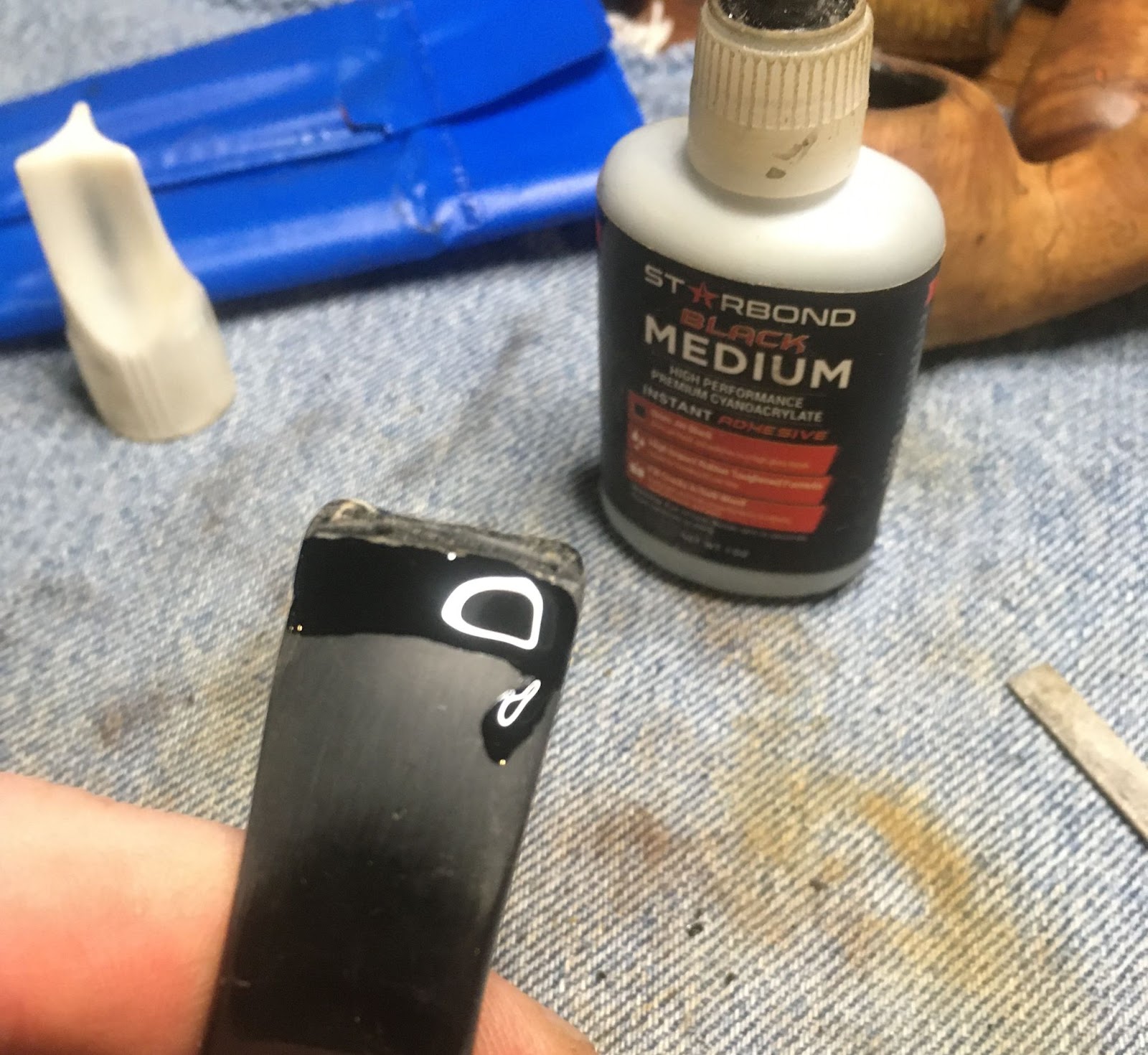
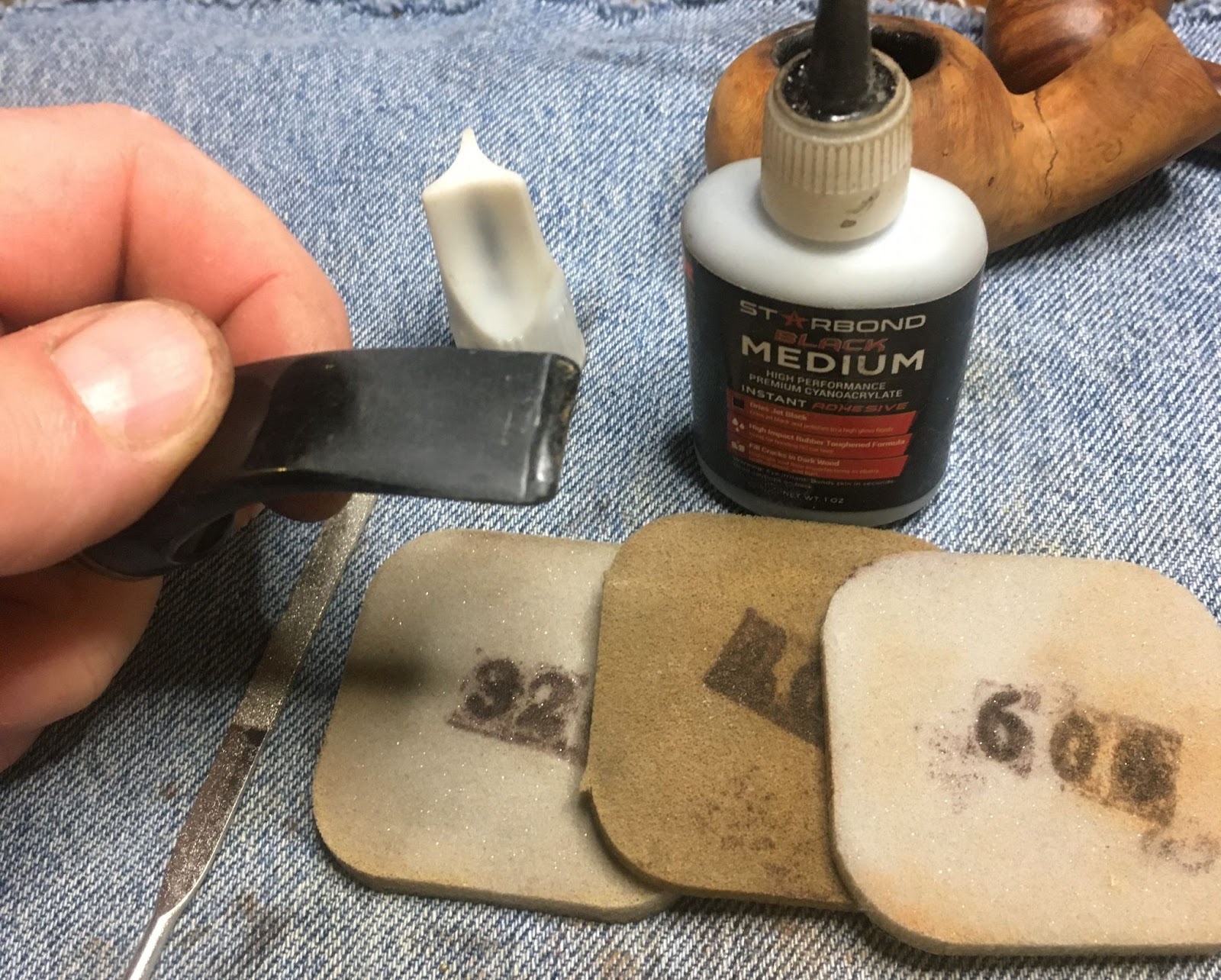
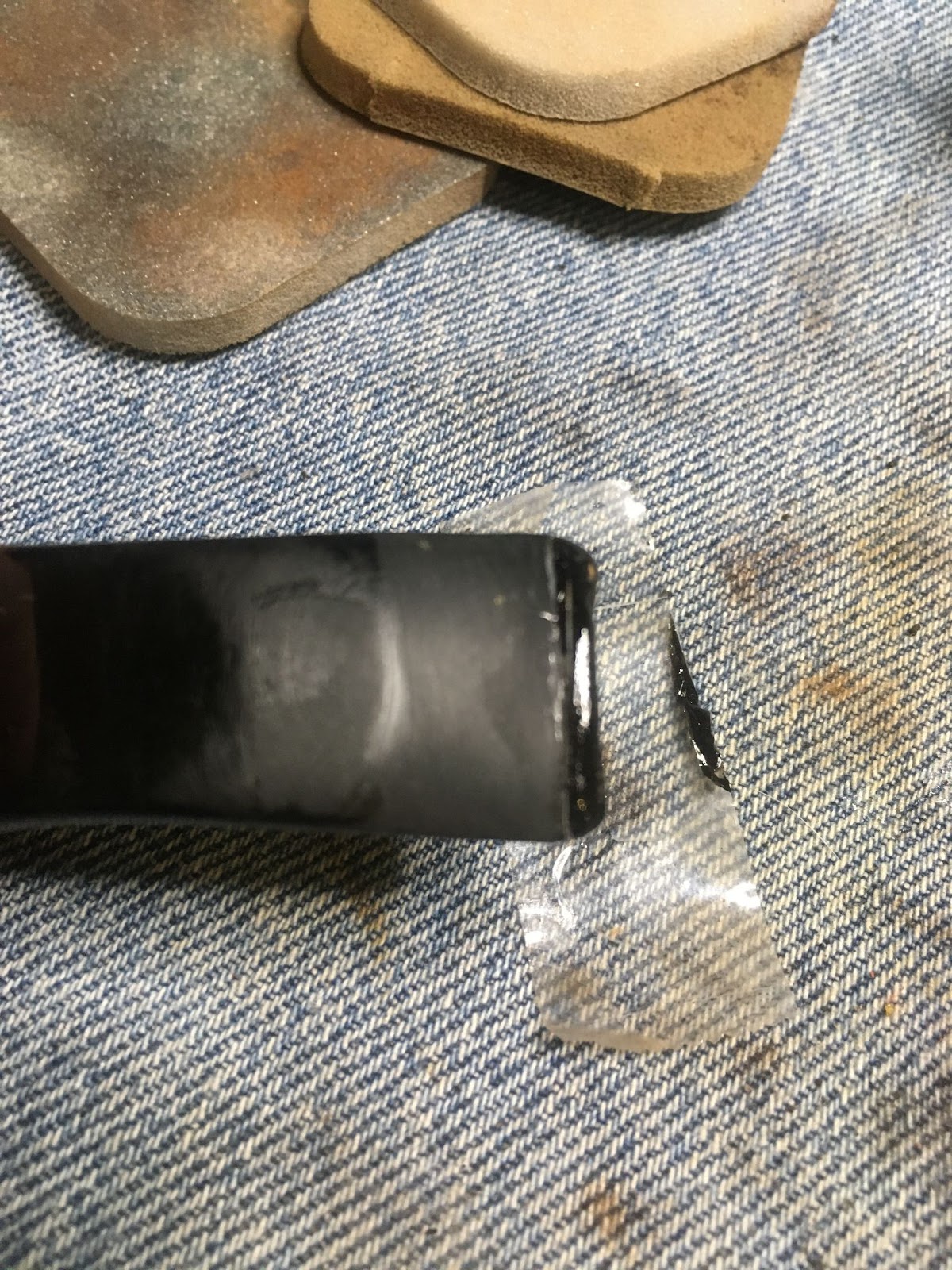


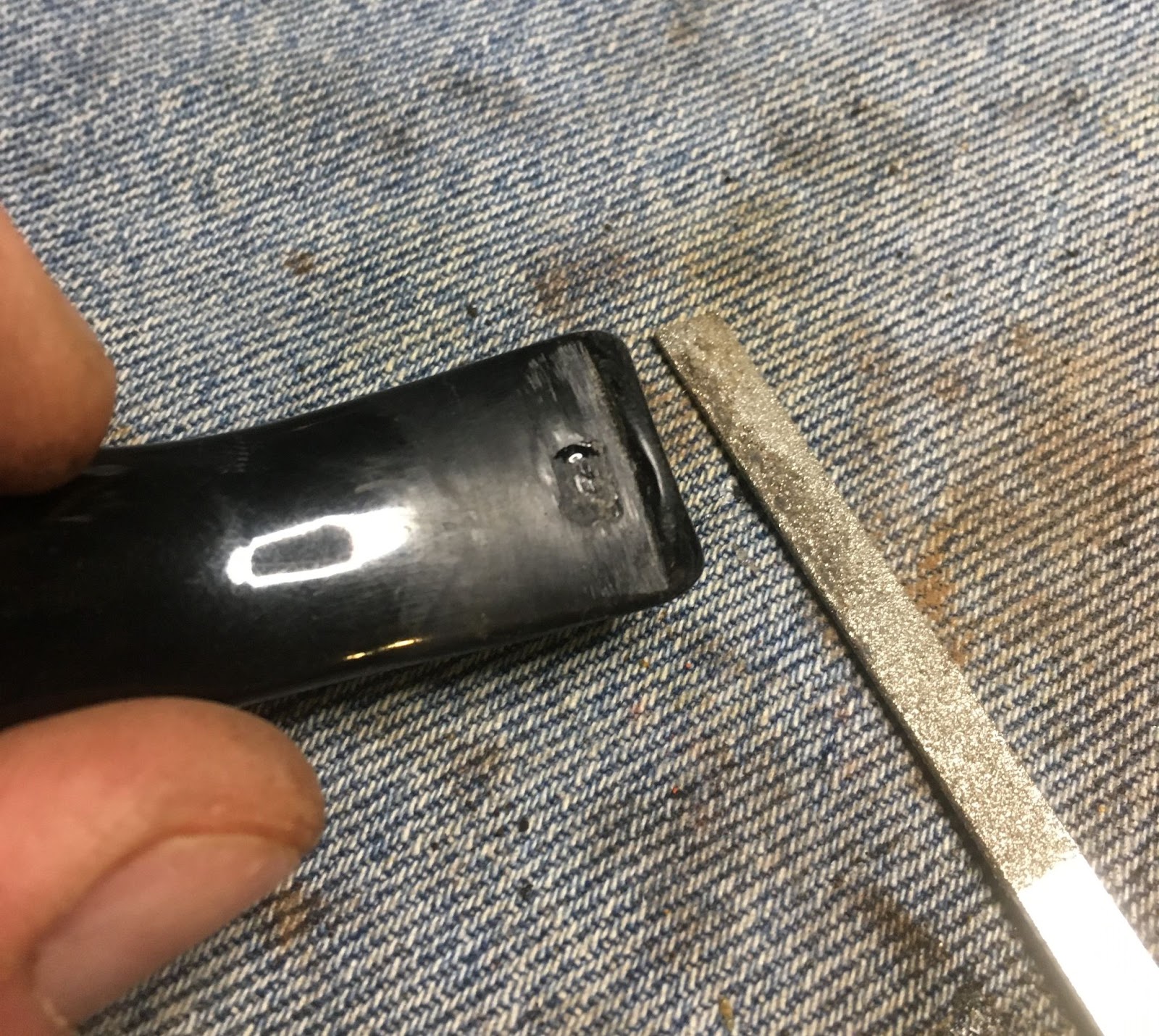


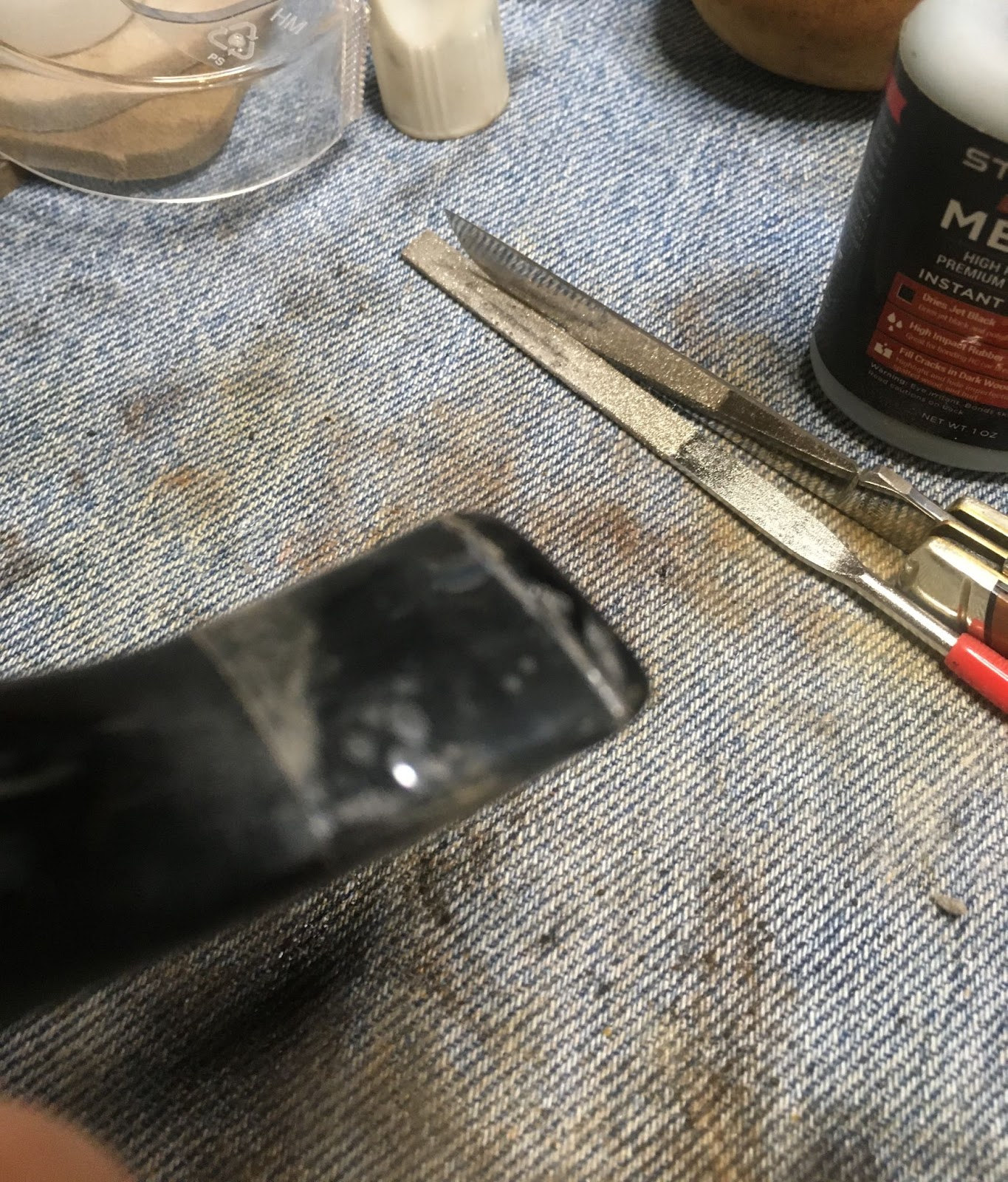
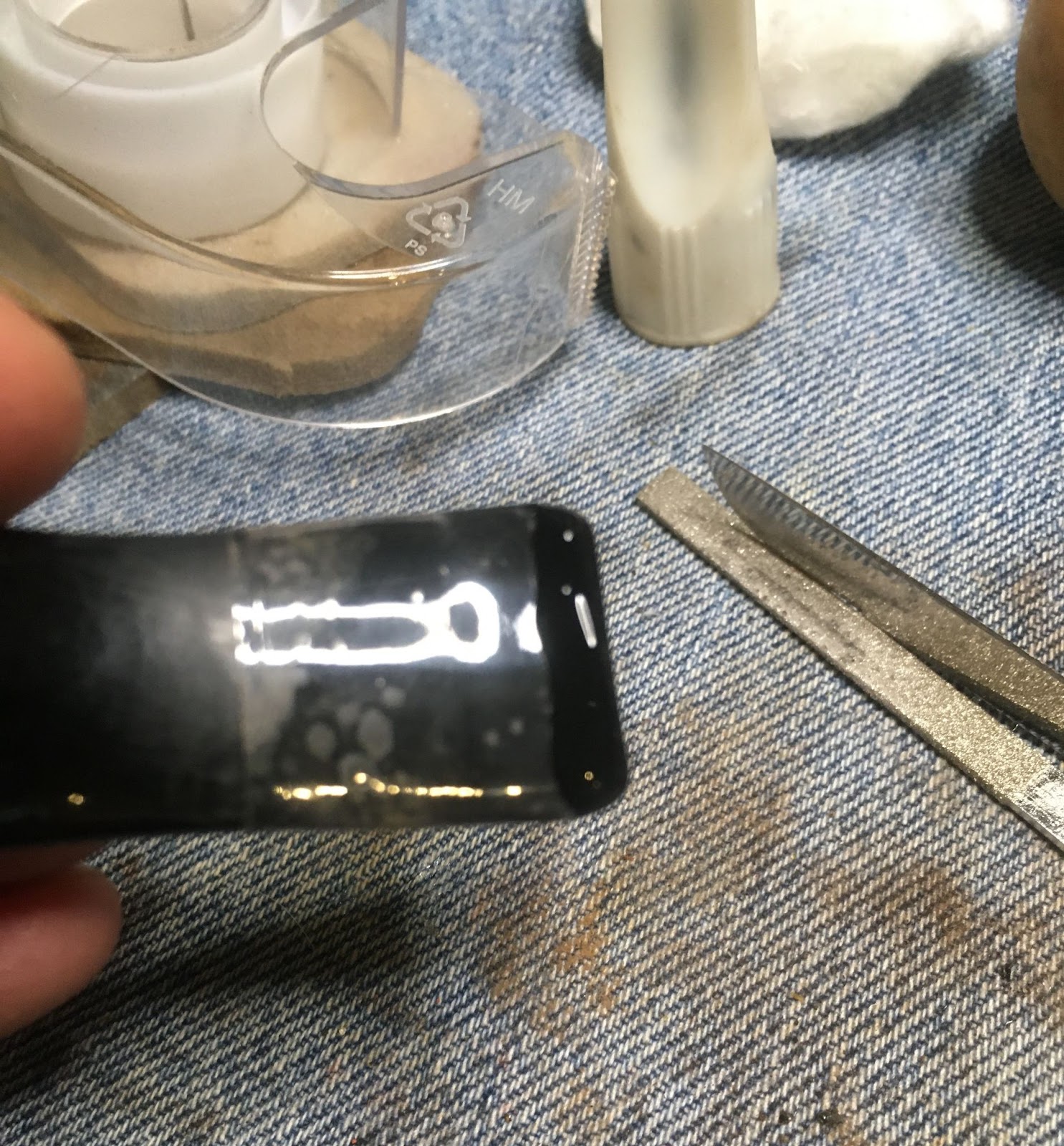

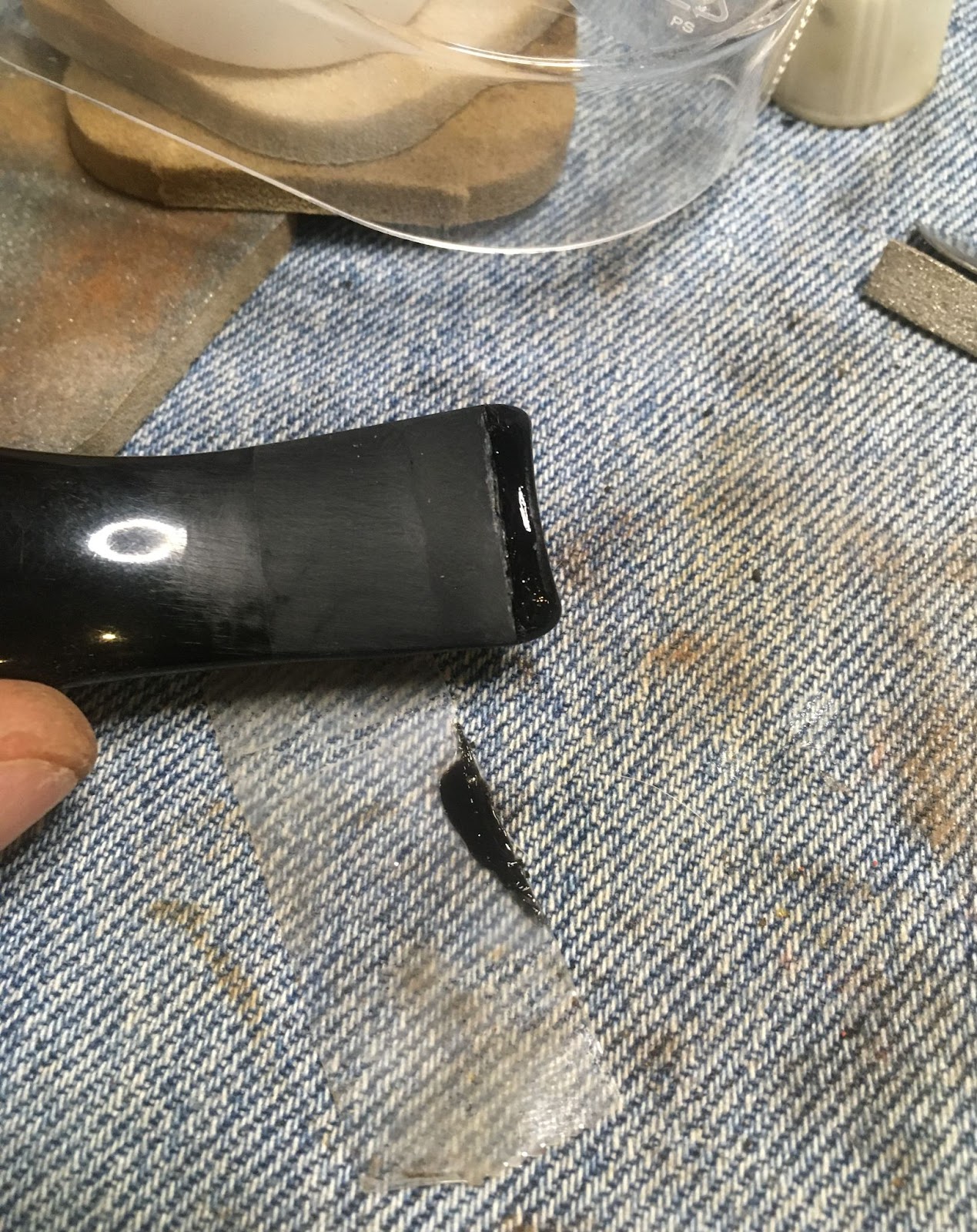


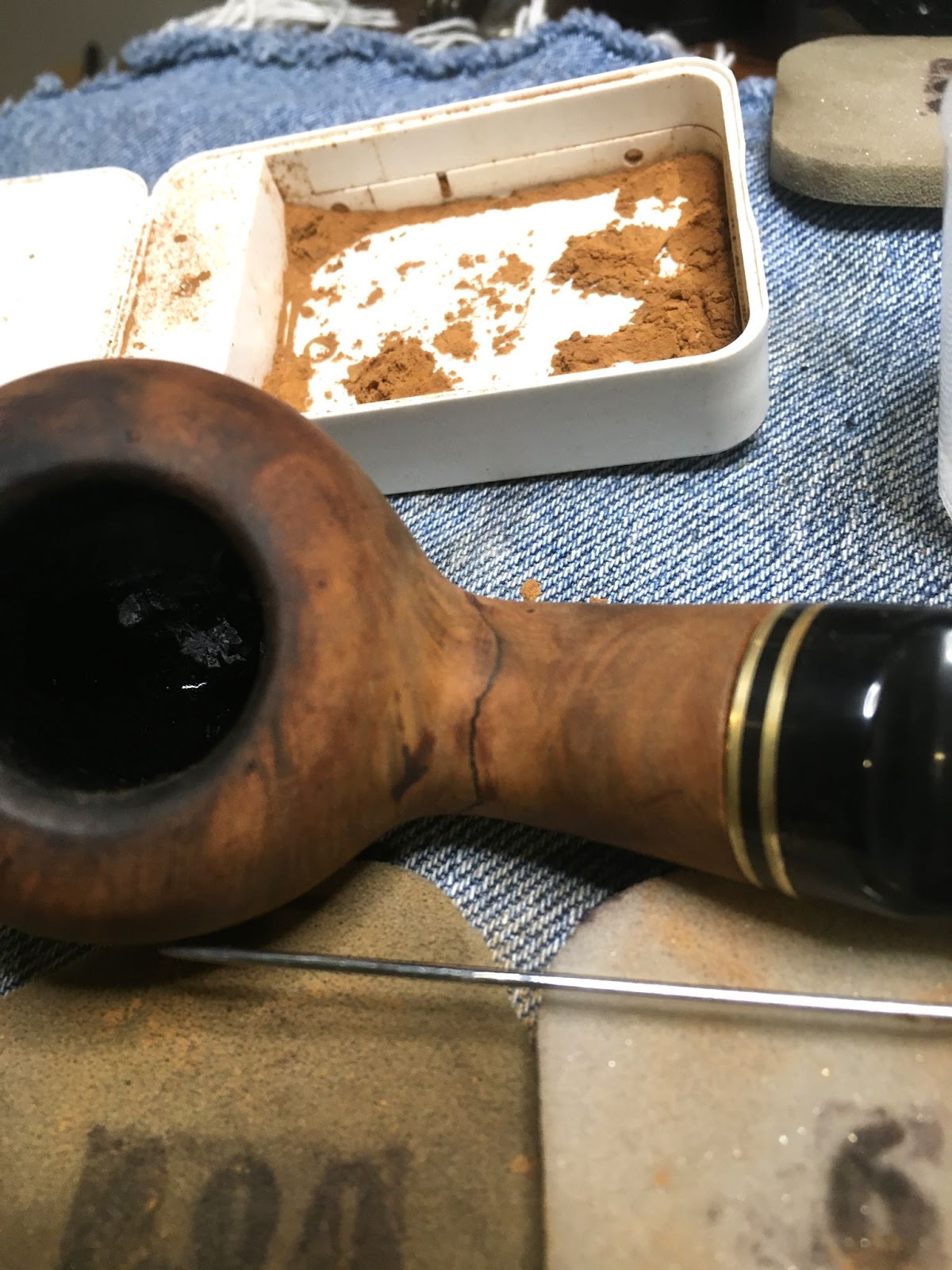

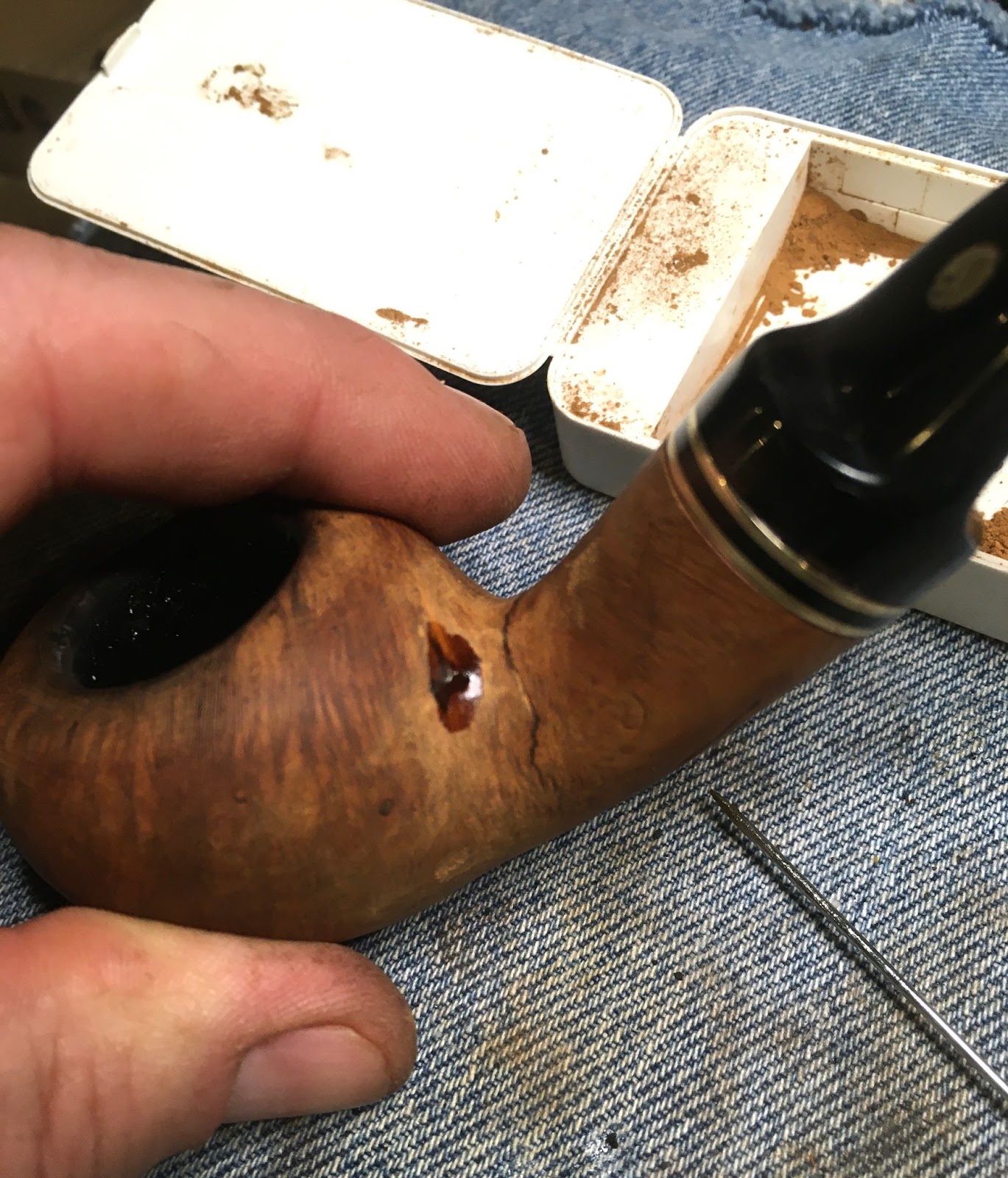
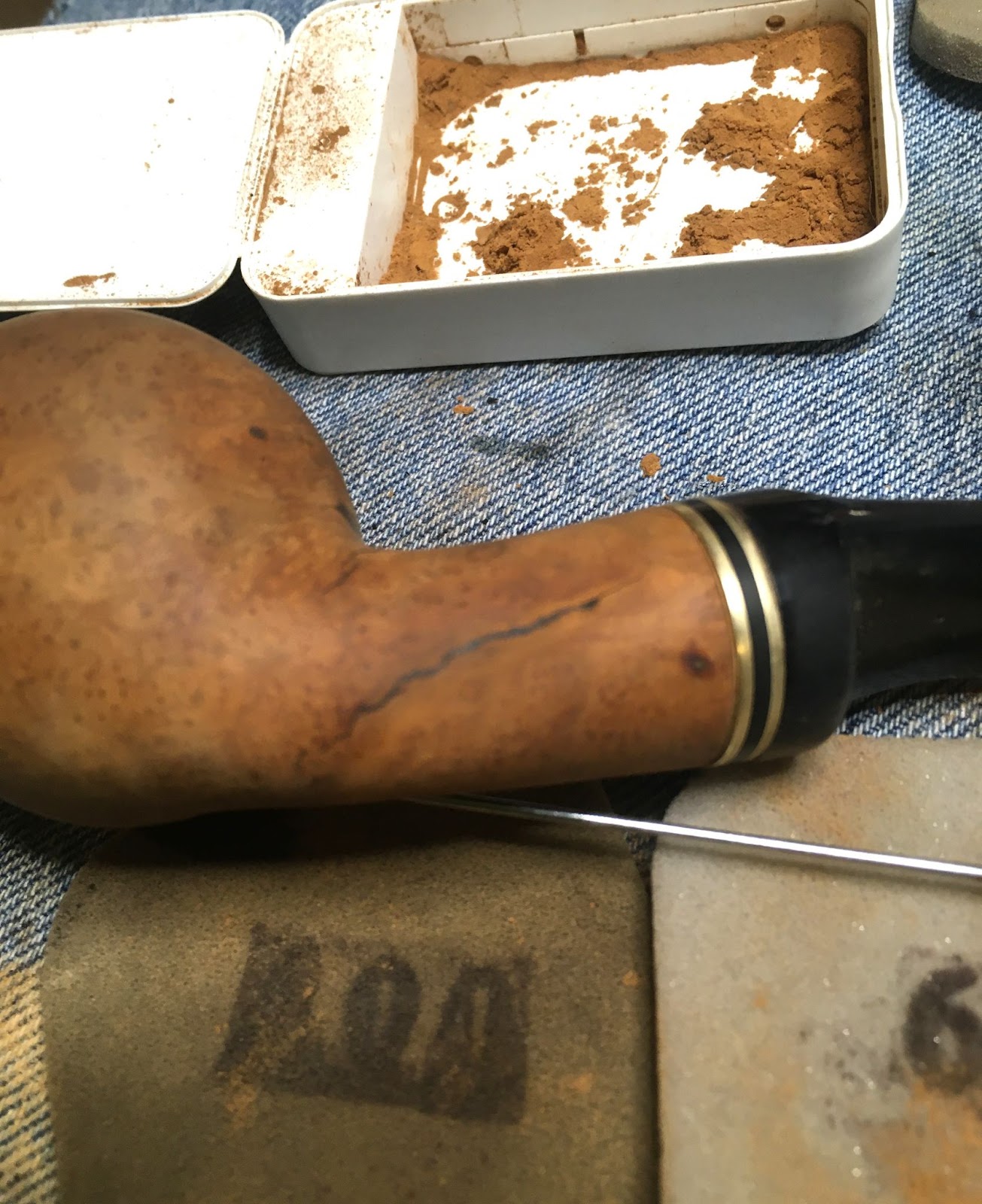


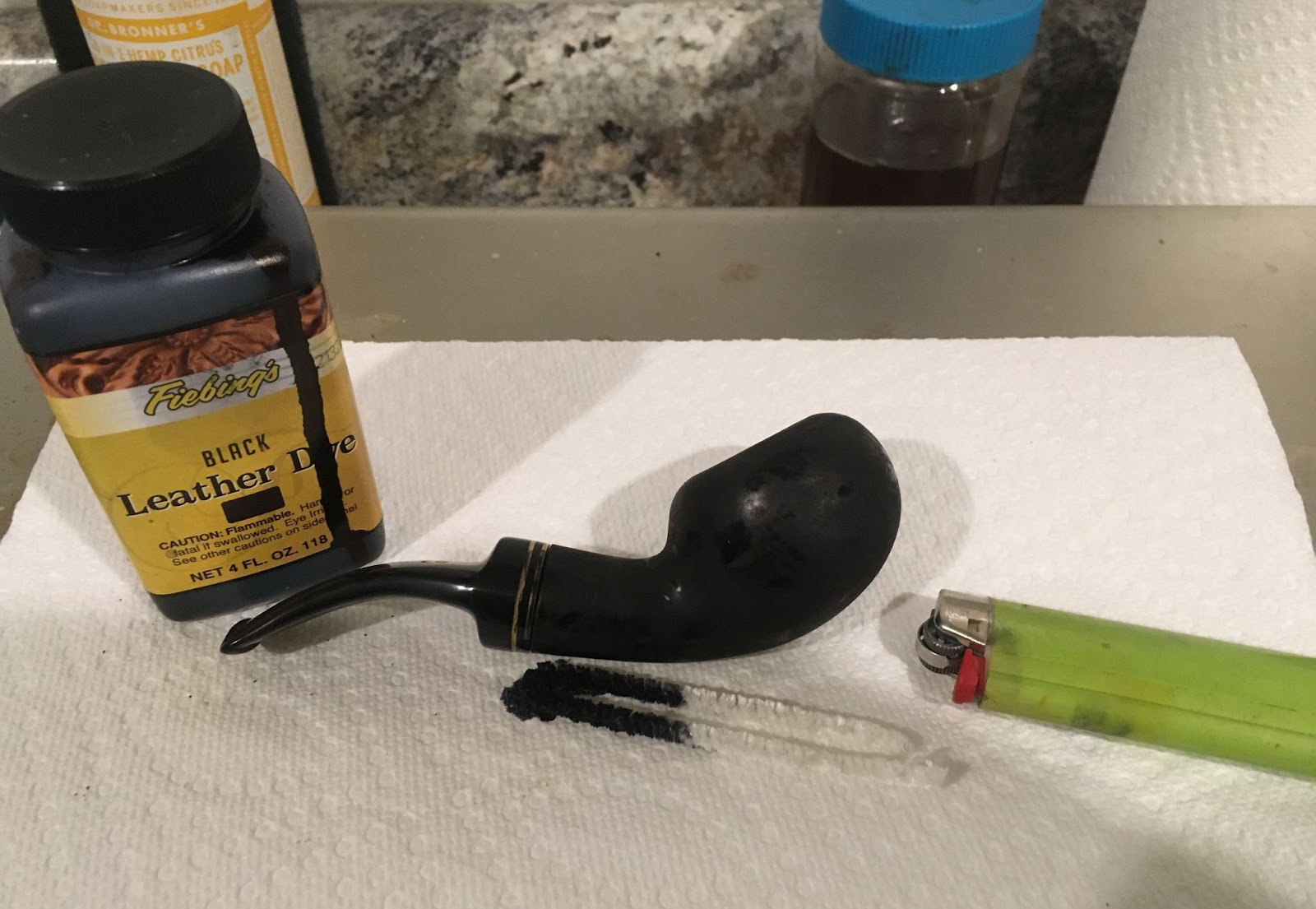

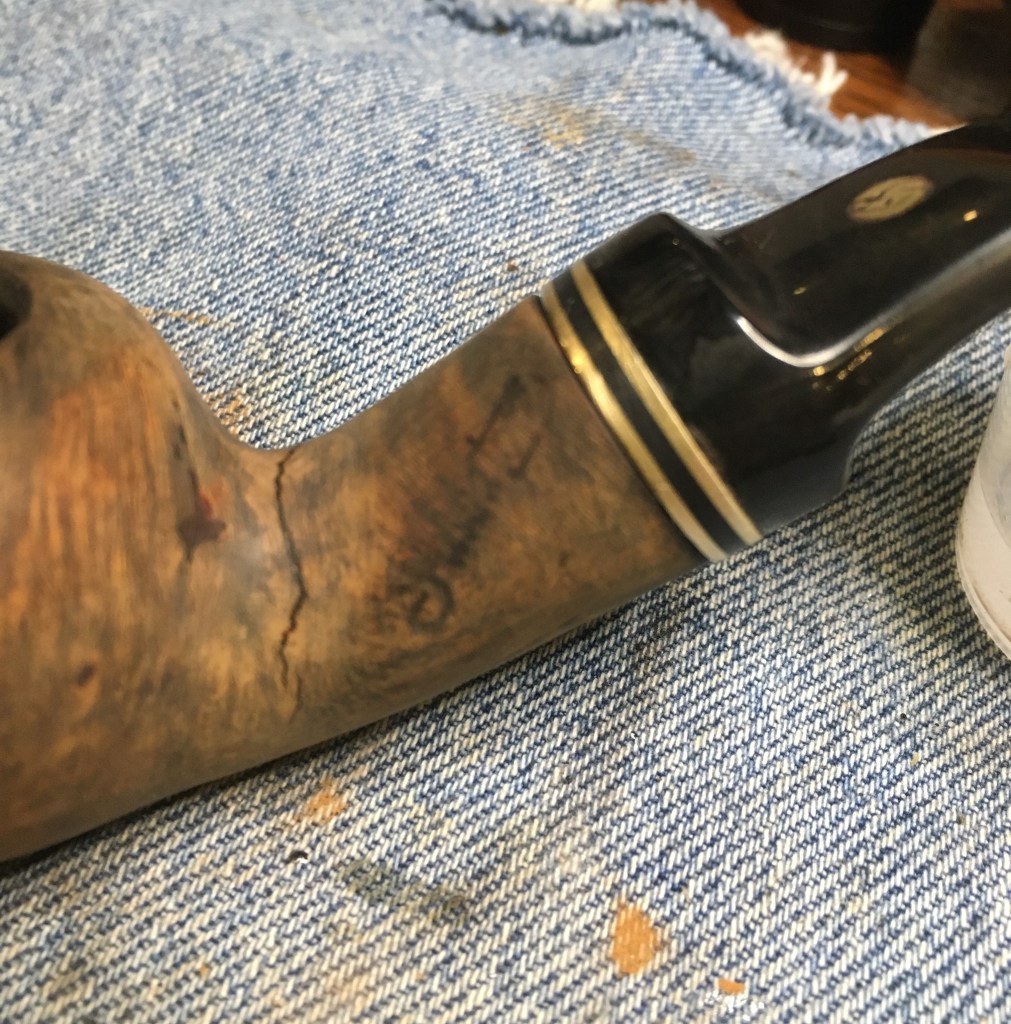
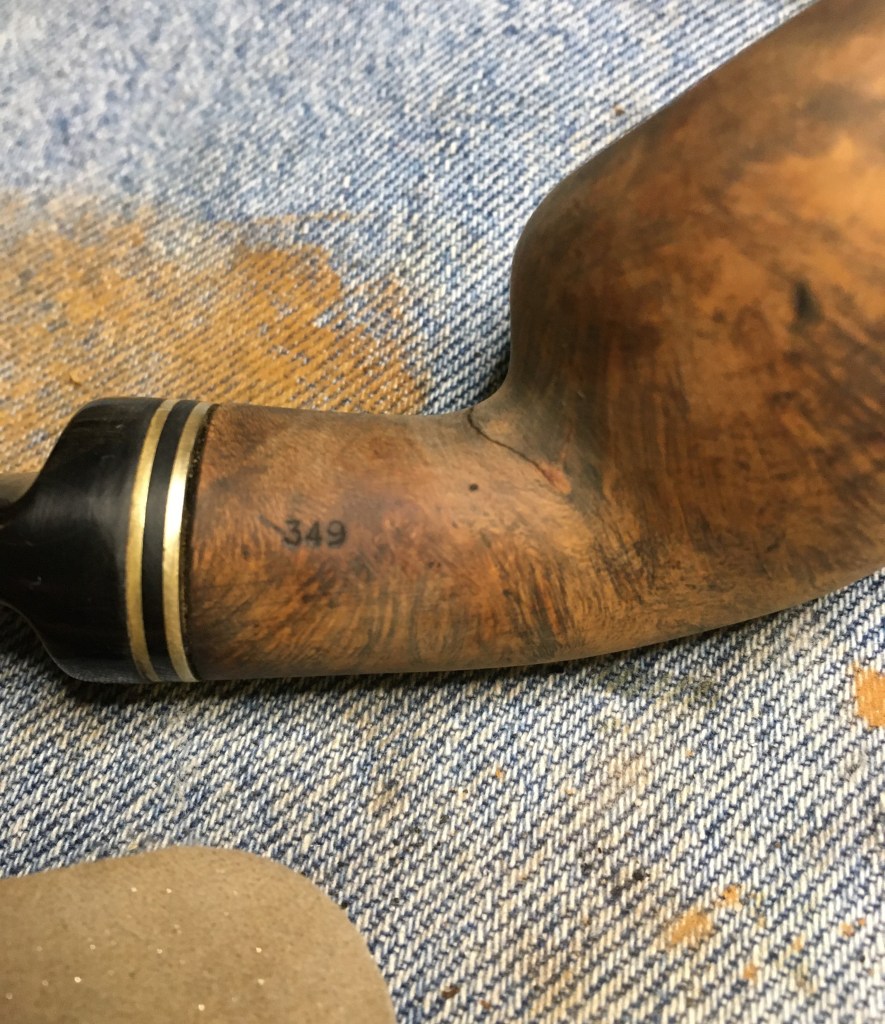

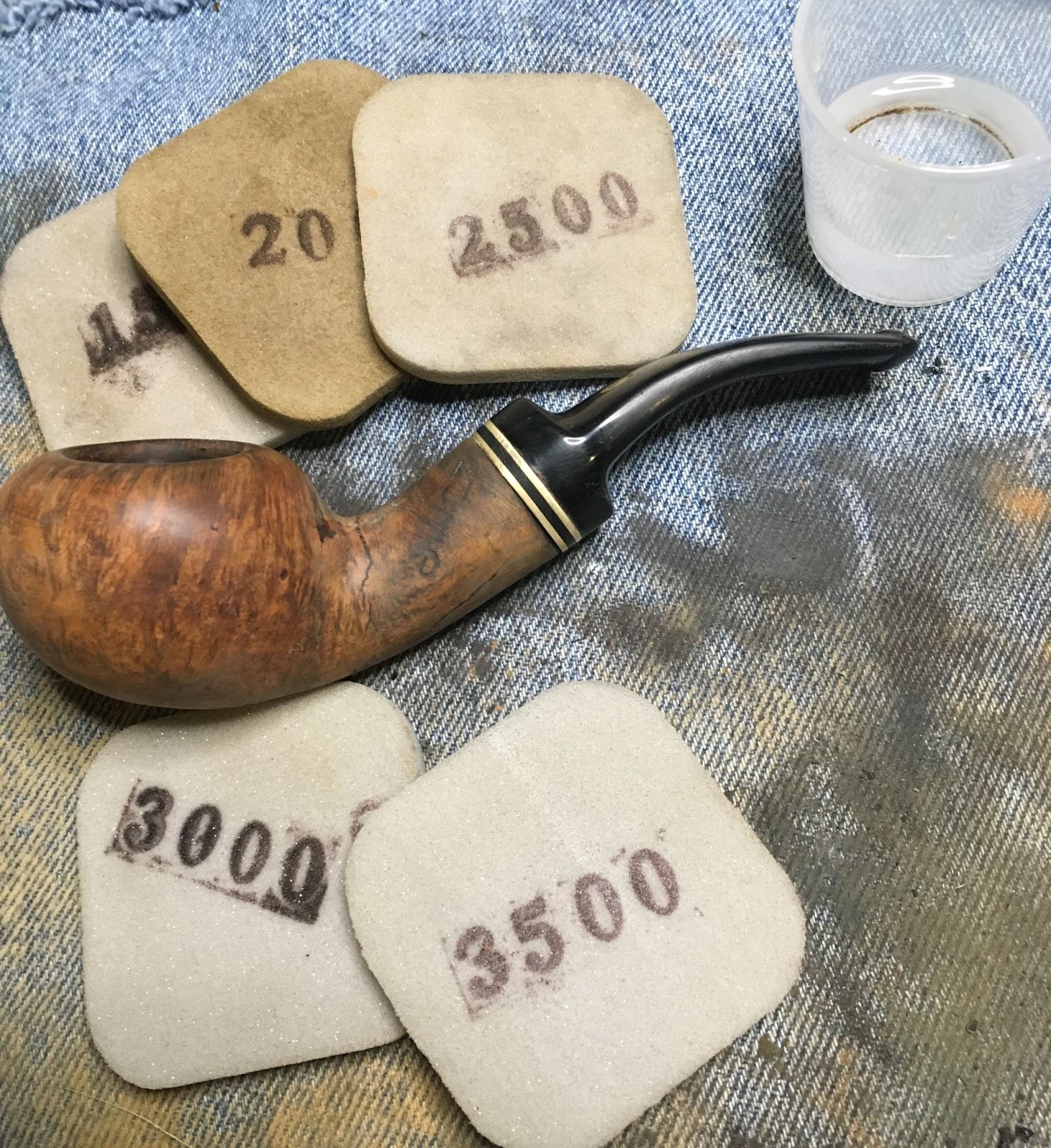
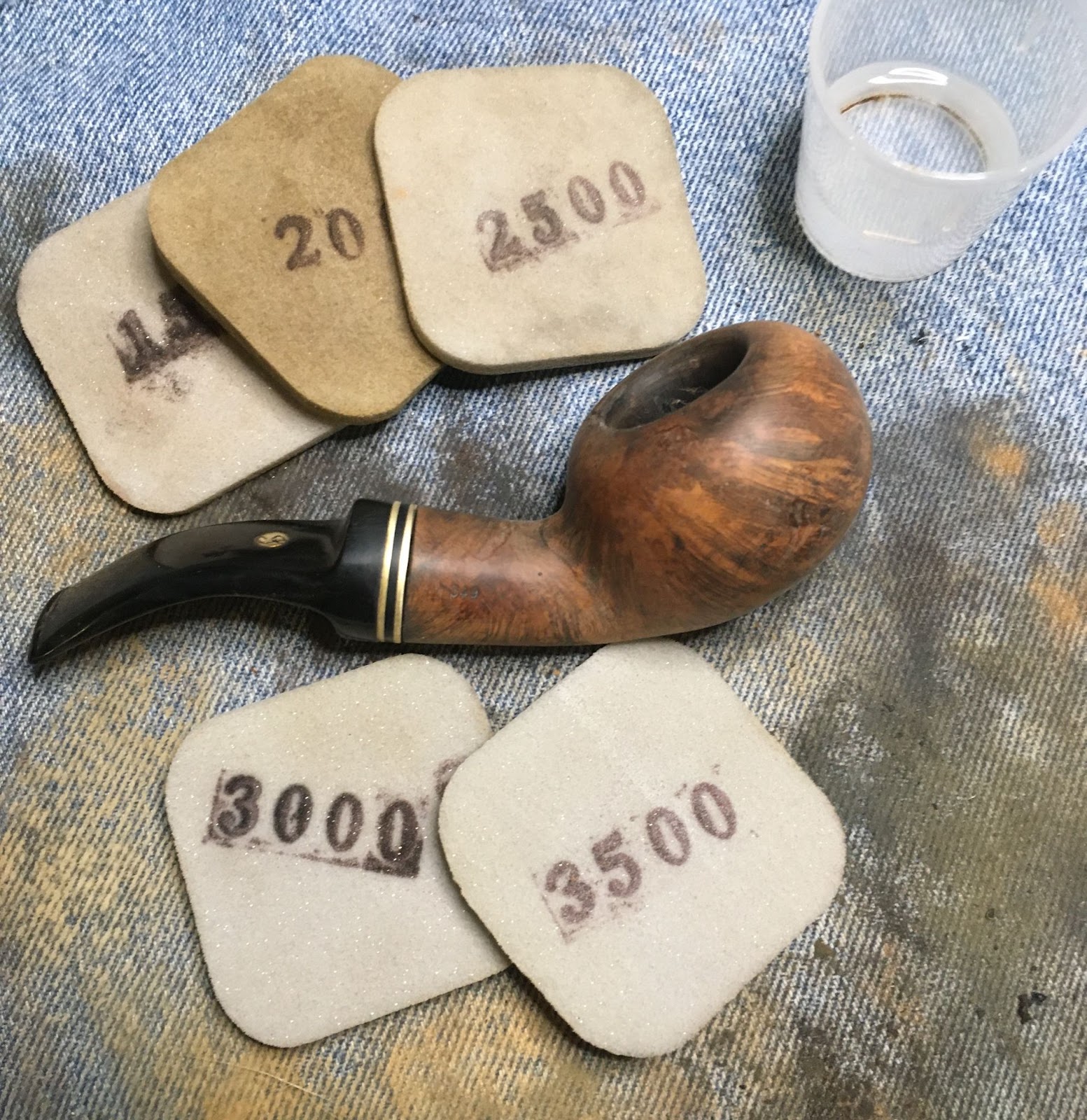

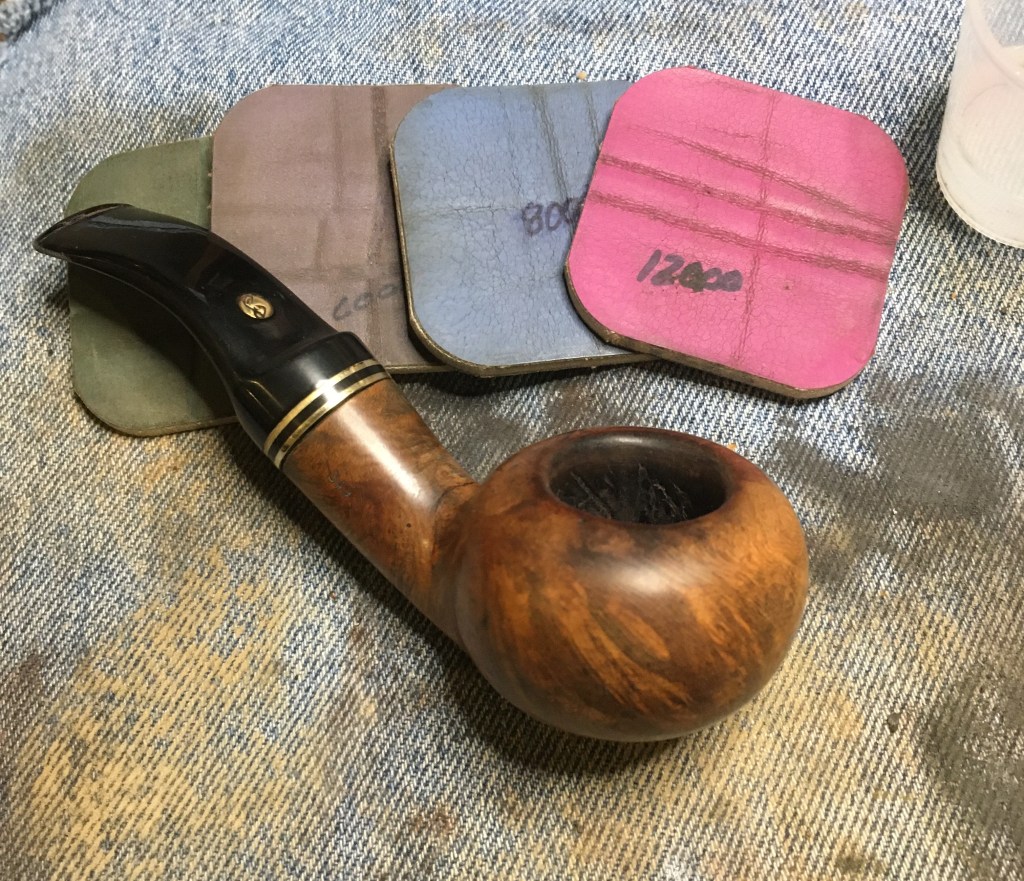


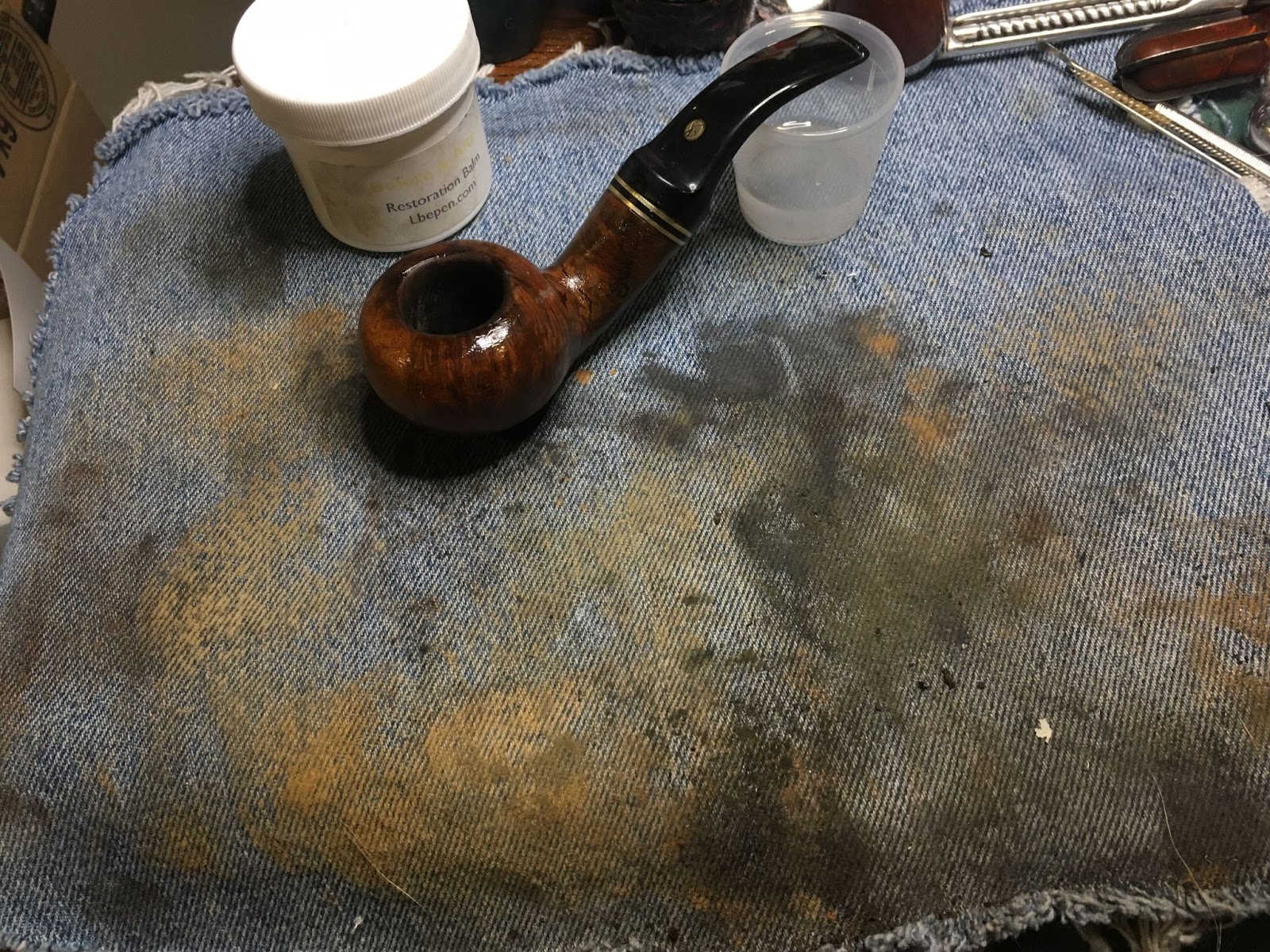

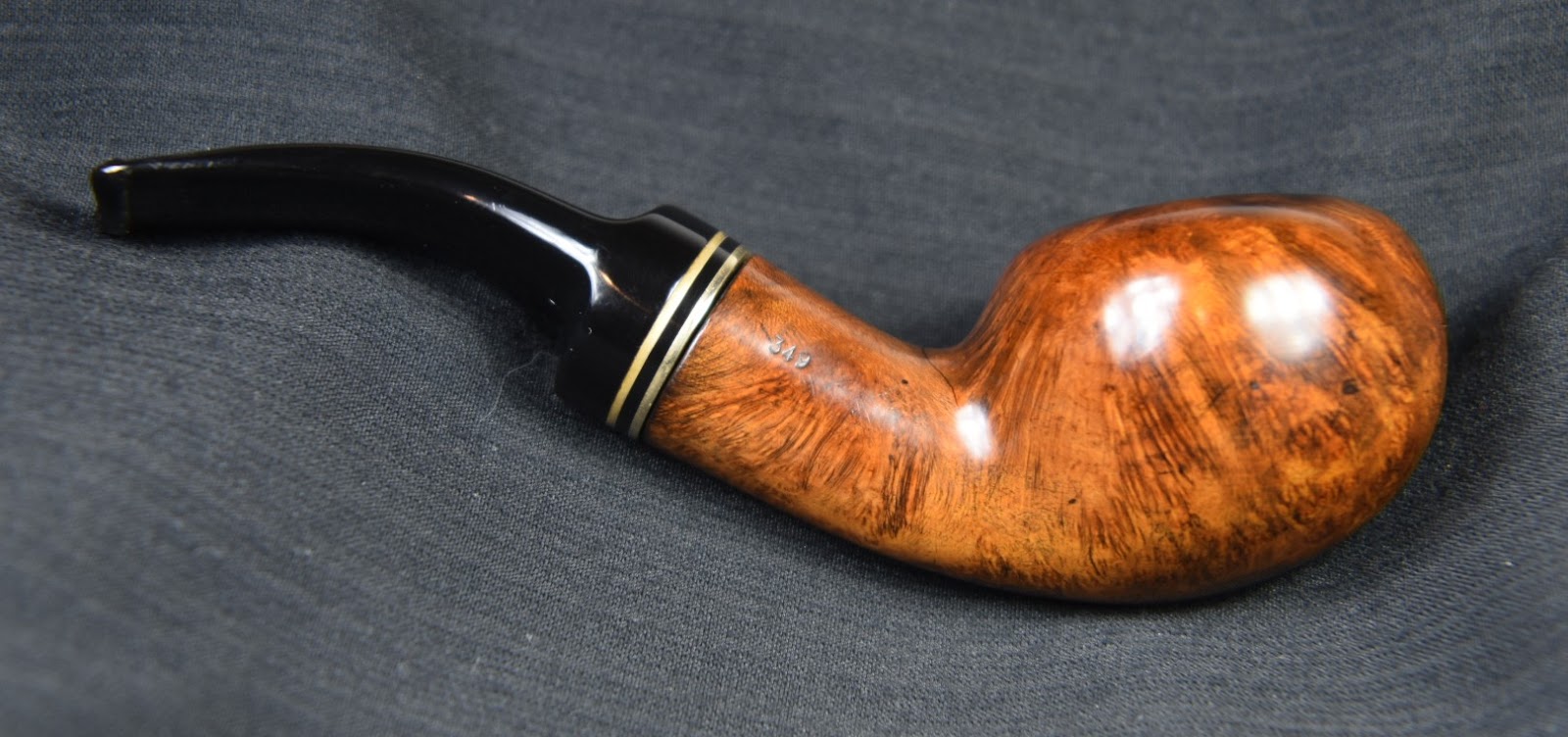


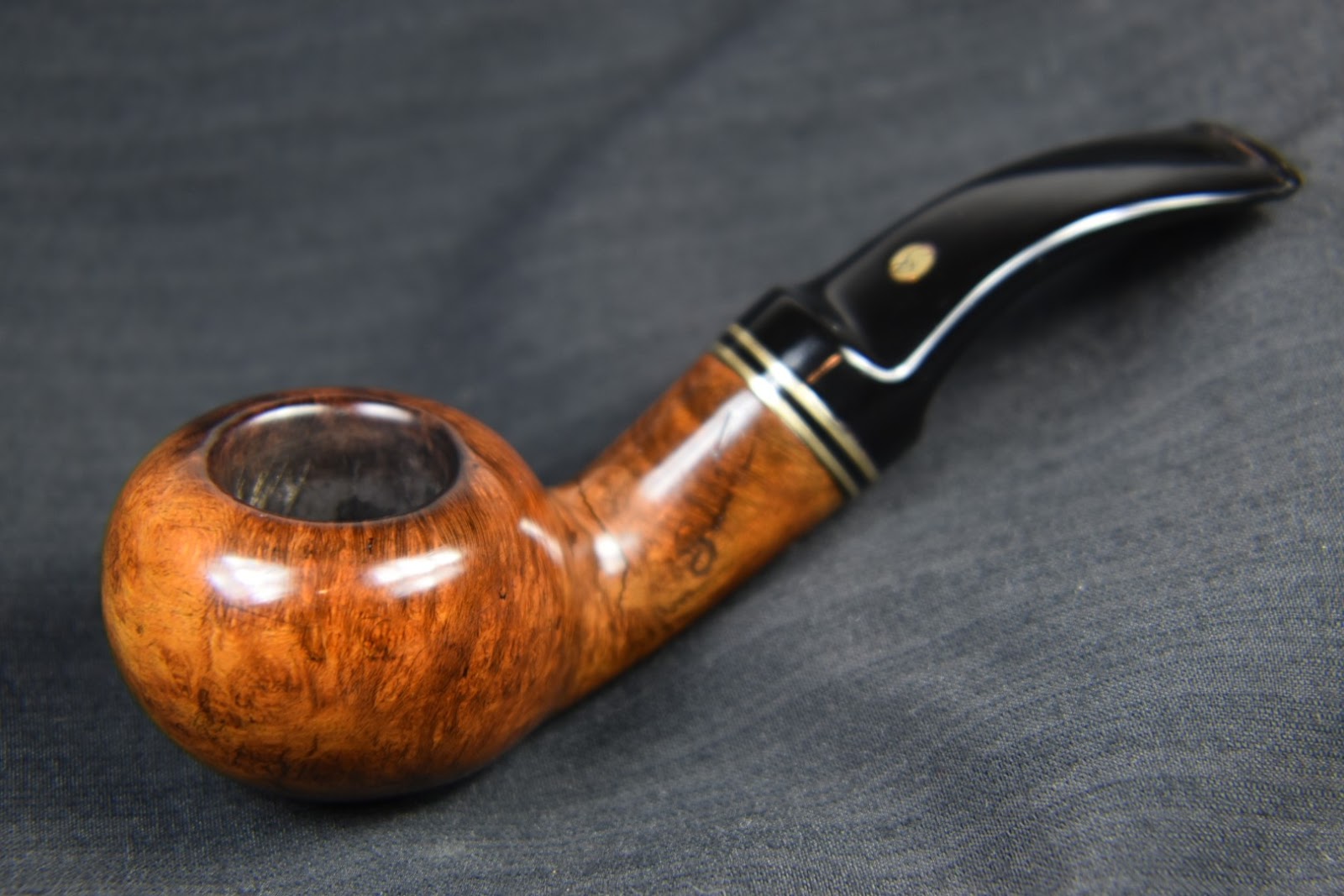
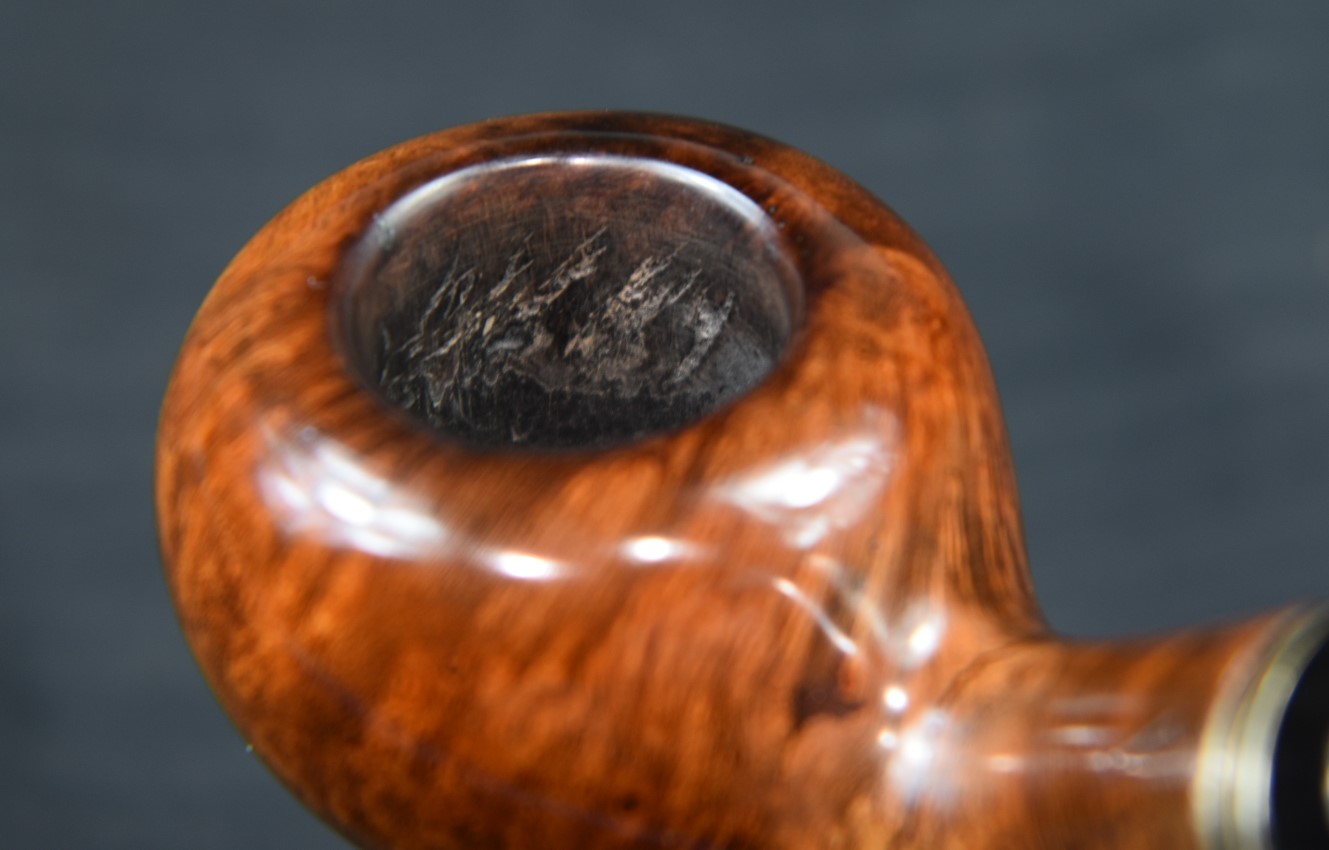


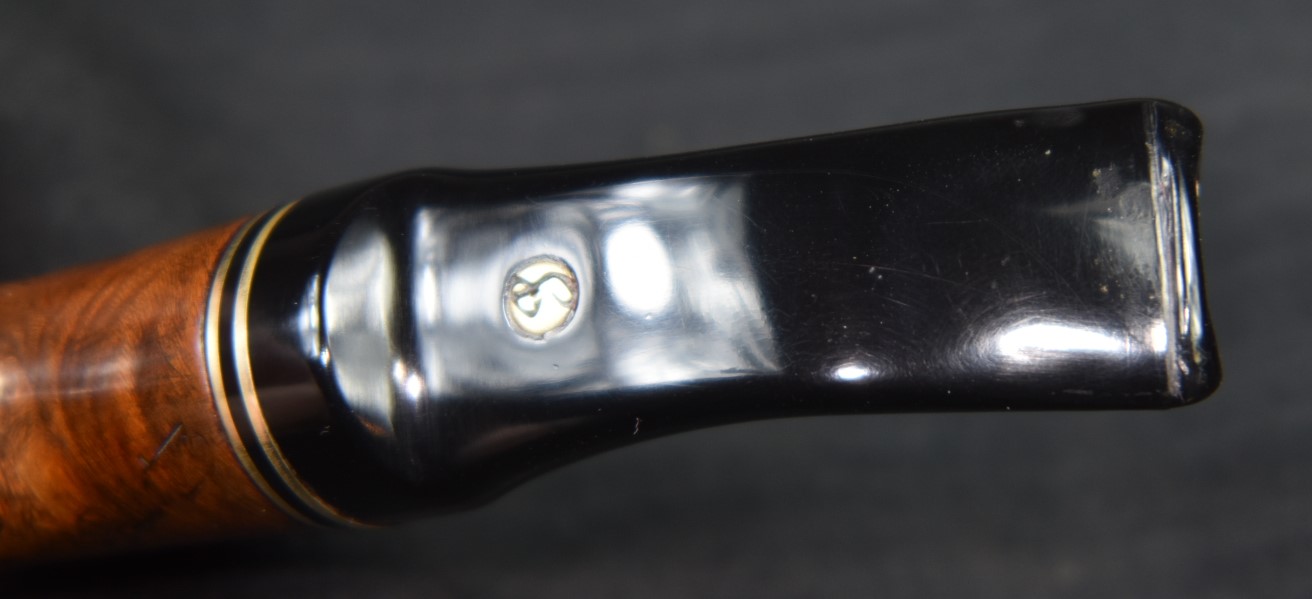
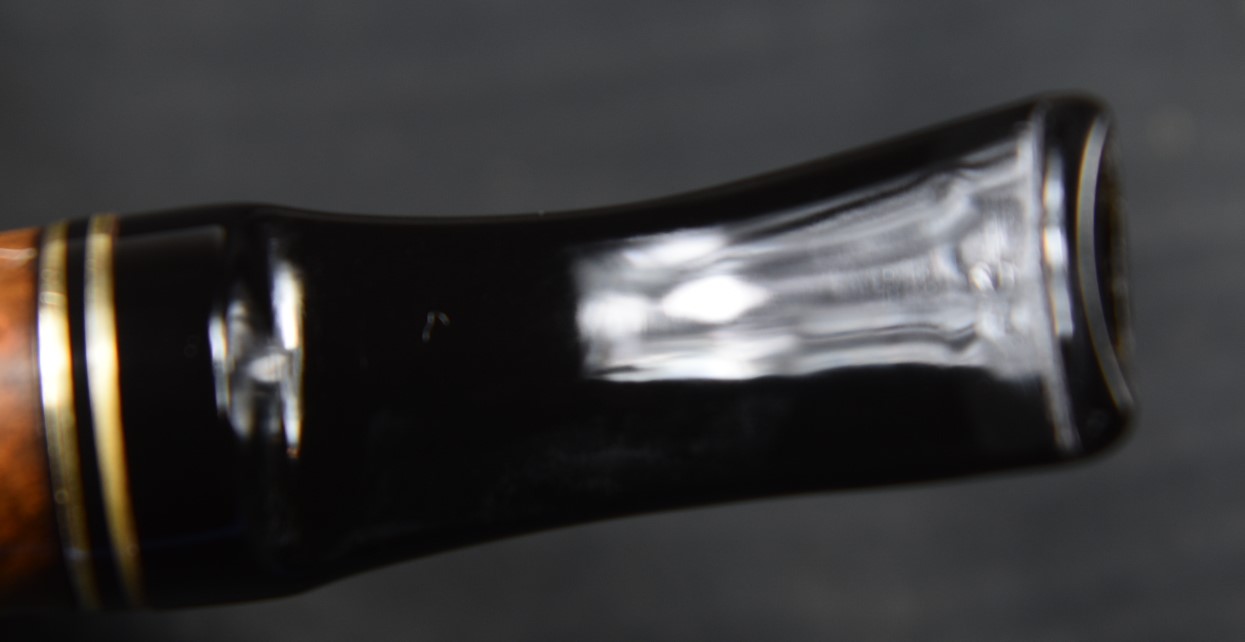


 NebraskaPeteGeek
